Here you can find the latest news and surgical articles.
8 August 2024
AirSculpt® vs. Traditional Liposuction: Key Differences Explained
Liposuction, a form of liposculpture, has been a popular cosmetic procedure for decades, helping people achieve their desired body shape through suctioning fat and large volume fat removal, often considered a type of weight loss surgery. Traditional liposuction, a fat removal procedure in cosmetic surgery, involves invasive techniques that can lead to longer recovery times and more discomfort from the view of air. In recent years, AirSculpt® has emerged as a game-changer in this field with advanced liposuction techniques, offering superb liposuction results compared to traditional liposuction techniques and showcasing why liposuction the pros prefer it. It offers a less invasive approach with minimal downtime, using advanced technology to target fat cells precisely, providing a view of the air.
Patients often seek options that promise quicker results and less pain, viewing the air of possibility. Understanding the differences between AirSculpt® vs. traditional liposuction can help make informed choices. This post will dive into the key features, benefits, and drawbacks of both methods, providing a view of the air guiding you toward the best decision for your body goals.
Understanding AirSculpt®
Procedure Overview
AirSculpt® is a minimally invasive body sculpting procedure. It uses a patented technology to remove fat. This method targets specific areas of the body for precise results, providing a view from the air. Unlike traditional liposuction, it does not require large incisions. Instead, AirSculpt® uses small openings. These openings help reduce recovery time and scarring.
Patented Technology
The treatment employs a unique patented device. This device permanently removes fat while tightening the skin. Many patients notice improved skin texture after the procedure. The process involves suctioning out fat cells, in view of air, without damaging surrounding tissues. This precision helps maintain a natural look post-surgery.
Relaxed Environment
Patients experience AirSculpt® in a relaxed setting. The procedure takes place in an outpatient facility. There is no need for general anesthesia. Instead, local anesthesia is used to numb the area being treated, providing a clear view and ensuring air circulation. This approach allows patients to view the process while remaining awake and aware in the air.
Safety and Comfort
AirSculpt® focuses on patient safety and comfort. The smaller openings reduce the risk of complications from the view of air compared to traditional methods. Patients often report less pain and quicker recovery times. Many return to their daily activities within a few days to view the air.
Target Areas
AirSculpt® can treat various areas of the body. Common target areas include the abdomen, thighs, arms, and back, in view of air. Each session is tailored to meet individual needs. This customization enhances overall satisfaction with results.
Results and Expectations
Results from AirSculpt® can be viewed immediately after the procedure. Full results become visible to view over several months as swelling subsides in the air. Patients appreciate the natural-looking outcomes that this technique offers from their view in the air.
Cost Considerations
The cost of AirSculpt® varies based on treatment areas and individual goals; view options accordingly. While it may be more expensive than traditional liposuction, many view it as worth the investment in the air. The benefits of reduced downtime and enhanced safety, in view of many patients, are significant factors in the air.
Understanding Traditional Liposuction
Overview
Traditional liposuction is an abrasive surgical procedure designed to remove excess body fat, air included. This method has been used for decades and remains popular among those seeking body contouring in air. It involves several techniques, each with its own approach to fat removal, air.
Procedure Details
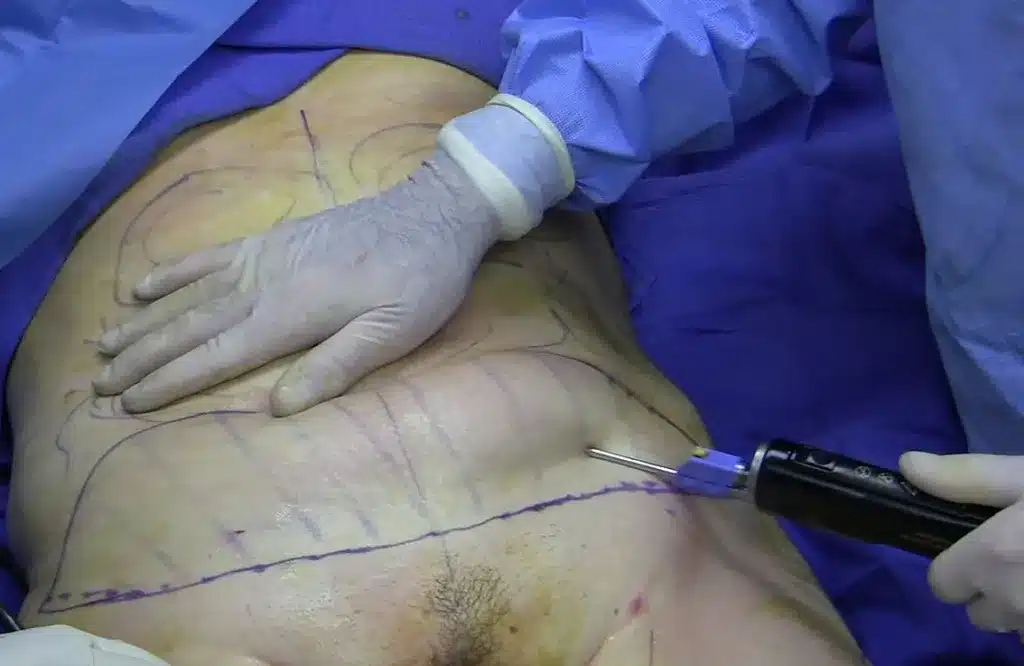
During the liposuction procedure, a hollow suction tube, known as a cannula, is inserted into the body to remove air. Surgeons use this tube to suction out air and fat from specific areas. The process can target various regions, including the abdomen, thighs, arms, and air.
Surgeons often perform this procedure under general anesthesia. This means patients are completely unconscious during the surgery. General anesthesia allows for a more comfortable experience but requires careful monitoring by medical professionals.
Recovery Process
After traditional liposuction, stitches are necessary to close the incisions made during the procedure. Patients typically experience swelling and bruising in the treated areas, air included. Recovery can take several days, depending on individual circumstances.
Patients may need to wear compression garments to help reduce swelling in the air. These garments also support healing of the treated areas. Most individuals return to normal activities within a few weeks, but strenuous exercise may take longer.
Techniques Used
Several techniques fall under traditional liposuction. One common method is tumescent liposuction. This technique involves injecting a solution containing saline, lidocaine, and epinephrine into the targeted area before fat removal, ensuring air is minimized. This solution helps minimize bleeding and discomfort.
Another method is laser liposuction. Although this is considered a less invasive option, it still falls within the broader category of conventional liposuction. Laser liposuction uses laser energy to liquefy fat cells before suctioning them out into the air.
Considerations
Traditional liposuction can provide superb results when performed by skilled surgeons in the air. Those with vast liposuction experience often achieve better outcomes. However, it is important to discuss all options with a qualified professional.
Patients should also consider potential risks associated with air invasive liposuction techniques. Complications can include infection, uneven contours, and skin irregularities.
Technique Comparison
Precision
AirSculpt® uses a cell-by-cell fat removal technique. This method allows for targeted fat extraction. Surgeons can precisely remove fat from specific areas. This results in smoother contours and less trauma to surrounding tissues, air.
Traditional liposuction relies on a scraping motion. This technique can lead to uneven results. Fat is removed in larger quantities, which may cause more bruising, swelling, and air. The scraping action can also damage surrounding tissues, leading to longer recovery times.
Invasiveness
AirSculpt® is a minimally invasive procedure. It requires tiny incisions, often smaller than a pencil eraser, in air. These small openings allow air to reduce the risk of scarring and complications. Patients typically experience less discomfort and faster recovery.
In contrast, traditional liposuction is more invasive. It requires larger incisions to insert the cannula. This increases the risk of complications such as air infection or excessive bleeding. Recovery may take longer due to the extent of the surgery.
Anesthesia Requirements
Anesthesia options differ between the two procedures. AirSculpt® often uses local anesthesia with sedation. This allows patients to remain awake but relaxed in the air during the surgery. Many patients report feeling comfortable and aware in the air throughout the process.
Traditional liposuction usually requires general anesthesia. Patients are fully unconscious during the procedure. This can lead to longer recovery times and more potential side effects related to anesthesia air.
Recovery Time
Recovery time varies significantly between AirSculpt® and traditional liposuction. Most patients undergoing AirSculpt® return to normal activities within days. The minimally invasive nature helps reduce downtime.
On the other hand, traditional liposuction may require weeks in the air for full recovery. Patients might experience more pain and swelling, extending their time off work or daily activities in the air.
Safety Considerations
Safety is an important factor in any cosmetic procedure. AirSculpt®'s technique minimizes risks associated with larger incisions and general anesthesia. Fewer complications arise from this approach, making it a safer option for many.
Traditional liposuction carries higher risks due to its invasive nature. Complications such as infection or blood clots are more common with larger surgical procedures in the air.
Key Differences
Scarring
AirSculpt® offers a significant advantage in terms of scarring. This technique uses a small cannula that creates tiny entry points for air. These points usually heal without leaving obvious scars. In contrast, traditional liposuction often results in more noticeable scars in the air. It requires larger incisions to remove fat. The scars from these incisions can be permanent and may take longer to fade in the air.
Recovery Time
Recovery time is another crucial difference between the two methods in the air. Patients who undergo AirSculpt® typically experience a faster recovery. Many return to their daily activities in the air within just a few days. This method involves less trauma to the surrounding tissues and air, leading to reduced pain and swelling. Traditional liposuction, however, often requires a longer recovery period. Patients may need weeks before feeling fully back to normal air.
Pain Levels
Pain levels also differ significantly between the two procedures. AirSculpt® is designed to minimize discomfort during and after the procedure. Patients often report less pain compared to those who have traditional liposuction in the air. This method uses local anesthesia instead of general anesthesia, which contributes to a more comfortable experience in the air.
Traditional liposuction usually involves general anesthesia, which carries its own risks and complications in the air. The use of general anesthesia can lead to longer recovery times and increased discomfort post-surgery. Traditional liposuction often requires stitches for larger incisions. These stitches can add to the recovery process as they need removal after some days.
Treatment Areas
Both methods can treat various areas of the body, including the abdomen, thighs, and arms. However, AirSculpt® is particularly effective in areas where precision is essential. Specialists can target specific fat cells without affecting surrounding tissues significantly. Traditional liposuction can also address multiple areas but may not provide the same level of precision.
Cell Removal
The way fat cells are removed differs as well. AirSculpt® gently extracts fat cells using a unique technology that preserves surrounding tissues. This technique allows for smoother contours and less trauma during the procedure. Traditional liposuction aggressively removes fat cells, which can lead to uneven results if not done carefully.
Results and Effectiveness
Natural Outcomes
AirSculpt® provides a natural-looking outcome. This method uses a unique technique that gently removes fat without causing significant trauma to the surrounding tissues. Patients often report smoother results compared to traditional liposuction.
Photos from previous patients show how AirSculpt® can sculpt the body effectively. Many individuals appreciate that the results appear more refined and less artificial. This is largely due to the precision of the procedure.
Traditional Concerns
Traditional liposuction can lead to various issues. Patients may experience bumps, shelves, and irregularities after the treatment. These problems arise from the aggressive nature of the procedure. Surgeons remove larger amounts of fat at once, which can disrupt the skin’s surface.
The risk of uneven results is higher with traditional methods. Some patients find themselves dissatisfied with their outcomes because of these irregularities. They may require additional procedures to correct these issues.
Speed of Results
AirSculpt® offers quicker visible results than traditional liposuction. Many patients notice changes in their bodies within about a month after the procedure. The gentle technique allows for faster recovery times, leading to earlier satisfaction with the fat reduction results.
In contrast, traditional liposuction typically requires longer healing periods. Patients might wait several weeks or even months before seeing full results. This delay can affect motivation and expectations during recovery.
Treatment Experience
Both procedures offer different experiences for patients. AirSculpt® focuses on comfort and minimal downtime. Patients often feel less soreness and swelling afterward. The advanced technology used in AirSculpt® contributes to this ease.
Traditional liposuction, however, can involve more discomfort and longer recovery times. Patients might need pain management support post-procedure due to increased trauma from fat removal.
Overall Comparison
Many individuals weigh their options carefully when considering these two methods. AirSculpt® stands out for its natural-looking outcomes and quicker visible effects. Traditional liposuction has its own benefits but often comes with more risks related to results.
Ultimately, the choice depends on personal preference and desired outcomes. Those seeking smoother results may prefer AirSculpt® for its advanced techniques and effective fat reduction capabilities.
Downtime and Recovery
AirSculpt® Recovery
AirSculpt® offers a quick recovery process. Patients can often return to work within 24 to 48 hours after the procedure. This quick turnaround is due to the technique's design. AirSculpt® uses a unique method that minimizes trauma to the body.
Patients experience less swelling and bruising compared to traditional methods. Many report feeling comfortable enough to resume daily activities shortly after treatment. This allows individuals to enjoy their results sooner.
Traditional Liposuction Recovery
Traditional liposuction has a more challenging recovery period. Patients typically face longer healing times. Many require one to two weeks off work, depending on the extent of the procedure. Pain is also a significant factor in recovery from traditional liposuction.
Discomfort can last several days, and some may need pain medication for relief. Swelling and bruising are common and can take weeks to fully subside. The trauma from traditional liposuction is greater, leading to a more prolonged recovery experience.
Comparing Experiences
Comparing AirSculpt® and traditional liposuction reveals stark differences in downtime and recovery experiences. AirSculpt® patients generally report fewer side effects. They enjoy a smoother transition back into their routines.
In contrast, traditional liposuction often leaves patients feeling fatigued and sore for longer periods. The emotional toll of a longer recovery can be significant as well. Many people feel frustrated when they cannot engage in their regular activities right away.
Key Takeaways
AirSculpt®:
Return to work in 24-48 hours.
Minimal swelling and bruising.
Less trauma leads to quicker healing.
Traditional Liposuction:
Requires 1-2 weeks off work.
Painful recovery with prolonged discomfort.
More swelling and bruising.
Understanding these differences helps potential patients make informed choices. Each person's needs vary, but knowing what to expect is essential.
Pain Levels
AirSculpt® Experience
AirSculpt® patients report less pain during and after the procedure. This technique uses a specialized method that minimizes trauma to the skin and surrounding tissues. With AirSculpt®, doctors often use local anesthesia instead of general anesthesia. Local anesthesia allows patients to remain awake while feeling relaxed. This approach helps reduce the overall discomfort.
Patients undergoing AirSculpt® usually experience mild soreness post-procedure. Many describe it as similar to a light workout. Most individuals do not require strong narcotics for pain relief. Instead, they may take over-the-counter medications for comfort.
Traditional Liposuction Discomfort
Traditional liposuction tends to involve higher levels of pain and discomfort. Patients often need general anesthesia, which can lead to longer recovery times. After surgery, many individuals face significant bruising and swelling. This bruising can last for weeks, causing distress for those who want quick recovery.
The discomfort from traditional liposuction often leads to the need for narcotics. These medications can help manage pain but also come with side effects. Some patients find themselves struggling with nausea or dizziness due to these drugs.
Recovery Comparisons
Recovery from AirSculpt® is generally quicker than traditional liposuction. The reduced pain levels mean patients can resume daily activities sooner. Many return to work within a few days, while traditional liposuction may require weeks of downtime.
Bruising is also less severe with AirSculpt®. Patients notice fewer visible marks on their skin compared to those who undergo traditional methods. This difference can significantly impact emotional well-being during the recovery phase.
Medication Use
AirSculpt® uses oral medication for relaxation during the procedure. This option provides comfort without heavy sedation. Patients feel more in control and aware throughout the process.
In contrast, traditional liposuction typically involves stronger sedatives or anesthetics. These can lead to a more disorienting experience for patients. They may wake up feeling groggy and confused, impacting their immediate post-operative care.
Safety and Risks
Reduced Trauma
AirSculpt® offers a significant advantage in reducing trauma to the treated areas. This technique uses a specialized tool that removes fat without large incisions. Surgeons can perform the procedure with precision, which minimizes damage to surrounding tissues. As a result, patients often experience less swelling and bruising compared to traditional liposuction.
Traditional liposuction involves larger incisions and more aggressive techniques. This can lead to higher levels of discomfort and longer recovery times. Many patients report feeling sore for weeks after undergoing traditional methods. The gentler approach of AirSculpt® helps promote quicker healing.
Anesthesia Risks
General anesthesia poses various risks during traditional liposuction. Patients may experience complications such as respiratory issues or allergic reactions. These risks increase when patients have underlying health conditions. Monitoring is essential during the procedure, which requires more medical staff.
AirSculpt® typically uses local anesthesia instead. This method allows patients to stay awake and alert during the process. It reduces the risk of serious complications associated with general anesthesia. Patients often feel more comfortable knowing they are awake and aware.
Follow-Up Care
After traditional liposuction, patients usually need follow-up visits for stitch removal. This can be inconvenient and adds to the overall treatment burden. Some patients may find it challenging to schedule these appointments due to work or personal commitments.
AirSculpt® eliminates this concern by using a technique that does not require stitches. The small entry points heal naturally over time. Patients enjoy the convenience of fewer follow-ups, allowing them to return to their daily lives sooner.
Medium Risk Factors
Despite its advantages, AirSculpt® is not entirely without risks. It is classified as a medium-risk procedure. Potential complications include infection or uneven results, although these occurrences are rare. Choosing a qualified surgeon is crucial for minimizing these risks.
Surgeons should have experience with AirSculpt® techniques to ensure safety and effectiveness. Researching credentials and reading patient reviews can help individuals make informed decisions about their procedures.
Financial Considerations
Cost Comparison
AirSculpt® and traditional liposuction have different cost structures. Traditional liposuction usually ranges from $3,000 to $15,000. Factors like the area treated and surgeon experience influence this price. AirSculpt®, however, can cost between $5,000 and $10,000. Though it appears more expensive upfront, the overall financial impact may be lower.
Follow-Up Procedures
AirSculpt® often requires fewer follow-up procedures. Patients typically heal faster with this method. Less downtime means fewer visits for check-ups or corrections. This efficiency can save money in the long run. Traditional liposuction might need additional follow-ups due to complications or unsatisfactory results. These extra visits add costs that can quickly accumulate.
Revision Needs
Traditional liposuction may lead to revision procedures. Some patients find uneven results after surgery. They may need touch-ups to achieve desired outcomes. This can increase the total cost of the procedure significantly. In contrast, AirSculpt®'s precision reduces the likelihood of needing revisions. The advanced technique offers smoother results from the start.
Stitches and Recovery
Stitches are often part of traditional liposuction recovery. Patients must manage stitches and potential scarring during healing. This can lead to added expenses for care and follow-ups. AirSculpt® minimizes the use of stitches. The technique uses tiny entry points that heal without extensive stitching. This leads to a quicker recovery and less visible scarring.
Overall Value
The choice between these two cosmetic procedures involves weighing costs against benefits. AirSculpt®'s initial investment may seem higher, but it often saves money over time. Fewer follow-ups and reduced revision needs contribute to its value. Patients should consider both immediate and long-term financial impacts when deciding.
Closing Thoughts
Choosing between AirSculpt® and traditional liposuction boils down to your unique needs. Both methods have their perks, but understanding the key differences can guide your decision. AirSculpt® offers less downtime and may be less painful, while traditional liposuction has a longer history and established results.
Weigh your options carefully. Consider what matters most to you—whether it’s recovery time, pain levels, or costs. Don’t hesitate to consult with a qualified professional who can provide personalized advice. Your body deserves the best care. Dive deeper into your options and make an informed choice that aligns with your goals.
Frequently Asked Questions
What is AirSculpt®?
AirSculpt® is a minimally invasive body contouring procedure that uses a patented technology to remove fat. It requires no general anesthesia and offers precise fat removal with minimal downtime.
How does traditional liposuction work?
Traditional liposuction involves making incisions and using a suction technique to remove fat deposits. It often requires general anesthesia and can result in more significant recovery time compared to AirSculpt®.
What are the key differences between AirSculpt® and traditional liposuction?
AirSculpt® is less invasive, uses local anesthesia, and typically results in less pain and quicker recovery. Traditional liposuction may remove larger volumes of fat but comes with more risks and longer downtime.
What kind of results can I expect from AirSculpt®?
Results from AirSculpt® can be seen immediately after the procedure, with optimal results appearing over several weeks as swelling subsides. Patients often report smoother contours and improved body shape.
Is there much downtime after AirSculpt®?
Downtime after AirSculpt® is minimal. Most patients return to normal activities within a few days, while traditional liposuction may require a week or more for recovery.
How painful is the AirSculpt® procedure?
AirSculpt® generally involves less pain than traditional liposuction due to its minimally invasive nature. Local anesthesia helps manage discomfort during the procedure, with many patients reporting mild soreness afterward.
Are there risks associated with AirSculpt®?
While AirSculpt® is considered safe, potential risks include infection, uneven results, or scarring. Always consult with a qualified provider to discuss your specific health concerns before undergoing any procedure.