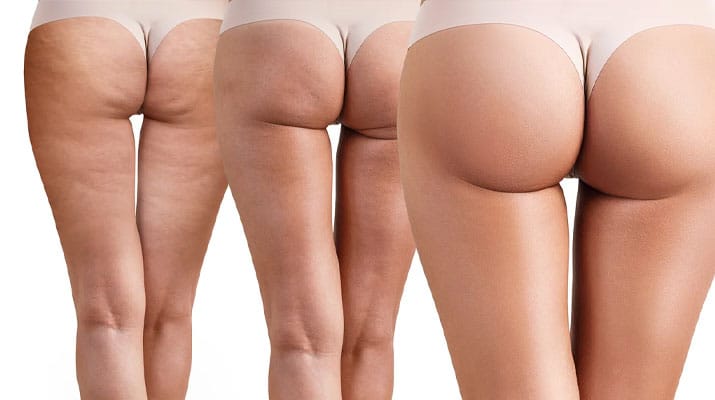
Buttock augmentation is a cosmetic surgery by a plastic surgeon to enhance the shape and size of the buttocks, with potential complications requiring consent. It has gained popularity in recent years. Many people seek this aesthetic plastic surgery procedure to achieve a more balanced and attractive body shape.
Celebrities and influencers often promote these procedures. Social media plays a significant role in the rising demand for cosmetic procedures, including lift surgery, as well as in shaping consent and awareness of potential complications. Buttock augmentation patients aim for a fuller, rounder appearance.
Types of Augmentation
There are two main types of buttock enhancement: implants and fat transfer, both cosmetic procedures in augmentation surgery.
Buttock Implants: These are silicone-filled devices placed under the gluteal muscles to lift, requiring consent and awareness of potential complications. They provide a permanent solution for increasing buttock volume. However, they carry risks like infection or implant displacement.
Fat Transfer (Brazilian Butt Lift): This buttock enhancement procedure involves liposuction to remove fat from other body parts, with potential complications and buttock enhancement risks requiring consent. The fat is then purified and injected into the buttocks to lift, with consent, despite potential complications. This method offers a more natural look and feel but may require multiple sessions for the buttock enhancement procedure.
Initial Considerations
Before undergoing butt augmentation, individuals must consider several factors.
First, they need to have realistic expectations about the results of butt augmentation surgery, natural butt implants, a buttock lift, or any buttock enhancement procedure. Consulting with a qualified surgeon is essential. A buttock enhancement consultation helps determine the best approach for each patient.
Second, understanding the risks involved is crucial. Both implants and fat transfer have potential complications. Patients should be aware of these before deciding on buttock enhancement procedures, butt implants, buttock lift, or butt augmentation surgery.
Goals of Butt Augmentation
People seek butt augmentation for various reasons.
We want to improve their self-confidence by achieving a more proportional figure with butt implants, a buttock lift, a buttock enhancement procedure, or butt augmentation surgery. Others aim to enhance their physical appearance after weight loss or aging through butt implants, butt augmentation surgery, or a buttock lift. Buttock procedures can help restore volume and shape lost over time.
The ultimate goal is to achieve a natural buttock shape that complements the rest of the body. Surgeons work closely with patients to ensure their goals align with realistic outcomes, whether it’s a buttock lift, butt augmentation surgery, or butt implants.
Common Risks of Butt Enhancements
Infection
Infections are a significant risk. After surgery, bacteria can enter the body through incisions. Symptoms include redness, swelling, and fever. In severe cases, infections can lead to sepsis.
Scarring
Scarring is inevitable with any surgical procedure. Some individuals might develop keloids. These are raised scars that grow larger than the original wound. Scars can be unsightly and uncomfortable.
Dissatisfaction
Many people feel dissatisfied with their results. Expectations might not match reality. This can lead to emotional distress. Revision surgeries might be needed to correct issues.
Asymmetry
Implants can shift over time. This leads to asymmetry in the buttocks. One side may look different from the other. Correcting this often requires additional surgeries.
Implant Displacement
Implants can move from their original position. This displacement causes discomfort and uneven appearance. Sometimes, implants might even become visible under the skin.
Fat Embolism
Fat transfer procedures carry a unique risk. Fat embolism occurs when fat enters the bloodstream. It can travel to the lungs or brain, causing serious complications after a butt implant or buttock lift. Symptoms include shortness of breath and confusion.
Nerve Damage
Nerve damage is another potential issue. Surgery, like a butt implant or buttock lift, might affect nearby nerves, leading to numbness or pain. In some cases, nerve damage can be permanent.
Seroma Formation
Seromas are pockets of fluid that build up under the skin after surgery, such as a buttock lift or butt implant. They can cause swelling and discomfort. Draining seromas usually requires medical intervention.
Skin Necrosis
Skin necrosis happens when skin cells die due to insufficient blood supply, which can occur after procedures like a buttock lift or butt implant. This condition can result from poor surgical technique, butt implant, or infection. It often requires further treatment to remove dead tissue.
Dangers of Butt Implants
Implant Rupture
Silicone butt implants can rupture. This happens when the outer shell of the implant breaks. The silicone gel inside the butt implant may then leak into surrounding tissues. A ruptured implant can cause pain and swelling.
It is not always easy to detect a butt implant rupture immediately. Regular check-ups are necessary to monitor the condition of the implants.
Shifting Implants
Butt implants can shift from their original position. This shifting can lead to an uneven appearance. It might also cause discomfort or pain.
Physical activities like running or heavy lifting can increase the risk of shifting butt implant. Proper post-surgery care for a butt implant is crucial to minimize this risk.
Nerve Damage
Nerve damage is a significant risk with buttock augmentation. Surgeons work close to many nerves in the buttocks area. If these nerves are damaged, it can result in numbness or tingling.
The patients report a loss of feeling around the surgical site, butt. This nerve damage can be temporary or permanent, depending on the severity.
Skin Sensation Changes
Changes in skin sensation are common after butt implants surgery. Patients might feel increased sensitivity or complete numbness in certain areas, including the butt.
These changes can affect daily activities and overall comfort. Some patients find these sensations distressing, impacting their quality of life.
Body Rejecting Implants
The body can reject silicone buttock implants. This is known as an adverse immune response. Signs include redness, swelling, and pain around the implant area.
In severe cases, the body forms scar tissue around the implant, causing capsular contracture. This condition makes the area hard and painful, often requiring additional surgery.
Infection Risks
Infections are a serious concern with any surgical procedure. Butt implants are no exception. Symptoms include fever, redness, and discharge from the incision site.
Infections can occur shortly after surgery or even years later. Prompt medical attention is necessary to treat infections effectively.
Scarring Issues
Scarring is another possible complication. Incisions made during surgery leave scars that might not heal well. Poor healing can lead to thick, raised scars known as keloids.
Scars can be visible and affect the aesthetic outcome of the surgery. Proper wound care and following post-operative instructions help reduce scarring risks.
Hematoma Formation
A hematoma is a collection of blood outside blood vessels. After butt implant surgery, hematomas can form near the surgical site.
This condition causes swelling and bruising, leading to discomfort and potential complications if not treated promptly.
Complications with Fat Transfer Methods
Fat Reabsorption
Fat grafting involves transferring fat from one part of the body to the buttocks. A common risk is fat reabsorption. The body may absorb some of the transferred fat over time, especially in the butt. This can lead to uneven results. Patients might notice changes in shape and volume.
Doctors often overfill the area to account for this. However, it is not always possible to predict how much butt fat will be absorbed. This makes achieving perfect symmetry challenging.
Fat Embolism
A critical risk is a fat embolism. This happens when fat enters the bloodstream. It can travel to the lungs or brain, causing serious problems. Symptoms include difficulty breathing, confusion, and chest pain.
Fat embolisms are rare but dangerous. Immediate medical attention is needed if symptoms appear. Surgeons must be highly skilled to minimize this risk.
Contour Irregularities
Another potential complication is contour irregularities. These occur due to uneven fat removal or injection. The result can be lumps or asymmetry in the buttocks.
Surgeons use special techniques to distribute fat evenly. Despite this, perfect results are not guaranteed. Patients should have realistic expectations about the outcome.
Ideal vs Unsuitable Candidates
Good Health
Ideal candidates for buttock augmentation must be in good health. This helps reduce the risk of complications. They should not have any chronic conditions that affect wound healing. Conditions like diabetes can cause problems during recovery.
Realistic Expectations
Having realistic expectations is crucial. Patients need to understand what the surgery can and cannot achieve. Unrealistic expectations can lead to dissatisfaction. Surgeons often discuss potential results with patients beforehand.
Non-Smokers
Smokers are generally not suitable candidates. Smoking affects blood flow, which is essential for healing. Poor blood flow can cause issues with wound healing and increase infection risks. Quitting smoking before surgery is often recommended.
Chronic Conditions
Those with chronic conditions may face higher risks. Conditions such as heart disease or autoimmune disorders can complicate both the surgery and recovery process. A thorough medical evaluation is necessary to determine suitability.
Lean Individuals
Lean individuals may not be ideal for a Brazilian butt lift (BBL). This procedure requires sufficient fat for transfer from other body parts. Without enough fat, achieving desired results becomes difficult. Surgeons usually assess body fat levels before recommending this method.
Psychological Readiness
Candidates must also be psychologically ready. Mental health plays a significant role in how patients cope with surgery and recovery. Emotional stability ensures better outcomes and satisfaction.
Age Considerations
Age can also be a factor. Younger patients generally heal faster but may have different aesthetic goals compared to older individuals. Older patients need to consider their overall health and ability to recover from surgery.
Reducing Risks Before Surgery
Qualified Surgeon
A qualified surgeon is essential for minimizing risks. Choose a board-certified plastic surgeon. Look for experience in buttock augmentation. Verify their credentials through the American Board of Plastic Surgery.
Ask about their specific experience with this procedure. Request before-and-after photos of previous patients. An experienced surgeon can significantly reduce complications.
Pre-Surgical Consultations
Thorough consultations are crucial. Discuss all potential risks with your surgeon. Understand what the procedure entails and what to expect post-surgery.
Set realistic expectations. Knowing the limits and possibilities of cosmetic surgery helps avoid disappointment. This step also allows you to ask any questions you may have.
Quit Smoking
Smoking increases surgical risks. It affects blood flow and healing. Quitting smoking at least six weeks before surgery reduces these risks.
Nicotine constricts blood vessels, which can lead to complications like infections or poor wound healing. Inform your surgeon if you smoke so they can provide guidance.
Stabilize Weight
Stable weight is important for a successful outcome. Fluctuating weight can affect results and increase risks. Aim to maintain a healthy weight for several months before surgery.
Rapid weight changes can alter the shape and size of your buttocks. This makes it harder to achieve the desired results from the cosmetic procedure.
Informed Consent
Before undergoing surgery, sign an informed consent form. This document outlines all possible risks and complications. Make sure you read and understand it thoroughly.
Informed consent ensures that you are aware of what could go wrong during or after the surgery. Being fully informed helps you make better decisions about your health.
Care After Surgery for Safe Recovery
Follow Instructions
Patients must follow post-operative instructions closely. This reduces the risk of infection and ensures proper healing. Surgeons provide guidelines on wound care, medications, and activity restrictions. Ignoring these can lead to complications.
Schedule Appointments
Scheduling follow-up appointments is crucial. These visits help monitor recovery and address any complications early. Regular check-ups allow surgeons to detect issues like infections or improper healing. Early intervention can prevent more serious problems.
Avoid Sitting
Avoid sitting directly on the buttocks after certain procedures. This is especially important after a Brazilian butt lift surgery. Sitting can put pressure on the newly transferred fat cells. It may affect the results and cause discomfort.
Sleep Positions
Sleeping positions matter during recovery. Patients should sleep on their stomachs or sides. This prevents pressure on the buttocks. Using pillows for support can make this more comfortable.
Activity Restrictions
Physical activity should be limited initially. Strenuous activities can interfere with healing. Light walking is encouraged to promote blood circulation. Heavy lifting and intense exercise should be avoided until cleared by the surgeon.
Healthy Diet
A healthy diet supports recovery. Consuming plenty of fruits, vegetables, and protein aids in tissue repair. Staying hydrated is also essential for overall health and healing.
Avoid Smoking
Smoking can hinder recovery. It affects blood flow and delays healing processes. Patients are advised to quit smoking before and after surgery for better outcomes.
Emotional Support
Emotional support is important during recovery. Patients may feel anxious or frustrated with limitations. Having a support system can help manage these feelings. Friends and family can provide encouragement and assistance.
Considering Alternatives to Implants
Non-Surgical Options
e people prefer non-surgical options over implants. Fillers and fat-dissolving injections are popular choices. Fillers can add volume to the buttocks. They are less invasive than surgery. Fat-dissolving injections help remove unwanted fat. This can create a more contoured look.
These methods have fewer risks compared to surgery. Recovery time is shorter. However, the results are not permanent. Regular treatments may be needed to maintain the desired look.
Exercise Benefits
Exercise is another way to enhance the buttocks naturally. Squats, lunges, and deadlifts are effective exercises. They target the gluteal muscles. Consistent exercise leads to firmer and more toned buttocks.
A balanced diet supports exercise efforts. Protein helps build muscle mass. Healthy fats provide energy for workouts. Staying hydrated keeps muscles functioning well.
Realistic Expectations
Non-surgical methods offer benefits but have limitations. Results from fillers or exercise take time to appear. They are not as dramatic as surgical augmentation.
Plastic surgeons emphasize the importance of realistic expectations. Non-surgical methods improve appearance gradually. Patience is key for those choosing these options.
Summary
Buttock augmentation offers a way to achieve desired body contours, but it's crucial to be aware of the risks. We've discussed various complications and the importance of choosing the right candidates and methods. Ensuring a safe recovery and considering alternatives can help you make informed decisions.
Your safety is paramount. Always consult with certified professionals, follow pre- and post-surgery guidelines, and weigh all options carefully. Stay informed, prioritize your health, and take the first step towards a confident you. Explore further or seek expert advice today.
Frequently Asked Questions
What are the common risks of buttock augmentation?
Common risks include infection, scarring, and asymmetry. Always consult a certified surgeon to minimize these risks.
Are there dangers associated with butt implants?
Yes, butt implants can lead to complications such as implant shifting, rupture, or capsular contracture. Proper post-operative care is essential.
What are the complications with fat transfer methods?
Fat transfer can result in fat necrosis, uneven results, or reabsorption of the fat. Choosing an experienced surgeon reduces these risks.
Who are ideal candidates for buttock augmentation?
Ideal candidates are healthy individuals with realistic expectations and sufficient donor fat for transfer. A thorough medical evaluation is crucial.
How can I reduce risks before surgery?
Follow pre-surgery guidelines from your surgeon, maintain a healthy lifestyle, and disclose all medications and health conditions.
What care is needed after buttock augmentation surgery?
Post-surgery care includes following your surgeon’s instructions, avoiding strenuous activities, and attending follow-up appointments for safe recovery.
Are there alternatives to butt implants?
Yes, alternatives include fat grafting or non-surgical options like Sculptra injections. Discuss with your surgeon to find the best option for you.