Here you can find the latest news and surgical articles.
14 July 2025
Biodegradable Nano Scaffolds for Enhanced Neck Lift Procedures
Key Takeaways
Biodegradable nano scaffolds present an innovative approach to neck lifts, providing structural support for tissue reconstruction and healing with reduced risk of lasting implants.
The selection of scaffold materials, customized degradation rates, and state-of-the-art fabrication techniques are essential for guaranteeing biocompatibility, structural integrity, and patient safety.
Scaffold design — porosity, architecture, mechanical strength — directly influences cellular behavior, nutrient exchange, and surgical results for patients.
By infusing scaffolds with bioactive molecules, tissue repair and regeneration can be amplified — opening the door to potentially better outcomes than conventional surgical methods.
Thoughtful patient selection, pre-operative planning, and seasoned surgical technique contribute to diminishing complications and optimizing functional and aesthetic results.
Research and innovation continues to advance scaffold efficacy, safety, and lifespan, making them a key innovation in the future of aesthetic and reconstructive surgeries.
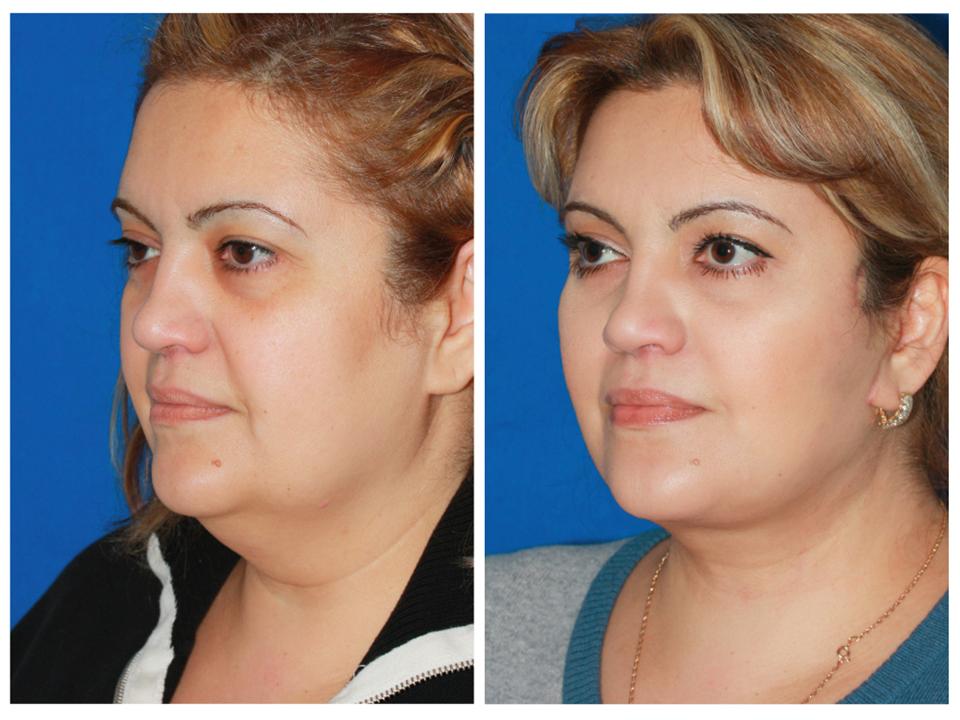
Biodegradable nano scaffolds neck lift utilizes tiny, bio-based mesh to assist in skin tightening and lifting around the neck. These scaffolds biodegrade within the body, so no removal is necessary. They function by providing a lift to new skin layers as they dissipate. Clinics employ them for patients seeking a less-invasive alternative to surgery. This tends to give you smoother, firmer skin with less downtime. Most biodegradable nano scaffolds are made of safe, well-studied materials. The treatment can accommodate numerous skin types and ages. To demonstrate how this technique functions, its advantages, and what to anticipate, the main body will discuss the process, benefits, safety, and what research indicates about this innovative neck lift alternative.
The Scaffold Concept
Biodegradable nano scaffolds are minuscule, mesh-like scaffolds that serve as a template for new tissue growth in neck lift treatments. It’s these scaffolds that are key as they provide temporary support to the treated area as the body recovers. Crafted from biocompatible materials, they degrade on their own. This decreases the requirement for subsequent surgeries to extract them. The overriding objective is to be safe for patients—nothing that could arouse immune responses or long-term adverse effects. Scaffold design is customized to each individual, accounting for their tissues and healing needs.
1. Cellular Interaction
Nano scaffolds assist cells in sticking and spreading so tissue can grow. Their texture and geometry direct cell migration and proliferation.
Scaffold design is important. Pore size, roughness, and surface treatments affect the degree to which cells anchor and proliferate. For instance, a micro-patterned scaffold can accelerate healing by facilitating the attachment and growth of cells. How a scaffold integrates with the body’s own tissues influences its biocompatibility and durability of outcomes. Altering the surface with coatings or chemical groups can improve cell adhesion or facilitate growth of specific cell types, which is essential for uncomplicated healing.
2. Material Science
Scaffolds are frequently made of polymers such as polylactic acid or collagen, both of which are safe and well-researched. The decision on material is based on how quickly it should degrade and how robust it should be. A scaffold for rapid healing could utilize a fast-dissolving polymer whereas longer support requires a slower one.
Material mix influences flexibility and strength. Combining both natural and synthetic components offers greater control over the behavior of the scaffold in vivo. New innovations including employing nanofibers have increased the longevity of the scaffolds and made them more effective for a wider range of patients.
3. Structural Support
Scaffolds provide structure and support tissues during regeneration. The design--thickness, weave, and size--makes a big difference for strength. A quality scaffold allows nutrients and oxygen to flow via micropores, keeping the cells alive and active. By shaping the device to conform to each individual’s neck, the fit is improved and results become smoother.
4. Controlled Degradation
Scaffolds degrade in stages, due to their composition. By scaling the crash speed to the rate of tissue growth, it reduces risk. Managed rupture minimizes edema and allows the body to mend on its own timeline. Slow scaffold loss allows tissue to form a strong foundation.
5. Bioactive Delivery
Scaffolds can discharge drugs or growth factors exactly where they’re required. This accelerates healing by providing the tissue additional support. For instance, certain scaffolds contain tiny pockets that secrete medicinal drugs. Putting these elements in really speeds tissue repair and makes it much smoother.
Fabrication & Properties
Biodegradable nano scaffolds for neck lift procedures require precise planning in fabrication, since the end use calls for both safety and targeted performance. Every stage, from selecting fibers to final testing, strives to build a matrix that resembles native tissue, promotes repair, and degrades on its own.
Manufacturing Methods
Electrospinning, 3D printing, and freeze-drying are typical methods for fabricating nano scaffolds. Electrospinning whirls tiny filaments from a polymer solution to produce porous mats — great as scaffolds for cell development, occasionally lacking in mechanical robustness. 3D printing is notable for its extreme precision, enabling manufacturers to fabricate intricate and bespoke geometries on a layer-by-layer basis, ideal for patient-specific applications. Freeze-drying relies on low temperatures to create spongy, lightweight, highly porous scaffolds, but with less structure control.
METHOD MAKES THE THING. For instance, 3D printing can customize pore size and shape, encouraging cells to develop in patterns like authentic tissue. Electrospinning, while faster and less expensive, is less precise. Recently, novel tech merges these techniques, such as hybrid printing and biofabrication, to generate scaffolds with the best of both strength and flexibility.
Mechanical Strength
A scaffold for a neck lift has to withstand everyday wear and tear while supporting tissue regeneration. High compressive strength and elastic modulus are important so the scaffold maintains form and resists compression. If a scaffold is too stiff, it can damage tissue, too soft and it won’t encourage healing.
Design decisions influence strength. Altering the scaffold’s internal design or blending polymers such as collagen and elastin modifies its mechanical response. Mechanical tests, such as compression and tensile strength tests, evaluate whether scaffolds satisfy requirements for neck tissue.
In-Vitro Behavior
Test Type
Main Outcome
Clinical Relevance
Degradation Rate
Lifespan in tissue
Scaffold persistence
Biocompatibility
Cell health, no toxic effect
Safety for patients
Cell Proliferation
Ability to support new cells
Healing potential
Drug Release
Controlled release of factors
Infection control
In-vitro tests assist in forecasting the longevity of a scaffold and its safety. Biocompatibility tests for adverse reactions with living cells. These preliminary trials are essential prior to human application.
Clinical Application
Biodegradable nano scaffolds are being used in neck lifts as safer, temporary supports that encourage tissue repair. Materials such as PLLA (poly-L-lactic acid), porcine Type I collagen and hyaluronic acid have all experienced increasing use for facial rejuvenation with each having a distinct tissue response and safety profile. Surgeons are central to success – from patient selection to scaffold deployment and follow-up.
Procedural Steps
Patient assessment and pre-op planning to check eligibility.
Marking the treatment area and sterilizing the skin.
Careful insertion of the scaffold using needles or cannulas.
Accurate positioning and leveling of the scaffold.
Monitoring for any immediate complications.
Post-procedure care instructions to support healing.
Positioning the scaffold is vital: too deep or too shallow can cause lumps or poor results. Surgeons rely on imaging and tactile feedback for precision. Needles and cannulas and gentle tissue handling minimize trauma. Surgeon experience counts–an experienced hand can anticipate and correct issues, reduce complications, and enhance outcomes.
Recovery Profile
Swelling and redness for most patients within days, fading in 1-2 weeks. How quickly you recover is based on age, health, and the specific scaffold. Follow-up visits are required to monitor healing and address any side effects, such as nodules, which have been reported in some regions following PLLA application. Tailored recovery rituals, such as soothing massage or rehydration, aid in comfort and gratification.
Patient Selection
Physicians seek out healthy adults, who have reasonable expectations and good skin texture. Education is important—patients should understand what to expect, how long results typically last (e.g., 6–12 months for many fillers) and potential risks. Health issues, allergies and medications are screened to reduce the potential for complications. One-on-one evaluations allow physicians to customize regimens, resulting in more effective and secure results.
Efficacy & Safety
Biodegradable nano scaffolds are emerging in neck lift surgeries for their ability to aid tissue regeneration with minimal long-term foreign material. Their utilization continues to be investigated worldwide for enhanced efficacy and safety, with a few studies now providing a glimpse at efficacy and safety.
Documented Results
Clinical experiments have demonstrated that biodegradable scaffolds could facilitate cell growth and tissue repair. For instance, studies on hyaluronic acid-based and keratin-based scaffolds discovered they facilitate cell binding and growth with excellent biocompatibility. In vivo silk fibroin and elastin-based studies observed robust cell survival and proliferation over time. There are no major safety concerns to report, and it demonstrates significant aesthetic improvements for up to 12 months. Patient satisfaction rates across multiple trials continue to be high, representing both tangible results and low long-term side effects. When compared with traditional neck lifts, scaffold-assisted procedures could provide gentler recovery and less scarring. Longer-term follow-up is necessary to validate these advantages.
Study Material
Efficacy Highlights
Safety Highlights
Follow-up Duration
Porcine collagen filler
Improved aesthetics
No major adverse effects
12 months
Hyaluronic acid-based scaffold
Enabled cell growth
No cell viability issues
Preclinical
Keratin-based materials
Good cell proliferation
Biocompatible
Preclinical
Silk fibroin scaffold
Increased cell numbers
Safe in vivo
Preclinical
Elastin-based scaffold
Supported cell growth
Safe for tissue engineering
Preclinical
Fibrin hydrogel
Supported differentiation
Biocompatible
Preclinical
Potential Complications
Local inflammation or swelling
Infection at the implant site
Delayed scaffold resorption
Allergic reaction to scaffold components
Poor integration with native tissue
Selecting the appropriate patient is the best way to mitigate risk. Screening for allergies, immune disorders or poor healing response keeps us out of trouble. Only experienced hands should inject or place these scaffolds – exacting technique reduces the likelihood of infection or malposition.
Early detection of complications is important. Frequent post-operative visits identify red flags such as redness, pain or swelling before they intensify.
The Bio-Aesthetic Synergy
Biodegradable nano scaffolds for neck lifts unite the bio and the aesthetic. These next-level substances don’t just assist the body’s repair, but it helps fulfill the increasing desire for safer, more natural-looking transformations. Explicit communication of patient objectives and a collaborative approach between specialists fuel the most impressive results.
Beyond Lifting
Scaffolds are not only for lifting sagging skin. They prop up the skin as it recovers–they assist it in maintaining its form as new tissue regenerates. This step reduces the chance of scarring and accelerates healing. For many, the true magic is that scaffolds make skin s
Others experience less wrinkling and tighter skin in treated zones. The soft scaffold both directs cell growth and helps skin retain moisture. Through the years these shifts can make the neck and face appear rejuvenated. Scientists are investigating applications for these scaffolds elsewhere, such as the jawline or cheeks, indicating potential for wider facial treatment.
Skin Quality
Scaffolds enhance skin health by establishing a ‘niche’ for fresh cells to form. As the scaffolding dissolves, it encourages the production of new collagen — essential for resilient, vibrant skin. This assists in firmness and tone.
Patients love sharing anecdotes of silkier skin post-treatment. These personal reports match what doctors see: better skin texture and fewer fine lines. Long-term, the slow release of scaffold material helps keep skin looking healthy past those initial months.
Longevity
Scaffold-assisted neck lifts can last one to two years, sometimes longer. How long the effects endure depends on factors such as age, skin care routines, and sun exposure.
Staying active, eating well, and not smoking will help you keep the new look for longer. New scaffold designs and improved materials continue to emerge, rendering results increasingly reproducible.
Future Outlook
Biodegradable nano scaffolds for neck lift: Forging a new trail in tissue engineering For 20 years, incremental advances in this space have brought us closer to regenerating tissues, rather than merely substituting them. The science is transitioning from concept to practical application, featuring novel materials and intelligent designs that conform to the body’s requirements.
One sector is the progress in nanofabrication. Constructing scaffolds at the nano scale allows enhanced control of cell growth and healing. This can assist the scaffold to mimic the native tissue in both form and mechanical strength. For instance, doping synthetic hydroxyapatite with bioactive molecules such as strontium ions can stimulate the metabolic activity of bone cells. This can assist cells to develop, connect and form tissue. Another shift is the adoption of hybrid scaffolds, which combine components such as hyaluronic acid and collagen. They’re being tested for assistance in bone and joint repair, such as in osteoarthritis. It paints a picture of future scaffolds that are robust yet biocompatible, assisting tissues to recover while minimizing trauma.
Stem cell’s role is expanding. IPSCs from dental pulps now provide this fresh cell source. When implanted alongside macroporous bioceramics, these cells have aided repair of long-bone defects, with positive outcomes observed as long as 6 to 7 years later. In neck lifts, that can translate into improved results, quicker recovery, and tissue that appears and feels more natural. For certain materials such as β-TCP, it can take more than a year to be completely substituted by the body’s own bone.
Personalized medicine is going to influence how these scaffolds are used. Every patient’s tissue, age, and healing speed varies. Future scaffolds might be constructed to fit the individual, in both size and in how they interface with the body. This may result in improved outcomes, decreased complications and accelerated recuperation.
Continued study will be crucial. As new materials, designs and stem cell sources are tested, patient safety and outcomes will continue to improve.
Conclusion
Biodegradable nano scaffolds neck lift is a new avenue for neck lift care. They employ smart scaffolding and biodegradable nanoparticles to help skin retain form and stimulate growth. Doctors now experiment these in real cases. Early indications are promising. Scaffolds biodegrade, so they align with the natural rhythms of skin. Actual experiments demonstrate impressive efficacy and limited danger. A lot of people want alternatives to outdated techniques. This new method could suit those desires. Additional research will aid in clarifying long-term impacts. Science is fast. Folks have improved data to select what resonates. For new skin tech and tips, check here often.
Frequently Asked Questions
What are biodegradable nano scaffolds for neck lift?
They dissolve, leaving natural, rejuvenated skin.
How are nano scaffolds fabricated for neck lifts?
Nano scaffolds are created with methods like electrospinning or 3D printing. These techniques enable fine control of scaffold dimensions and materials.
Are biodegradable nano scaffolds safe for clinical use?
Yes, the majority of biodegradable nano scaffolds are composed of biocompatible materials and are safety tested. Biodegradable nano scaffolds neck lift, to be exact) that limit side effects and biodegrade after promoting new tissue growth.
What are the benefits of using biodegradable nano scaffolds in neck lifts?
With targeted support, natural tissue healing, and a reduced risk of long term complications. Their biodegradable nature means no surgical removal is necessary.
How effective are nano scaffold neck lifts compared to traditional methods?
Research reveals that nano scaffolds could help tighten skin and deliver a more youthful appearance with a shorter downtime period. They promote natural tissue regeneration, providing a non-surgical lift alternative.
Is the procedure suitable for all skin types and ages?
Most mild to moderate neck saggers may benefit. A doctor should evaluate personal candidacy by skin type, age and medical history.
What is the future outlook for biodegradable nano scaffold neck lifts?
There are studies trying to make better scaffold materials and methods. The future may hold even safer and more effective personalized neck rejuvenation treatments.