Here you can find the latest news and surgical articles.
1 October 2026
Preventing Blood Clots After a BBL: Risks, Assessment, and Safety Steps
Key Takeaways
Blood clots, which can cause deep vein thrombosis, pulmonary embolism, and fat embolism (all serious complications after BBL surgery), should be evaluated for risk before you proceed and documented.
Employ standardized risk tools such as the Caprini score and a structured health profile to navigate individualized prevention plans and document findings in the medical record.
Adhere to surgical safety precautions such as selecting an experienced surgeon, utilizing ultrasound-guided subcutaneous injections, minimizing operative time, and having an accredited facility prepared to mitigate the risk of embolism.
Mix and match prevention such as early ambulation, compression devices, adequate anticoagulant therapy, safe travel advice, and hydration habits based on patient risk.
Vigilantly watch patients for any symptoms or signs that could represent limb swelling, pain or redness, sudden chest pain, shortness of breath, or unexplained neurological changes and immediately seek care if these arise.
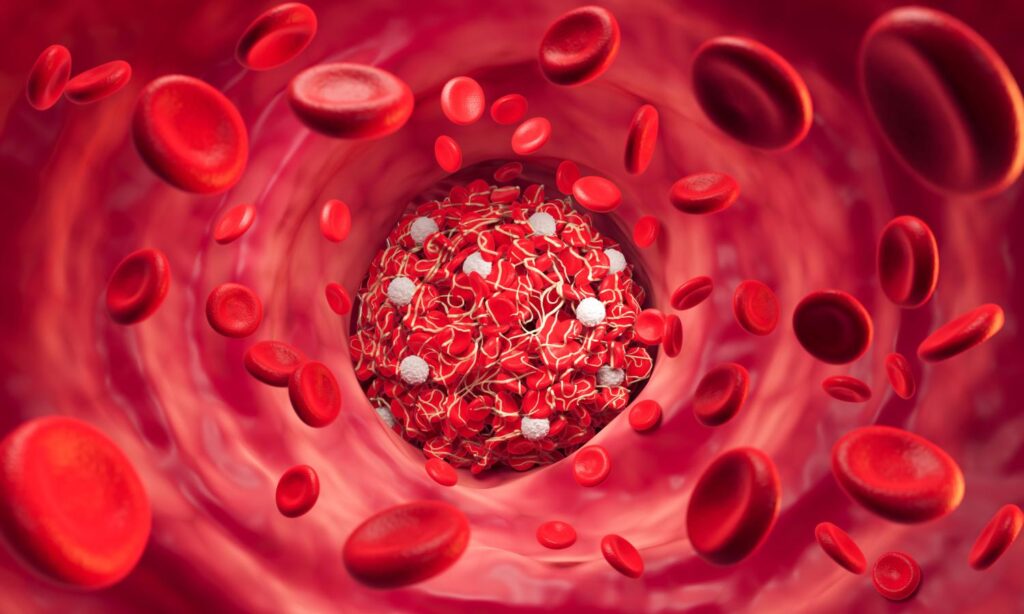
BBL blood clot prevention refers to steps taken to reduce the risk of venous thromboembolism after Brazilian Butt Lift surgery.
The best BBL blood clot prevention is a combination of patient screening, early post-op mobilization, compression garments and appropriately risk-based anti-coagulation.
Surgeons evaluate patient medical history, body mass index (BMI) and procedure specifics to inform decisions. Transparent guidelines reduce complication rates and facilitate healing.
Below we detail screening tools, safe surgical practices and post-op care options.
Clot Risks
Blood clots account for one of the most common causes of serious complications and death subsequent to BBL surgery. The risk is greatest in the first two to six weeks following surgery but can continue for longer depending on mobility and individual factors. Targeted risks in BBL are DVT, PE, and fat embolism. All have unique causes, symptoms, and prevention measures.
Deep Thrombosis
Deep vein thrombosis involves clots forming in the deep veins, most often in the legs, after surgery. Prolonged immobility during or after BBL slows venous return and raises DVT risk. Confinement to bed or limited movement is a major driver.
A DVT in the leg typically causes swelling in one leg, a cramping pain like a persistent charley horse, local warmth, and reddish or bluish skin changes, all of which require prompt evaluation. Left untreated, DVT can break free and travel to the lungs, causing pulmonary embolism, so early detection and treatment are essential.
Patient factors that heighten DVT risk include prior blood clots, inherited clotting disorders, obesity, age 55 or older, hormonal medications, recent pregnancy, active cancer treatment, and chronic conditions like diabetes or heart disease.
Pulmonary Embolism
A pulmonary embolism is a clot that travels to the lung's blood vessels, usually from a DVT in the leg. PE is life-threatening and can ensue after DVT post BBL if clots flow into the lung circulation. Signs to watch for include sudden shortness of breath, stabbing chest pain that intensifies with deep breaths, accelerated heart rate, dizziness, and coughing of blood.
Any such post-operative symptom requires urgent care. Swift diagnosis, usually with imaging such as CT pulmonary angiography, and treatment with anticoagulants or clot-busting procedures significantly decrease mortality. Even missing one dose of prescribed blood thinner can raise the risk that your DVT will progress to PE.
Fat Embolism
Fat embolism is a risk where fat enters the bloodstream during fat grafting or injection and blocks vessels, including in the lungs. Fat emboli can result in pulmonary fat embolism with serious respiratory distress, hypoxemia, and encephalopathy.
Risks increase with bad injection practices, such as deep injections around large gluteal veins or high-pressure techniques that literally push the fat into blood vessels. Safe grafting, including superficial plane injections, meticulous cannula control, limiting volume per pass, and surgeon experience, minimizes the risk of fat entering veins.
Procedural factors, including long operative times, multiple large-volume harvests, and combined procedures, increase embolic risk.
Risk Assessment
A careful risk assessment is essential before any Brazilian butt lift (BBL). This step identifies personal, surgical, and procedure-related factors that raise the chance of venous thromboembolism (VTE), pulmonary embolism (PE), and pulmonary fat embolism (PFE).
It guides choices about anesthesia, surgical technique, imaging, and postoperative prevention so care is tailored to the individual.
Caprini Score
Caprini Parameter
Points
Age 41–60 years
1
Age 61–74 years
2
Age ≥75 years
3
BMI >25 kg/m²
1
Minor surgery <45 minutes
1
Major surgery >45 minutes
2
Immobilization ≥72 hours
1
Previous DVT/PE
3
Family history of VTE
3
Active cancer
2
Hormone therapy or oral contraceptives
1
Varicose veins
1
Sepsis (recent)
1
Surgeons should determine the Caprini score prior to surgery to select mechanical and chemical prophylaxis. A higher Caprini score signals increased risk and justifies more aggressive prevention, including longer anticoagulation, use of intermittent pneumatic compression, or delaying elective surgery.
Capture the Caprini score in the chart and note why you selected your prophylaxis so the team can review it during care and follow-up.
Health Profile
Evaluate general wellness with targeted history and physical. Weight, smoking, hormone use, and a history of clotting events directly impact VTE risk and impact anesthesia and mobility strategies.
Smoking cessation and weight management should be recommended well in advance of surgery when possible.
Screen for comorbidities that raise clot risk: active cancer, heart disease, recent major trauma, or limited mobility. Remember that general anesthesia increases the risk for PE and PFE relative to IV sedation, so tumescent solution with IV sedation is associated with fewer complications.
Technique matters: power injection and injecting large volumes quickly raise PFE risk. Inject small fat deposits per pass to reduce intravascular fat entry.
Check medications and supplements for interactions with anticoagulants or clotting. Hormones and certain herbs can change coagulation and need temporary cessation. Get baseline labs as indicated.
Add imaging when appropriate. Baseline venous Doppler ultrasound can discover preexisting DVT and detect high-risk patients. Schedule follow-up ultrasounds postoperatively if suspicion is present because DVT and PE can present days to weeks later and be silent.
Create a checklist of risk factors to guide prevention plans: Caprini score, age, BMI, smoking, hormone use, cancer, prior DVT/PE, recent surgery, planned anesthesia type, planned injection technique (avoid power injection or large boluses), and availability of Doppler imaging.
Let this list inform personalized strategies that weigh caution with anticipated benefits.
Surgical Safety
Surgical safety in BBL is about reducing blood clot and embolism risk using protocols, patient selection, and intraoperative controls. Preoperative risk stratification, facility accreditation, surgeon credentials, anesthesia planning, and an operative checklist constitute the core of safety.
Evaluate risk with tools like the Caprini Score, which leverages about 20 factors, including age, BMI, smoking status, prior clots, immobilization, and others to pinpoint patients that might require heightened precautions or anticoagulation.
Ultrasound Guidance
Use real-time ultrasound to map anatomy and guide every fat placement. This minimizes the risk of cannula penetration into deep vessels or muscle where fat emboli arise.
Make sure the cannula tip is in the subcutaneous plane before injecting and watch the tissue separate on the screen instead of feeling your way. Document ultrasound in the operative notes and keep important images for quality assurance and audit.
Train the whole team — surgeon, assistant, scrub nurse — in ultrasound-guided fat grafting so each injection adheres to the same safety protocols. Documentation and team skill minimize variability and make complications easier to track.
Fluid Management
Track fluid balance closely from induction through recovery to limit clot risk from dehydration or fluid overload. Use tumescent analgesia to provide local vasoconstriction and reduce bleeding while giving controlled IV fluids to keep perfusion steady.
Adjust rates for body size, estimated blood loss, and how long the case runs. Note total inputs and outputs on the chart. Early shifts in urine, blood pressure, or heart rate can signal trouble.
Proper fluid handling supports coagulation homeostasis and speeds recovery.
Operative Time
Shorter operating times reduce risks like venous stasis and thrombus formation which are time-dependent. Schedule realistic case times and divide difficult work into staged cases as required to minimize anesthesia time, especially in nonagenarians and other patients with a BMI greater than 25.
Follow total anesthesia time and immobility. Typical time allocations:
Procedure type
Typical duration (hours)
Recommendation
Standard BBL
2–4
Single session if patient low risk
Complex combined cases
4–6+
Stage procedures; consider anesthesia breaks
Revision or high-volume grafting
3–5
Pre-plan hemodynamic support
Choose an accredited facility with emergency equipment and protocols in place. The non-accredited site is a danger zone.
Select a board-certified plastic surgeon who has performed safe fat grafting and adheres to a surgical checklist spanning anesthesia, injection technique, and intraoperative monitoring.
Preventive Strategies
Preventive strategies minimize the chances of VTE post-bbl. Best-practice prophylaxis can reduce the incidence of VTE by almost 70 percent. This approach, which blends mechanical, pharmacological, and behavioral measures, should be customized to the patient’s risk profile with defined checklists for preoperative, inpatient, and home use.
1. Early Ambulation
Get patients up and walking the same or next day following surgery when clinically safe. Getting up to walk early activates your calf muscle pump and keeps the blood flowing, which reduces your risk of clots.
Plan short walks every few hours while you’re awake. Even a couple minutes count! Give text instructions on how much walking is safe, how to get up from lying down without stressing the surgical site, and when to just stop and call.
Document ambulation in the chart for the first 24 to 48 hours and post-discharge to monitor compliance.
2. Compression Devices
Use graduated compression stockings or intermittent pneumatic compression during the perioperative period to enhance venous return from the legs. Select stocking size and compression class appropriate to the patient’s limb measurements and clinical risk.
A poorly fitting stocking diminishes its advantage. Pneumatic devices can be used intra and postoperatively when patients are immobile.
Educate patients and caregivers regarding how long to wear stockings, typically about one week post BBL surgery, and check skin for redness, blisters, or numbness. Check legs daily and chart any pressure injury.
3. Anticoagulant Therapy
Apply anticoagulants in high-risk patients, as determined by validated tools. Common options include low molecular weight heparin, such as enoxaparin or Lovenox, started pre- or post-op based on bleeding risk.
Adjust the dose for weight and renal function and schedule duration in line with procedural risk. Higher risk surgeries typically demand routine prophylaxis.
Watch for bleeding, easy bruising, or changes in stool or urine. Provide explicit dosing schedules and written timing directions so patients take medicines correctly post discharge.
4. Safe Travel
Recommend avoiding long flights or road trips immediately following BBL if possible, as extended sitting increases clot risk. If travel is unavoidable, advise getting up every 30 to 60 minutes to walk, doing calf pumps, hydrating, and wearing compression stockings.
Incorporate travel timing limits and practical advice into discharge paperwork so patients can look back at them. Remind patients to schedule breaks on extended drives.
5. Hydration Habits
Stay well hydrated pre and post surgery to help blood volume and flow. Advise routine hydration, avoid excess caffeine and alcohol, and track fluids in the perioperative period.
For patients with desk jobs or excess weight, supplement hydration with an aggressive routine of frequent walking and leg exercise. Shedding a few pounds can reduce blood pressure and stimulate circulation.
Add hydration checklists to post-op care notes to reinforce compliance.
Warning Signs
Postoperative monitoring is essential after a Brazilian butt lift as early detection of clot-based symptoms can avoid fatal complications. Here’s a clear guide on what to watch for, how to distinguish normal rebound from danger, and what to do if signs show up.
Leg swelling, particularly if one leg is more swollen than the other and persists through the day.
Persistent leg pain or tenderness that resembles a cramp or charley horse and does not get better with rest or elevation.
Skin redness, bluish or reddish discoloration over the affected area.
Warmth in the swollen or painful area compared to the opposite limb.
Prominent surface veins in the swollen limb.
Sudden shortness of breath unrelated to activity or greater than expected after surgery.
Sharp chest pain that increases with deep breaths.
Fast or irregular heartbeat, palpitations, or a sense of racing heart.
Coughing that produces bloody mucus.
Dizziness, lightheadedness, fainting spells, or sudden confusion.
Consult an emergency room if any of the above develop after BBL surgery. For breathing problems, chest pain, coughing up blood, fainting, severe dizziness or confusion, call 911 or get to the nearest emergency room immediately. These could signal a pulmonary embolism, which can be fatal.
Normal post-op discomfort following BBL may consist of generalized swelling and bruising, mild to moderate pain in liposuction or grafted sites, and temporary numbness. Warning signs of clots vary by location and quality. A leg DVT typically manifests as unilateral swelling, local warmth, persistent cramping pain that feels like a pulled muscle and doesn’t settle with rest, and visible color change.
Warning signs of a pulmonary clot cause sudden respiratory symptoms and chest pain that changes with breathing. If the pain is stabbing, worsening, or accompanied by respiratory distress, consider it an emergency.
Provide a written list of warning signs to keep during recovery: copy the bullet list above onto paper or a phone note and place it with your discharge papers. Shoot this list over to a parent or family member who is going to be around you for those first two weeks.
Have your surgeon’s contact information, your local emergency number, and the nearest emergency department address. If you experience lingering leg swelling, pain, or skin changes concerning for DVT, reach out to your surgeon or primary physician immediately.
Other symptoms can resemble a pulled muscle but persist longer and defy easy remedies such as elevation or icing. Early detection is lifesaving.
Clinical Perspectives
Clinical Perspectives Recent expert opinion and systematic review on blood clot prevention for BBL centers around VTE risk reduction via patient selection, stratification and prophylaxis. Review indicates that VTE continues to be a significant contributor to serious morbidity following cosmetic body-contouring.
Pulmonary embolism (PE) is 30 to 60 percent fatal if untreated, and deep vein thrombosis (DVT) results in chronic complications in 30 to 60 percent of patients, such as post-thrombotic syndrome (PTS). PTS results from valve damage in the vein and leads to pain, swelling, skin change and ulcers. Systematic analyses find that with best-practice prophylaxis, VTE incidence can drop by approximately 70 percent, but audits show that just 32 to 59 percent of patients receive appropriate prophylaxis, suggesting a continuing gap between guidelines and practice.
Progress in surgical technique and technology have reduced clot-related complications by restricting intramuscular and deep-plane fat injections and by enhancing visualization and control during fat grafting. Approaches that focus on subcutaneous-only injection, small-volume deposit per pass and constant needle or cannula movement reduce the risk of vascular trauma.
On the mechanical side, advances such as ultrasound guidance for needle placement, improved cannula designs and intraoperative monitoring assist surgeons in avoiding intravascular injection and minimizing trauma. Examples include using ultrasound to confirm subcutaneous placement before each series of passes, switching to blunt-tip cannulas sizes shown in studies to have lower vessel penetration rates and staging procedures to limit operative time and fluid shifts, which reduces clot risk.
Continued education and training lie at the heart of enhancing BBL results. Structured hands-on courses, simulation labs, and proctorship programs train safe injection planes, vascular anatomy recognition, and crisis management for suspected embolic events.
Caprini Score — Developed in 1991, this score helps stratify individual VTE risk preoperatively, and integrating the score into electronic records prompts consistent prophylaxis orders. Teaching should address pharmacologic options, timing of anticoagulants, and mechanical measures such as intermittent pneumatic compression and early ambulation.
Nothing like case-based learning with a couple of late DVT and PTS examples to drive home those long-term outcomes. Clinicians should be aware that approximately one-third to one-half of DVT patients suffer from PTS and that around thirty percent experience recurrence.
Adopting evidence-based practices across the plastic surgery community requires standard protocols, audit cycles, and transparent reporting. Protocols should define preoperative risk assessment, intraoperative technique limits, postoperative mobilization, and prophylaxis regimens.
Regular audit of prophylaxis rates addresses the current shortfall where appropriate measures are not consistently ordered. Shared registries and multicenter studies will help refine recommendations and keep practices aligned with data.
Conclusion
After a BBL, take obvious actions to reduce the threat of blood clots. Take short walks soon after surgery. Use compression stockings and follow the surgeon’s plan for medications and tests. Monitor breathing, leg pain, swelling, and chest changes. Care fast for any warning sign.
Surgeons estimate risk by age, weight, birth control and previous clots. They rely on scans and bloodwork when necessary. Most patients fare best with a regimen that combines early ambulation, anticoagulants, and vigilant monitoring. One example is a patient who walked every two hours and wore compression at home and healed without clot issues.
Get educated, inquire about specifics, and schedule follow-up appointments. Discuss your individual risk and next steps with your care team.
Frequently Asked Questions
What are the main blood clot risks after a BBL?
Blood clots can occur in deep veins (DVT) and break off, traveling to the lungs (PE). Risks increase with immobility, prolonged surgery, high BMI, smoking, and some medical conditions.
How is clot risk assessed before a BBL?
Surgeons check medical history, medications, previous clots, family history, BMI and mobility. They could request blood tests or imaging to detect clotting disorders.
What surgical safety steps reduce clot risk during BBL?
Surgeons minimize surgical time, utilize careful positioning, and implement compression devices. They use scientifically proven protocols and organize early mobilization to reduce the risk of clots.
What preventive strategies can patients do before and after surgery?
Quit smoking and specific medications as directed. Get moving soon after surgery, adhere to compression garment instructions, hydrate, follow all post-op directions, and follow-up visits to monitor healing.
When should I seek immediate help for a suspected clot?
If you experience sudden shortness of breath, chest pain, lightheadedness, or swelling and severe pain in a leg, seek urgent care. These can indicate a potentially fatal pulmonary embolism or DVT.
Can medications prevent clots after a BBL?
Yes. Based on risk, surgeons might prescribe anticoagulants, which are blood thinners. Bbl blood clot prevention
How do clinicians monitor for clots after a BBL?
Clinicians rely on symptom screening, physical exams and, if necessary, ultrasound or CT scans. Early detection permits immediate treatment and minimizes severe complications.