Here you can find the latest news and surgical articles.
6 November 2026
Blood Tests and Lab Work Before Liposuction Surgery
Key Takeaways
Pre-Op Blood Tests for Lipo Safety – Blood tests before liposuction can help the surgical team detect conditions that might make anesthesia or healing more difficult. Take actionable steps: schedule a comprehensive panel early and share full medical history and medications with your surgeon.
Routine tests are complete blood count, coagulation profile, metabolic panel and viral serology which help to establish baseline health and guide anesthesia and technique decisions. Actionable step: confirm which tests your clinic requires and get them done within the recommended timeframe before surgery.
Abnormal findings like low hemoglobin, clotting abnormalities, kidney or liver impairment, or positive viral markers frequently need to be treated or delayed to minimize the risk of complications. Actionable step: Work with your provider to correct reversible issues and obtain medical clearance before proceeding.
Women of childbearing potential need to have a pregnancy screen as an undetected pregnancy adds risk from anesthesia and surgery. Actionable step: take a pregnancy test as directed and notify your team immediately of any positive result.
Personal risk factors such as chronic illness, BMI extremes, and advanced age affect test interpretation and may lead to additional labs or customized perioperative plans. Actionable step: Discuss chronic conditions and recent weight changes so the surgical plan and timing can be adjusted accordingly.
Timing is important. Do your bloodwork as close to your operation date as possible so that the results reflect your current health and leave room for interventions if necessary. Actionable step: coordinate testing dates with your clinic to permit any necessary follow-up or treatment before the procedure.
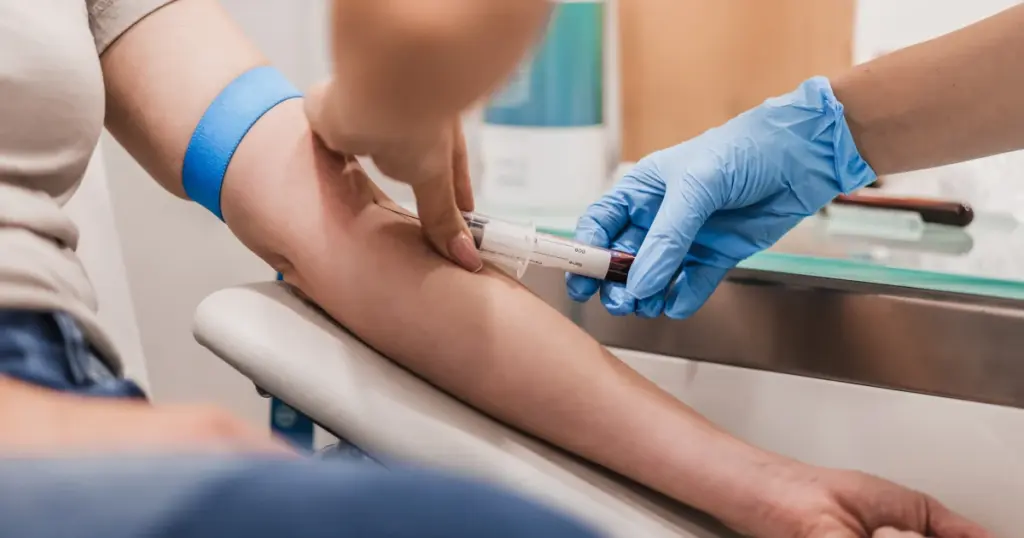
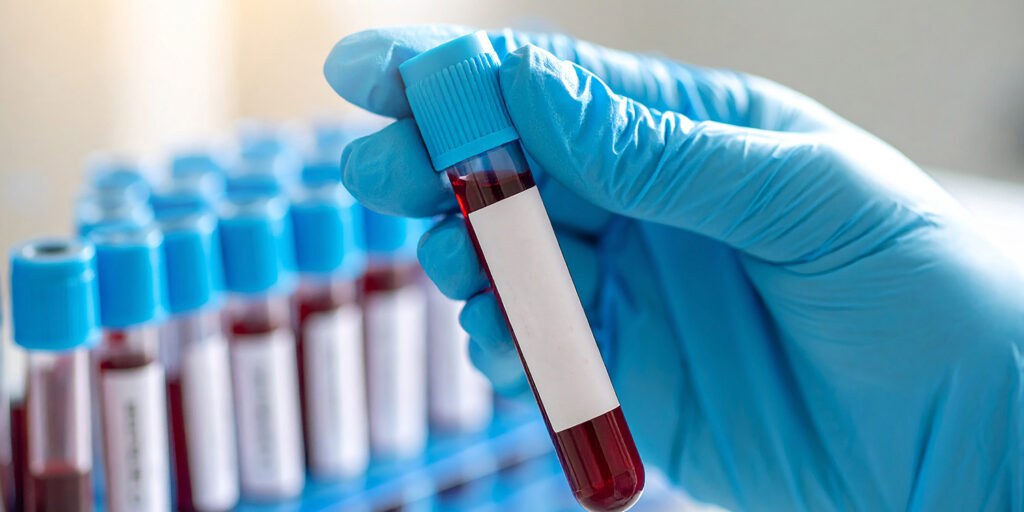
Blood tests before liposuction are preoperative medical examinations conducted to evaluate your overall health and minimize any risk during surgery. These usually consist of a full blood count, coagulation profile, liver and kidney function, and blood sugar. These results help guide your anesthesia and fluid management and reduce your risk of bleeding. Patients with abnormal results may require treatment or additional workup prior to surgery. The following paragraphs describe each test, typical normal ranges, and how their results impact surgical planning.
Surgical Safety
Preoperative bloodwork is a staple of surgical clearance that helps reduce risk during liposuction. It reveals to the surgical team if there are occult issues that could complicate anesthesia, bleeding, or healing. These typically consist of a CBC to examine hemoglobin and platelets, a basic metabolic panel to evaluate electrolytes and kidney function, and coagulation studies like PT and aPTT. These findings inform the timing of surgery, the necessity for additional workup, or modifications to the plan.
Patients over 40 typically require additional screening, such as an EKG or chest x-ray, since age increases the risk of cardiac or pulmonary problems. If the EKG looks off, the team might request cardiology clearance. If chest x-rays indicate an issue, addressing that up front reduces anesthetic breathing complications. These steps are part of a larger risk-screening approach related to bloodwork findings and medical history.
Normal blood counts and clotting function are very important to minimize the risk of bleeding and poor wound healing. Low hemoglobin can lead to an increased risk of transfusion or postponing elective surgery. Low platelets or abnormal coagulation tests indicate a higher bleeding risk and are generally indications to alter medication, undergo additional testing, or delay. Patients on blood thinners or frequent nonsteroidal anti-inflammatory drugs need to consult with their doctor about discontinuing these medications in advance of surgery to allow clotting to normalize.
Comprehensive laboratory examinations assist in creating a personalized surgical strategy. Results impact fluid management, anesthesia decisions, and if local, regional, or general anesthesia is safest. If the kidney tests are off, they may back away from medications that rely on renal clearance. If blood sugar is poorly controlled, it’s best to get your glycemic control optimized first. That will bring down the risk of infection and poor healing.
Hands-on planning minimizes issues and helps recuperation. Smoking and nicotine must cease at least four weeks before and after surgery to optimize blood flow and healing. Weight should be stable for three to six months to assist in predicting final contour and reduce complication rates. Patients should hydrate well, around eight to ten glasses (approximately two to two and a half liters) a day, and organize transport and support at home, as they may be unfit to drive or completely care for themselves for hours or days. A defined recovery plan reduces stress and streamlines follow-up care.
Essential Screenings
Important blood screenings provide a foundational image of wellness prior to liposuction and aid the surgical team in selecting technique, anesthesia, and perioperative care. These screenings uncover latent issues that might alter timing or technique. For many patients, particularly those over 40, the lab work is accompanied by an EKG and occasionally a chest x-ray. Patients over 50 typically require a full physical and medical clearance. Most lab results are good for approximately 30 days pre-operatively.
1. Complete Blood Count
About: Essential Screenings The CBC measures red and white blood cells, hemoglobin, hematocrit and platelets. Low hemoglobin or hematocrit indicates anemia and can result in treatment or delay of the procedure to decrease operative risk. Elevated WBC shows active infection or inflammation, and surgery is often delayed until this is treated. Platelet count is important since low platelets increase the risk of bleeding during liposuction, and very high counts may indicate other problems that require evaluation.
2. Coagulation Profile
Coagulation profile checks for blood clotting, including PT and aPTT. Abnormal clotting times indicate heightened risk for bleeding or postoperative hematoma and can alter the surgical plan. Anticoagulants or NSAIDs need careful review; these medications are commonly discontinued or modified well in advance of surgery. If you have an inherited clotting disorder, you require close monitoring and sometimes specialist input to permit a safe procedure.
3. Metabolic Panel
The metabolic panel monitors kidney and liver function, blood glucose and electrolytes. Liver or kidney tests that are abnormal can make anesthesia drug selections more difficult and delay wound healing, so they must be treated before liposuction. Blood sugar control is essential in diabetic patients, as big swings increase infection risk and hinder recovery. Electrolyte levels and hydration status inform fluid management during fat aspiration and help avoid intraoperative instability.
4. Viral Serology
Viral serology including hepatitis B, C, and HIV. Positive findings alter infection control practice and potentially induce additional testing to safeguard patients and staff. Clinics have screens to make sure wounds are taken care of properly and to protect against transmission risk, screens we take for granted in cosmetic surgery clinics.
5. Pregnancy Screen
Pregnancy testing is required for women of childbearing age prior to elective surgery. Risks of unrecognized pregnancy include fetal exposure to anesthesia and surgical stress. A positive screen delays the procedure. It’s just a standard screening these days at most clinics and it is part of a larger pre-op medication and history review.
Risk Factors
Preoperative blood work paints a more defined picture of medical risk and helps determine if liposuction is safe or needs to be modified. One’s own health and medication history drives how labs are interpreted and how surgeons proceed. These are the risk factors that most commonly alter blood test interpretation and surgical planning.
Chronic Illness
Diabetes, high blood pressure, and heart disease frequently skew bloodwork and increase surgery risk. Not so well-controlled diabetes manifests itself in increased glucose and HbA1c. It impedes wound healing and increases infection risk. Hypertension or heart disease might cause abnormal electrolyte or kidney markers and alter anesthesia plans. Patients over 40 typically receive an EKG or chest x-ray to check heart and lung status. Thyroid disorders impact metabolic panels and can require dose adjustments pre-op. Inherited blood disorders like hemophilia or inherited thrombocytopenia intrinsically put patients at higher risk of bleeding. Hence, clotting studies and hematology consults may be necessary. People on blood thinners, including warfarin, direct oral anticoagulants, or regular NSAID use, may require discontinuation or modification of treatment under supervision. Patients with persistent or multiple chronic conditions generally require additional evaluations, closer perioperative monitoring, and formal medical clearance.
Body Mass Index
Risk and lab results are impacted by both high and low BMI. A high BMI is frequently associated with abnormal glucose, liver enzymes, and kidney markers, which can influence anesthesia selection and postoperative management. Fast recent weight loss or very high or very low BMI can cause metabolic derangements, hypoproteinemia, or vitamin deficiencies that slow healing. Low BMI can be worrisome from the standpoint of nutritional reserves and decreased tolerance to fluid shifts during liposuction. Big weight swings pre-surgery change expected outcomes and healing. Patients close to ideal body weight, about 9 to 14 kg (20 to 30 pounds) of their goal weight, and with good skin elasticity tend to have more satisfactory contouring and fewer issues. A simplified table of BMI ranges with surgical comments goes a long way in informing candidacy and should be part of patient counseling.
Advanced Age
Older adults more frequently have medical concerns on screening labs. Age makes you more likely to have anemia or lower oxygen-carrying capacity or an abnormal clotting panel, which can influence the risk of bleeding and recovery. Patients over 40 typically get additional work-ups such as EKGs or chest x-rays to screen cardiac and pulmonary reserve prior to elective liposuction. Older age might demand more specialized labs, frailty screening, and thorough evaluation of organ function to be certain tissue can be safely manipulated and anesthesia tolerated. Prudent evaluation of organ function and overall fitness to withstand surgery is necessary to help reduce complications and improve outcomes.
Strategic Timing
Pre-op blood tests should be timed such that the results represent the patient’s current health. Most centers will accept clearance up to 30 days old, but best practice is to test within a few days to one week prior to liposuction. Testing this close to the procedure provides an accurate snapshot of hemoglobin, hematocrit, electrolytes, glucose control, and coagulation status. For patients over 40, include an EKG or chest x-ray when appropriate, and time those within the same 30-day window to keep all your clearances in sync.
Unexpected findings alter the strategy. If tests reveal low hemoglobin, abnormal clotting, uncontrolled glucose, or thyroid imbalance, surgeons will frequently delay the procedure for additional workup and treatment. Use a clear triage: green light for normal values, yellow for borderline results that need follow-up or short delay, and red for unsafe values requiring treatment. For instance, mild anemia might initiate iron and a two to four week delay, while severely low counts or high INR usually entail postponing until corrected.
Timing allows for medication changes and hydration advice. Specific drugs, such as blood thinners and NSAIDs, generally have to be discontinued at least 1 week prior to surgery to decrease bleeding risk. If blood tests show an issue, meds can be adjusted and rechecked prior to the procedure. Hydration status can skew labs and recovery. If electrolytes are off, clinicians can recommend hydration adjustments and retest within days. For chronic conditions such as diabetes, high blood pressure, or thyroid disease, timing allows primary care or specialists to optimize control in advance of surgery.
Let’s not forget that the testing window impacts planning for surgery date and recovery. If tests are conducted early and still hold, the team can finalize scheduling, coordinate anesthesia clearance, and organize ancillary postoperative support, requiring a driver to bring the patient home and stay the first night. When results are borderline or abnormal, allow time for further tests, specialist feedback, and necessary treatment to get values into a safe range. Other patients will need additional time to get their underlying health squared away.
Practical steps: Schedule blood work about 3 to 7 days before the planned procedure. Include EKG or chest x-ray if over 40. Disclose all medications including supplements. Arrange for rechecks if results are abnormal. Plan to pause and reassess, not push the activity, if outcomes suggest prudence.
Abnormal Findings
Abnormal liposuction lab results can alter or halt surgery until resolved. Such findings can be low blood counts, abnormal clotting tests, elevated infection markers, poor protein status, electrolyte or kidney problems, uncontrolled glucose, or abnormal cardiac studies. Each of those findings identifies a particular risk that the surgical team needs to mitigate in order to keep the patient safe.
Low albumin less than 35 g/L indicates poor protein stores and is concerning for wound healing and fluid balance post-surgery. If albumin is low, clinicians search for malnutrition, liver disease, or chronic inflammation and might postpone elective liposuction until nutrition improves. Practical measures include nutritional support, brief protein supplement courses, or referral to a nutritionist if there is weight loss or medical illness.
Abnormal clotting tests like prolonged PT or aPTT, or a known bleeding disorder such as hemophilia or inherited thrombocytopenia, increase bleeding risk in and after the procedure. Surgery can be delayed and clotting abnormality addressed with vitamin K, plasma, clotting factor replacement, or platelet support when appropriate. For inherited diseases, collaboration with a hematologist is routine and anticipatory transfusion protocols may be utilized for higher-volume interventions.
Abnormal findings Electrolyte imbalances and reduced kidney function impact drug dosing, fluid management, and recovery. Low sodium, abnormal potassium, or elevated creatinine can precipitate cardiac or neurologic issues under anesthesia. These need workup, sometimes repeat testing, medication changes, or temporary postponement until values normalize. Patients on diuretics or with CKD require individualized perioperative strategies.
Uncontrolled glucose or elevated hemoglobin A1c correlates with infection risk and poor healing. For minor procedures in well-controlled diabetes, surgery may be performed with strict control of glucose. High-risk cases or big volume liposuction generally require tighter optimization and potential endocrinology involvement. Low-grade inflammation or positive infection markers indicate active infection. Eliminating the source, such as skin, dental, or systemic issues, decreases post-op complications.
Abnormal EKG or chest x-ray in patients over 40 could indicate heart or lung disease needing additional work-up. New ischemic changes, arrhythmia or cardiomegaly trigger cardiology review and may result in imaging, stress testing or adjustment of cardiac meds prior to clearance. This is important as anesthesia and fluid shifts can unmask underlying cardiac issues.
Abnormal findings that persist despite correction may indicate underlying disease that can make elective liposuction unsafe. Treating these findings safeguards patients against bleeding, infection, poor healing, organ stress, and cardiac events.
Clinical Insights
Detailed bloodwork and preop screening are at the heart of safe liposuction and dependable results. Routine labs frequently comprise a CBC to evaluate hemoglobin and platelets, a basic metabolic panel to examine electrolytes and renal function, and coagulation profiles like PT/INR and aPTT to identify bleeding tendencies. Pregnancy testing for those of childbearing potential and blood type with antibody screen are standard. Specific tests are added when history or exam points to issues: liver panels for alcohol use or medication metabolism, fasting glucose or HbA1c for suspected diabetes, and cardiac markers or ECG referral for older patients or those with heart disease. These labs provide a baseline and assist in fluid management and anticipated blood loss planning, especially when removal nears higher volumes.
In this balancing act between standard panels and customized testing lies the evaluation. Smoking status, medications, and supplements change lab needs and perioperative instructions. Patients must discontinue blood thinners and many NSAIDs in advance to reduce bleeding risk. Supplements such as fish oil or vitamin E may be held. If planned aspirate approaches the typical safety limit of approximately 5,000 mL, teams frequently initiate crossmatch and type-specific blood availability. Preop screening identifies clotting risks, recent infections, or anemia that would postpone surgery. Liposuction is outpatient in the majority of cases, so labs have to prognosticate who can safely go home the same day versus who needs longer observation.
Working together, the surgeon, anesthesiologist, and preop specialist transform test data into a cohesive plan. Anesthesiologists rely on lab values to select drugs and fluid strategy and to evaluate airway and cardiac risk. Surgeons rely on labs to determine surgical extent, to stage procedures, or to plan intraoperative cell salvage or transfusion backup. Preop nurses and coordinators make sure smoking cessation, medication hold schedules, and post-op care instructions, such as no direct sun or heat for at least six weeks, are followed. They expect swelling, bruising, and some soreness, including burning, for days to weeks.
Risk discussion should be open and data-based. Liposuction is body contouring, not fat loss, and works best in patients within approximately 30% of ideal weight. Frequent complications are seroma and blood clots, and rare but serious events like embolism. Death has been noted at approximately one per ten thousand cases. Guidelines adherence, customized lab work, and transparent team communication mitigate these dangers and facilitate successful aesthetic results.
Conclusion
Blood tests make liposuction safer. They indicate platelet count, clotting time, sugar, and infection. Clear test results allow our team to plan steps that minimize risk. Abnormal labs inform additional testing, postponement, or treatment. Timing matters: get tests early enough to treat issues and close to surgery to catch new problems. Patients who have health risks require targeted panels and a discussion with their physician. For the vast majority of patients, a standard panel of labs provides surgeons what they need to proceed with confident care. If you have questions about which tests apply in your particular case, consult with your surgeon or PCP for a customized plan and next steps.
Frequently Asked Questions
What blood tests are typically required before liposuction?
Typical tests consist of a CBC, coagulation panel (PT/INR, aPTT), basic metabolic panel, and type and screen. These evaluate anemia, bleeding risk, and overall organ function to facilitate safe surgery.
Why is a CBC important before liposuction?
A CBC looks at hemoglobin and platelets. Low hemoglobin increases bleeding and anemia concerns. Low platelets raise bleeding risk. Results determine if it is safe to go ahead.
Do I need clotting tests before liposuction?
Yes. PT/INR and aPTT evaluate clotting. Abnormal results can signal a higher bleeding risk and may require further evaluation or delay of surgery.
How far in advance should blood tests be done?
Which are typically obtained within 30 days of surgery. Your surgeon might order additional recent tests if you have new symptoms or changes in your health.
What happens if a blood test shows an abnormal result?
Abnormal results cause additional investigation. Your surgeon or physician can address the problem, refer you to a specialist, or delay surgery until it is safe to proceed.
Are there special tests for patients on blood thinners?
Yes. Your team will go over meds and might order d-dimer tests or arrange to safely stop or replace blood thinners prior to surgery.
Can I fast before blood tests for liposuction?
Fasting may be required for some tests like a metabolic panel. Listen to your surgical team for their guidance on timing and getting the correct tests done.