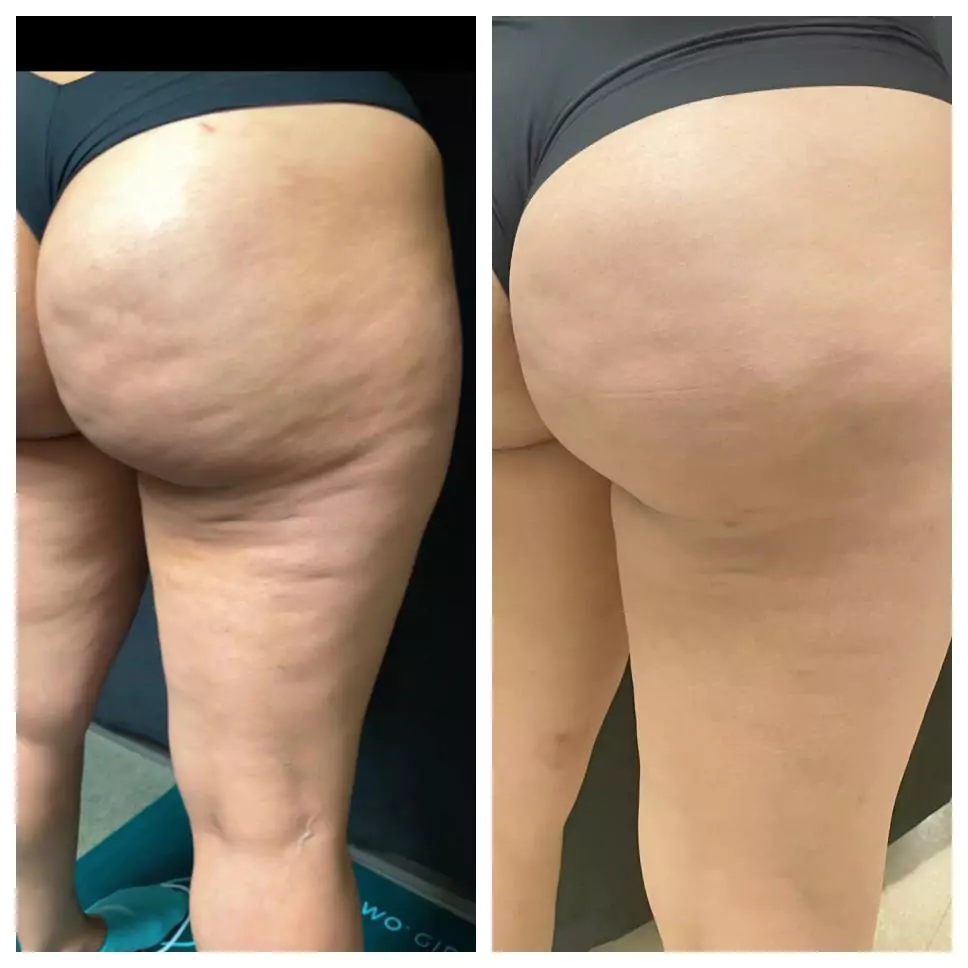
Did you know that about 90% of women experience cellulite at some point in their lives, despite options like cosmetic plastic surgery and the fact that many say plastic surgery nope? This common skin condition can be frustrating, but effective cellulite treatment options are available. Understanding the recovery time for these treatments is crucial for anyone considering a solution.
From laser therapy to liposuction, each cellulite treatment results method has its own avéli cellulite treatment recovery period for healing. Knowing what to expect helps manage your goals and expectations. Whether you're aiming for smoother skin or a confidence boost, being informed about recovery time can make all the difference. Dive into this post to learn how different treatments work and what you can anticipate during your recovery journey.
Key Takeaways
Understand that different cellulite treatments have varying recovery times; research your specific procedure for better expectations.
Expect some swelling and bruising immediately after treatment, which is normal and should subside within the first few days.
Follow aftercare guidelines closely to promote healing; this includes staying hydrated and avoiding strenuous activities.
Be patient during the initial recovery phase, as it can take several weeks to see the full results of your treatment.
Factors like age, skin type, and overall health can influence how quickly you recover; consider these when planning your treatment.
To optimize healing, incorporate gentle exercises and a balanced diet, as these can enhance circulation and support skin recovery.
Understanding Cellulite Treatment
What is Cellulite?
Cellulite appears as a dimpled skin texture. It often affects areas like the thighs, buttocks, and abdomen. Unwanted cellulite results from fat deposits pushing through the connective tissue beneath the skin. Common causes include hormonal changes, genetics, and lifestyle factors such as diet and exercise, which may affect cellulite treatment recovery. Women are more likely to experience moderate cellulite due to differences in fat distribution.
Purpose of Avéli Treatment
Avéli treatment targets unsightly cellulite effectively. This procedure aims to improve cellulite appearance by releasing the fibrous bands that create dimples. By breaking these bands, Avéli allows smoother skin to emerge. Patients report significant improvements after treatment. The goal is to achieve beautiful results that enhance body confidence.
Benefits of Avéli Treatment
Avéli offers several benefits over traditional methods. First, it provides long-lasting results with minimal downtime. Many patients resume normal activities shortly after their sessions. Second, the treatment can be customized based on individual needs. This personalization ensures that each patient receives a tailored cellulite treatment plan.
Minimally Invasive Nature
Avéli is a minimally invasive procedure. It involves small incisions that do not require stitches. This aspect reduces recovery time significantly compared to surgical options. Patients appreciate this feature as it leads to quicker healing and less discomfort.
FDA Approval
The FDA has approved Avéli for safety and effectiveness. This approval assures patients that they are choosing a reliable option among various cellulite reduction treatments. The technology used in Avéli is advanced and backed by clinical studies. These studies show promising outcomes for those seeking to reduce cellulite appearance.
Other Cellulite Treatments
Several other options exist for treating cellulite. These include topical cellulite creams, laser treatments, and radiofrequency therapies. Each method varies in effectiveness and recovery time. Consulting with cellulite experts helps patients choose the best approach for their specific situation.
Expected Results
Results from Avéli treatment typically appear within weeks. Patients often notice smoother skin textures shortly after their sessions. Full results may take several months as the body continues to heal and adjust. Consistency in maintaining a healthy lifestyle further enhances these results.
Immediate Post-Treatment Expectations
Typical Symptoms
Patients often experience swelling and bruising after cellulite treatment. These symptoms occur due to the body's response to the procedure. Swelling may last for several days, while bruising can take up to two weeks to fade. The intensity of these symptoms varies based on the type of treatment received. For invasive treatments, expect more noticeable bruising and swelling compared to non-invasive options.
Care Steps
Immediate care is crucial for recovery. Wearing compression garments helps reduce swelling and supports the treated area. Patients should follow their provider's instructions regarding how long to wear these garments. Keeping the area clean is also essential. Gentle washing with mild soap can prevent infections. Avoid hot baths or saunas for at least a week post-treatment. These steps aid in a smoother recovery process.
Downtime Duration
Most patients enjoy a short downtime after cellulite treatment. Many can resume normal activities within one or two days. Light exercise may even be possible shortly after treatment, depending on the specific procedure done. However, high-intensity workouts should wait until the body fully heals. Listening to your body is important during this time.
Pain Management
Mild discomfort is common following treatment. Over-the-counter pain relievers can help manage any pain experienced. It's important to consult with a healthcare provider about which medications are safe to take post-treatment. Following their guidance ensures effective pain management without complications.
Follow-Up Appointments
Scheduling follow-up appointments is key for monitoring progress. Healthcare providers assess healing and address any concerns during these visits. They can offer advice on further care steps as well. Regular check-ins help ensure that patients achieve optimal results from their treatment.
Emotional Considerations
Recovery isn’t just physical; it’s emotional too. Patients may feel anxious about their appearance during healing. Support from friends and family can ease these feelings. Discussing concerns with healthcare providers also helps reassure patients about their recovery journey.
Initial Recovery Phase Overview
Timeline for Results
Visible results from cellulite treatment typically appear within two to four weeks. This timeline can vary based on the treatment type and individual healing processes. Swelling usually decreases significantly during this period. As swelling subsides, skin texture may begin to improve.
Patients often notice a smoother appearance in treated areas. Full results can take several months to manifest completely. It is essential to remain patient during this time. The body needs time to heal and adjust after the procedure.
Avoiding Strenuous Activities
Avoiding strenuous activities is crucial in the initial recovery phase. Engaging in heavy exercise or intense physical activity too soon can hinder healing. Medical professionals often recommend resting for at least 48 hours post-treatment. This rest period allows the body to recover without added stress.
Light activities, such as walking, are generally acceptable after the first day. However, activities that strain the muscles should be avoided for a few weeks. Listening to your body is important. If discomfort arises, it may be a sign to slow down.
Pain and Tenderness
Mild pain or tenderness in treated areas is common after cellulite treatments. Patients may experience sensitivity as their bodies heal. This feeling usually lasts for about a week or two but varies among individuals. Over-the-counter pain relievers can help manage any discomfort.
It is important to monitor any unusual symptoms during recovery. If severe pain or prolonged tenderness occurs, consult a healthcare professional. They can provide guidance and ensure that recovery is on track.
Aftercare and Healing Guidelines
Pain Management
Using over-the-counter pain relief is essential after cellulite treatment. Medications like ibuprofen can help reduce discomfort. Patients should follow the dosage instructions on the packaging. This approach eases pain during the recovery phase.
Sun Protection
Avoiding sun exposure plays a crucial role in healing. Direct sunlight can lead to increased scarring. Skin may be sensitive after treatment, making it more vulnerable. Staying out of the sun for at least four weeks is advisable. Wearing protective clothing or using sunscreen with high SPF can also help safeguard the skin.
Compression Garments
Wearing compression shorts is highly recommended. These garments support the healing process and reduce swelling. It is best to wear them for up to two weeks after the procedure. Compression helps improve blood flow, which aids recovery.
Staying hydrated supports overall health and recovery. Drinking plenty of water helps maintain skin elasticity. Eating a balanced diet rich in vitamins and minerals also promotes healing. Foods high in antioxidants can be particularly beneficial.
Follow-Up Appointments
Scheduling follow-up appointments is important for monitoring progress. Woodlands plastic surgery often recommends these visits to assess healing. During these check-ups, doctors can address any concerns or complications that arise.
Activity Restrictions
Limiting physical activity is necessary during recovery. Strenuous exercises should be avoided for at least two weeks. Gentle activities like walking are encouraged, but patients should listen to their bodies. Resuming regular activities too soon can hinder healing.
Emotional Well-Being
Recovery involves both physical and emotional aspects. Patients may experience mood changes due to discomfort or anxiety about results. Engaging in relaxation techniques can help manage stress levels. Talking with friends or family about feelings can provide support.
Monitoring Changes
Keeping an eye on changes in the treated areas is vital. Patients should watch for signs of infection, such as redness or swelling. Reporting any unusual symptoms to a healthcare provider promptly is crucial. This proactive approach ensures timely intervention if needed.
First Few Weeks of Recovery
Initial Days
Recovery begins immediately after the cellulite treatment. The first few days are crucial for healing. Patients may experience swelling and bruising in the treated areas. These effects are normal and usually subside within a week.
During this time, rest is essential. Limiting physical activities helps the body heal faster. Most people can return to light daily activities within a couple of days. However, strenuous exercise should be avoided.
Two Weeks Post-Treatment
After about two weeks, patients can gradually return to their regular physical activities. This gradual increase is important for overall recovery. Starting with gentle exercises is recommended. Walking or stretching can help improve circulation and reduce stiffness.
e individuals may notice persistent numbness due to the tumescent fluid used during treatment. This sensation might linger for several weeks but typically resolves on its own. If numbness continues beyond this period, consulting a healthcare provider is advisable.
Monitoring Symptoms
Monitoring for any unusual symptoms during recovery is vital. Patients should look out for signs of infection, such as increased redness or warmth in the treated areas. Any unusual pain or swelling should also be reported. Keeping an open line of communication with healthcare providers ensures that any concerns are addressed promptly.
Patients should keep track of their recovery progress. Journaling daily experiences can help identify patterns or changes in symptoms. This practice can aid discussions with medical professionals during follow-up visits.
Emotional Well-being
Emotional well-being plays a significant role in recovery. Feeling anxious about results or complications is common. Support from friends and family can help ease these feelings. Engaging in relaxing activities like reading or meditation can also promote a positive mindset.
In summary, the first few weeks post-treatment are critical for recovery. Gradual returns to physical activity begin around two weeks after treatment. Persistent numbness may occur due to tumescent fluid but usually resolves without intervention. Monitoring for unusual symptoms is essential for a smooth recovery process.
Short-Term Healing Process
Compression Use
Compression plays a key role in recovery after cellulite treatment. It helps reduce swelling and bruising. By applying pressure to the treated areas, compression garments promote blood circulation. This can speed up the healing process. Many patients wear these garments for several weeks post-procedure.
Doctors often recommend wearing them consistently for optimal results. Patients may notice a significant decrease in discomfort as well. Following this advice can lead to better outcomes.
Water Avoidance
Avoiding water submersion is crucial during recovery. Patients should refrain from soaking in bathtubs or swimming pools for at least one month. Water can introduce bacteria, increasing the risk of infection. Immersing treated areas can also cause irritation or swelling.
Keeping the skin dry helps ensure proper healing. Showers are acceptable, but direct water pressure on the treated areas should be limited. Following these guidelines protects the body while it heals.
Psychological Impact
The recovery process can also provide a psychological boost. As body confidence improves, many patients feel more positive about their appearance. This newfound confidence can enhance overall well-being. Feeling good about oneself often leads to healthier lifestyle choices.
Patients may experience improved self-esteem as they see results from their treatment. This emotional uplift can motivate individuals to engage in physical activities they once avoided. The connection between physical appearance and mental health is strong.
Improving body image can change how someone interacts with others too. Social situations may become less stressful as confidence grows. Many individuals report feeling more comfortable in their own skin after treatment.
Factors Influencing Recovery Time
Age Effects
Age plays a significant role in recovery time. Younger individuals typically heal faster than older adults. As people age, their skin loses elasticity and collagen production decreases. This can lead to long recovery times after cellulite treatments. Older skin may take longer to respond to therapies.
Skin Type
Skin type also affects how quickly one recovers. Individuals with thicker skin may experience a different healing process compared to those with thinner skin. Thinner skin might bruise more easily and take longer to heal. Treatments can vary in effectiveness based on these differences.
Lifestyle Choices
Lifestyle choices greatly impact recovery speed. A balanced diet rich in vitamins and minerals can promote healing. Foods high in antioxidants support skin health and aid recovery. Hydration is essential as well; drinking enough water helps the body flush out toxins.
Regular exercise can enhance circulation, which aids in quicker recovery. Aerobic activities improve blood flow, while strength training builds muscle tone. Both contribute positively to the skin’s appearance post-treatment.
Aftercare Adherence
Following aftercare instructions is crucial for optimal recovery. Medical professionals often provide specific guidelines after treatment. These can include avoiding sun exposure, not engaging in strenuous activities, or using recommended creams. Sticking to these instructions can reduce complications and promote faster healing.
Neglecting aftercare can lead to setbacks. For instance, skipping sunscreen may result in pigmentation issues or prolonged redness. This highlights the importance of commitment to prescribed routines.
Treatment Type
The type of cellulite treatment chosen also influences recovery time. Non-invasive options like laser therapy generally have shorter recovery periods compared to surgical procedures. Patients opting for liposuction may face long recovery times due to the invasive nature of the procedure.
Understanding the specific treatment's requirements helps set realistic expectations for recovery.
Individual Health Factors
Overall health factors can affect healing too. Chronic conditions, such as diabetes or autoimmune diseases, may slow down recovery processes. Medications that thin the blood or affect healing should also be considered.
Consultation with a healthcare provider before starting any treatment is essential. They can assess individual health status and recommend suitable options.
Tips to Optimize Healing
Healthy Diet
A healthy diet plays a crucial role in recovery. Consuming foods rich in vitamins and minerals can significantly enhance healing. Focus on fruits, vegetables, lean proteins, and whole grains. Foods high in antioxidants, like berries and nuts, help combat inflammation. Vitamin C supports collagen production, which is vital for skin repair.
Incorporating omega-3 fatty acids from fish or flaxseed can also improve skin health. These nutrients support overall wellness and help maintain skin elasticity. A balanced diet aids in complete skin rejuvenation, ensuring the body has the necessary resources for optimal recovery.
Hydration
Staying hydrated is essential for skin recovery. Water helps flush out toxins and keeps the skin supple. Aim for at least eight glasses of water daily. Proper hydration improves blood circulation, which is vital after any treatment. It can also reduce swelling and promote faster healing.
Limit sugary drinks and caffeine as they can lead to dehydration. Herbal teas or infused water with fruits can be good alternatives. Keeping your body hydrated not only benefits your skin but also enhances overall health.
Gentle Massages
Gentle massages can aid in recovery by improving circulation. They stimulate blood flow to the treated areas, helping to reduce swelling and discomfort. Consider using natural oils like coconut or almond oil during massages. These oils nourish the skin while providing hydration.
Seek guidance from your surgeon on when to start massages post-treatment. Starting too early may cause complications. Following their advice ensures safe practices that align with your recovery plan.
Follow-Up Care
Regular follow-ups with your surgeon are critical after cellulite treatments. They provide valuable information on what to expect during recovery. Surgeons assess your progress and address any concerns you might have.
Documenting your recovery journey can also be beneficial. Note any changes in your skin condition or side effects you experience. This information helps the surgeon tailor care to your needs.
Emotional Well-Being
Recovery isn't just physical; emotional well-being matters too. Stress can hinder healing, so find ways to relax. Activities like yoga or meditation can help manage stress levels effectively.
Surround yourself with supportive friends or family during this time. Their encouragement can boost morale and contribute positively to your recovery process.
Closing Thoughts
Understanding your recovery time after cellulite treatment is crucial. You’ve learned about immediate expectations, the healing process, and how to optimize your recovery. Each phase plays a vital role in achieving the best results. Factors like aftercare and individual health can influence your timeline, so stay informed and proactive.
Take charge of your journey. Follow the guidelines shared to enhance your healing experience. Remember, patience is key. The path to smoother skin takes time, but with the right approach, you’ll see improvements. Don’t hesitate to reach out to professionals for personalized advice or support. Your confidence starts here—embrace it!
Frequently Asked Questions
What is the average recovery time for cellulite treatments?
The average recovery time varies by treatment type. Generally, expect 1 to 2 weeks for non-invasive methods and up to 4 weeks for more invasive procedures.
Are there any immediate side effects after cellulite treatment?
Yes, common immediate side effects include swelling, bruising, and tenderness in the treated area. These typically subside within a few days.
How can I speed up my recovery after cellulite treatment?
To optimize healing, stay hydrated, follow aftercare guidelines, and avoid strenuous activities. A balanced diet rich in vitamins also promotes faster recovery.
When can I resume normal activities post-treatment?
Most patients can return to light activities within a few days. However, it's best to avoid intense workouts for at least 1 to 2 weeks.
Do different treatments have different recovery times?
Yes, recovery times differ based on the treatment method. Non-invasive options usually require less downtime than surgical procedures.
Is aftercare important for recovery?
Absolutely! Proper aftercare minimizes side effects and enhances results. Follow your practitioner’s guidelines closely for optimal healing.
Can factors like age affect recovery time?
Yes, factors such as age, skin condition, and overall health can influence recovery time. Younger individuals often heal faster than older adults.