Here you can find the latest news and surgical articles.
12 June 2024
Cryolipolysis Fat Freezing Side Effects: Procedure & Results
Key Takeaways
Understand the Basics: Cryolipolysis, also known as lipocryolysis, is a non-invasive procedure that targets and destroys fat cells using cold temperatures, often seen in coolsculpting sessions with notable coolsculpting results.
Safety First: Generally safe, but ensure you consult a certified professional to minimize risks during injury, liposuction procedure, fat removal procedures, or fat freeze.
Temporary Side Effects: Expect mild sensations like redness, swelling, or numbness from cryolipolysis treatments, which usually resolve within a few weeks.
Manage Pain: Some discomfort is normal, but it should be manageable with over-the-counter pain relief.
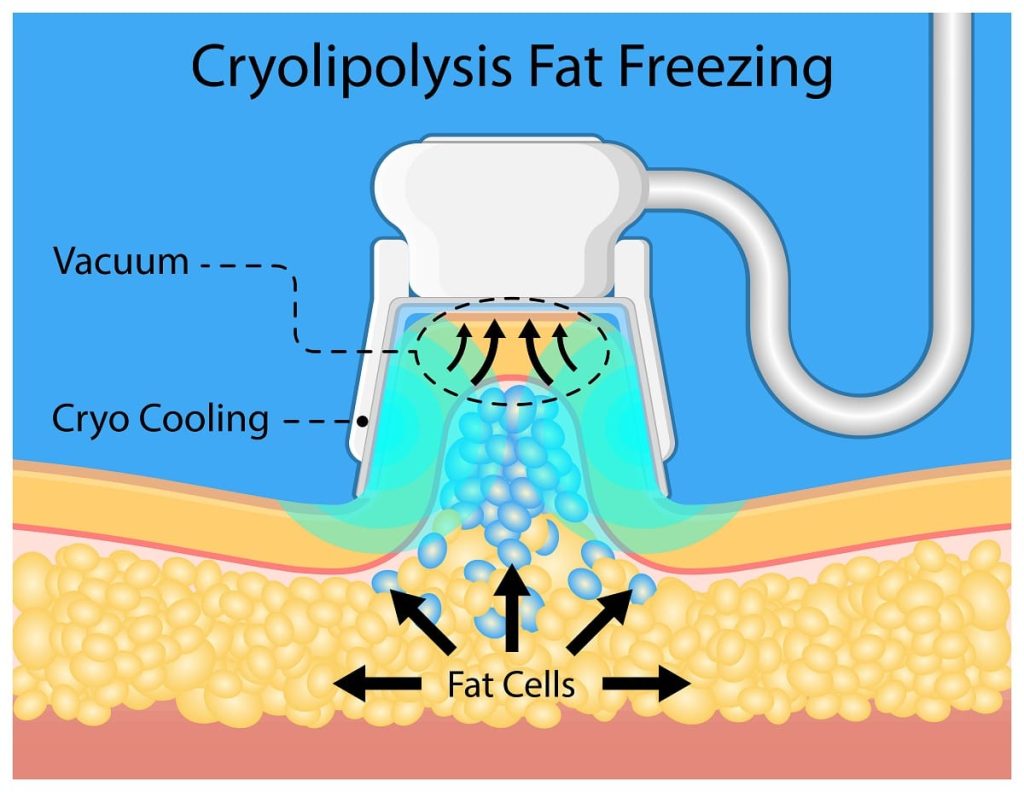
Cryolipolysis targets fat cells using cold temperatures. Fat cells are more vulnerable to cold than other cells. This vulnerability allows the cryolipolysis device to freeze and destroy fat cells without harming surrounding tissues.
During the procedure, a gel pad and applicator are applied to the targeted area. The device cools the fat cells to a temperature that induces cell death. This process is known as apoptosis. Over time, the body naturally eliminates these dead cells through the lymphatic system.
Non-Invasive Method
Cryolipolysis is a non-invasive method for reducing fat. Unlike traditional liposuction procedures, it does not require incisions or anesthesia. Patients can return to normal activities immediately after treatment.
The treatment is often marketed under the name CoolSculpting. CoolSculpting treatments typically last about an hour per session. Some patients may need multiple sessions to achieve desired results.
Process of Cell Death
Cryolipolysis induces cell death in fat cells through controlled cooling. The cooling process crystallizes the lipids in fat cells. These crystallized lipids trigger apoptosis, leading to the gradual breakdown of fat cells.
After apoptosis, the body's immune system removes the dead cells over several weeks or months. This gradual elimination reduces the treated area's fat layer without causing significant side effects.
Cryolipolysis Treatment Recommendations
Doctors recommend cryolipolysis for individuals looking to reduce localized fat deposits. It is not a weight-loss solution but rather a body contouring procedure. Ideal candidates are those close to their target weight with stubborn fat areas.
Common treatment areas include:
Abdomen
Flanks (love handles)
Thighs
Upper arms
Chin
Patients should consult with a certified provider to determine if they are good candidates for cryolipolysis treatments.
Comparing with Other Methods
Cryolipolysis differs from other fat reduction methods like true liposuction or multiple liposuction techniques. Traditional liposuction involves surgical removal of fat through suction. It requires anesthesia and has a longer recovery time.
Non-liposuction methods like laser liposuction use heat instead of cold to destroy fat cells. Each method has its pros and cons, but cryolipolysis stands out for being non-invasive and requiring minimal downtime.
Destroying Fat Cells
Mechanism of Action
Cryolipolysis targets fat cells using cold temperatures. These temperatures selectively injure the fat cells without harming surrounding tissues. The process involves cooling the fatty tissue to a temperature that causes cell death. This selective injury is due to the fat cells being more sensitive to cold than other types of cells.
Inflammatory Response
After the fat cells are injured, the body initiates an inflammatory response. The immune system sends macrophages to the area to digest and remove the damaged fat cells. This process can take several weeks. During this time, the body gradually eliminates the destroyed cells through natural metabolic processes.
Permanent Removal
The destroyed fat cells are permanently removed from the body. Unlike weight loss, which only shrinks fat cells, cryolipolysis leads to a reduction in the number of fat cells. This results in a thinner fat layer in the treated area. However, it’s important to maintain a healthy lifestyle to prevent new fat deposits from forming.
Effect on Fat Distribution
Once the fat cells are removed, they do not regenerate. This means that future weight gain will be distributed among the remaining fat cells in other areas of the body. Cryolipolysis can lead to a more contoured appearance in the treated areas but does not prevent overall weight gain. Maintaining a balanced diet and regular exercise is essential for long-term results.
Comparison with Liposuction
Liposuction is another popular fat removal procedure. Unlike cryolipolysis, liposuction involves surgically removing fat deposits from under the skin. Both methods aim to reduce fatty tissue, but they have different recovery times and risks. Cryolipolysis is non-invasive and has fewer side effects compared to liposuction.
Types of Fat Affected
Cryolipolysis primarily targets subcutaneous fat, which lies just beneath the skin. It is less effective on visceral fat, which surrounds internal organs. Subcutaneous fat is easier to reach and treat with cryolipolysis, while visceral fat requires more comprehensive lifestyle changes for reduction.
Procedure Safety
FDA Approval
Cryolipolysis is an FDA-approved cosmetic procedure for fat reduction. The FDA approved it in 2010. This approval signifies the procedure's safety and efficacy. It underwent rigorous testing before gaining approval.
Procedural Protocols
Doctors follow strict protocols to ensure patient safety. They begin by assessing the treatment area. They apply a gel pad to protect the skin. Then, they use an applicator to target the fat layer. The applicator cools the fat cells without harming surrounding tissues.
Common Side Effects
Most side effects are minor and temporary. Patients may experience redness, swelling, or bruising in the treated area. These symptoms usually resolve within a few days or weeks. Some patients report numbness, which typically fades over time.
Rare Serious Side Effects
Serious side effects are very rare. In some cases, patients might develop paradoxical adipose hyperplasia (PAH). This condition causes an increase in fat cells in the treated area instead of reduction. PAH occurs more frequently in men and can be treated with additional procedures.
Patient Experiences
Many patients report positive experiences with cryolipolysis. They appreciate its non-invasive nature and minimal downtime. For example, Jane, a 35-year-old woman, shared her story online. She saw noticeable results after two sessions and experienced only mild discomfort.
Temporary Side Effects
Tingling Sensation
Many people experience a tingling sensation during cryolipolysis. This feeling occurs because of the low temperature applied to the skin. As the area cools, nerves react, causing tingles. This sensation is generally mild and temporary.
Stinging Feeling
e individuals report a stinging feeling during the procedure. The cold can cause this discomfort. It usually happens as the skin adjusts to the cold. Most people find this stinging diminishes quickly.
Cramping During Procedure
Cramping is another common side effect. The cooling process can make muscles contract. This cramping often feels like a slight ache or pull. It typically fades once the treatment ends.
Redness on Skin
Redness on the treated area is also common. The cold temperature affects blood flow, causing redness. This redness usually appears immediately after treatment. It tends to subside within a few hours.
Numbness Post-Treatment
Numbness in the treated area can occur post-treatment. The cooling process impacts nerve endings, leading to numbness. This feeling of numbness is temporary and usually resolves within days.
Transient Symptoms
Most side effects from cryolipolysis are transient. Symptoms like tingling, stinging, and cramping subside shortly after treatment. Redness and numbness also resolve over time. These side effects are not permanent.
Rare Serious Effects
While rare, some serious CoolSculpting side effects can occur. These include prolonged pain or severe numbness. Such cases are uncommon but should be monitored.
Pain and Discomfort
Sensations During Treatment
Cryolipolysis involves cooling the fat cells. This process can cause various sensations. Patients often feel intense cold at the start. This feeling usually subsides after a few minutes as the area becomes numb. Some people also report a tingling or stinging sensation. The device uses suction to pull the skin into the applicator, which may cause mild discomfort.
Managing Discomfort
Several strategies can help manage discomfort during the procedure. Adjusting the settings on the cryolipolysis device can reduce pain. Technicians can modify the temperature or suction levels to suit individual tolerance. Applying a gel pad between the skin and the applicator can also help. This pad acts as a barrier, reducing direct contact with the cold.
Post-Treatment Pain
Pain and discomfort do not always end when the treatment does. After the session, patients might experience soreness in the treated area. Some describe it as similar to muscle soreness after exercise. This pain is usually mild and temporary. Most people find that it resolves within a few days.
Skin Sensitivity
The skin around the treated area may become sensitive. Redness, bruising, and swelling are common. These side effects are generally short-lived. They often disappear within a week. In rare cases, some individuals might experience more prolonged sensitivity.
Emotional Impact
Experiencing pain and discomfort can affect emotional well-being. Feeling anxious before or during treatment is normal. Talking to a healthcare provider about these concerns can be helpful. Knowing what to expect can ease anxiety.
Injury Risk
Though rare, there is a risk of injury from cryolipolysis. Improper use of the device can cause frostbite or skin damage. Ensuring that a trained professional performs the treatment minimizes this risk.
Reassurance and Recovery
Most pain and discomfort from cryolipolysis are short-lived. Simple measures like over-the-counter pain relievers can help manage post-treatment soreness. Gentle massage of the treated area may also provide relief.
Paradoxical Adipose Hyperplasia
Definition
Paradoxical adipose hyperplasia is a rare but serious side effect of cryolipolysis. In this condition, the treated area increases in size instead of shrinking. This happens because the fat cells, or adipocytes, react abnormally to the cold treatment. Instead of breaking down, they multiply and expand.
Risks
Consulting with a qualified practitioner is crucial before undergoing cryolipolysis. They can assess individual risks and manage expectations. Not everyone is a good candidate for this procedure. Certain body types may be more susceptible to paradoxical adipose hyperplasia.
Symptoms
Symptoms usually appear several weeks after the treatment. The treated area becomes larger and firmer. It may also have an uneven texture compared to surrounding areas. These changes can be distressing for patients.
Corrective Procedures
Corrective procedures are available for paradoxical adipose hyperplasia. However, they often involve more invasive methods. Liposuction is one common option to remove the enlarged fat pads. Surgical removal may also be necessary in severe cases.
Emotional Impact
Experiencing paradoxical adipose hyperplasia can be emotionally challenging. Patients expect to see a reduction in fat but instead face an increase. This unexpected outcome can lead to stress and dissatisfaction with the procedure.
Importance of Expertise
Choosing an experienced practitioner reduces the risk of paradoxical adipose hyperplasia. They can provide thorough pre-treatment assessments and follow-up care. Proper technique and equipment also play a role in minimizing risks.
Fat Reduction Expectations
Average Reduction
Studies show that cryolipolysis can reduce fat by 15-28%. This happens around four months after treatment. The process targets fatty deposits and freezes them. Over time, the body naturally eliminates these dead cells.
Individual Variations
Results vary between individuals. Factors like the size of the treated area matter. The number of sessions also plays a role. A larger area may need more sessions for noticeable results. Each person’s body responds differently to cryolipolysis.
Healthy Lifestyle
Maintaining a healthy lifestyle is crucial. Diet and exercise help keep the results long-term. Cryolipolysis is not a replacement for healthy habits. It works best as part of an overall health plan.
Realistic Goals
Set realistic expectations for fat reduction. Understand that it’s not immediate. Results take time to show. Patience is key in this process. Some might need multiple sessions for desired outcomes.
Complementary Methods
Complementing cryolipolysis with other methods can be beneficial. Combining treatments often yields better results. Always consult a professional before starting any new treatments.
Results Timing
Initial Changes
After cryolipolysis, initial changes are often seen within three weeks. The body starts to process and eliminate the injured fat cells. This gradual process means that results are not immediate. Instead, they unfold over time.
Dramatic Improvements
More dramatic improvements usually appear after about two months. During this period, the body continues to eliminate fat cells. This ongoing process can lead to more noticeable changes in the treated areas.
Final Results
Final results may take up to four to six months. By this time, the body has removed most of the injured fat cells. Patience is key during this phase. Consistent follow-up assessments help track progress accurately.
Importance of Patience
Patience is essential when undergoing cryolipolysis. Immediate results are rare, and the full benefits take time to manifest. Regular check-ups with a healthcare provider can ensure that the treatment is working as expected.
Follow-Up Assessments
Regular follow-up assessments are crucial. These assessments help gauge the effectiveness of the treatment. They also provide an opportunity to address any concerns or questions about the progress.
Closing Thoughts
Cryolipolysis offers a promising way to tackle stubborn fat. The procedure is generally safe, but it's crucial to be aware of potential side effects like temporary discomfort and rare conditions such as Paradoxical Adipose Hyperplasia. Managing expectations about results and timing can help you make informed decisions.
If you're considering cryolipolysis, consult with a certified professional to discuss your specific needs and risks. Don't let unwanted fat hold you back—explore your options and take the first step toward achieving your body goals today.
Frequently Asked Questions
What is Cryolipolysis?
Cryolipolysis, also known as fat freezing, is a non-invasive procedure that targets and destroys fat cells using controlled cooling.
Is Cryolipolysis safe?
Yes, Cryolipolysis is generally safe. It's FDA-approved and has been widely studied for its safety and efficacy.
What are the temporary side effects of Cryolipolysis?
Temporary side effects may include redness, swelling, bruising, and numbness at the treatment site. These usually resolve within a few days.
Does Cryolipolysis cause pain?
e patients experience mild discomfort during and after the procedure, but it is generally well-tolerated.
What is Paradoxical Adipose Hyperplasia?
Paradoxical Adipose Hyperplasia (PAH) is a rare side effect where treated fat cells increase in size rather than decrease. It occurs in less than 1% of cases.
When will I see results from Cryolipolysis?
Results can start to appear as early as three weeks post-treatment, with full results visible after two to three months.
How effective is Cryolipolysis for fat reduction?
Cryolipolysis can reduce fat in treated areas by up to 20-25%. Multiple sessions may enhance results.