Here you can find the latest news and surgical articles.
18 April 2025
Fibrosis Skin After Liposuction: Prevention & Care
After liposuction, many people notice changes in their skin. One of the things that can happen is a condition called fibrosis. This means the skin can feel lumpy or hard in some places. It’s not something everyone gets, but it’s important to know about it.
The problem is, fibrosis can make the skin look uneven or cause discomfort. If you’ve just had liposuction or are thinking about it, you might be worried about getting fibrosis or what to do if it happens.
The good news is, fibrosis can be treated. There are ways to reduce it or make it go away. In this guide, we’ll talk about what causes fibrosis after liposuction and how you can prevent or treat it to keep your skin looking smooth and healthy.
Defining Post-Liposuction Fibrosis
Fibrosis Process
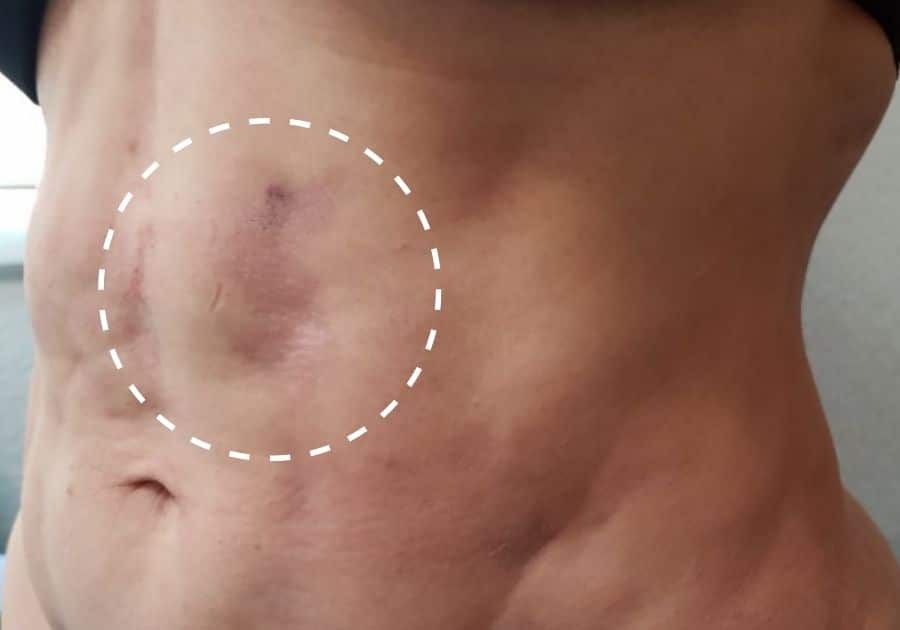
Fibrosis after liposuction is not just swelling. It's a hardening of tissues where fat was removed. This can happen when the healing process goes awry, leading to excessive scar tissue.
The body naturally forms scar tissue as it heals. But in fibrosis, this tissue becomes overabundant, creating lumpy, hard areas under the skin. These are not only unsightly but can also restrict movement and cause discomfort.
Early Recognition
Spotting fibrosis early is crucial. It helps avoid long-term cosmetic and functional problems.
Patients should monitor their recovery closely. Any unusual hardness or lumps should prompt an immediate consultation with their surgeon. Early intervention can significantly improve outcomes, making recognition a key step in post-lipo care.
Development Timeline
Fibrosis typically develops within the first few months post-surgery. The first six weeks are especially critical.
During this time, patients may notice signs of fibrosis as swelling starts to subside. It's important to stay vigilant during these weeks. Keeping in touch with your medical team during this period can help manage symptoms before they become severe.
Identifying Causes and Symptoms
Inadequate Aftercare
Inadequate aftercare plays a pivotal role in the development of fibrosis after liposuction. Not following post-operative instructions can lead to complications. Patients may experience excessive swelling or the formation of hard lumps beneath the skin. These symptoms are often indicators of fibrosis.
Proper rest, hydration, and adherence to medical advice are crucial for recovery. Ignoring these steps can exacerbate the risk of developing fibrous tissue.
Symptoms
Symptoms of fibrosis include stiffness, hard lumps, and contour irregularities. Unlike normal swelling that subsides with time, these symptoms persist, signaling an abnormal healing process. The affected area may feel unusually firm to the touch.
Patients might also notice a difference in sensation around the treated area. This could range from numbness to heightened sensitivity.
Compression Garments
Compression garments are essential for both preventing and identifying symptoms of fibrosis. They help reduce swelling and support the healing tissues, minimizing the chance of irregular healing.
Wearing these garments as directed can significantly lessen the risk of developing hard lumps or stiffness associated with fibrosis. They also make it easier for patients and healthcare providers to spot any potential issues early on.
Ultrasound stands out as a non-invasive diagnostic tool. It effectively detects abnormal tissue formations, including fibrosis, after liposuction. This method sends sound waves into the body, capturing echoes as they bounce off tissues. The resulting images reveal the presence of fibrosis without needing surgery.
Healthcare professionals often start with ultrasound due to its safety and efficacy. It allows them to view the affected area in real-time. This advantage aids in making accurate assessments of skin health post-liposuction.
Additional Tools
Beyond ultrasound, doctors have other methods at their disposal. They might use MRI scans to get a more detailed look at soft tissues. MRI scans offer high-resolution images, making them useful for complex cases.
Physical examinations also play a crucial role. Doctors assess skin texture, thickness, and elasticity by touch. These exams help confirm initial findings from imaging tests.
Diagnosis Process
The process begins with an initial assessment based on symptoms described in the previous section. If fibrosis is suspected, an ultrasound will likely be the first step. Depending on results, further tests like MRI scans may follow.
Monitoring progression is crucial. Patients might undergo repeated imaging tests over time. This approach ensures that any changes in fibrosis are detected early on.
Preventative Measures for Fibrosis
Lymphatic Massage
Lymphatic drainage massage plays a key role in preventing fibrosis after liposuction. This technique helps to reduce swelling and prevents the buildup of fibrous tissue. It encourages the body to remove excess fluids and fat more efficiently, reducing the risk of water retention.
Patients should start these massages as advised by their healthcare provider. They significantly enhance recovery, making them an essential part of post-liposuction care.
Nutrition and Hydration
Proper nutrition and hydration are vital for healing. Foods rich in vitamins and minerals support the repair of connective tissue. Drinking plenty of water helps flush out toxins and reduces water retention, which is crucial in preventing fibrosis.
It's important to follow a balanced diet that supports your body's healing process. This approach not only speeds up recovery but also ensures overall health is maintained during this critical period.
Regular Follow-Ups
Regular appointments with healthcare providers are crucial for monitoring healing. These visits allow for adjustments in care plans based on individual recovery progress. They can also spot early signs of fibrosis, enabling timely intervention.
Healthcare professionals can provide personalized advice on managing and minimizing the risk of developing fibrous tissue. Their guidance ensures patients receive the best possible outcome from their liposuction procedure.
Comprehensive Treatment Options
Surgical Methods
Surgical interventions can remove or reduce fibrotic tissue. These methods are precise and target specific areas affected by fibrosis. They may involve the use of lasers to break down the tough tissue.
Doctors often recommend surgery for severe cases. It directly addresses the condition, offering a faster path to relief.
Non-Surgical Treatments
Non-surgical options include massages and ultrasound therapy. These treatments aim to soften fibrotic areas without invasive procedures.
Massages improve blood flow and help break down fibrous tissue over time. Ultrasound therapy uses sound waves to achieve similar effects, promoting healing in the treated area.
Physical Therapy
Physical therapy plays a crucial role in managing post-liposuction fibrosis. Targeted exercises can enhance mobility and reduce stiffness in affected areas. Therapists design routines that focus on stretching and strengthening exercises, tailored to each patient's needs.
This approach aids in breaking down fibrotic tissue gradually. It also restores function in the treated regions, improving quality of life.
Medications
Certain medications can alleviate symptoms of fibrosis. Anti-inflammatory drugs reduce swelling and pain, making it easier to move and perform daily activities.
In some cases, doctors prescribe medication targeting the underlying causes of fibrosis. This strategy helps manage the condition more effectively, preventing further complications.
Exploring Alternative Therapies
Acupuncture Benefits
Acupuncture, a traditional Chinese medicine technique, involves inserting thin needles into the body's specific points. It aims to balance energy and stimulate healing. For patients experiencing fibrosis skin after liposuction, acupuncture can offer relief from pain and discomfort. It may also reduce inflammation, promoting a smoother healing process.
Patients have reported less pain after sessions. However, it's crucial to choose licensed therapists with experience in treating post-surgical conditions.
Lymphatic Massage
Lymphatic drainage massage is another effective therapy for managing fibrosis after liposuction. This gentle massage technique helps reduce swelling by encouraging the removal of bodily fluids via lymphatic drainage.
Therapists work on affected areas to enhance circulation and facilitate the elimination of waste products from tissues. Regular sessions can lead to visible improvements in skin texture and tightness. Moreover, it can significantly ease post-surgical discomfort.
Herbal Supplements
e herbal supplements are known for their anti-inflammatory properties which can support the healing process. They may help reduce tissue swelling and improve overall skin condition after liposuction. However, patients should consult their surgeons or healthcare providers before incorporating these supplements into their regimen.
Research on these supplements is ongoing, but many patients find them beneficial when used alongside conventional treatments.
Understanding Recovery and Risks
Recovery Timeline
Recovery from liposuction varies among individuals. Most people begin to see their final results within three to six months post-operation. However, fibrosis skin can develop, affecting the smoothness and contour of the treated area. Factors like age, the extent of surgery, and overall health play significant roles in recovery speeds.
Patients might experience initial swelling and bruising, which subsides over weeks. Wearing compression garments aids in reducing swelling and helps in shaping the body. It is crucial for patients to follow their surgeon's advice closely during this period.
Untreated fibrosis after liposuction poses several risks. Chronic pain and aesthetic concerns are among the top issues. Fibrosis can lead to hard, uneven skin surfaces, making the operated area look unsightly.
In severe cases, it may restrict movement or cause discomfort that impacts daily activities. These complications underscore the importance of addressing fibrosis symptoms early.
Patient Education
Educating patients on recognizing complications is vital. Signs like unusual swelling, persistent pain beyond the expected recovery period, or changes in skin texture should prompt medical consultation.
Understanding these signs enables patients to seek timely treatment, preventing adverse outcomes. Exploring alternative therapies as mentioned earlier can complement traditional treatments for fibrosis.
Lifestyle Adjustments and Aftercare
Quit Smoking
Quitting smoking plays a crucial role in recovery. It helps the body heal faster and reduces the risk of complications. People who smoke should consider stopping before and after liposuction.
Smoking can delay healing. It's wise to quit as early as possible.
Healthy Weight
Maintaining a healthy weight supports better outcomes. It prevents stress on the skin and helps avoid new fat deposits.
A balanced diet and regular exercise are key. They keep the skin firm and reduce the chance of weight gain.
Aftercare Routine
Following the prescribed aftercare routine is essential for minimizing risks. This includes wearing compression garments and avoiding strenuous activities for several days post-operation.
Compression garments aid in controlling swelling. They also help shape the body during recovery.
Self-Care
Ongoing self-care, including skincare and gentle exercises, is vital for managing long-term outcomes. It can prevent adhesions and cutaneous atrophy formation.
Gentle massages may improve circulation. Hydration keeps the skin supple.
Closing Thoughts
Navigating through fibrosis skin after liposuction can seem daunting, but armed with the right knowledge on causes, symptoms, preventative measures, and treatment options, you're well-equipped to tackle it head-on. Embracing a comprehensive approach that includes diagnostic techniques, alternative therapies, and necessary lifestyle adjustments ensures a smoother recovery process. Remember, understanding the risks and diligently following aftercare instructions significantly minimizes complications. Your journey to recovery is unique; prioritize your health and well-being every step of the way.
Taking action early can make all the difference. If you suspect fibrosis, consult with a liposuction expert in Denver promptly to discuss your concerns and explore suitable treatment options. Stay informed, stay proactive, and let your journey towards healing begin today. Your body deserves the best care possible.
Frequently Asked Questions
What is post-liposuction fibrosis?
Post-liposuction fibrosis is a condition characterized by hard, lumpy areas under the skin, resulting from scar tissue forming after liposuction surgery. It’s a common side effect that can affect the smoothness and contour of the treated area.
How can I tell if I have fibrosis after liposuction?
Symptoms include hard, uneven areas beneath the skin, tenderness, and sometimes discoloration or swelling in the treated area. If you notice these signs post-surgery, it may indicate fibrosis.
What are some effective diagnostic techniques for fibrosis?
Diagnostic techniques often involve physical examinations and imaging tests like ultrasound or MRI to assess the extent of scar tissue formation and plan appropriate treatment strategies.
Can fibrosis be prevented after liposuction?
Yes, preventive measures include following your surgeon's post-operative care instructions closely, wearing compression garments as advised, and ensuring proper wound care to minimize the risk of infection and encourage smooth healing.
What treatments are available for post-liposuction fibrosis?
Treatment options range from manual lymphatic drainage massages to help reduce swelling and break down scar tissue, to more invasive procedures like corticosteroid injections or surgery for severe cases.
Are there alternative therapies for treating fibrosis?
Yes, alternative therapies may include acupuncture, laser therapy, or radiofrequency treatments to improve skin texture and reduce the appearance of fibrosis. However, consult with a healthcare professional before pursuing alternative treatments.
What should I expect during recovery from fibrosis treatment?
Recovery varies depending on the treatment method but generally involves some level of discomfort, swelling, and bruising which gradually improves. Following your healthcare provider’s advice on aftercare is crucial for optimal healing and minimizing risks.