Here you can find the latest news and surgical articles.
9 October 2024
Understanding Fraxel Laser for Melasma Treatment – Expert Insights
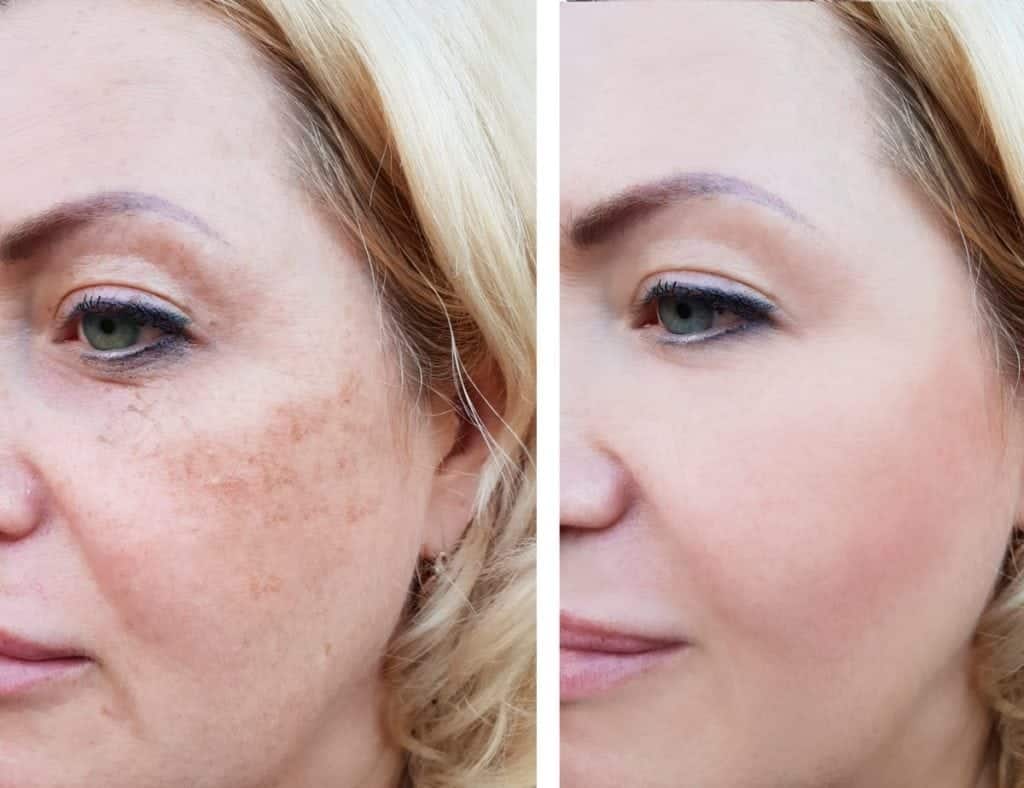
Fraxel for melasma treatment has gained popularity over the years. This laser technology helps reduce dark patches on the skin caused by hormonal changes and sun exposure. Melasma affects many people, especially women, leading to self-consciousness about their appearance, often prompting them to seek fractional laser treatment or nm laser treatment after their last laser treatment.
Fraxel works by targeting the skin's deeper layers, promoting collagen production and skin renewal. It offers a non-invasive solution with minimal downtime. Many have reported significant improvements after just a few sessions of dual laser treatment. With its effectiveness and safety, Fraxel is becoming a go-to option for those struggling with melasma. Understanding this treatment can help you make informed decisions about your skin health.
Key Takeaways
Fraxel laser treatment is an effective option for managing melasma, a common skin condition that causes dark patches on the face.
It works by targeting the deeper layers of the skin, promoting collagen production and helping to fade pigmentation.
Always consult with a qualified dermatologist to discuss your skin type and treatment goals before starting Fraxel treatments.
Be aware of potential side effects, such as temporary redness or swelling, and ensure you understand them before proceeding with treatment.
Combining Fraxel with other melasma solutions, like topical treatments, can enhance results and improve skin tone.
Follow post-treatment care tips, including sun protection and moisturizing, to maintain your results and support healing.
Understanding Fraxel Laser
Fractionated Technology
Fraxel laser is a type of fractionated technology. It uses a unique approach to target specific skin areas with precision. This technology divides the laser into thousands of tiny beams. Each beam treats a fraction of the skin, leaving surrounding tissue intact. This method promotes faster healing and reduces downtime compared to traditional laser treatments.
Patients often experience less discomfort during the procedure. Recovery time is shorter, making it more appealing for those seeking skin improvement. The fractionated nature allows for customized treatments based on individual needs.
Dual-Wavelength Feature
The Fraxel Dual laser features a dual-wavelength design. This means it can treat various skin issues simultaneously. One wavelength targets pigmentation and melasma effectively. The other addresses skin texture and tone. This combination enhances results and improves overall skin appearance.
Melasma can be challenging to treat, but the Fraxel Dual laser provides hope. Studies show that patients experience significant improvement in melasma after a series of treatments. The dual wavelengths work together to break down excess pigment in the skin.
Versatile Applications
Fraxel laser is not limited to treating melasma alone. Its versatility allows it to address multiple skin conditions. These include acne scars, fine lines, wrinkles, and sun damage. Patients appreciate this broad application because they can achieve various improvements with one treatment type.
Fractional laser resurfacing is effective for rejuvenating tired-looking skin. Many individuals seek this treatment for an overall refreshed appearance. The nonablative laser therapy aspect ensures minimal disruption to daily activities.
Combination Laser Use
Combining different types of lasers can enhance treatment outcomes. For instance, pairing the Fraxel laser with pulse dye lasers can improve vascular lesions and pigmentation issues simultaneously. This combination laser use maximizes benefits while minimizing side effects.
Patients should consult with dermatologists about their specific needs. Professionals can recommend tailored approaches that may include dual laser treatments or other options.
How Fraxel Laser Works
Microscopic Injuries
Fraxel laser treatment uses fractional laser technology to create microscopic injuries in the skin. This process stimulates collagen production and promotes skin renewal. The laser targets specific areas, allowing surrounding tissue to heal quickly.
The body responds to these injuries by increasing blood flow and creating new skin cells. As a result, patients often notice improved texture and tone over time. This method is effective for treating conditions like melasma.
Ablative vs Non-ablative
Two types of Fraxel technologies exist: ablative and non-ablative.
Ablative lasers remove the outer layer of skin. They are more intense and can provide significant results in fewer sessions. However, they also require longer recovery times. Patients may experience redness and swelling that lasts several days.
Non-ablative lasers penetrate deeper layers without damaging the surface. This type is less aggressive and has shorter downtime. While results may take longer to appear, recovery is easier for most people.
Both technologies effectively treat melasma but cater to different needs. A consultation with a dermatologist helps determine which type is best for individual cases.
Pre-treatment Preparations
Before undergoing Fraxel treatment, patients must prepare their skin properly. Avoiding certain skincare products is crucial. These include retinoids, alpha hydroxy acids, and exfoliants. Stopping these products at least one week prior reduces irritation during the procedure.
Using topical numbing agents can also enhance comfort during treatment. Dermatologists often apply these agents about 30 minutes before the procedure starts. This preparation ensures a smoother experience for patients.
Post-Treatment Care
After the treatment, patients should follow specific guidelines for optimal recovery. Keeping the treated area moisturized is essential. Using gentle cleansers helps avoid irritation as well.
Sun protection is critical after Fraxel treatments. Patients should wear sunscreen with high SPF to prevent further pigmentation issues.
Overall, understanding how Fraxel works enhances patient experience and results. Each step in the process plays a vital role in achieving clear skin free from melasma.
Safety of Fraxel for Skin
General Safety Profile
Fraxel lasers have a strong safety record. They are effective for various skin types. Many patients experience minimal side effects. Common effects include redness and swelling, which usually fade within a few days.
Studies show that Fraxel treatments can improve skin texture and tone without major risks. The laser targets specific areas, leaving surrounding skin unharmed. This precision helps reduce the chance of complications.
Concerns for Darker Skin Tones
Darker skin tones may face different risks with Fraxel lasers. Hyperpigmentation is a concern. It can occur when the skin reacts to the treatment. Patients with darker skin should be cautious.
A 2015 study found that those with Fitzpatrick skin types IV to VI showed more post-inflammatory hyperpigmentation after treatment. This means darker skin may react differently than lighter skin. Choosing the right settings on the laser is crucial.
Consultation with a skilled dermatologist is vital. They can assess individual risk factors and recommend appropriate settings to minimize complications.
Importance of Dermatologist Consultation
Consulting a dermatologist before treatment is essential. They evaluate your skin type and condition. A dermatologist can determine if Fraxel is suitable for you.
During the consultation, discuss your medical history and any previous skin treatments. This information helps the doctor make informed decisions about your care. They will explain potential risks and benefits tailored to your needs.
The right dermatologist will also provide guidance on the number of sessions needed for optimal results. This ensures that you achieve the best outcome while minimizing risks.
In summary, Fraxel lasers offer a promising option for treating melasma and other skin issues. Their safety profile is generally strong across most skin types. However, individuals with darker skin tones should approach treatment carefully due to specific risks like hyperpigmentation.
Side Effects to Consider
Common Effects
Fraxel treatment can lead to common side effects. Redness is typical after the procedure. Skin may appear sunburned for a few days. Swelling often follows, especially in sensitive areas. Peeling occurs as the skin begins to heal. This process usually lasts about a week. Proper aftercare is essential during this time. Moisturizers and sunscreen help protect and soothe the skin.
Severe Reactions
Severe reactions are rare but can happen. Acneiform eruptions may develop in some patients. This condition resembles acne but is caused by the treatment. Other potential injuries include hyperpigmentation or hypopigmentation. These changes in skin color might occur, especially in darker skin types.
Monitoring Symptoms
Monitoring for unusual symptoms post-treatment is crucial. Patients should watch for excessive redness or swelling that does not improve. If blisters form or pain increases, medical advice is necessary. Seeking professional help ensures that any complications are addressed quickly.
Long-Term Considerations
Long-term side effects are uncommon but possible. Some individuals may experience prolonged redness or sensitivity. These conditions require ongoing management and care. It's important to discuss any long-term concerns with a dermatologist.
Benefits vs. Risks
Understanding the benefits and risks of Fraxel treatment helps patients make informed decisions. While side effects exist, many people see positive results for their skin conditions. The treatment can significantly improve melasma, acne scars, and overall skin tone.
Effective Melasma Solutions
Fraxel Comparison
Fraxel laser treatment stands out among various melasma therapies. It targets both epidermal melasma and dermal pigment effectively. Studies show that Fraxel can reduce melasma pigmentation significantly. Other treatments, like chemical peels or microdermabrasion, may not provide the same depth of improvement.
e patients find topical treatments alone insufficient. These include topical pigment suppressors such as hydroquinone or azelaic acid. While they work for some, results can be slow and inconsistent. In contrast, Fraxel offers quicker and more noticeable effects on melasma pigmentation.
Combination Treatments
Combining Fraxel with topical treatments enhances results. Patients often see better outcomes when using both methods together. For example, applying a topical pigment suppressor after a Fraxel session can help maintain the results longer. This combination approach addresses melasma from multiple angles.
Research indicates that patients who use both therapies report higher satisfaction levels. They experience reduced melasma while also improving skin texture and tone. The synergy between laser treatments and topical agents is crucial for effective management.
Personalized Plans
A personalized treatment plan is vital for success in treating melasma. Each patient’s skin type and condition vary significantly. A skincare professional can evaluate individual needs and recommend tailored solutions. This ensures the chosen therapy aligns with specific skin concerns.
For instance, a patient with melasma refractory to other treatments may benefit more from a customized approach involving Fraxel. A professional can adjust laser settings based on skin sensitivity and pigmentation depth.
Regular consultations allow adjustments to the treatment plan as needed. This flexibility helps in addressing any side effects or complications that arise during treatment.
Best Practices for Treatment
Treatment Schedule
Scheduling treatments during cooler months is wise. This timing helps reduce sun exposure, which can worsen melasma. Dermatologists recommend planning sessions in late fall or winter. The skin is more sensitive after laser treatments. Therefore, avoiding the sun becomes crucial.
Consistent Skincare
Adherence to a consistent skincare routine is essential for maintaining results. Patients should follow their dermatologist's advice on post-treatment care. Using gentle cleansers and moisturizers aids in healing. Incorporating products with antioxidants can enhance skin recovery. Regularly applying these products helps sustain the effects of laser therapy.
Sun Protection
Avoiding direct sunlight after treatment is critical. Exposure can lead to pigmentation returning or worsening. High-SPF sunscreen is a must for all patients post-treatment. Dermatologists recommend using broad-spectrum sunscreen with an SPF of 30 or higher. Reapplying sunscreen every two hours ensures better protection.
Types of Treatments
Different types of laser treatments exist for melasma. Fractional technology uses specific wavelengths of light to target pigmented areas. These treatments work by breaking down excess melanin in the skin. Studies show that fractional laser therapy can significantly improve melasma appearance over time.
Healing Process
The healing process varies among patients. Some may experience redness and swelling immediately after treatment. These symptoms usually subside within a few days. Proper care during this period promotes faster recovery and optimal results.
Follow-Up Appointments
Regular follow-up appointments with a dermatologist are beneficial. These visits allow professionals to assess progress and make necessary adjustments to treatment plans. Discussing any concerns will help tailor future sessions to individual needs.
Emotional Support
Emotional support plays a role in the treatment journey. Melasma can impact self-esteem and confidence levels. Engaging with support groups or forums may help patients share experiences and coping strategies.
Long-Term Commitment
A long-term commitment to treatment is vital for success. Melasma is often a chronic condition that requires ongoing management. Patients should understand that multiple sessions may be necessary for desired outcomes.
Post-Treatment Care Tips
Moisturizing Skin
Moisturizing is crucial after Fraxel treatment. The skin may feel dry or tight. Use a gentle, fragrance-free moisturizer to keep the skin hydrated. Look for products that contain hyaluronic acid or glycerin. These ingredients help attract moisture.
Apply moisturizer frequently, especially in the first few days post-treatment. This will promote healing and comfort. It's best to use a light layer initially, then build up as your skin tolerates it.
Soothing Techniques
thing the skin can aid recovery significantly. Cold compresses can reduce swelling and discomfort. Apply them gently to the treated areas for about 10 minutes at a time.
Consider using aloe vera gel or other calming agents. These can help minimize irritation and redness. Always perform a patch test before applying any new product to ensure there are no adverse reactions.
Avoiding Harsh Products
Avoid harsh skincare products immediately after treatment. Ingredients like retinol, alpha hydroxy acids (AHAs), and beta hydroxy acids (BHAs) can irritate the skin further. Steer clear of exfoliants and strong cleansers for at least a week.
Stick with mild cleansers that do not contain fragrances or alcohol. Gentle cleansing helps maintain the skin's barrier while promoting healing.
Sun Protection
Sun protection is vital after Fraxel treatment. The treated skin is more sensitive to UV rays. Wearing protective clothing and wide-brimmed hats can shield these areas effectively.
Use broad-spectrum sunscreen with an SPF of 30 or higher daily. Reapply every two hours if you are outdoors. This helps prevent darkening of melasma and protects against further damage.
Staying hydrated also supports skin recovery. Drink plenty of water throughout the day. Hydration helps maintain skin elasticity and promotes overall health.
A balanced diet rich in vitamins C and E can also aid healing. Foods like citrus fruits, nuts, and leafy greens contribute positively to skin health.
Follow-Up Appointments
Attend follow-up appointments as scheduled by your dermatologist. They will monitor your progress and address any concerns you may have. Regular check-ins ensure that your recovery stays on track.
Closing Thoughts
Fraxel laser treatment offers a powerful solution for melasma, helping you achieve clearer skin. Understanding how it works, its safety, and aftercare is crucial to maximizing your results. You’ve learned about the benefits and potential side effects, empowering you to make informed decisions about your skin health.
Take action today! Consult with a qualified dermatologist to see if Fraxel is right for you. Your journey to radiant skin starts with the right information and professional guidance. Don't wait—embrace the change you deserve!
Frequently Asked Questions
What is Fraxel laser treatment?
Fraxel laser treatment is a non-invasive procedure that uses fractional laser technology to target skin issues like melasma. It promotes collagen production, improving skin texture and tone.
How long does a Fraxel session take?
A typical Fraxel session lasts between 30 to 60 minutes. The duration may vary based on the treatment area and individual needs.
Is Fraxel effective for melasma?
Yes, Fraxel can effectively reduce melasma by targeting pigmented areas and promoting skin renewal. Many patients see significant improvement after multiple sessions.
How many treatments are needed for optimal results?
Most patients require 3 to 5 treatments for the best results. Sessions are usually spaced 4 to 6 weeks apart to allow skin healing.
Are there any side effects of Fraxel treatment?
Common side effects include redness, swelling, and minor discomfort. These typically resolve within a few days. Always consult with your provider about potential risks.
What should I do after a Fraxel treatment?
Post-treatment care includes keeping the skin moisturized, avoiding sun exposure, and using gentle skincare products. Follow your provider's specific aftercare instructions for optimal healing.
Who is a good candidate for Fraxel treatment?
Ideal candidates have melasma or other pigmentation issues and seek improvement without invasive procedures. A consultation with a dermatologist will determine suitability based on individual skin conditions.