Here you can find the latest news and surgical articles.
26 May 2026
Guidelines for Timing GLP-1 Discontinuation Before Surgery
Key Takeaways
For surgery, waiting periods after GLP-1 stopping differ between daily versus weekly medications, individual health considerations, and the urgency of the operation.
Daily GLP-1 injections require patients to wait less time before surgery than weekly injections. Providers should monitor glucose and gastric emptying changes.
Weekly GLP-1 injections generally require a longer discontinuation period given their prolonged effects. Pre-surgical planning and communication with medical teams are crucial.
Risks like delayed gastric emptying and potential anesthesia complications need to be considered and communicated between patients and providers to achieve optimal surgical safety.
They provide official medical association guidelines that recommend individualized preoperative management and emphasize the need for evidence-based clinical protocol updates.
For patients recently discontinuing GLP-1 therapy, regular blood sugar tracking and candid discussion of physical and emotional issues facilitate the best pre and post-surgery management.
Most doctors recommend waiting at least a week after discontinuing GLP-1 medications prior to surgery. This reduces the risk of nausea, vomiting, or anesthesia complications.
GLP-1 medications, prescribed for diabetes or obesity, can delay gastric emptying. Surgeons and anesthetists generally like a clear stomach pre-surgery for safety reasons.
The second part will discuss why this wait is important and how to coordinate with your care team.
The Waiting Period
The appropriate waiting period after discontinuing GLP-1 receptor agonists before surgery is determined by multiple factors. The injection type, patient health, and the urgency of the surgery all factor in. There is no universal answer, but studies and recommendations provide some points of departure for cautious scheduling.
Typically, they advise a 7 day waiting period after GLP-1 agonists prior to most surgeries. We follow this rule based on the drug’s impact on gastric emptying and the anesthesia-related risks. Certain medications, such as once weekly doses, will linger longer than daily ones.
For joint replacements, the American Academy of Orthopaedic Surgeons recommends ceasing GLP-1 agonists up to 14 days pre-op to aid in preventing anesthesia risks. Research indicates waiting 2 weeks after infection to have surgery reduces surgical risks, but new research shows a shorter wait may be safe for many folks.
The lag in stomach emptying is generally only around 36 minutes, which may not present enough risk for every surgery. Discontinuation of GLP-1 agonists 3 to 7 days preoperatively has been associated with increased risk of aspiration and intubation during surgery.
1. Daily Injections
Daily GLP-1 injection patients may have to wait less than weekly shot users. The drug washes out quicker with daily dosing, therefore gastric emptying normalizes sooner. Blood sugar should be monitored closely post-discontinuation because GLP-1 discontinuation can increase glucose in diabetes.
It matters when your last injection was. The final dose ought to be 24 to 48 hours prior to the surgery. This window reduces the risk of food lingering in the stomach and causing issues under anesthesia.
A few may experience slight hunger pangs or moodiness from withdrawal, so it’s wise to prepare for these casualties.
2. Weekly Injections
Weekly injections linger in the system longer, so most specialists advise at least 7 days off before surgery, sometimes as many as 14 days for high-risk procedures. The drug breaks down so slowly, gastric emptying may be slowed for several days after the final dose.
Ideally, you want to have that surgery right after the dosing cycle ends to minimize risks. Patients might require assistance controlling blood sugar in this interim since GLP-1’s influence on glucose control will diminish preoperatively.
3. Individual Factors
Age, general health and other medical conditions influence how hard it’s safe to wait. Elderly individuals or those with hepatic or renal impairment may require an extended waiting period. The waiting period should correspond to how each patient reacts to GLP-1s and the type of surgery planned.
Open conversations with care teams allow you to establish the appropriate plan for each individual. Clinical judgment is paramount. Physicians need to balance hazards with advantages for every patient.
4. Surgical Urgency
When surgery can’t wait, physicians have to balance the anesthesia complications against the urgency. Emergency situations might have a briefer waiting period. You should have a strategy for potential issues such as gastroparesis.
Surgical teams should discuss the optimal strategy. For urgent cases, additional measures like employing rapid-sequence induction or airway protection could assist in minimizing hazard. Every case must have a backup if issues arise intraoperatively.
The Core Risk
GLP-1 receptor agonists, commonly prescribed for type 2 diabetes and weight loss, delay gastric emptying. This delay is the core risk behind why these drugs are important prior to surgery. If food remains in the stomach for longer, it poses an actual danger to patients who are going to have anesthesia.
Food in the stomach can shift to the lungs while under sedation, a process known as aspiration, which can trigger serious lung issues. The table below shows the main risks and their impact on surgery:
Core Risk
Impact on Surgery
Delayed Gastric Emptying
Increases risk of aspiration and surgical complications
Aspiration Pneumonitis
Can cause severe breathing problems post-surgery
Gastroparesis
Raises anesthesia risks due to undigested food in stomach
Longer Gastric Retention
Makes anesthesia planning and airway management harder
Gastric Emptying
GLP-1 drugs slow stomach emptying, which means food can remain in the stomach despite fasting pre-surgery. Here’s the problem: conventional fasting protocols might not be sufficient when these medications enter the picture. Symptoms such as post-medication fullness, bloating, or nausea may indicate delayed gastric emptying.
Clinicians can utilize gastric ultrasound to confirm that there is no residual food in the stomach prior to surgery. This test aids in identifying patients at risk of aspiration. For instance, they found that a patient who discontinued GLP-1 therapy three days prior to surgery could still have a full stomach on ultrasound.
Surgical teams must know if a patient was on GLP-1 drugs as this alters their preparation for the operation. While the delay in emptying is roughly 36 minutes, the risk isn’t always so black and white. A few discovered no additional risk with a 14 or 30-day hold, but a 3 to 5 day stop elevated aspiration risk.
Anesthesia Complications
Patients with delayed gastric emptying are at increased risk of complications when they receive anesthesia. If your stomach isn’t empty, there’s a risk that food or fluid can get into your lungs. That’s why aspiration risk is a primary issue for patients on or recently transitioning off GLP-1 drugs.
The risk is three in one hundred thousand, but the fallout can be severe. Anesthesiologists, for instance, might switch to rapid-sequence intubation when they’re aware that a patient is a former GLP-1 user. They may request longer fasting or additional pre-operative checks.
The patients should know about these risks and ask questions so that they can make informed decisions about their care. Good teamwork is essential. Surgeons, nurses, and anesthesia staff need to communicate and confirm everyone is aware of the patient’s drug history.
That way, they can reduce the risk of complications during and after surgery.
Official Guidelines
Discontinuing GLP-1 receptor agonists prior to surgery is an important element in protecting patients during operations. These type 2 diabetes and weight loss medicines delay stomach emptying. This means that food can linger in the stomach longer than usual, increasing the threat of complications during anesthesia such as delayed emergence or aspiration.
Most official guidelines today confront these dangers with their own set of explicit measures.
With GLP-1 receptor agonists discontinued 7 days prior to surgery for weekly injections.
Stop daily doses on the day of surgery.
For individuals more prone to stomach complications, maintain a liquid diet for 24 hours prior to surgery or employ other measures as necessary.
SGLT2 should be stopped 4 days prior to surgery, metformin 2 days prior, and insulin plans should be individualized.
For THA and TKA, discontinue GLP-1 agonists at least 14 days before surgery.
It’s worth noting that even with GLP-1 agonists stopped 3 to 5 days prior to surgery, this may still be a risk for anesthesia complications.
If available, consider a longer 14-day interval for high-risk patients or major surgeries.
Following these steps can reduce the danger of prolonged emergence from anesthesia, aspiration, and aspiration pneumonia. Research supports these points. One study determined that suspending GLP-1 agonists 14 days prior to surgery resulted in reduced issues upon awakening and decreased risk of aspiration.
Cessation just 3 to 5 days prior to surgery failed to eliminate these risks and was associated with increased rates of aspiration pneumonitis. For patients on daily GLP-1 agonists, the risk appears lower. Even in such cases, the official guidelines suggest holding on the day of surgery.
Weekly shots require a longer interval because the drug is effective longer in the organism. For hip and knee surgeries, when anesthesia times are longer and the risk from stomach contents is greater, a two-week interval is now the norm.
Each patient is unique. Doctors should consider the surgery type, patient’s gastric risk, and comorbidities. If the risk for slow stomach emptying is high, remaining on a clear liquid diet or fasting longer before surgery could be necessary.
Patients must follow their doctor’s instructions and inform the surgical team of all medications, not just GLP-1 agonists. Keeping current with the latest guidelines empowers medical teams to make safe decisions for everyone.
Frequent updates to clinical protocols and applying the newest data mean patient care stays up to date with emerging insights.
Your Personal Plan
What’s the best way to stop GLP-1 before surgery? Tailored, of course. We need to review each individual’s medical profile, surgical requirements and anesthesia plan. The aim is to reduce hazards and aid recuperation.
Below is a table of patient profile factors and why they matter:
Patient Factor
Significance in GLP-1 Discontinuation Planning
Medical History
Guides blood glucose plan, flags anesthesia risks
Current Medications
Checks for drug interactions, impacts pre-op care
BMI/Weight Status
Informs need for nutrition support, affects healing
Comorbidities
Raises awareness of extra surgical risks
Patient Preferences
Aligns care with individual goals and concerns
Patient Profile
A comprehensive review of your medical history informs the approach to GLP-1 discontinuation. Type 2 diabetics require extra attention to prevent blood sugar fluctuations. Previous surgery suggests potential complications such as sluggish healing or negative reactions to drugs.
Understanding your BMI and monitoring weight loss occasionally via a Styku scan allows your care team to identify patterns and fine-tune eating habits. If you have comorbidities such as kidney disease or heart issues, these can increase the likelihood of complications either during or after surgery. All these conditions have to be balanced in your plan.
Your comments count as well. Vent any concerns about going off the medicine or fears about blood sugar. These discussions guide your care team in providing choices that align with your preferences and lifestyle. Transparency regarding your objectives can make surgery and recovery safer and easier.
Surgical Profile
Based on the type of surgery you’re having, it will determine when to discontinue GLP-1 agonists. Stomach or bowel surgeries must be carefully planned since delayed stomach emptying due to these medications can increase the risk of aspiration while under anesthesia.
For less invasive procedures, the timing could be more flexible. The majority of specialists continue to recommend discontinuing GLP-1 at a minimum of two to four weeks prior to major surgery. Some surgeons like a full metabolic panel and pre-albumin level months in advance to detect nutritional deficiencies.
If surgery is lengthy or complex, dangers from recent GLP-1 use can be increased, like delayed arousal from anesthesia or stomach contents, which can cause pneumonia. Working with your surgeon, you may, for example, begin daily high-protein shakes a week prior and continue for two weeks post-surgery to increase your healing potential and strength.
Anesthesia Type
The type of anesthesia you receive affects the plan. General anesthesia is riskier if your stomach empties more slowly from GLP-1 usage, which could result in food sitting in the stomach and increase the risk of complications.
Local or regional anesthesia is generally less risky, but care is still required. Anesthesiologists need to be aware of any recent medication changes so they can tailor their approach, such as fasting rules and drug choices.
A few patients who wean GLP-1 two weeks prior to surgery experience fewer anesthesia complications. After surgery, you and your doctor will choose when to reinitiate GLP-1, typically four weeks later, depending on your recovery and diet.
Beyond Aspiration
Ceasing GLP-1 receptor agonists prior to surgery is beyond a calendar exercise. It means taking the risks of aspiration and glycemic instability into account. This postponement of gastric emptying is approximately 36 minutes longer with these drugs and can be worrisome for regurgitation under anesthesia, hence the importance of timing.
Standards such as the one from the American Society of Anesthesiologists now advise longer cessation, and new evidence continues to drive this up to 14 days prior to major surgery to reduce aspiration pneumonitis, particularly for total joint replacements.
Monitor your blood sugar more frequently in the days before surgery.
Be on the lookout for highs and lows, particularly when GLP-1 agonists are discontinued.
Adjust insulin or oral diabetes drugs if needed.
Collaborate with the care team to detect and control changes early.
Be certain you have plans set for those emergency blood sugar swings.
Blood Sugar
Individuals encounter blood glucose swings following the cessation of GLP-1 therapy. Close monitoring in the preoperative period is essential to avoid hypoglycemia and hyperglycemia. Diabetes medications might have to be switched because the blood-sugar-lowering effect of GLP-1 agonists diminishes.
Patients need to be educated on how to identify hyperglycemic and hypoglycemic symptoms such as lethargy, sweating, dizziness, or palpitations. These shifts can arrive swiftly and require rapid response.
Others fly in endocrinologists to help tweak a patient’s diabetes plan prior to surgery. This additional assistance can help maintain levels stable and reduce complications under anesthesia. School is important. Patients aware of what to expect, what to report and how to manage the swings are better prepared, making it safer, but more confidence building.
Post-Op Recovery
Ceasing GLP-1 agonists pre-op could introduce fresh healing hurdles. Blood sugar is difficult to regulate post-surgery, particularly for people who depended on these medications. Insulin or other medications need to be adjusted as well.
GI side effects, such as nausea, vomiting, or bloating, may arise and delay recovery. Patients with previous GLP-1 use may be more prone to these issues, with delayed gastric emptying and residual symptoms persisting.
Addressing these problems requires a collective effort. Preparing in advance for blood sugar swings and gut symptoms helps patients recover more quickly. Doctors may examine gastric function or adjust recovery plans according to GLP-1 treatment history.
Psychological Impact
Provide counseling access before and after surgery.
Communicate medication changes and what to expect.
Offer support groups for people with diabetes facing surgery.
Give tips on managing stress and uncertainty.
OK, so what’s the deal? People get scared when told to discontinue a strange medication before surgery. Concerns about blood sugar, pain, or recovery time are typical. Others may be at sea if they encounter new symptoms or have to adjust their care plan.
Open dialogue with the care team combats these fears. Support resources such as counseling, peer groups, or digital tools, to name a few, can help bridge that gap and make a real difference. Promoting inquiry and candid conversation fosters confidence and empowers patients to have greater command over their well-being.
The Crucial Conversation
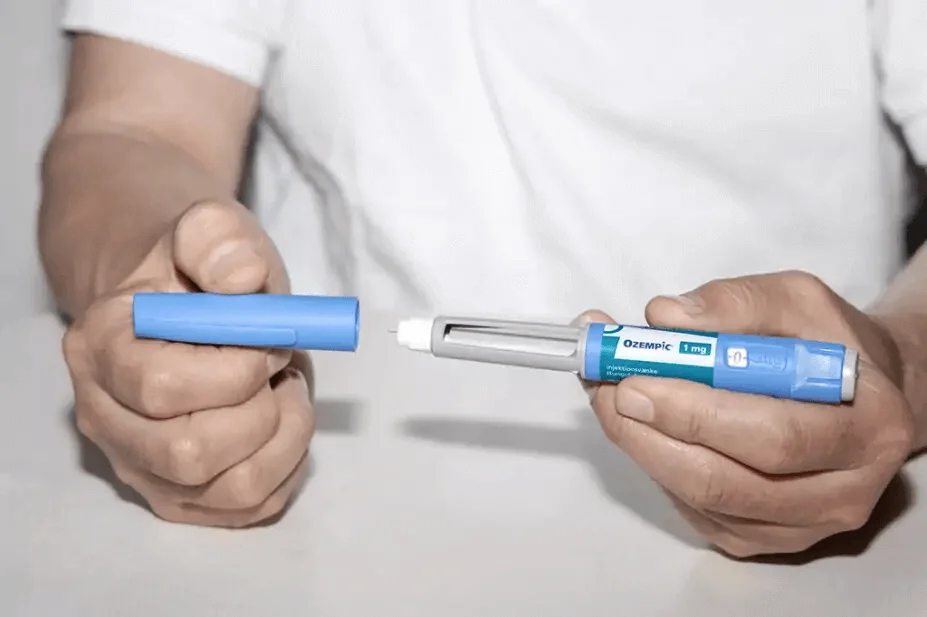
A crucial conversation about halting GLP-1 drugs pre-surgery. GLP-1 agonists, such as semaglutide and Ozempic, have become the norm for many seeking to shed pounds or manage diabetes. These drugs are effective, but they may alter the way the body processes nutrition and anesthetic. This means patients and doctors need to discuss what to do with these medications before surgery.
The risks and benefits differ for each individual. For instance, some are concerned about blood sugar swings, while others want to bypass surgical complications such as nausea, aspiration, or prolonged anesthetic recovery. Comfort and trust allow patients to share concerns. Not everyone is comfortable discussing their meds, but it’s important, particularly with new research indicating that halting Ozempic 3 to 7 days before surgery could increase the chances of intubation, aspiration, or delayed response after anesthesia.
Some physicians will now discontinue these drugs 14 days prior to significant surgeries, such as joint replacements, to reduce these vulnerabilities. This tip is not absolute. Research demonstrates the stomach emptying delay from GLP-1 agonists persists for only around 36 minutes, probably not enough to justify a week off the drug. Indeed, a meta-analysis including more than 1,500 patients could not demonstrate a compelling reason to withhold GLP-1s for 7 days prior to surgery.
Every patient’s case is unique; therefore, there is no one-size-fits-all plan. Shared decision-making gets everyone the best outcome. Others might have to adjust blood sugar management during this period, particularly if they use GLP-1s. Sometimes a high-protein shake every day, beginning one week before and extending two weeks after surgery, is recommended. This can help maintain vigor.
The decision to pause or continue a GLP-1 drug should result from an honest conversation between patient and provider, considering all the information, risks, and individual requirements. All patients on GLP-1 agonists who are undergoing surgery need to tell their doctors and nurses. With this knowledge, the care team can plan securely, observe for issues, and craft a contingency plan for sugar control.
Until recently, there wasn’t much research on how GLP-1 drugs impact surgery, so current guidance is key.
Conclusion
When preparing for surgery after discontinuing GLP-1, timing is key. Generally, most people wait around a week, but your doctor may provide a plan that better suits your health. Threats such as food in the stomach can impede recuperation. Discussing with your care team clarifies what’s optimal for you. Stick with trusted advice and ask questions if you feel uncertain. Health guidelines can change rapidly as physicians acquire new information. Voice your needs and concerns before your surgery day. For additional advice or for new updates, consult your care team or review recent health guides. Be informed and prioritize your health.
Frequently Asked Questions
How long should I wait after stopping GLP-1 medication before surgery?
Most guidelines recommend discontinuing GLP-1s at least a week prior to surgery. Check with your doctor for your individual case.
Why do I need to stop GLP-1 therapy before surgery?
GLP-1s slow stomach emptying. This puts you at risk for having food in your stomach while under anesthesia, which could result in grave complications.
Are there official recommendations for stopping GLP-1 before surgery?
Yes. Medical societies and anesthesia guidelines suggest waiting at least seven days between discontinuing GLP-1 and surgery.
Can I restart GLP-1 medication right after surgery?
You should only resume GLP-1s when your physician gives the all clear. This is generally when you are able to eat and drink again normally.
What are the main risks if I do not stop GLP-1 before surgery?
The primary risk is aspiration. This implies that food or beverage from your stomach may go into your lungs during anesthesia, which is risky.
Who decides how long I need to wait before surgery?
Your surgical and anesthesia teams will decide. They will review your medication, health status, and surgery type to create a safe plan.
What should I tell my surgical team about my GLP-1 use?
Always tell your healthcare team you are on GLP-1s. This assists them in handling your care and mitigating surgical risks.