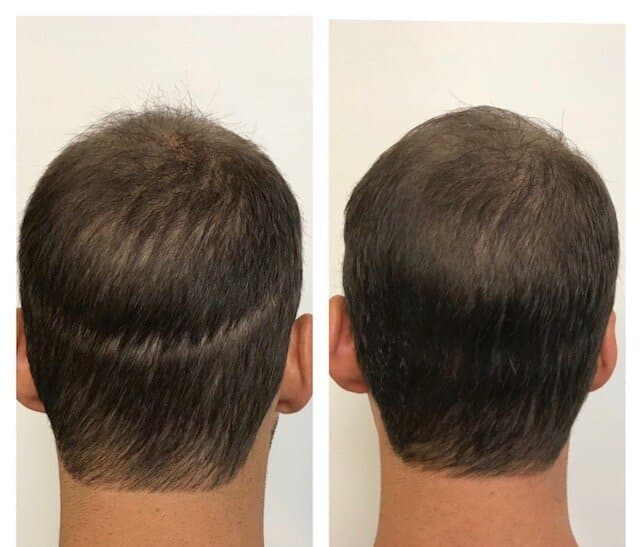
All hair transplant procedures result in some form of scarring, whether involving hairs or follicle treatments. This is due to the nature of surgical intervention. The scalp must be punctured to extract and transplant hair follicles. Even with advanced techniques, scarring cannot be completely avoided.
FUE vs. FUT Techniques
Follicular Unit Extraction (FUE) and Follicular Unit Transplantation (FUT) are the two primary methods for hair follicle grafts and surgical hair restoration.
FUE involves extracting individual hair follicles. This results in tiny, round scars that are usually less visible after typical hair transplant and hair restoration surgery. These scars can blend well with surrounding hair.
FUT, also known as strip hair transplant surgery, involves removing a strip of scalp tissue. This leaves a linear scar, which can be more noticeable after hair transplant surgery. The size and visibility of scars from hair transplant surgery depend on the skill of the surgeon and the patient's healing process.
Surgical Technique: A skilled surgeon can minimize scarring. Proper technique reduces trauma to surrounding tissues.
Individual Healing Process: People heal differently. Some may develop hypertrophic or keloid scars, which are raised and more visible.
Post-Operative Care: Following post-op instructions is crucial. Proper care can reduce inflammation and promote better healing.
Minimizing Scars
To achieve minimal hair transplant scarring, patients should:
Choose an experienced surgeon.
Follow all post-operative care guidelines.
Avoid strenuous activities that could stress the scalp.
Use recommended medications to aid healing.
Scar Removal Options
For those who already have visible scars, several hair transplant scar removal options exist:
Laser Therapy: Helps reduce scar tissue.
Microneedling: Promotes collagen production to improve scar appearance.
Scar Revision Surgery: Removes old scars and allows new, less visible ones to form.
FUE vs FUT Techniques
Scarring Outcome
FUE and FUT techniques produce different types of scars. FUE, or Follicular Unit Extraction, involves removing and transplanting individual hair follicles. This results in tiny, dot-like scars. These scars are less noticeable and spread out across the donor area after hair transplant and hair restoration surgery.
In contrast, the FUT procedure, or Follicular Unit Transplantation, involves removing a strip of skin from the scalp in hair restoration surgery. This leaves a linear scar. The linear scar from the transplant can be more visible, especially with shorter hairstyles. Cosmetically, FUE hair transplant is often preferred for those concerned about scarring visibility in hair restoration surgery.
Recovery Process
The recovery process also varies between these techniques. FUE tends to have a quicker recovery time. Patients usually experience less pain and swelling with FUE. This is because the procedure is less invasive.
FUT may involve more discomfort during recovery. The larger incision during hair transplant means there could be more pain and swelling. Recovery time might be longer due to the nature of the wound from the strip removal during hair restoration surgery and hair transplant.
Suitability Factors
Several factors determine which technique suits a patient best. The pattern of hair loss plays a crucial role. FUE is often suitable for those with smaller areas of hair loss. It allows for precise placement of individual follicles.
Scalp flexibility is another important factor. For FUT hair restoration surgery, good scalp laxity is necessary to remove a strip without causing tension on the wound edges. Patients with tight scalps might not be ideal candidates for FUT hair restoration surgery or hair transplant.
Personal tolerance for scarring also matters. Those who prefer minimal visible scarring might opt for FUE hair restoration surgery or hair transplant. However, FUT can sometimes provide better results in terms of hair density because it utilizes a larger number of grafts at once.
Scar Removal Options
Surgical Revision
Surgical scar revision is a method to reduce the visibility of FUT scars from hair restoration surgery. It involves excising the scarred tissue and re-closing the wound during hair restoration surgery. This method can be effective for wide or raised scars, including those from hair restoration surgery. Surgeons use precise techniques to remove the old scar and stitch the skin back together in hair restoration surgery. The goal of hair restoration surgery is to create a thinner, less noticeable scar.
Laser Treatment
Laser treatment is a non-surgical option for improving scar appearance. It works by stimulating collagen production in the skin. Collagen helps to smooth out and lighten scars over time, even after hair restoration surgery. Different types of lasers target various layers of the skin in hair restoration surgery. Some common lasers include CO2 and fractional lasers. Patients often need multiple sessions for optimal results.
Hair Follicle Grafting
Grafting hair follicles into scars can enhance camouflage, especially for FUT scars. Surgeons extract hair follicles from other areas of the scalp using FUE techniques. These follicles are then implanted into the scarred area. Over time, hair growth in the scar helps to blend it with surrounding hair. This method is particularly useful for those with visible strip scars from hair restoration surgery.
Micropigmentation
Micropigmentation involves injecting pigment into the skin to match the surrounding hair color. This technique uses fine needles to deposit ink into the top layers of the skin. The pigment mimics natural hair follicles, making scars less noticeable. This option provides immediate results but may require touch-ups over time.
Chemical Peels
Chemical peels use acids to remove the top layers of skin, promoting new skin growth. This method can improve the texture and color of scars. Different strengths of peels are available depending on the severity of the scar. Patients may experience redness and peeling for several days after treatment.
Dermal Fillers
Dermal fillers can be used to raise depressed scars, making them level with surrounding skin. These fillers are injected under the skin to add volume and smooth out indented areas. Results are temporary but can last several months. Common fillers include hyaluronic acid and collagen-based products.
Scar Concealment Methods
Scalp Micropigmentation
Scalp micropigmentation (SMP) is a non-surgical method. It involves injecting pigment into the scalp. This technique creates the appearance of tiny hair follicles. SMP can effectively disguise scars from hair transplants. The procedure is relatively quick and has minimal downtime.
Tricopigmentation (TMP) is similar to SMP. However, TMP uses temporary pigments. These pigments fade over time, requiring touch-ups. Both methods are ideal for those who want a realistic look without surgery.
Cosmetic Cover-Ups
Cosmetic cover-ups offer another option. Temporary tattooing can hide scars for short periods. These tattoos use skin-colored inks to blend with natural skin tones. They need regular reapplication but provide flexibility.
Permanent tattooing is also available. This method uses medical-grade pigments. The results last longer but may require occasional touch-ups. Permanent tattoos can be an excellent choice for those seeking long-term solutions without surgery.
Haircuts and Hairpieces
Strategically styled haircuts can conceal scars effectively. A skilled barber or stylist can help. They will cut and style the hair to cover the scarred areas. This method offers immediate results and is cost-effective.
Hairpieces are another option. Wigs or toupees can cover large areas of scarring. Modern hairpieces are realistic and comfortable to wear. They provide a quick solution for hiding scars.
Expertise in Scar Minimization
Skilled Surgeon
Selecting a highly skilled and experienced surgeon is crucial. Experienced hair restoration specialists know how to minimize scarring. They use advanced surgical techniques to reduce the risk of visible scars.
A skilled surgeon makes small incisions. These small incisions heal faster and leave less noticeable scars. The choice of surgeon can greatly impact the final results.
Thorough Consultation
A thorough consultation with the surgeon is essential. Discussing scarring concerns helps set realistic expectations. The surgeon will explain different procedures and their potential for scarring.
During the consultation, ask about the best technique for scar minimization. This discussion ensures that both the patient and surgeon are on the same page. It also allows for personalized treatment plans.
Surgical Techniques
Different surgical techniques affect scarring differently. Follicular Unit Extraction (FUE) involves small incisions, which usually result in minimal scarring. Follicular Unit Transplantation (FUT) may leave a linear scar in the donor area.
The choice between FUE and FUT depends on individual circumstances. The surgeon's expertise in these techniques is vital for optimal outcomes. Both methods have their benefits and drawbacks regarding scarring.
Post-Operative Care
Ongoing post-operative care is essential for managing scars. Proper care reduces the risk of complications like keloid scars. Follow-up appointments help monitor healing progress and address any issues.
Patients should follow all post-operative instructions carefully. This includes keeping the recipient areas clean and avoiding strenuous activities. Good aftercare practices promote better healing and less visible scarring.
Local Anesthesia
Hair transplant surgeries typically use local anesthesia. Local anesthesia numbs the area, reducing pain during the procedure. It also minimizes movement, which can help in making precise incisions.
Using local anesthesia allows patients to remain awake during surgery. This approach contributes to better control over the procedure, leading to fewer chances of excessive scarring.
Dermis Healing
The dermis plays a critical role in scar formation. Proper healing of the dermis ensures that scars are less noticeable. Surgeons focus on minimizing damage to this layer during surgery.
Healthy dermis healing leads to smoother skin in the scarred area. Post-operative treatments may include creams or ointments to support dermis recovery.
Recovery Period
The recovery period varies from person to person. Following post-operative guidelines helps in faster recovery and better scar minimization. Regular check-ups with the surgeon ensure that recovery is on track.
Patients should be aware that some redness or swelling is normal initially. Over time, these symptoms subside, revealing less visible scars.
Final Remarks
Understanding hair transplant scars helps you make informed decisions. FUE and FUT techniques offer different outcomes, and knowing your options for scar removal or concealment empowers you. Expertise in scar minimization is crucial for the best results.
Ready to take the next step? Consult with a specialist to explore your options. Your journey to a confident look starts now. Don't let scars hold you back. Take action today!
Frequently Asked Questions
What are hair transplant scars?
Hair transplant scars are marks left on the scalp after a hair transplant procedure. They vary based on the technique used.
How do FUE and FUT techniques differ in terms of scarring?
FUE leaves tiny, dot-like scars, while FUT results in a linear scar. FUE is less noticeable.
Can hair transplant scars be removed?
Yes, options include laser treatments, microneedling, and surgical scar revision. Consult your doctor for the best method.
Are there ways to conceal hair transplant scars?
Yes, you can use scalp micropigmentation, hair fibers, or hairstyling techniques to hide scars effectively.
What expertise is required for scar minimization?
A skilled surgeon with experience in FUE and FUT techniques can minimize scarring. Choose a board-certified specialist.
Is it possible to completely avoid scars from hair transplants?
No, but advanced techniques like FUE can significantly reduce visible scarring. Proper aftercare also helps.
How long does it take for hair transplant scars to heal?
Healing typically takes a few weeks. Full scar maturation can take several months. Follow post-op care instructions for best results.