Here you can find the latest news and surgical articles.
25 March 2026
How Instagram’s Body Standards Are Driving Liposuction Demand
Key Takeaways
Instagram plays a significant role in shaping global beauty standards, often promoting idealized body images that can impact self-esteem and body satisfaction among diverse users.
The platform’s algorithm and influencer culture uphold particular beauty ideals, fueling a global surge in demand for liposuction.
These illusions through posing, lighting, filters, and editing are feeding a demand for liposuction and time on the surgeon’s table.
Instagram communities provide an incredible amount of support and pressure to do something, anything, to change your body, which is particularly impactful on youthful viewers.
The mental health implications of continual curated and photoshopped image exposure involve greater susceptibility to body dysmorphic illnesses and psychological harm, which calls for enhanced psychological care.
Ethical standards, clear influencer disclosures, and mindful social media consumption are necessary to cultivate more supportive digital spaces and encourage positive self-perceptions worldwide.
Instagram body standards increased liposuction demand globally. They’re exposed to photos of trim waists, flat stomachs, and smooth curves, which form concepts of the “perfect” body.
Clinics and surgeons have noticed increased inquiries about liposuction, frequently with patients bringing in Instagram photos. Ephemera fly quickly on the web, though the connection between Instagram aesthetics and body image decisions is obvious.
The following sections examine why and how this occurs.
The Instagram Effect
Instagram controls our culture’s perception of beauty. It displays a constant flow of sleek, filtered photos that normalize specific body types. This effect transcends cultures, extending to users in cities and towns worldwide. Many users look at these photos daily and begin to think that the “Instagram Face”–full lips, flawless skin, and chiseled cheekbones–is the norm.
When stars and tastemakers show off their bodies, users listen. These accounts accumulate millions of views and likes and set the standard for what’s desired. As it turns out, most bodies are nothing like the ones that get the most likes. This divide between reality and image has contributed to surgery such as liposuction becoming perceived as a solution to correct what are perceived as imperfections.
1. The Ideal
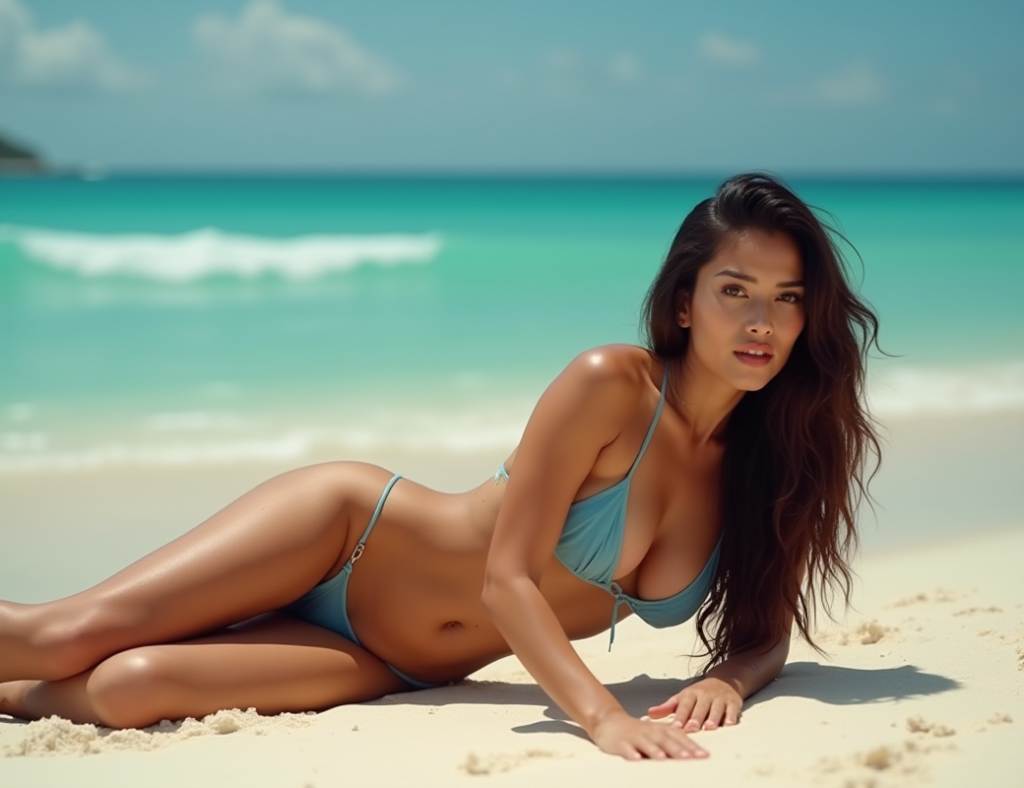
The perfect Instagram body typically signifies a flat tummy, tiny waist, hourglass hips, and sculpted legs. It’s not even about being thin—there’s a specific silhouette that draws more eyes. It’s influencers and celebrities that help set these trends, posting photos that get shared around the world.
Their reach is enormous and their styles are emulated by people around the world. The gap between these glammed-up bodies and normal, lived-in bodies is vast. Filters and editing tools blur imperfections, so the distinction between real and fake is difficult to discern. This new normal normalizes cosmetic surgery, like liposuction. Many users begin to believe it’s the sole path to attain the shapes they view online.
2. The Algorithm
Instagram’s own algorithm prioritizes content that adheres to these beauty standards. Photos that receive additional likes, comments, or shares appear more frequently in other people’s feeds. This means users are seeing the same types of bodies over and over again.
This constant exposure can lead people to compare themselves to these images, occasionally feeling worse about their own appearance. The system isn’t neutral; it promotes particular looks to the top. This bias determines what is normal or attractive to them.
3. The Normalization
They post about surgery all the time. Before and afters dominate feeds, flaunting transformations and fast fixes. Exposure to these posts again and again can alter what individuals anticipate from their own physiques.
For others, it turns surgery into just a hop along the path to looking ‘normal’. Young people, in particular, regard these shifts as natural. They may come of age believing it is typical to alter their appearance with surgery.
4. The "Proof"
A lot of patients post their surgery stories and results. These posts serve as evidence that transformation is attainable and perhaps even effortless. Hashtags like #LipoJourney or #CosmeticSurgery unite users and allow them to exchange experiences.
It makes it simpler for surgery-curious fellow patients to discover actual cases. The negative press is that viewing all of these success stories can obscure how risky and challenging the endeavor actually is. It can add stress to deliver quickly.
5. The Community
Instagram’s impact: virtual support groups develop for plastic surgery and body image. Other communities promote body positivity, providing tips and motivation for self-love. Some concentrate on dishing out advice for obtaining surgery or locating the proper physician.
Community can be comfort or encouragement to surgery. It is peer comments and stories that help form how people feel about their own body and what to do next.
Visual Deception
Visual deception on Instagram refers to employing images that do not capture reality accurately. With millions of photos shared each day, a lot of us are being sold edited or posed bodies. Easy tricks, such as posing, lighting, filters, and edits, can transform the way someone looks. This influences what men believe to be normal or desirable.
A lot of teens begin to become dissatisfied with their own bodies when they compare themselves to these fake pictures. Research finds that 40% of young adults are pressured by social media to consider cosmetic surgery. Both sexes are affected. Up to 70% of young women and 60% of young men say they are unhappy with their appearance.
The lines between real and fake blur, making it difficult to discern what is genuine.
Posing
Some poses make a body appear skinnier, taller or more muscular than it really is. By standing at an angle, tilting the hips, or arching the back, users fashion shapes that fit trendy beauty standards. This style of posing is prevalent in selfies and full-body photos.
It’s a body confident message that frequently conceals seams or natural body lines. When users view these poses, they might replicate them, aiming to achieve similar results. Eventually, this can alter the way they perceive their own bodies, leading to frustration when their pictures don’t look like the ones online.
It’s a vicious cycle, with more folks employing the same poses to conform.
Lighting
Lighting can alter the appearance of skin, muscles, and body contour. Soft, bright lights can blur skin and make bone structure appear more defined. Shadows can emphasize muscles or trim the waist. Ambient sunlight does something different than studio lights.
Influencers employ lighting to display their physique at the most flattering angle. It can make their photos pop, resulting in more likes and followers. For viewers, such flawless visuals establish a high standard.
When real life doesn’t measure up, it can result in body shame or the desire for cosmetic solutions.
Filters
Smooth skin
Change skin tone
Sharpen features
Add glow
Slim face or body
Filters alter the way folks appear, usually making them conform to societal beauty ideals. Filters can trick you into what you think is normal. They can damage self-esteem and cause individuals to be insecure about their actual looks.
The more filters there are, the less real the pictures become. The audience won’t believe their eyes, but they’ll still be pressured to look the same.
Edits
Image manipulation is ubiquitous on Instagram. Folks employ them to reshuffle figures, disappear blemishes and features. Photoshopped pictures can appear flawless, but they aren’t authentic. This makes me wonder about integrity and ethics.
When edits go too far, some followers notice and can call out influencers. Hard editing makes other people feel crummy about their own bods. It promotes the notion that only ideal bodies are acceptable, exacerbating body-related unhappiness.
Influencer Culture
On Instagram, influencer culture influences perceptions of beauty, body size, and popular trends. These platforms display images that establish thinly defined ideals, frequently glamorizing lean or fit physiques, which can impact user self-perception. The influencer explosion has altered the perception of cosmetic procedures by normalizing or even framing them as necessary for those who want to conform to these ideals.
Influencers can pivot trends in the blink of an eye, resulting in increased demand for services such as liposuction. Here’s a table of influencer marketing and beauty.
Area
Impact Example
Result on Audience
Trends
Promoting “hourglass” figure
Increased demand for liposuction
Engagement
High likes on body-focused posts
Upward social comparison
Consumer Behavior
Shared surgery experiences
Normalization of cosmetic procedures
Aspiration
Influencers tend to post polished snapshots depicting a dream existence. These posts emphasize not only clothing or makeup, but figure, skin, and fitness. A lot of followers look at these pictures as objectives, and that can generate intense emotions. Some are motivated to strive for wellness, but others are alienated if they don’t measure up to these standards.
Instagram-surfing, particularly of the influencer variety, results in additional upward comparison. That is, they compare themselves to a “better” user. Research reveals this is connected to reduced body appreciation and self-esteem. For teens and young adults, the stakes are higher. They are spending more time scrolling and liking, which molds their self-body image.
Yet aspiration can be good sometimes. When influencers display genuine, multifaceted bodies and tell truthful narratives, it can assist certain users in feeling acknowledged and appreciated. Too frequently, the emphasis remains on a slender physical ideal.
Promotion
Influencers employ lots of methods to market cosmetic procedures. They post transformation photos, describe their surgery experiences, and refer to clinics. Some operate branded paid partnerships, while others provide personal recommendations or discount codes.
These ads hit hard. If a trusted influencer raves about a procedure, the demand increases. Their followers might view surgery as an easy patch to keep up with fashion. There are ethical issues. Some influencers might not be transparent about sponsored content or the perils of surgery.
This can create unrealistic expectations. The never-ending carousel of aesthetic fads can push users to turn to surgery for validation, and this can impact public health if not managed mindfully.
Trust
Trust is everything between influencers and their followers, particularly on body image issues. Followers seek authenticity and authenticity is found in story. Authenticity attracts attention and loyalty.
There’s danger. Misinformation about plastic surgery or obscuring sponsorships can destroy trust and promote harmful messages. Being transparent about sponsored content and how far cosmetic procedures can go is essential to protecting and educating audiences.
Psychological Toll
The Instagram body ideals drive has a psychological toll. For a lot of users, nonstop posts and pictures of thin bodies, chiselled features, and perfect skin come to form their own notions of attractiveness. This isn’t confined to one part of the country or to one generation.
Research indicates that younger girls and teens between the ages of 15 and 17 specifically experience significantly less body appreciation than adults. With edited selfies and filtered photos being shared everywhere, it’s difficult for users to appreciate their own appearance. Selfie-editing prior to posting has been demonstrated to increase social appearance anxiety, so you worry more about how people perceive you online and in the real world.
This anxiety isn’t trivial—data reveals that it explains over 5% of the variance in appearance-based stress.
Statistic
Value
Body dysmorphic disorder (BDD) cases linked to social media
38% increase
Instagram users interested in cosmetic procedures, influenced
80%
Females posting their own photos/stories on Instagram
1 in 4
Social appearance anxiety variance from selfie-editing
5.5%
| Perceived deformities clamoring for surgery because of selfies | 46%
Body dysmorphic disorder or BDD is increasing with a 38% spike in cases associated with social media use. BDD is where someone is obsessed with a perceived defect in their appearance, typically one that others cannot even perceive. Instagram-fueled feed comparison can fuel this fixation.
Many users, whether male or female, find themselves trapped in an endless loop of comparing their body to what they see online. This frequently results in emotional turmoil, despair, and unworthiness. For teens, even viewing weight loss photos can trigger these emotions. One in four girls has posted their own pictures or stories, increasing the stress when likes or comments come up short.
This comparison loop causes others to contemplate or pursue cosmetic surgery. Roughly 80 percent of users are intrigued by such treatments, usually because they feel inadequate with their bodies when they view retouched or posed pictures.
This psychological toll is particularly acute because almost half of those who perceive a flaw want surgery to ‘fix’ it. Body image discrepancy—perceiving your body as different from how you wish it looked—and lack of body appreciation are major reasons why people begin to consider surgery.
It’s the reason mental health awareness is important. When people are aware of these risks, they’re able to recognize symptoms of suffering and get help. Being mindful can redirect attention away from appearance and toward health, which is essential in our social media fueled culture.
Global Aesthetics
Instagram defines beauty globally. Photos of waif-thin bodies, flawless skin, and chiselled faces are all around us. This look transcends borders. Humans across cultures view the same body shapes and faces in their feed. This complicates efforts to maintain diverse notions of beauty. Increasingly, there is a beauty standard that seems global, even if you come from very different backgrounds or locations.
Social media drives this trend. Almost 50% of college women report that advertising on platforms like Instagram has caused them to consider a look alteration, occasionally even with surgery. Thousands of people are miserable with their body parts after looking at flawless images online. Others find imperfections in selfies they want to mend with liposuction or other interventions. Around 46% of those who suspect a defect in a selfie desire surgery to correct it.
Not just in this country, Instagram and Snapchat are big in a lot of places, and these apps’ privacy tools make it safe for people to post manipulated pictures. The more people are on these platforms, the more they are likely to feel unhappy about their bodies.
A major concern is the dissemination of Western notions of beauty. Most of the liked and shared photos on Instagram exhibit Western-style bodies and faces. For them, this frequently translates into lighter skin, slim waists, and chiseled features. It may cause outsiders to feel they have to alter their appearance to conform to this standard.
Cultural appropriation is prevalent. We take styles, features, or body shapes from other cultures that aren’t our own, without understanding the significance. This can make people feel as if their own culture is inferior or that they must assimilate to be accepted.
Various cultures respond in various ways. For instance, Americans might be more forgiving of celebs who shape-shift their appearance with surgery than South Koreans. The desire to belong and look good in pictures trumps all here. Around 80% of people say they would contemplate cosmetic surgery, frequently after viewing ‘perfect’ bodies online.
Even editing your selfies before you post them is de rigueur and makes you nervous about how others will view them. This makes it that much easier for one look to be the norm, and this makes it tougher for other body types to earn some respect.
Ethical Boundaries
The Instagram body standard has increased the desire for liposuction and other procedures. Influencers are often so integral to self-identity that their behavior prompts ethical concerns about encouraging beauty standards. Research reveals social media exacerbates body dissatisfaction and surgery aspiration, with as many as 80% of individuals displaying interest, particularly young middle-class adults. Open and accountable marketing matters now more than ever.
Disclosure
Complete disclosure in influencer collaborations with beauty brands fosters credibility. When influencers advertise cosmetic procedures without obvious transparency, it blurs the lines for consumers around what is paid for and what is real. This secrecy can impact how they view their own bodies or make medical decisions, at times causing unsafe behaviors.
These days, legally it is mandatory in many places for influencers to tag sponsored posts, but the enforcement is still spotty. Additionally, a few plastic surgeons blur the line between personal and professional, which can muddle or coerce followers. Law and platform rules are not always explicit or enforced, either, putting users in danger of navigating these decisions without all the information.
Open disclosure is a minimum to keeping an audience safe and preserving trust.
Responsibility
Checklist for responsible social media use:
Always remember to be skeptical about reality, particularly with before and after photos.
Follow accounts that represent diverse body types and ages.
Limit time on image-centric platforms to minimize comparison.
Report posts that spread false or unsafe health claims.
Check if cosmetic promotions are properly labeled as ads.
College teaches you something critical about body image. Schools, parents, and community groups can educate young people to identify unrealistic standards and the dangers of cosmetic surgery.
When used responsibly, social media can encourage body positivity and self-love. Society as a whole has an obligation to reinforce positive body image by valuing variety and preventing the dissemination of damaging conceptions of beauty.
Regulation
The existing regulations on cosmetic surgery ads on social media are patchy and tend to be behind emerging trends. Certain nations mandate explicit cautions or prohibit specific advertisements; however, the majority do not.
You’re right that policy changes could help protect consumers from misleading content by requiring stronger disclosures or limiting who can advertise surgeries. Fine, you say, what about the ethical boundaries?
Additional regulation would impact not only influencers but brands and doctors. Sure, it might raise the bar and avoid damage, but it could restrict individual liberty and stifle industry.
Conclusion
Instagram influences body image. Users scroll through airbrushed photos and manufactured existences. So many are drawn to conform to these images. Liposuction trends demonstrate this push. Instagram photos can blur those lines between real and fake. The effect is profound, spanning from self-perception to physician consultations. Instagram influencers and brands set the standard, pushing liposuction demand. People around the world feel the pull. Standards change quickly and a lot of people get left behind. For doctors, they face hard choices on what is right and what is safe. Candid conversations and hard truths help establish reasonable footing. Get the scoop or sound off in our upcoming live chat! Be aware, be real and watch yourself.
Frequently Asked Questions
How does Instagram influence body image standards?
Instagram showcases perfect bodies, filtered and photoshopped. This can establish unrealistic standards and cause viewers to feel compelled to appear a specific way.
Why has demand for liposuction increased with Instagram’s popularity?
As consumers are exposed to more doctored, glamorized bodies on Instagram, many go to get liposuction to fill these Instagram body standards.
Are Instagram photos always a true reflection of reality?
A lot of Instagram pictures are filtered, tricking us into thinking people actually look like that in real life.
What is the psychological impact of Instagram body standards?
The unrealistic images cause girls to become anxious, develop low self-esteem, and be unhappy with their own bodies.
How has influencer culture shaped global beauty standards?
Instagram body standards liposuction demand Their massive audiences assist in promoting these values globally.
Is the trend of seeking cosmetic surgery influenced by global aesthetics?
Worldwide access to Instagram disperses beauty standards, leading individuals from various cultures to seek identical procedures.
What ethical concerns arise from promoting cosmetic procedures on Instagram?
Advertising surgery under the guise of authenticity dupes viewers, particularly impressionable youth, into thinking it is safe and glamorizes it.