Here you can find the latest news and surgical articles.
21 September 2024
Innovative Applications of 3D Printing in Cosmetic Surgery
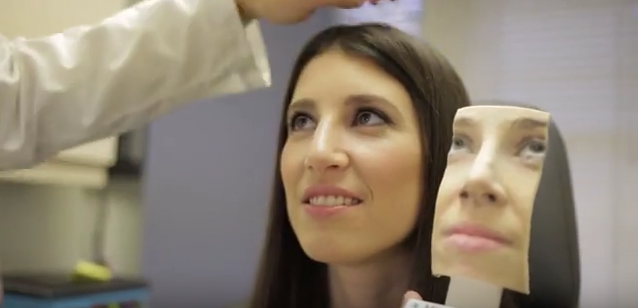
Did you know that 3D printing in cosmetic surgery, especially in craniofacial procedures and surgical use by reconstructive surgeons, has increased by over 30% in the last few years with intraoperative bioprinting? This innovative technology is revolutionizing how surgeries are performed. Surgeons now create precise models of patients’ anatomy, leading to better outcomes and shorter recovery times.
With 3D printing, custom implants and prosthetics can be made quickly and efficiently. This not only enhances the surgical process but also boosts patient satisfaction. The ability to visualize and plan procedures in advance reduces risks significantly. As the field continues to evolve, more practitioners are embracing this game-changing tool. Discover how 3D printing is shaping the framework of cosmetic surgery with custom design and what it means for patients seeking enhancements.
Key Takeaways
3D printing is transforming cosmetic surgery by creating personalized implants and prosthetics tailored to each patient's needs.
Surgeons can use various 3D printing techniques, such as FDM and SLA, to produce high-quality models that enhance surgical planning and outcomes.
The benefits of 3D printing include improved precision, reduced surgery time, and better patient satisfaction, as seen in successful case studies.
Innovations in this field are leading to more effective intraoperative solutions, such as custom surgical guides that help in achieving desired results.
Medical education is enhanced through the use of 3D printed models, allowing students and professionals to practice procedures in a safe environment.
Ethical considerations must be addressed, ensuring patient safety and informed consent as the technology continues to evolve.
Overview of 3D Printing in Surgery
Transforming Procedures
3D printing plays a vital role in modern surgery through custom design. It has transformed surgical procedures, especially in craniomaxillofacial operations. Surgeons use this technology to create precise models of patients' anatomy. These models help them plan and execute complex surgeries with greater accuracy.
In 2016, researchers demonstrated the effectiveness of intraoperative bioprinting. They printed tissue during surgery, allowing for real-time adjustments. This advancement reduces complications and improves patient outcomes. Surgeons can now visualize the exact structure, enhancing their plastic surgery experience, before making any incisions.
Patient-Specific Models
Crafting patient-specific models is a significant benefit of 3D printing. Hospitals now utilize hospital 3D printers to produce customized guides and splints, enhancing plastic surgery experience. These tools ensure that surgeons can perform procedures tailored to each patient's unique anatomy.
For example, in jaw surgeries, 3D-printed models help surgeons with their plastic surgery experience to understand the patient's jaw structure better. They can simulate the surgery beforehand, leading to fewer surprises during the actual operation. This preparation enhances precision and boosts confidence among surgical teams.
Comprehensive Approach
Plastic surgery incorporates 3D printing for soft tissue and skeletal modifications. Surgeons often use this technology for reconstructive procedures. They can create implants that fit perfectly into the patient's body.
The integration of 3D printing into plastic surgery allows for innovative solutions. For instance, custom implants can be designed to match the patient's existing bone structure. This approach minimizes discomfort and speeds up recovery times.
Surgeons also use 3D-printed scaffolds in soft tissue reconstruction. These scaffolds support new tissue growth, promoting healing. The combination of technology and biology leads to better surgical results.
Advantages of 3D Printing
Enhanced precision in surgeries.
Customized implants and models.
Reduced surgery time.
Improved patient satisfaction.
Faster recovery rates.
Surgeons report higher success rates with these advanced techniques. Patients experience fewer complications and shorter hospital stays.
Future Prospects
The future of 3D printing in surgery looks promising. Ongoing research aims to expand its applications further. Innovations will likely lead to even more personalized treatment options.
As technology advances, hospitals will adopt more sophisticated printers. This shift will enhance capabilities in various surgical fields beyond maxillofacial surgeries.
Types of 3D Printing Techniques
Contour Models
Contour models are basic yet essential in 3D printing for cosmetic surgery. These models provide a visual representation of the patient's anatomy. Surgeons use them to plan procedures more effectively.
These models often focus on external features. They help in understanding complex shapes. For instance, contour models can showcase facial structures before surgery. This allows for better decisions during the operation.
Guides
Guides are another crucial type of 3D printed object. These devices assist surgeons in achieving precise cuts and placements. They serve as templates that direct instruments during surgery.
Surgeons can create guides tailored to each patient. This customization leads to improved accuracy. For example, dental surgeries benefit significantly from surgical guides. They ensure that implants are positioned correctly.
Splints
Splints represent a more specialized application of additive manufacturing. These devices provide support and stability after surgery. They are often used in bone reconstruction or joint repairs.
The design of splints can be patient-specific. This feature enhances comfort and effectiveness during recovery. By fitting perfectly, splints reduce complications and promote healing.
Implants
Implants are among the most advanced applications of dimensional printing technologies in cosmetic surgery. These objects replace or enhance body parts directly. They include items like breast implants or facial prosthetics.
Creating implants through commercial 3D printers allows for high precision. The technology ensures that each implant matches the patient's unique anatomy. This level of detail improves both function and appearance.
Progression from Simple to Complex Objects
The progression from simple to complex objects is notable in surgical applications. Initially, contour models served as the foundation for understanding anatomy. As technology advanced, guides emerged to enhance surgical precision.
Next came splints, which provided post-operative support. Finally, implants represented the peak of 3D printing techniques in this field. Each step built upon the last, leading to better outcomes for patients.
Distinct Purposes in Surgical Precision
Each type of 3D printed object serves a distinct purpose in enhancing surgical precision and outcomes. Contour models aid in initial planning and visualization. Guides ensure accurate execution during operations.
Splints offer necessary support during recovery, while implants directly improve functionality and aesthetics. The integration of these techniques into cosmetic surgery has transformed the field. Surgeons now have tools that lead to safer and more effective procedures.
Benefits and Applications in Cosmetic Surgery
Precision in Surgery
3D printing enhances precision in craniomaxillofacial surgeries. This is especially important in pediatric cases. Surgeons can create patient-specific models using advanced imaging techniques. These models allow for better planning and execution of the surgery.
Facial plastic surgeons utilize these models to visualize the anatomy before operating. The accuracy of the printed replicas helps reduce complications during procedures. Surgeons can practice on these models, increasing their confidence.
Cost-Efficiency
The technology offers significant cost-efficiency in the plastic surgery practice. Traditional methods often require longer preparation times and resources. 3D printing reduces this time dramatically.
Surgeons can produce surgical guides and implants quickly, leading to faster operations. This efficiency translates to lower costs for both patients and hospitals. As a result, more people can access necessary procedures.
Mirroring Techniques
Mirroring techniques play a crucial role in creating accurate replicas. These techniques allow surgeons to design models that reflect the patient's unique features. For example, if a patient needs reconstructive surgery, surgeons can create a model that mirrors their healthy side.
This approach ensures that the results are more natural-looking. Patients benefit from enhanced aesthetic outcomes after surgery. It also aids in patient satisfaction, as they see realistic expectations from their procedures.
Reconstructive Surgery Impacts
3D printing significantly impacts reconstructive surgery as well. Surgeons can use it to replace missing or damaged parts of the face or skull. Customized implants fit better than traditional options, promoting healing.
In craniomaxillofacial operations, this technology allows for precise adjustments based on individual anatomy. It minimizes the need for extensive revisions post-surgery.
Innovation in Plastic Surgery
The integration of 3D printing represents a major plastic surgery innovation. Interns in plastic surgery centers learn to use this technology early in their training. They gain valuable experience with modern tools that enhance surgical outcomes.
As more practices adopt this technology, it changes how surgeries are performed. The future of plastic surgery looks promising with ongoing advancements.
Clinical Uses and Innovations
CT Scan Data
CT scans play a vital role in 3D printing for cosmetic surgery. Surgeons use CT scan data to create precise 3D models of patients' anatomy. This process involves converting the scan data into DICOM format. DICOM stands for Digital Imaging and Communications in Medicine. It standardizes the sharing of medical images.
Surgeons can analyze these models before performing procedures. They gain insights into complex structures, such as facial bones or soft tissues. These detailed representations help in planning surgeries more effectively. The accuracy of the models reduces risks during actual operations.
Custom Surgical Tools
3D printing allows for the customization of surgical tools and implants. Surgeons can design tools that fit specific patient needs. This innovation leads to better precision during surgery. For example, customized cutting guides help surgeons align their instruments accurately.
Implants are also tailored using 3D printing technology. Surgeons can create implants that match the patient's unique anatomy. This personalization improves integration with the body. Patients experience fewer complications and faster recovery times.
Case Studies
Several case studies highlight the impact of 3D printing in cosmetic surgery. One notable case involved a patient needing facial reconstruction after an accident. Surgeons used 3D printing to create a model based on CT scans. They practiced the procedure using this model before operating on the patient.
The results were remarkable. The reconstruction was successful, with minimal scarring and improved symmetry. The patient reported high satisfaction with the outcome.
Another case focused on breast reconstruction after cancer treatment. Surgeons utilized 3D printed implants designed specifically for the patient's body shape. This approach reduced recovery time and enhanced aesthetic results.
These examples illustrate how 3D printing enhances surgical outcomes in cosmetic procedures. The technology not only improves precision but also boosts patient confidence in their results.
Surgical Planning with 3D Models
Preoperative Process
Surgeons use 3D technology to create detailed models of surgical objects. This process begins with imaging techniques like CT scans or MRIs. These images provide a clear view of the patient's anatomy. Surgeons then convert these images into 3D models using specialized software.
These models allow surgeons to visualize complex structures before surgery. For example, in craniofacial surgery, a surgeon can identify critical areas that need attention. This step enhances planning for reconstructive surgeries. It helps in understanding how to approach the procedure effectively.
Enhancing Precision
3D models play a significant role in increasing surgical precision. They help reduce intraoperative surprises by allowing surgeons to anticipate challenges. Many plastic surgeons find that having a physical model improves their understanding of the case.
Customized implants can be designed based on these models. This customization ensures that the implant fits perfectly in the patient’s unique anatomy. In craniomaxillofacial surgeries, this accuracy is crucial for successful outcomes. The ability to practice on a model builds confidence and sharpens reconstructive surgery skills.
Collaboration Between Experts
Collaboration is key in developing effective 3D models for surgery. Plastic surgeons work closely with engineers and designers. Together, they create models that reflect the specific needs of each patient.
Engineers apply their knowledge of materials and design to improve surgical tools. They ensure that the models are accurate and functional for surgical planning. This teamwork results in better-designed custom implants tailored to the individual.
In pediatric plastic surgery, this collaboration becomes even more important. Young patients have unique anatomical features, requiring precise adjustments in planning and execution. By working together, surgeons and engineers enhance the effectiveness of surgical procedures.
Intraoperative and Postoperative Uses
Surgical Use
3D printing plays a crucial role in surgical applications. Surgeons use 3D printed guides during procedures. These guides help ensure precision when placing implants or making incisions. For example, a custom guide can align with the patient's anatomy perfectly. This alignment reduces the risk of errors. It also minimizes damage to surrounding tissues.
3D printed splints serve a similar purpose. They provide support and stabilization during surgery. Their custom design matches the patient's unique anatomy. As a result, surgeons can operate more confidently. The accuracy gained from these tools often leads to better outcomes.
Design
The design of 3D printed models significantly impacts surgery. Surgeons can visualize complex structures before operating. This visualization aids in planning the surgical approach. Models can replicate bones or soft tissues accurately. Surgeons study these models to anticipate challenges.
3D printing allows for quick modifications. If a surgeon identifies a need for change, they can adjust the design rapidly. This flexibility is vital in cosmetic surgery, where every detail matters.
Postoperative Benefits
Postoperatively, 3D printing continues to offer advantages. Customized recovery aids are one key benefit. Patients receive tailored splints or supports that fit their specific needs. These personalized devices enhance comfort and promote healing.
Prosthetics also benefit from 3D printing technology. Custom prosthetics are designed based on individual measurements. This results in better fitting and improved functionality for patients. The ability to create patient-specific prosthetics speeds up recovery time and enhances quality of life.
Reduced Surgery Time
3D printing has the potential to reduce surgery time significantly. With precise guides and models, surgeons can work more efficiently. They spend less time figuring out placements during the operation. Instead, they follow the plan laid out by the 3D printed tools.
This efficiency translates into quicker procedures and shorter anesthesia times for patients. Shorter surgeries often lead to reduced complications as well. Improved recovery times mean patients return to their daily activities faster.
Medical Education and Training
Custom Models
3D printing plays a vital role in medical education. Surgeons and medical students use custom 3D printed models to enhance their training. These models replicate real anatomical structures. They help in understanding complex cases better than traditional methods.
Surgeons can practice on these models before performing actual surgeries. This preparation leads to better outcomes during real procedures. Students benefit from hands-on experience with realistic representations of human anatomy. The ability to touch, manipulate, and explore these models aids learning significantly.
Surgical Simulation
3D printed models allow for the simulation of complex surgeries. Surgeons can rehearse challenging operations beforehand. For instance, reconstructive surgery often involves intricate techniques. Practicing on a model provides invaluable insights into the process.
Using these simulations helps identify potential issues before surgery begins. Surgeons can experiment with different approaches without risk to patients. This method builds familiarity with surgical instruments and techniques. It also reduces anxiety during actual procedures.
Skill Development
The impact of 3D printing on surgical skills is profound. Surgeons improve their dexterity and confidence through repeated practice on custom models. The hands-on approach fosters muscle memory, essential for precision in surgery.
A study conducted by the Journal of Surgical Education supports this claim. It found that residents who trained with 3D models performed better in actual surgeries. Their error rates were lower compared to those who relied solely on traditional training methods.
The ability to visualize complex structures enhances understanding. Surgeons develop a clearer picture of what they will encounter during surgery. This clarity translates into improved decision-making in the operating room.
Enhanced Learning Experience
Medical students gain a richer learning experience through 3D printing technology. They can study specific cases relevant to their future practice. Custom models can be tailored to represent various conditions or anomalies.
This personalized approach makes learning more engaging and effective. Students feel more prepared when they enter clinical settings. Their confidence grows as they become familiar with intricate details of human anatomy.
Ethical and Safety Considerations
Accuracy Concerns
3D printing in cosmetic surgery raises concerns about the accuracy and reliability of surgical tools and implants. The precision of these printed items directly affects patient safety. Any minor error in dimensions can lead to complications during surgery. For instance, if a 3D printed implant does not fit correctly, it may require additional surgeries. This can increase risks for patients and add to healthcare costs.
The technology must ensure that every device meets the required specifications. Regular testing and validation are essential to maintain high standards. Without proper checks, the risk of using faulty devices increases. Surgeons must trust that their tools will perform as expected.
Regulatory Standards
Regulatory standards play a critical role in ensuring safety in 3D printing for medical use. In the United States, the Food and Drug Administration (FDA) oversees medical devices, including those created with 3D printing. The FDA requires thorough testing before these products can be used on patients.
Quality control is vital throughout the manufacturing process. Manufacturers must follow strict guidelines to produce safe and effective devices. This includes using certified materials and maintaining clean environments during production. If these standards are not met, it could lead to serious health issues for patients.
Patient Consent
Ethical considerations also arise in patient consent regarding 3D printed interventions. Patients should be fully informed about the procedures they undergo. They need to understand how 3D printing affects their treatment options. Customization of surgical interventions can offer benefits but may also introduce risks.
Surgeons must explain the potential outcomes of using customized implants or tools. Patients should know how these innovations differ from traditional methods. Clear communication fosters trust between patients and healthcare providers.
Informed consent requires more than just signing a form. It involves discussions about risks, benefits, and alternatives to treatment. Patients need time to ask questions and consider their options.
Customization Risks
Customization in surgery allows for tailored solutions for individual needs. However, it carries unique risks. Not all patients may be suitable candidates for customized procedures. Factors like age, health status, and specific conditions must be considered.
Surgeons should assess each case carefully before proceeding with customization. A thorough evaluation ensures that patients receive appropriate care tailored to their situations.
Future Directions and Trends
Advancements in Materials
New materials will transform 3D printing in cosmetic surgery. Researchers are developing bio-compatible materials. These materials can mimic human tissue properties. This advancement leads to better integration with the body. For example, bioprinting uses living cells to create tissues. This technology can improve reconstructive surgeries.
Innovations like smart materials will also emerge. These materials can change shape or function in response to environmental stimuli. Such advancements could enhance surgical outcomes. They may allow for more complex structures that traditional methods cannot achieve.
Personalized Medicine
3D printing enables personalized medicine in cosmetic surgery. Surgeons can create custom implants tailored to individual patients. This approach enhances fit and comfort during procedures. It minimizes complications and speeds up recovery.
Creating patient-specific anatomical models will become common. These models help surgeons plan complex operations. They allow for better visualization of the surgery site. Surgeons can practice before the actual procedure, leading to improved precision.
Remote and Automated Printing
Emerging trends show a shift towards remote and automated 3D printing. Surgeons can send designs to printers located anywhere in the world. This capability expands access to advanced cosmetic procedures.
Automated systems will streamline production processes. They can reduce human error and increase efficiency. This technology allows for faster turnaround times for surgical needs.
Telemedicine will play a role too. Patients may consult with surgeons remotely, discussing their needs before printing begins. This trend makes cosmetic surgery more accessible.
Framework for Implementation
A clear framework is essential for integrating 3D printing into cosmetic surgery. Regulatory bodies need to establish guidelines for safety and efficacy. These regulations ensure that new technologies meet industry standards.
Training programs will also be necessary for medical professionals. Doctors must understand how to use these technologies effectively. Education on 3D printing techniques will become part of medical training.
Collaboration between engineers and healthcare providers is vital. This partnership fosters innovation and addresses challenges in the field.
Closing Thoughts
3D printing is revolutionizing cosmetic surgery. It enhances precision, personalization, and patient outcomes. From surgical planning to training, its impact is profound. Ethical considerations remain crucial as the technology evolves. Staying informed on these developments ensures you can leverage the benefits while addressing potential challenges.
As you explore this innovative field, consider how 3D printing can enhance your practice or personal choices in cosmetic procedures. Embrace these advancements to improve results and patient satisfaction. The future is bright—stay ahead of the curve and make informed decisions that benefit you and your patients.
Frequently Asked Questions
What is 3D printing in cosmetic surgery?
3D printing in cosmetic surgery involves creating customized implants and models using digital designs. This technology enhances precision and personalization in surgical procedures.
How does 3D printing benefit cosmetic surgery?
It allows for tailored solutions, improved surgical outcomes, and reduced operation times. Patients receive more accurate results that align with their aesthetic goals.
What are common applications of 3D printing in cosmetic surgery?
Applications include creating facial implants, reconstructive models, and patient-specific surgical guides. These tools enhance both planning and execution during surgeries.
Are there any risks associated with 3D printing in surgery?
As with any medical technology, there are potential risks. These include material biocompatibility issues and the accuracy of printed models. Proper protocols can mitigate these concerns.
How does 3D printing aid surgical planning?
Surgeons can visualize complex anatomy through 3D-printed models. This enhances understanding and allows for better strategic planning before the actual procedure.
Can 3D printing improve medical education?
Yes, it provides realistic models for training. Medical students and residents can practice on lifelike replicas, enhancing their skills and confidence before real surgeries.
What is the future of 3D printing in cosmetic surgery?
The future looks promising with advancements in materials and techniques. Innovations will likely lead to even more personalized treatments and enhanced patient outcomes in cosmetic procedures.