Here you can find the latest news and surgical articles.
28 August 2024
Labia Majora Augmentation Techniques | Hyaluronic Acid Fillers and Fat Transfer
Labia majora augmentation is gaining traction in cosmetic procedures. This technique involves labial augmentation to enhance the outer lips of the vulva for aesthetic and functional reasons, and the labial filler procedure may include labial puffing, as the labia augmentation procedure varies. Historically, women have sought ways, including aesthetic surgery and the vaginal rejuvenation process, to improve their appearance and confidence in their look and external genitalia. In recent years, social media has spotlighted body positivity, encouraging many to explore cosmetic options like aesthetic surgery, labia augmentation, major augmentation, and labial augmentation. The procedure, such as labia augmentation or labial filler, can help address concerns like asymmetry or size, leading to improved self-esteem through this surgical technique. With advancements in technology, labial filler and labia majora augmentation have become safer and more accessible. Understanding this procedure, such as labia augmentation or labial filler, can empower individuals to make informed choices about their bodies. It’s essential to consult qualified professionals for labial augmentation, labia augmentation, and labial filler to discuss options and expectations.
What is Labia Majora Augmentation
Definition
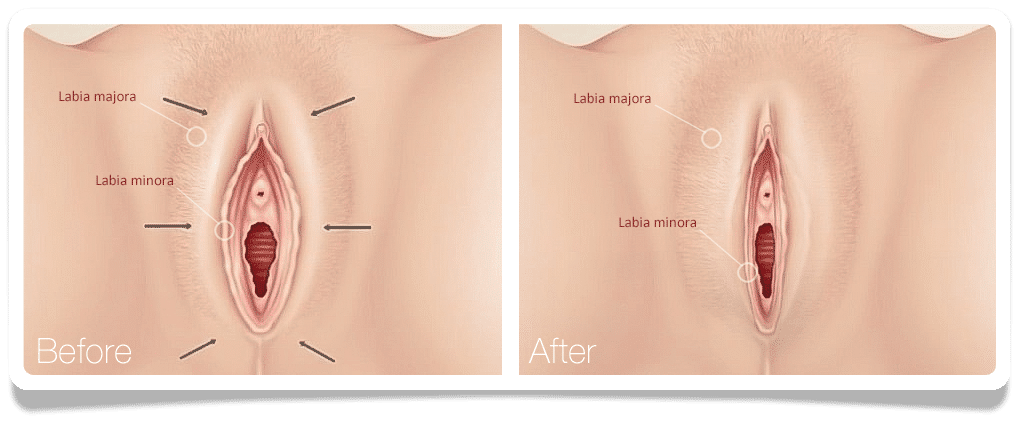
Labia majora augmentation is a cosmetic procedure. It aims to restore the youthful appearance of the labia majora region. Many women choose this procedure for various reasons. Aging, childbirth, and hormonal changes can affect the appearance of the labia. This procedure helps to enhance volume through labia augmentation and improve overall aesthetics.
Alternative Names
Labia majora augmentation is also known as labial puffing. This term highlights its focus on increasing volume in the labia majora. It can be part of a broader category called vaginal rejuvenation, including labia augmentation. Vaginal rejuvenation includes several procedures aimed at improving comfort and appearance. Labial puffing specifically targets the outer lips of the vagina.
Hyaluronic Acid Fillers are popular due to their effectiveness and safety. These fillers are injected into the labia majora area. They create immediate volume and shape enhancement. The results can last from six months to over a year, depending on individual factors.
Fat transfer is another option. This method uses fat harvested from another part of the body. The surgeon removes fat through liposuction, purifies it, and then injects it into the labia majora region. Fat transfer provides longer-lasting results compared to fillers. However, it requires more time for preparation and recovery.
Considerations
Patients should consider several factors before undergoing labia enhancement. Consulting with a qualified surgeon is crucial. They can provide guidance based on individual needs and medical history. Understanding potential risks and complications is important too. Common side effects include swelling, bruising, and discomfort after the procedure.
Recovery time varies based on the technique used. Patients may need to avoid strenuous activities for a few weeks post-surgery. Following aftercare instructions can help ensure optimal results.
Benefits
Labia majora augmentation offers several benefits. It enhances self-esteem and body image for many women. Improved aesthetics can lead to increased confidence in intimate situations. Some women report improved comfort during physical activities.
Overall, labia enhancement can be a valuable option for those seeking changes in their labia majora region.
Methods of Labia Majora Augmentation
Hyaluronic Acid Fillers
Common fillers for labia majora augmentation include Restylane, Perlane, and Juvederm. These products contain hyaluronic acid, which is a natural substance in the body. The procedure involves injecting these fillers into specific layers of the labia majora. This method ensures even distribution and long-lasting fullness.
Results are immediately visible after the procedure. Patients can see a noticeable change right away. The effects can last several months before a touch-up may be needed. Most people appreciate the quick recovery time and minimal discomfort associated with this method.
Fat Transfer Technique
The fat transfer technique uses liposuction to extract fat from other areas of the body. Common donor sites include the abdomen, thighs, or buttocks. After extraction, the fat is cleansed to remove impurities. This process prepares it for injection into the labia majora.
Surgeons often inject excess fat to account for potential absorption by the body. This approach helps maintain volume over time and prevents skin drooping. The results from fat transfer can last much longer than those from fillers, often providing a more permanent solution.
Both methods offer unique benefits for individuals considering labia majora augmentation. Each option allows patients to choose based on their personal preferences and desired outcomes.
Preparing for Labia Majora Augmentation
Smoking Cessation
Patients should stop smoking at least four weeks before the labia augmentation procedure. Smoking can hinder blood flow and delay healing. It increases the risk of complications during and after surgery. Quitting smoking helps ensure better outcomes.
Consulting a healthcare provider for support may be beneficial. They can suggest resources to assist with quitting. This step is crucial for a smooth recovery.
Avoiding Certain Substances
Avoid blood thinners and alcohol in the days leading up to the procedure. Blood thinners, such as aspirin or ibuprofen, can increase bleeding. Alcohol can also interfere with anesthesia and recovery.
Following these guidelines reduces risks associated with the labia augmentation treatment. Patients should inform their doctor about any medications they are taking. This includes over-the-counter drugs and supplements.
Consulting Healthcare Providers
Consultation with a healthcare provider is essential before surgery. Each patient’s situation is unique. Providers can offer personalized pre-surgery instructions tailored to individual needs.
Discuss any concerns regarding labia concerns or specific goals for augmentation. The healthcare provider can explain what to expect during the augmentation labiaplasty process. They will provide information on recovery times and aftercare.
Understanding the Procedure
The labia augmentation procedure varies based on individual goals and anatomy. Some may choose surgical augmentation, while others might opt for labial filler procedures. Understanding these options helps patients make informed decisions.
Patients should ask questions about techniques used in augmentation labioplasty. Knowing whether fat grafting or fillers will be used can ease anxiety. Clarity about the process enhances comfort leading up to surgery.
Recovery Expectations
Recovery from labia majora shrink or enhancement procedures requires attention to care instructions. Patients should plan for downtime after surgery, often lasting one to two weeks. During this time, swelling and discomfort are common.
Follow-up appointments with the healthcare provider are important for monitoring healing. Adhering to aftercare instructions ensures optimal results from the vaginal rejuvenation procedures.
Emotional Readiness
Emotional readiness plays a significant role in preparing for labia augmentation. Patients should reflect on their motivations for undergoing this procedure. Having realistic expectations about outcomes is vital.
Support from friends or professionals can help during this time. Open discussions about feelings surrounding body image may ease anxiety.
Expected Results After Surgery
Common Effects
Common post-surgery effects include redness, swelling, and bruising. These are typical after any surgical procedure. The body reacts to the trauma of surgery in these ways. Most patients experience some discomfort during the initial recovery phase.
These effects usually subside within a few days to a week. Patients can expect the redness to fade first, followed by swelling and bruising. Pain management is often necessary. Doctors typically recommend over-the-counter pain relievers for mild discomfort.
Recovery Timeline
A clear recovery timeline helps set expectations. Most patients can resume daily activities after about two days. This includes light tasks like walking or preparing meals. However, it is vital to avoid sitting for long periods during this time. Doing so can increase discomfort and slow healing.
Heavy lifting should also be avoided for at least two weeks. Straining the body can lead to complications. Patients must listen to their bodies and rest as needed. Following the surgeon's advice is crucial for a smooth recovery.
Long-term Results
Long-term results from labia majora augmentation vary among individuals. Many see improved aesthetics and increased confidence. The surgical options available can cater to different needs and desires. Each patient should discuss their goals with their gynecologist before proceeding.
Results may take time to fully appreciate. Initial changes may settle over several months as swelling decreases completely. Regular follow-ups with the surgeon help monitor progress and address any concerns.
Risks and Considerations
Despite the benefits of aesthetic surgery, risks exist. Possible complications include infection, scarring, or dissatisfaction with results. Patients should weigh these risks against potential outcomes.
Understanding all aspects of the procedure is essential before undergoing surgery. Seeking advice from a qualified gynecologist ensures informed decisions. They provide valuable information about what to expect after surgery.
Post-Surgery Care Tips
Sexual Activity
Avoid sexual activity for at least two weeks after the surgery. This time is crucial for healing. Engaging in sex too soon can lead to complications. It may increase the risk of infection or disrupt the surgical technique used. Listen to your body and give it time to recover.
Follow-Up Appointments
Schedule follow-up appointments with a gynecologist. These visits are essential for monitoring recovery. A medical professional can check the surgical site and ensure everything is healing properly. They will also provide guidance on any concerns you may have. Regular check-ups help maintain the results of the procedure.
Cold Compresses
Use cold compresses to reduce swelling and discomfort. Applying ice packs can help minimize inflammation. Wrap ice in a cloth and place it on the affected area for 15-20 minutes at a time. This method can significantly ease pain during the initial recovery phase.
Pain Management
Discuss pain management options with your doctor. They may recommend over-the-counter medications or prescribe stronger pain relief if necessary. Following their advice ensures you stay comfortable while healing.
Hygiene Practices
Maintain proper hygiene after surgery. Gently clean the area with mild soap and water daily. Avoid using harsh soaps or products that may irritate the skin. Keeping the surgical site clean helps prevent infections.
Activity Restrictions
Limit physical activities for several weeks post-surgery. Avoid heavy lifting, strenuous exercise, or any activities that strain the pelvic area. Gradually reintroduce these activities as advised by your physician.
Emotional Well-Being
Monitor your emotional well-being during recovery. Some individuals may experience mood swings due to hormonal changes or anxiety about their appearance. Reach out to friends, family, or professionals if feelings become overwhelming.
Diet and Hydration
Focus on a balanced diet and stay hydrated. Eating nutritious foods supports healing and boosts energy levels. Drink plenty of water to help flush out toxins from anesthesia.
Signs of Complications
Be aware of signs of complications such as excessive bleeding, severe pain, or unusual discharge. If you notice any of these symptoms, contact your healthcare provider immediately.
Who Can Consider Labia Majora Augmentation
Ideal Candidates
Women who maintain optimal body weight and exercise regularly are ideal candidates for labia majora augmentation. These women often seek this procedure to enhance their appearance or boost their self-confidence. A healthy lifestyle can contribute to better outcomes during and after surgery.
Age also plays a role in candidacy. Most candidates are typically between 20 to 50 years old. They should be in good health without serious medical conditions. Consulting with a qualified surgeon is essential. The surgeon will evaluate individual needs and expectations.
Aesthetic Focus
The primary goal of labia majora augmentation is aesthetic improvement. This procedure enhances the size and shape of the labia majora, helping some women feel more comfortable in their bodies. It is important to note that this surgical enhancement does not affect sex drive or orgasm. Many women worry about these aspects, but studies show no negative impact on sexual function post-surgery.
Surgeons use various techniques for augmentation, including fat grafting or filler injections. Each method has its benefits and risks. Discussing these options with a surgeon helps clarify what to expect from the procedure.
Complementary Procedures
Many women consider other procedures alongside labia majora augmentation for enhanced sexual pleasure. The G-Shot and O-Shot are popular options.
G-Shot: This involves injecting a substance into the G-spot area to increase sensitivity.
O-Shot: This uses platelet-rich plasma (PRP) from the patient’s blood to rejuvenate vaginal tissue.
These treatments can complement labia majora augmentation by enhancing overall sexual experiences. Women seeking these enhancements should discuss their desires and concerns with a healthcare provider.
Emotional Considerations
Choosing to undergo labia majora augmentation is often an emotional decision. Women may feel self-conscious about their bodies due to societal pressures or personal experiences. Addressing these feelings is crucial before proceeding with surgery.
Support from friends, family, or professional counselors can help women navigate their emotions around the procedure. Understanding motivations behind the choice can lead to more satisfying results.
Common Questions and Concerns
Safety Risks
Many women worry about the safety of labia majora augmentation. The procedure carries some risks, like any surgery. Common concerns include infection, scarring, or complications from anesthesia. It's important to choose a qualified surgeon to minimize these risks. A thorough consultation can help address specific worries and outline safety measures.
Longevity of Results
Results from labia majora augmentation may vary by individual. Many women enjoy their enhanced appearance for several years. However, factors such as aging and lifestyle changes can affect longevity. Some may notice a decrease in fullness over time. Touch-ups may be necessary to maintain desired results. Discussing this with your surgeon can provide clarity on what to expect.
Cost Considerations
The cost of labia majora augmentation varies widely by region. In the United States, prices typically range from $3,000 to $8,000. Factors influencing cost include the surgeon's experience and facility fees. Insurance often does not cover cosmetic procedures, making it essential to budget accordingly.
Women in different regions may find varying availability for this procedure. Urban areas often have more options than rural ones. Researching local clinics is crucial for understanding what's accessible. Some regions may offer financing plans to make the procedure more affordable.
Emotional Impact
Women considering this procedure often feel anxious about how it will affect them emotionally. Many report increased confidence after augmentation. However, it's vital to have realistic expectations about the outcome. Having open discussions with friends or support groups can help ease these concerns.
Recovery Process
The recovery process is another common concern for women. Most individuals can return to normal activities within a week or two. However, avoiding strenuous activities for several weeks is advisable. Following post-operative care instructions is crucial for optimal healing.
Discussing recovery timelines with your surgeon can provide a clearer picture of what to expect.
Pensamientos Finales
Labia majora augmentation is a personal choice that can enhance your confidence and comfort. Understanding the methods, preparation, and aftercare is key to achieving the best results. You’ve learned about who can benefit from this procedure and the common concerns associated with it.
If you’re considering labia majora augmentation, do your research and consult with a qualified professional. Your body deserves the best care. Take the next step towards empowerment and explore your options today.
Frequently Asked Questions
What is labia majora augmentation?
Labia majora augmentation is a cosmetic procedure aimed at enhancing the size and shape of the outer vaginal lips for aesthetic or functional reasons. It can boost confidence and improve comfort in clothing.
Who is a good candidate for this procedure?
Good candidates are women seeking enhancement for aesthetic reasons or those experiencing discomfort due to labial size. A consultation with a qualified surgeon is essential to determine suitability.
What methods are used for labia majora augmentation?
Common methods include fat grafting, dermal fillers, and surgical implants. Each method has unique benefits, so it's important to discuss options with your surgeon.
How should one prepare for labia majora augmentation?
Preparation includes a consultation with your surgeon, discussing medical history, and avoiding certain medications like blood thinners. Follow all pre-operative instructions carefully.
What results can I expect after surgery?
Results vary but typically include fuller labia majora with improved symmetry. Initial swelling may obscure results, which usually become apparent after healing.
What post-surgery care is required?
Post-surgery care involves keeping the area clean, avoiding strenuous activities, and attending follow-up appointments. Your surgeon will provide detailed aftercare instructions.
Are there any risks associated with this procedure?
Like any surgery, risks include infection, scarring, and dissatisfaction with results. Discuss potential risks thoroughly with your surgeon to make an informed decision.