Here you can find the latest news and surgical articles.
28 October 2026
Lipedema Arm Fat vs Normal Upper Arm Fat: Differences, Diagnosis, and Treatment Options
Key Takeaways
Lipedema arm fat is a chronic, symmetrical fat disorder that resists diet and exercise and often causes pain, tenderness, and easy bruising. Normal upper arm fat is usually soft, nonpainful, and reduces with weight loss.
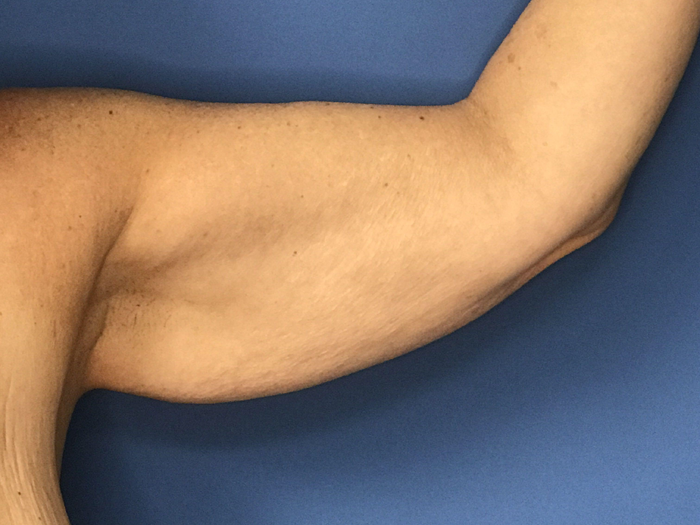
Tissue texture aids in distinguishing the two since lipedema is nodular, dense, or bead-like in feel and can exhibit dimpling or creases around the elbow, while normal arm fat is smooth and soft.
Lipedema fat is painful, sensitive and bruises easily, often for no reason. These symptoms are exacerbated by activity or hormonal shifts, whereas normal fat doesn’t hurt or bruise easily.
Wrist sparing is a valuable diagnostic pointer because lipedema ends at the wrists leaving the hands untouched, whereas regular obesity tends to extend to the hands as well.
Early identification is key as the physical findings, coupled with history, can assist diagnosis. Conservative interventions such as well-fitted compression, manual lymphatic drainage, nutritional initiatives, and monitoring arm circumferences and length through life can decelerate progression.
When conservative care falls short, lymph-sparing liposuction techniques can enhance arm shape, functionality, and quality of life. Talk about surgery with a clinician who’s familiar with lipedema.
Compared to normal upper arm fat, lipedema arm fat is a persistent disease characterized by symmetrical accumulation of painful fat in the arms that is resistant to diet or exercise. Lipedema arm fat vs. Normal upper arm fat Normal upper arm fat is typically lumpy, softer and fluctuates with weight loss. Lipedema can result in easy bruising, nodules beneath the skin, and impaired mobility. Differences are evident on clinical exam and imaging. Below the body compares characteristics, causes, and treatment trajectories.
Core Differences
Lipedema and regular upper-arm fat are dissimilar in source, behavior and clinical presentation. Here’s a quick list of core differences to get you oriented before the subtopics.
Lipedema is steered by biological cues and hormonal changes. Regular fat reacts to caloric balance.
Lipedema fat is nodular and dense to the touch. Average fat is mushy and slick.
Lipedema is painful, tender, and heavy. Normal fat almost never causes pain.
Lipedema bruises readily from minor trauma. Healthy fat bumps only from serious impact.
Lipedema causes symmetric arm swelling and usually preserves the hands and wrists, with general obesity providing more uniform fat distribution.
The lipedema tissue demonstrates hypertrophy and hyperplasia with fibrosis and inflammation. Regular fat doesn’t have fibrotic entrapment.
Lipedema doesn’t reliably shrink with diet or exercise. Typical arm flab goes away with weight loss.
Swelling in lipedema gets worse during the course of the day and improves overnight. Regular fat doesn’t fluctuate on a daily basis.
When left untreated, lipedema can compress lymphatic vessels. Normal fat seldom causes lymphatic problems.
Treatment differs: lipedema may require specialized procedures such as water-jet-assisted liposuction. Regular fat is usually handled with lifestyle modification.
1. Tissue Texture
Lipedema arm fat can be palpably nodular, like little beads under the skin and dense. This is due to fat cell hypertrophy and hyperplasia encased within fibrosis. The fat becomes imprisoned in scar-like tissue and inflammation, which alters its mobility under pressure. Around joints and particularly around the elbow, you can see a crease or indentation where the pathological fat creates a shelf. Skin on top of lipedema can appear loose or dimpled, something easily confused with cellulite, which actually reflects deeper structural change.
Normal upper-arm fat tends to be soft, pliable, and smooth. It moves with motion and is non-nodular. There is no rigid web of fibrosis, so skin tracks the shape of tissue more closely. Texture stays consistent throughout the day, unlike with lipedema where tissue will often feel tighter in the evening.
2. Pain Levels
Lipedema arms are frequently sensitive or painful even without direct pressure. Aching, tenderness, and heaviness are typical, and symptoms can flare up with extended standing, activity, or hormonal shifts like puberty or pregnancy. Regular fat gain doesn’t normally hurt or feel chronically heavy. It hurts when you’re stretching or putting on weight quickly, not chronically tender.
3. Bruising Tendency
Easy bruising is common in lipedema since small blood vessels are fragile in affected tissue. Bruises can show up from minor knocks or even at random. In comparison, regular arm fat almost never spontaneously bruises and typically requires substantial trauma to bruise.
4. Weight Response
Lipedema fat defies diet and exercise because its growth is biologically signaled, not simply caloric. Arms can remain relatively large despite significant weight loss. Normal fat usually decreases with a total calorie deficit and activity.
5. Wrist Sparing
Lipedema classically stops at the wrist, creating a cuff or step-off. The hands are left relatively unaffected. Obesity generally drapes onto the hands without a line of separation. This wrist-sparing pattern is a useful clinical diagnostic tip clinicians use frequently.
Clinical Recognition
Clinical recognition of lipedema seeks to identify patterns and signs that differentiate it from normal upper arm fat and other disorders. Early diagnosis is important to slow progression, reduce pain, and prevent tissue fibrosis. It relies on detailed attention to fat distribution, symptom history, and targeted physical testing before resorting to imaging or referral.
Physical Examination
Look for bilateral fat pads on the upper arms with wrists and hands spared.
Palpate subcutaneous tissue for consistency. Palpate for soft, nodular, or fibrotic areas and compare sides.
Examine the overlying skin for dimpling, erythema, creases, verrucous changes, or an obvious scar.
DE to test for local tenderness and pain on slight pressure. Bruise with minimal trauma. Ask about clinical recognition.
Clinically Document – Measure limb circumferences at standard points to record disproportionality and track over time.
Test the range of motion and heaviness or slowness of the shoulder and elbow.
Check if there are any clinical signs of chronic inflammation, such as warmth, and for induration that would suggest fibrosis.
Test capillary fragility by looking for petechiae or ecchymoses following minor trauma.
Observe general body fat distribution to differentiate between generalized obesity and localized lipedema.
Document any signs suggestive of lymphedema: pitting edema, positive Stemmer sign or involvement of hands.
Examination should focus on the symmetry and wrist sparing that frequently indicate lipedema. Firmness, nodules, and easy bruising are clinical findings that support the diagnosis. Persistent volume despite weight loss suggests lipedema fat as opposed to regular fat.
Medical History
Obtain family history of similar fat distribution or diagnoses as lipedema is often familial and has genetic connections.
Inquire about onset. Puberty, pregnancy, or menopause are common catalysts as hormonal changes usually coincide with the initiation or exacerbation of symptoms.
Document subjective symptoms: chronic pain, tenderness to touch, disproportionate bruising, sensations of heaviness, and functional limits in arm use.
Document past weight-loss attempts and results – for example, arm size did not react to diet and exercise whereas other regions shrunk. Resistant to conventional weight loss is a hallmark.
Probe for previous treatments and mistreatments — e.g., you were just fat or the pain was swelling from lymphedema without any tests to confirm. Record any flares indicating inflammation or infections that may have transformed tissue structure.
Add comorbidities, medications and lifestyle factors influencing fluid balance or connective tissue, and note clinical tests already performed. A full history and focused exam enhance accuracy, minimize underdiagnosis, and guide decisions between conservative care, compression, or referral for specialist evaluation.
Distinct Perspectives
Lipedema and typical upper arm fat are not the same thing. They have different causes, textures, distribution, and treatment responses. Here’s a quick overview of some of their key differences to help you spot those differences fast.
Feature
Lipedema arm fat
Normal upper arm fat
Distribution pattern
Symmetrical, often spares hands; can affect arms with a cuff-like band at the wrist
Localized, can be asymmetrical, no distinct cuff at wrist
Tissue feel
Nodular, rubbery, tender to touch; may show early fibrosis
Soft, pliable, not usually painful
Response to diet/exercise
Poor; fat resists weight loss and may persist or grow
Typically reduces with calorie deficit and exercise
Swelling and heaviness
Daily swelling, fullness, heaviness common
Occasional swelling if overall weight gain or fluid retention
Pain and sensitivity
Often sensitive or painful with pressure
Usually not painful
Progression
Chronic and progressive; worsens over time for many
Tends to follow general weight changes, stable if weight stable
Hormonal link
Stronger link to hormonal changes (puberty, pregnancy, menopause)
Less directly tied to hormonal shifts
Fibrosis
Common development of connective tissue scarring
Rare
Diagnostic clarity
Often misdiagnosed; needs specialist assessment
Readily assessed with routine measures
Lipedema is a chronic, progressive disorder of fat distribution with a unique pathophysiology. Its adipose is physically and chemically different from normal adipose. Cells themselves can exhibit altered structure, local inflammation, and a predisposition to accumulate fibrosis over time. Hormonal changes, particularly in women, are associated with onset and flares. Lymphatic distress and microvascular changes can contribute to fluid accumulation and persistent swelling. Together these form a feedback cycle in which the tissue grows heavier, more painful, and less susceptible to normal weight-loss techniques.
Effect on quality of life can be substantial. Folks with lipedema frequently experience daily swelling, heaviness, and pronounced sensitivity in limbs, sometimes including arms. These manifestations can restrict movement, decrease flexibility, and render activities such as putting on clothes or picking up items more difficult. The apparent and physical dissimilarities could also damage self-esteem and induce social or professional anxiety. With time, the progressive fibrosis and volume can limit motion even more and increase the potential for medical or surgical intervention.
The first step is understanding that lipedema is a medical disease and not a cosmetic concern. Correct diagnosis requires clinical examination of pattern, pain, and tissue texture, sometimes assisted by imaging or specialist consultation. Treatment commonly mixes conservative care, such as compression, manual lymphatic techniques, personalized exercise, and weight management with procedural alternatives when indicated. Recognizing it early enables us to better slow progression and tackle quality-of-life impacts.
Conservative Care
Conservative care for lipedema targets symptom control, not removal of the abnormal fat. It usually includes a mix of diet, exercise, compression, lymphatic work, and support. A lot of patients attempt these options prior to surgery. Conservative care can reduce swelling, ease pain, and slow progression for some, but lipedema tissue in itself typically does not reduce with traditional weight loss. Tracking symptoms and arm measurements lets you judge whether these measures are working or if more invasive options should be discussed.
Compression garments and sleeves — Wear medical-grade compression sleeves sized and fitted by a trained fitter. When fit properly, they don’t pinch and provide uniform pressure to the arm, which combats fluid pooling. Compression reduces daily stiffness and pain and promotes lymphatic circulation after maneuvers or physical activity. Wear throughout waking hours and swap out clothing when elastics begin to lose their stretch, approximately every 6 to 12 months.
Manual lymphatic drainage (MLD) — MLD is a light, targeted massage that redirects lymph fluid from stagnating tissues to active lymph nodes. A licensed therapist applies gentle strokes on the arm and body to stimulate lymph flow. Conservative Care periodic sessions often combine with compression after. Doing both results in better short-term reduction in swelling than either alone. They teach patients easy self-drainage skills for use at home between sessions.
Conservative care — Exercise and mobility work. Low-impact exercise such as swimming, walking, and resistance work for the upper body enhances circulation and muscle pump function. Range-of-motion and posture exercises will help to alleviate joint strain and keep your arms mobile. Exercise will not consistently eliminate lipedema fat, but it decreases secondary fluid and promotes general health.
Nutrition and weight management — A balanced, anti-inflammatory diet and focus on healthy body weight can decelerate symptom progression in some individuals. Lipedema fat is resistant to traditional weight loss, but shedding excess pounds can reduce mechanical load and associated swelling. Consult with a nutritionist experienced in lipedema to establish achievable targets and track progress.
Conservative care — Limb elevation, skin care and non-constrictive clothing promote daily comfort. Keep notes on arm measurements and symptom scores, as you will want to see a trend. If swelling increases or pain intensifies despite diligent conservative care, consult a specialist about imaging and surgical alternatives.
When to consider next steps — Conservative care fits early-stage lipedema and patients unsuited for surgery, or as one component of a larger strategy that eventually involves liposuction or other treatments. Some folks never get sufficient relief and opt for surgery. Others have excellent long-term control with non-surgical approaches.
Compression Therapy
Conservative care: Compression sleeves lessen swelling and heaviness by promoting superficial lymph flow. Fit is key, as poorly fitting garments create new pressure points and dampen advantage. Conservative care: Wear every day for optimal impact and swap out as necessary.
Lymphatic Drainage
Manual lymphatic drainage utilizes gentle directional strokes to push fluid toward active nodes. Conservative care, which includes weekly sessions and compression, typically provides the most stable reduction in arm swelling. Learning self-MLD also helps to maintain gains between appointments.
Surgical Options
Surgical treatment is an important option when conservative care, including compression, diet, exercise, and manual lymphatic drainage, fails to control pain, swelling, or loss of function in lipedema arms. The primary objective is the removal of diseased fat while preserving lymphatics, contouring the arm, and softening movement and pain. Surgical techniques are selected based on skin elasticity, the amount of fat and skin redundancy, patient objectives, and availability of specific local expertise.
Liposuction is lipedema arm fat’s number one surgical treatment. It involves advanced, lymph-sparing liposuction of the diet and exercise-resistant abnormal fat. Tumescent liposuction and water-assisted liposuction (WAL) are the most preferred surgical options since they employ fluid to softly separate tissue, reducing trauma to lymph vessels. These techniques enable the surgeon to extract large amounts of lipedema tissue with less bleeding and fewer long-term lymph issues than older, more aggressive techniques. VASER (ultrasound-assisted) and SAFELipo (a multi-step approach to preserve skin and contour) are advanced options that can remove stubborn pockets with greater precision and assist in sculpting a more even outcome and frequently a more tolerable recuperation.
Selection selects patients with good skin elasticity or mild laxity at best if the goal is smaller, more contoured arms without skin excision. If the skin sags heavily after fat extraction or if it is genuine excess skin, an arm lift (brachioplasty) comes into play. Arm lift surgery excises excess skin and underlying tissue and can offer a more complete solution to sagging upper arms. It does leave a noticeable scar and has its own associated risks.
Practical aspects: Procedures focused on lipedema reduction use lymph-sparing technique and often require specialized training. Costs commonly range from USD 5,000 to 15,000 depending on technique, extent of care, and location. Recovery usually includes some discomfort and tenderness for a few weeks. Most patients describe pain as manageable with standard analgesics and return to light activities within 7 to 10 days. Full recovery and final contour can take several months. Compression garments are typically worn for weeks to months to reduce swelling and support healing.
Risks and expectations need to be discussed extensively with a surgeon experienced in lipedema. Preoperative evaluation may involve lymphatic mapping, setting realistic expectations, and planning staged procedures if bilateral or other areas require attention. The best of both worlds is water-assisted removal with VASER touch-ups or a staged arm lift to get the most value both functionally and aesthetically.
Daily Management
Daily management of arm fat in lipedema is different from care for normal upper-arm fat because it has to address pain, swelling, mobility, and inflammation in addition to appearance.
About: Daily Management A routine that mixes light exercise, skin care, symptom tracking, and functional supports keeps function stable and can slow progression. Creating easy habits makes days simpler and saves your brain from relentless decision fatigue.
Begin with mild activity to maintain joint and muscle movement without aggravating pain. Low impact choices are slow range-of-motion work, small resistance bands, water work and seated arm lifts. Strive for brief, frequent sessions of 5 to 20 minutes twice a day rather than extended workouts that increase your fatigue. For a morning waker who is hard due to pain or grogginess, brief bouts in bed can soften rigidity and help dressing or showering feel less painful. Regular upper-arm flab typically allows for more intense work. Lipedema requires pacing and breaks.
By moisturizing the skin over affected areas, it will stop from becoming dry, cracked and irritated, which only makes the discomfort worse. Take advantage of fragrance-free, nonirritating creams or ointments and moisturize after bathing while skin is still damp to seal in moisture. If you are swollen, gentle massage toward your trunk can aid lymph flow when properly applied. See a trained therapist for technique. For individuals with sensitive skin or a persistent rash, barrier creams and silicone-based products minimize clothing friction.
Observe for arm size changes, new pain, or sensation changes to detect progression early. Maintain a basic log recording measurements in centimeters, photos under the same light, and daily symptom scores for pain and fatigue. If arm circumference increases rapidly or pain becomes more constant, get in touch with a clinician familiar with lipedema. Early detection directs interventions such as compression therapy or lymphatic care. Normal fat changes generally correlate with weight fluctuations.
Discover adaptive tools and supports to eliminate stress. Long-handled brushes, grabbers, and padded straps on bags minimize pulling forces. Compression sleeves, properly fitted by a specialist, alleviate pain and swelling for many. Experiment with various strengths and materials to find comfort. Sit-to-stand supports and shower chairs render hygiene safer when movement is impaired. Since lipedema fat secretes inflammatory markers that induce fatigue, schedule activities during energy highs, balance activity with rest, and take assistance from family or support groups.
Daily care must be comprehensive: physical measures, symptom tracking, emotional support, and realistic pacing work together. Living with lipedema frequently requires re-engineering routines and acknowledging that traditional weight-loss programs won’t decrease arm fat. A team-based approach yields superior results.
Conclusion
Lipedema arm fat vs normal upper arm fat Fat is held under the skin in a nodular, lumpy manner. The wrist and hand remain thin. Pain and easy bruising often accompany the swelling. Normal arm fat spreads more diffusely and shifts with weight loss.
Initial actions assist. Light exercise, compression sleeves, and a consistent weight regimen alleviate symptoms. Lymph-sparing surgery and liposuction assist with more extreme cases. A lipedema-aware physician directs diagnostics and decisions.
Record pain, bruises and how your sleeves fit. Track photos over months. Search for a care team that listens and offers choices. Speak with an expert to outline your next steps.
Frequently Asked Questions
What is the main difference between lipedema arm fat and regular upper arm fat?
Lipedema fat is disproportional, symmetrical and painful. It fights diet and exercise. Normal arm fat will respond to weight loss and is not tender or easily bruised.
How is lipedema in the arms clinically recognized?
Clinicians identify symmetrical swelling, pain, easy bruising, and a defined upper-arm cut-off near the shoulder. Diagnosis is guided by medical history and physical exam, with imaging or specialist referral possible to follow.
Can diet and exercise reduce lipedema arm fat?
Diet and exercise serve normal health but seldom decrease lipedema fat markedly. Conservative measures can reduce swelling and improve function, but fat frequently remains in the absence of targeted treatments.
What conservative care options help manage arm lipedema?
Compression sleeves, manual lymphatic drainage, low-impact exercise and anti-inflammatory diet choices can alleviate pain and swelling and increase movement.
Are surgical options effective for arm lipedema?
Yes. Tumescent liposuction and other specialized procedures can extract lipedema fat, alleviate pain, and enhance contour. Select a surgeon with lipedema experience for optimal results.
How can daily management improve quality of life with arm lipedema?
Consistent compression, light exercise, skin care, and symptom monitoring alleviate symptoms and halt advancement. Little habits every day create improved function and less pain.
When should I see a specialist about arm fat that might be lipedema?
See a specialist if arm fat is symmetric, painful, bruises easily, and does not improve with weight loss. Early evaluation helps confirm diagnosis and starts appropriate care.