Here you can find the latest news and surgical articles.
22 September 2026
Lipedema Cuffing at the Ankles: What It Means, Symptoms, and Treatment Options
Key Takeaways
The ankle cuff is a lipedema hallmark, a spare band of fat around the ankle that usually spares the feet and provides a very visual lipedema diagnostic indicator for clinicians to differentiate lipedema from obesity and lymphedema. Look for a ‘bracelet’ transition above the ankle during exams.
Lipedema fat is symmetric, diet and exercise resistant, and soft or nodular to the touch. Record location and tissue consistency to guide staging and treatment.
Ankle cuffing is commonly associated with pain, tenderness, easy bruising, and increased skin sensitivity, which can limit movement. Therefore, evaluate symptom intensity and interference with functionality.
Follow a comprehensive diagnostic algorithm that incorporates history, a careful physical exam of the ankle transition zone, and imaging if needed to exclude venous insufficiency, lymphedema, or other etiologies of leg swelling.
Management mixes conservative management of well-fitted compression, low impact movement, and anti-inflammatory nutrition with surgical options such as tumescent liposuction for advanced disease. Plans should be customized to stage and patient requirements.
Support the emotional strain by linking patients to support groups and incorporating mental health conversations into treatment strategies to enhance coping and outcomes.
Lipedema cuffing at ankles refers to the accumulation of excess fat and tissue around the lower leg, specifically where the ankle connects to the foot. It results in a cuffing of swelling that can be spongy, painful, and resistant to diet or exercise.
The cuff tends to make shoes and socks fit differently and can cause pain or restricted movement. The following section addresses causes, signs, and practical care and treatment.
The Ankle Cuff
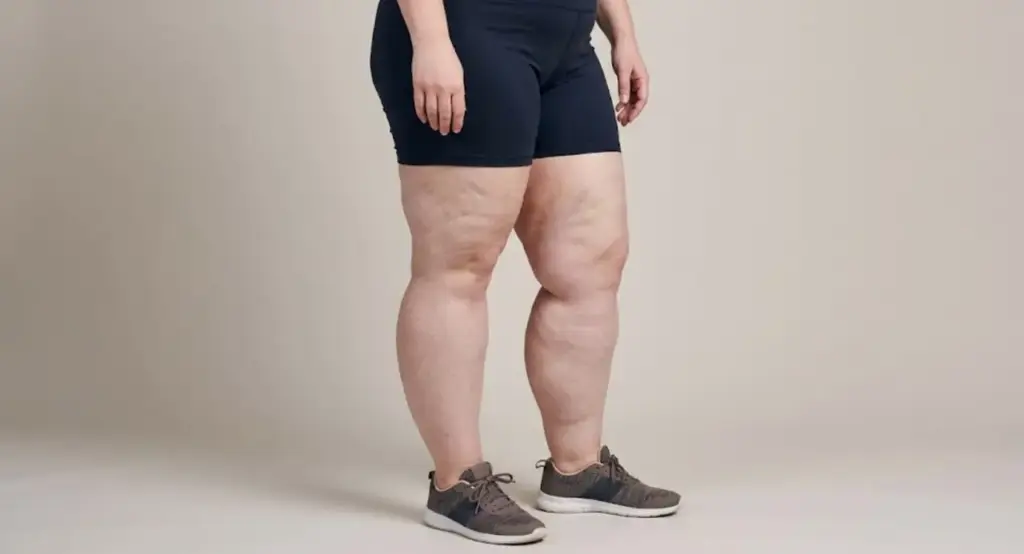
The ankle cuff is our term for the dreaded ‘ankle ring’ – that ugly ring of spare subcutaneous fat that mounds just above your ankle joint. It is a clinical sign that contributes to differentiating between lipedema and simple obesity or fluid swelling. The cuff frequently spares the feet and results in this distinct demarcation between the lower leg and foot.
1. Visual Marker
The ankle cuff is a visible point of reference for clinicians conducting physical exams. The cuff frequently appears as a fat bracelet around the ankle, creating a distinct step-off between the lower leg and the foot. This bracelet-like appearance is a useful reminder to distinguish lipedema from lymphedema, where swelling typically includes the foot and does not have a clean edge.
For patient education, a side-by-side diagram or table of a normal versus lipedema ankle profile can make the distinction concrete. This visual aid displays symmetry, the cuff position, and foot involvement.
2. Fat Deposition
Lipedema fat acts differently than normal fat. It fights against being lost with diet and exercise. Deposition is usually symmetrical, involving both legs and concentrating below the knee and around the ankle.
The tissue is soft but irregular and nodular under the skin. More importantly, the feet are typically spared, so the cuff demarcates the boundary of atypical fat distribution. This assists clinicians in excluding morbid obesity and diagnosing a distribution more consistent with lipedema.
3. Tissue Texture
The tissue in the ankle cuff frequently feels boggy, doughy, or rubbery. Fibrotic plaques and small subcutaneous nodules might be palpable on exam.
As lipedema progresses, the skin can alter in texture and the subcutaneous layer can become thickened. This indicates chronic tissue hardening as opposed to temporary edema. These tissue changes can cause shoes to fit improperly and create pressure points, resulting in pain and decreased ambulation during everyday activities such as walking or standing.
4. Diagnostic Clue
Fat cuff is a great diagnostic tip and ought to be incorporated in any comprehensive lipedema screening. It helps differentiate lipedema from venous insufficiency, which frequently presents visible varicosities and dependent edema that includes the foot.
Clinicians ought to note cuff location, circumference, and symmetry. These observations can assist in staging disease and planning treatment, whether conservative or surgical.
5. Pain Sensation
Patients often complain of tenderness or pain to pressure on the ankle cuff. Ouchy fat is a common complaint even early in the condition. Pain generally intensifies after prolonged standing or activity and can severely restrict daily chores and enjoyment of life.
Lipedema Unveiled
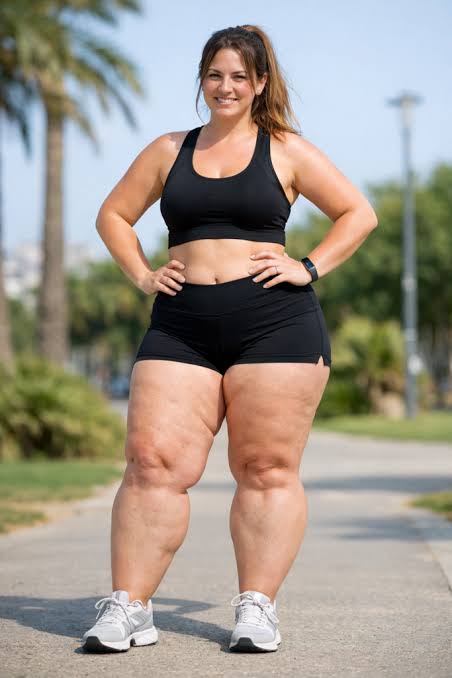
Lipedema is a long term fat condition characterized by an irregular, localized accumulation of fibrotic, fatty tissue, typically in the buttocks and legs. The distribution is often symmetrical and may be painful or tender. It is not better with diet or exercise, which helps differentiate it from basic obesity.
Many lipedema patients mention a distinct size discrepancy between calves and feet, with the lower leg cuffed at the ankle where the fat just ends suddenly.
Lipedema is not obesity or lymphedema. Obesity is generalized excess body fat and typically responds to calorie reduction and activity. Lymphedema is swelling caused by lymph fluid and is often asymmetric, including the feet.
Lipedema fat is different. It may be firm or nodular and frequently feels lumpy beneath the skin, as opposed to soft like normal fat.
Common symptoms of lipedema include:
Symmetrical leg and occasional arm enlargement, sparing the hands and feet.
Pain, tenderness, or easy bruising in affected areas.
A cuff of fat around the ankle where the lipedema fat abruptly ends.
Disproportion between upper body and lower body sizes.
Skin that feels thickened or fibrotic over time.
Minimal response to weight loss regimes. Even weight loss might not reduce affected areas.
Reduced mobility, discomfort during movement, and clothing fit issues.
Causes and risk factors involve genetic, hormonal, and metabolic factors. Family history in approximately 15% of patients suggests a genetic connection. Trigger onset or exacerbation by hormonal changes, such as puberty, pregnancy, or menopause, indicates an involvement of estrogen-related pathways.
Metabolic differences in fat cells and connective tissue probably cause abnormal fat storage and fibrosis. These factors combined help clarify why lipedema manifests only in women and why it typically begins or intensifies with hormonal changes.
Where it manifests is important for diagnosis and treatment. The typical locations are hips, thighs, and lower legs, with hands and feet spared. The ankle cuffing is a key visual sign: a sharp change in circumference at the ankle that many clinicians use to separate lipedema from other causes of leg swelling.
Since it is frequently misdiagnosed as obesity, patients experience diagnostic delays of up to 10 to 20 years, which exacerbates symptoms and emotional distress. It could be affecting as many as 11% of women and they’re not even being diagnosed.
Its toll may be pain, limited mobility, difficulty with activities of daily living, and social stigma.
Beyond The Cuff
Lipedema cuffing at the ankles tends to emphasize the thin band of leg fat termination. That exposed cuff is just one symptom of a larger affliction. Lipedema usually impacts the entire limb, with fat deposits and associated changes in the calves, thighs, and hips. Knowing this assists clinicians and patients to look beyond one characteristic and to manage functional, structural, and systemic ramifications.
Symmetrical Swelling
Lipedema causes almost symmetric enlargement of both legs. Such symmetry distinguishes it from numerous vascular issues that usually impact only one side.
Swelling most often halts at the ankle, leaving feet with a normal appearance. This is one of the factors that helps differentiate lipedema from lymphedema.
Clinicians rely on symmetry and distribution as critical hints on examination and imaging.
Lipedema is characterized by bilateral and symmetrical fat build-up, with the feet spared and the affected areas painful to touch.
Lymphedema is often unilateral or asymmetric and encompasses the feet and toes along with pitting edema.
Venous disease may be asymmetric and is associated with varicose veins and skin discoloration.
Obesity-related swelling is generalized and often proportional to body fat distribution. It is characterized by less localized tenderness.
Skin Sensitivity
Patients frequently complain of increased skin sensitivity over impacted fat. It’s intolerant of light touch, and clothing or strap-induced pressure can be painful.
This sensitivity can complicate routine care. Compression garments, for instance, might require meticulous fitting and gradual wear to prevent skin pain.
Skin might be slightly altered. Later, the surface may thicken or reveal a subtle “peau d’orange” texture that mirrors changes in the breast tissue and mild fibrosis.
Easy Bruising
Fragile capillaries break in lipedema fat, causing frequent bruising with little or no remembered trauma. Bruises may be in various stages of healing.
This proclivity can be mistaken for blood clotting disorders or vascular fragility, so situational awareness is key. Document bruise patterns, triggers, and locations to assist clinicians in ruling out other causes.
Keeping a record of how frequently bruising happens and if it follows minor bumps is informative during an appointment and can direct lab work or imaging decisions.
Unaffected Feet
In lipedema, feet usually stay normal in size and consistency, an important diagnostic hallmark. There is a clear watershed at the ankle between involved leg fat and preserved foot tissue.
Clinicians look for a clear cuff at the ankle and if edema crosses into toes. Palpation, ankle circumference measurement, and pitting all clarify the picture.
Checklist for unaffected feet:
Normal foot contour and size
No pitting edema of toes
Clear transition at the ankle
Sensation largely preserved in foot skin
Diagnostic Pathways
A defined diagnostic pathway distinguishes lipedema from other etiologies of leg swelling and fatty deposits. Begin with a directed history and physical exam to record the timing of symptoms, progression, family history, pain, tenderness, bruising, and exacerbation with standing or hormones. Visual and palpation are needed; note fat distribution, symmetry, and sparing of hands and feet. Many patients wait 10 to 20 years for a diagnosis. Record their prior evaluations and diagnoses to prevent repeat delays.
Careful physical examination may reveal one or more of the following subtle but suggestive abnormalities: inspection of limb contours and directed palpation for nodules, tenderness, and tissue consistency. Use the Stemmer sign: attempt to pinch and lift a skin fold at the base of a toe or finger. A positive Stemmer sign indicates lymphedema, but it cannot exclude coexistent lipedema.
Lipedema more often shows a negative Stemmer sign and spares the hands and feet, whereas lymphedema frequently affects the distal extremities. Imaging complements the clinical exam and rules out venous disease or deep tissue pathology. High-resolution ultrasound can map subcutaneous fat layers and identify increased echogenicity or fibrotic changes.
Surface imaging and three-dimensional body contour mapping measure patterns of distribution and volume asymmetries, aiding in diagnosis between lipedema, generalized obesity, or lymphedema. MRI provides deep soft-tissue contrast, highlights septal thickening, and shows hallmark fat deposition patterns. MRI is valuable when ultrasound is equivocal or surgical planning is contemplated.
Venous duplex ultrasound remains useful to rule out chronic venous insufficiency as a cause of swelling. Differential diagnosis needs to be clear and systematic. Compare clinical features: obesity is usually proportionate and responsive to weight loss, whereas lipedema shows disproportionate fat resistant to diet and exercise, with pain and easy bruising.
Lymphedema induces pitting edema and a positive Stemmer sign in some. Venous insufficiency can be associated with skin changes, varicosities, and dependent edema that is relieved by elevation. Combine history, exam, and imaging to prevent misdiagnosis.
Future tools and research might supplement the pathway with genetic testing and refined imaging biomarkers. Present practice is still multi-modal. Clinicians should record symptoms such as pain, heaviness, and bruising, take a family history, apply Stemmer sign prudently, and utilize ultrasound or MRI when necessary to profile fat and exclude other causes.
An obvious, codified diagnostic pathway minimizes procrastination and directs correct treatment.
Step
Action
Purpose
1
Medical history & symptom checklist
Identify onset, family history, pain, bruising
2
Physical exam & palpation
Assess distribution, sparing of hands/feet, Stemmer
Lipedema cuffing at the ankles calls for a blend of conservative and surgical therapies, taking action early, and care individualized to stage and to the individual. Early identification of the ankle cuff can spare years of pain and postponement of treatment.
Multidisciplinary input from lymphatic medicine, dermatology, pain management, and bariatric specialists optimizes outcomes and helps plan for the long term.
Compression
Compression is one of your front-line weapons to fight swelling and pain. It promotes lymphatic drainage, reduces fluid retention, and can relieve pain when properly applied.
Have a pro fit your compression stockings or bandages to make sure they provide the right pressure at the ankle-calf junction and don’t create cuffing gaps. Medical-grade classes are often required.
Wear compression every day, beginning with low pressure on mild cases and progressing to higher classes as recommended. Regular use post-workout and during extended standing assists.
Apply graduated compression that is tightest at the ankle and gently eases upwards to encourage upward flow. Wrong fit or aged apparel diminish advantage.
Wash and replace garments according to manufacturer recommendations. Worn out or overly-stretched panels no longer hold tissue and can lead to skin problems.
Combine compression with skin care. Moisturize daily, protect the cuff from friction, and treat bruises gently to avoid skin breakdown.
Movement
Moderate low-impact exercise increases lymphatic flow and lubricates joints without straining tissues. Walking, swimming, and cycling get fluid moving and increase stamina.
Customize schedules to personal boundaries. Begin gradually and increase length as opposed to intensity. Steer clear of high-impact activities such as long distance running if they exacerbate pain or bruising and opt for water-based exercise when joints are aching.
Integrate movement into daily life: take short walks after meals, do gentle leg lifts during work breaks, and attend guided physiotherapy sessions if balance or range of motion are reduced.
Nutrition
An anti-inflammatory diet can decrease inflammation and improve overall health. Eat primarily whole foods, vegetables, lean protein, healthy fats, and fiber.
Cut back on processed foods, refined sugars, and excess salt to reduce fluid retention. Standard dieting by itself won’t eliminate lipedema fat, but it aids in weight management and can alleviate symptoms.
Keep a food/symptom log to identify triggers. A basic diary can associate flare-ups with certain foods, menstrual cycles, or activity changes.
Surgery
Lipedema-specific liposuction, typically tumescent liposuction, acting on fibrotic fat with conservation of lymphatic vessels can provide a direct treatment for ankle cuffing. Signs include ongoing pain, limp, or cuffing on X-ray despite good conservative care.
Surgery can be staged with two to three procedures per leg for bigger limbs to minimize bleeding and hasten healing. Alopecia areata can be marked with hives or even complete hair loss.
Powerful results typically demand 360-degree circumferential sculpting of the ankle, calf, and lower leg. Preoperative evaluation, operative clarity, and postoperative care are critical to reduce risks and promote mobility improvements.
The Emotional Toll
Lipedema cuffing at the ankles is more than just a physical marker. It’s an emotional toll as well. Lipedema patients frequently exist with constant concerns about how their body appears and performs. This concern can cause low mood, social withdrawal, and an endless self-inspection for any change in ankle shape or swelling.
Depression in this context can stem from feeling different or from the repeated disappointment when treatments fail to provide the anticipated results. There is anxiety around daily tasks, such as getting dressed, squeezing onto a crowded bus or train, and booking a holiday, because those activities can reveal physical manifestations of the illness.
Misdiagnosis adds to the burden. Countless individuals with lipedema are misdiagnosed with plain obesity or lymphedema and then receive treatments that don’t assist. That spiral of incorrect responses fosters suspicion of doctors and hopelessness.
Timeshare therapies sap their savings and their spirit and leave them feeling they need to convince someone their symptoms are legitimate. This frustration can drive one to eschew care or to bounce between specialists that splinter treatment plans and postpone effective control. The emotional fallout from these experiences may encompass anger, shame, and a decay of self-trust.
Support groups and community resources are instrumental in alleviating isolation and developing coping skills. Peer groups provide a venue to exchange useful advice about compression sleeves, padding shoes, or locating less conspicuous cuffing materials.
Online forums can link someone in a small town with specialists continents away. Local meet-ups or advocacy organizations can assist with navigating insurance or locating surgeons experienced in lipedema surgeries or physical therapists familiar with the condition. Knowing other patients’ experiences can help normalize your emotions and provide a sense of sensible treatment timelines, softening frustration and allowing you to set expectations.
Open communication about emotional well-being should be a permanent fixture of lipedema care. Clinicians can screen for depression and anxiety and refer to mental health professionals schooled in chronic illness.
Simple steps help: regular mood check-ins during appointments, clear information about what treatments can and cannot do, and creating a plan for setbacks. Family and friends gain specific direction in how to provide support by inquiring what actual assistance is needed, avoiding weight-centric remarks, and honoring restrictions on activities.
Constructing a care team of physical, surgical, and mental health professionals provides a more consistent path forward and lifts some of the weight off the patient’s shoulders.
Conclusion
Lipedema cuffing at ankles demonstrates how fat and fluid can pool along the lower leg and linger at the ankle line. That cuff can indicate tissue changes, pressure accumulation, and a distribution that is not like normal fat or straightforward swelling. Clear steps do help. Get a targeted exam, request measurements and photos over time, and find a specialist who understands lipedema. Try simple daily moves: gentle leg lifts, calf stretches, and short walks. Slip-on well-fit compression and skin care to reduce irritation and facilitate movement. Consult with a chatty group to deal with the stress. Monitor symptoms and remedies. If pain or change increases, schedule a follow-up with a lipedema-treating clinician. Go one step closer to clearer answers.
Frequently Asked Questions
What does an ankle cuff mean in lipedema?
An ankle cuff refers to fat and tissue that wraps around your ankle in a ring. It is a common early sign of lipedema and signifies abnormal, symmetrical fat storage below the knee.
How is ankle cuffing different from regular swelling?
Ankle cuffing is not fluid; it’s fatty tissue. It is typically firm, non-pitting, and symmetrical. Edema, which is fluid, usually pits to pressure and can be unilateral or variable with activity.
Can ankle cuffing be the only sign of lipedema?
Yes. Others first experience lipedema cuffing at the ankles, which is a band or increased girth, before other areas of the body are impacted. A clinical exam and history can help confirm if it’s lipedema.
How do doctors diagnose lipedema-related ankle cuffing?
Diagnosis relies on clinical features: symmetrical fat buildup, disproportionate lower limb size, pain or tenderness, and a clear upper limb-to-lower limb contrast. Imaging and specialist referral can help confirm the diagnosis.
What treatments reduce ankle cuffing in lipedema?
Conservative care includes compression garments, manual lymphatic drainage, exercise, and weight management for symptoms. Lipedema-specific liposuction can help decrease fatty deposits when conservative treatments do not work.
When should I see a specialist about ankle cuffing?
See a vascular surgeon, lymphedema therapist, or lipedema specialist if the cuff causes pain, limits movement, or you notice progressive changes despite conservative care.
Will ankle cuffing get worse without treatment?
It may worsen with fat accumulation and pain. Early management mitigates symptoms and enhances quality of life, even without curing lipedema.