Here you can find the latest news and surgical articles.
19 October 2026
Lipedema in Legs: What It Looks Like, Symptoms & Treatment
Key Takeaways
Lipedema looks like symmetrical, disproportionate fat accumulation from hips to ankles, with feet usually unaffected. It is important to differentiate lipedema from other diagnoses and check for equal swelling between the two legs.
Look for skin surface changes like dimpling, nodules, large folds, or a mattress-like texture and record easy bruising and tenderness as frequent associated signs.
Identify nonvisual symptoms such as pain, heaviness, and decreased mobility. Document symptom triggers, severity, and impact on daily life for clinical consultation.
Differentiate lipedema from obesity and lymphedema by looking for disproportionate lower-body fat that is resistant to weight loss and ensuring the feet are spared.
Apply a structured diagnostic checklist utilizing history, physical exam findings, and exclusion of other causes to minimize misdiagnosis and inform treatment planning.
Begin with conservative treatment including compression, low-impact exercise, nutritional support, and skin care. Refer for surgical intervention, such as tumescent liposuction, when individualized evaluation supports benefit.
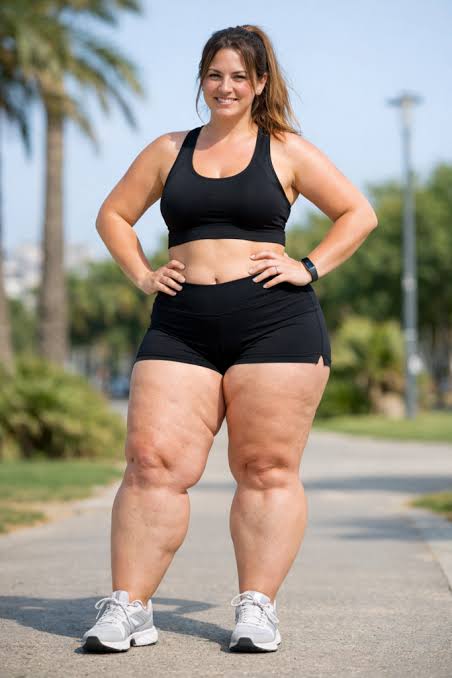
Lipedema in legs is a chronic fat disorder that causes uneven fat buildup and swelling, mainly in the hips, thighs, and lower legs. Impacted skin appears dimpled and feels doughy, with a distinct cuff at the ankle where healthy tissue kicks in.
Bruising occurs easily and there can be pain or tenderness. It presents as disproportionate subcutaneous fat accumulation in the legs.
It is an inherited disorder that affects the lymphatic system. The bulk of the article describes causes, symptoms, and treatment choices.
Visual Hallmarks
Lipedema has a collection of visual and tactile hallmarks. These markers revolve around where fat accumulates, its texture, and the changes in skin over time. The subheadings below outline these characteristics so you can identify and contrast them with other disorders.
1. Symmetrical Fat
Notice the almost symmetrical accumulation of fatty deposits on both legs. This symmetrical enlargement is a hallmark characteristic. Both thighs and calves enlarge in a comparable fashion, creating equal circumferences instead of a solitary swollen area.
The fat frequently begins at the hips and travels down to the ankles, creating a pillar of flesh. Directly compare limb shapes. If both legs display matching contours and girth bulges, lipedema is more probable than localized lipomas or one-sided trauma.
Even consistent growth in circumference, not pinchable bulges here and there, indicates fat, not fluid-only swelling.
2. Spared Feet
They can make sure the feet stay pretty normal-sized even with thick legs. A defined ankle line or “cuff” of fat immediately above the ankle is typical, separating calf from foot in a visual pause.
The feet do not ‘fat up’ as with systemic weight gain, though they may get secondarily swollen later. This differs from lymphedema, as the foot usually becomes swollen and Stemmer’s sign may be positive.
If thumb pressure on the foot leaves a pit that fills in, that indicates fluid and not fat. Tight shoes on a regular foot with a heavy leg are a common visual hallmark.
3. Skin Changes
There are usually surface texture shifts. Early stages are marked by subtle dimpling or a mattress-like pattern. Later stages exhibit larger folds and uneven skin over the thighs and knees.
Palpation detects nodular or lumpy subcutaneous fat that does not feel like normal soft fat. Small, hard nodules are common. Advancing fibrosis may thicken the skin and reduce its suppleness.
Staging from one to three is based on these morphological changes. Stage one has smooth skin with soft nodules. Stage two shows clear nodularity and folds. Stage three presents large deforming fat masses and severe skin excess.
4. Easy Bruising
Easily bruised legs after ‘little knocks’. Bruising originates from delicate capillaries in the atypical fat and occurs in the absence of significant trauma.
Visual hallmarks track bruise frequency and distribution. Many clinicians list this as a hallmark exam finding. Unexplained persistent bruising helps differentiate lipedema from just obesity.
5. Body Disproportion
Lipedema creates a lower-body-heavy silhouette: enlarged hips, thighs, and calves with a relatively smaller upper body and arms. Weight loss tends to spare the involved legs, so disproportionality can remain despite dieting.
With side-by-side photos or measurements to capture the distinction, diagrams illustrate how the lower body pops.
Diagnostic Clarity
It is very important to distinguish lipedema from other causes of leg swelling and fat accumulation. Diagnostic clarity informs treatment decisions and avoids unnecessary or futile treatments. A focused history, targeted exam, and awareness of characteristic signs help steer clinicians and patients to diagnostic clarity.
Versus Obesity
Lipedema behaves and presents very differently than typical obesity. Lipedema fat defies normal dieting and exercise. Patients frequently remark that, while they lost weight everywhere else, their limbs remained largely untouched.
Although many lipedema patients have a normal body mass index or are only mildly overweight, they exhibit an obvious torso versus limb fat incongruity. Obesity tends to lay fat more diffusely.
A practical example is a person who loses 8 to 10 kg through diet and exercise but retains disproportionately large, tender thighs. This likely indicates a pattern inconsistent with simple obesity.
Family history counts, with approximately 15 percent stating other family members have similar leg changes, indicating a genetic association. Symptoms often begin during periods of hormonal transition like puberty, pregnancy, or menopause.
Feature
Lipedema
Obesity
Response to diet/exercise
Poor
Typically good
Fat distribution
Distal limbs, symmetrical
Generalized
Tenderness and bruising
Common
Uncommon
Feet involvement
Spared
Spared or proportional
Onset timing
Often hormonal events
Gradual, lifestyle-related
Versus Lymphedema
Lymphedema and lipedema can appear somewhat similar but have different clinical characteristics. Lymphedema frequently encompasses the feet and can demonstrate pitting edema. Lipedema typically spares the feet and presents no genuine pitting unless combined with secondary lymphedema.
Lymphedema is caused by reduced lymph flow. Lipedema is pathologic adipose deposition, sometimes with venous fragility and easy bruising.
Clinical features for quick reference:
Lipedema involves symmetrical leg enlargement, pain on pressure, easy bruising, spared feet, and poor diet response.
Lymphedema includes unilateral or asymmetric swelling, a positive Stemmer’s sign, skin thickening, and frequent infections.
Additional points for clinicians:
Stemmer’s sign may assist, but a negative test does not rule out lipedema.
Staging matters. Stage I often shows soft, nodular subcutaneous tissue localized to the legs and pain with palpation.
Fluid is not a main constituent of lipedema tissue unless it progresses to obesity related lymphedema.
A differential diagnosis checklist (venous disease, lipohypertrophy, medication-related edema, systemic causes) prevents misdiagnosis and directs suitable scanning or specialist referral.
Thoughtful history, targeted physical exam and patient self-reflection prune possibilities. Specialist consultation and specific testing validate diagnosis and define approach.
The Unseen Symptoms
Lipedema is more than a morphological change in leg shape. Most symptoms are sensed, not observed. These can begin insidiously and become chronic, so tracking symptoms, both physical and sensory, is crucial for proper diagnosis.
Pain
Pain is a frequent and early complaint. It could be a low, persistent ache or pangs of pain on palpation in your problem areas. Severity typically varies according to lipedema stage and with exertion.
Walking significant distances or standing for prolonged periods can exacerbate pain, while resting can reduce it. Note the location of the pain, its duration, aggravating factors and alleviating factors. This aids in monitoring the evolution and response to treatment.
Pain control is a key goal of treatment and may involve compressive treatments, such as compression therapy, light exercise, manual lymphatic drainage, and specific medications under the advice of a physician.
Tenderness
Tenderness to touch is a distinguishing characteristic. Long before fat appears, light pressure is painful. This tenderness helps distinguish lipedema from cellulite or ordinary overweight, where the tissues typically don’t ache on light pressure.
Clinicians should record patient-reported tenderness during exams and analyze that data in conjunction with imaging and history. Tenderness can present alongside easy bruising, which many with lipedema experience despite no obvious physiological explanation.
Heaviness
A constant feeling of heaviness or pulling in the legs is typical and frequently intensifies with being on your feet for an extended period. Heaviness is caused by both abnormal fat distribution and local tissue fluid shifts.
It can curtail exercise, drain stamina and render everyday activities, such as stairs, working on feet, and commuting, more exhausting. This functional impact feeds into debility and lethargy, which can influence mood.
Weight gain typically exacerbates heaviness and pain, but is not the underlying cause of lipedema. Add heaviness to symptom checklists to promote early detection and direct interventions such as compression, activity modification, and drainage therapies.
Lipedema patients describe swelling, restricted motion, and intermittent thread or varicose veins without obvious physiologic connection. These physical boundaries can translate into energy depletion, hopelessness, low self-esteem, and sometimes eating disorders, particularly when symptoms are confused with obesity.
The pain and loss of mobility can hamper daily work and living, so detailed record-keeping of sensory complaints, bruising patterns, and functional restrictions is crucial for medical management and psychological care.
Condition Progression
Lipedema progresses in clinically different stages, each defined by more pronounced alterations of fat distribution, skin, and function. Early signs can be subtle. Later changes are more obvious and frequently immobilizing. Knowing common trajectories aids in earlier identification and more practical treatment.
Stage I exhibits smooth skin with an expanded subcutaneous adipose layer, which is soft and uniform to the touch. Legs appear more filled out yet still have a fairly normal contour. Tenderness, easy bruising, and torso to lower limb disproportionality are common. Most remain in Stage I for years if hormones and weight are stable. Early intervention and weight management can slow progression to the next stage.
Stage II introduces unevenness and nodular fat. The skin is dimpled and its surface feels lumpy. Fat patches coalesce into bigger, uneven clumps, especially on the hips, thighs, and knees, with increased bruising and pain. Progression from Stage I to II is common if diet, activity, and other risk factors are left unattended. Hormonal changes during puberty, pregnancy, or menopause may accelerate this transformation.
Stage III presents with large, lobular fat deposits that distort leg shape and may extend down to the ankles. Skin can stretch and folds may form where fat bulges. Mobility gets impacted. Joint pain and mechanical stress increase due to extra weight unevenly sitting on joints. Individuals at this stage commonly report trouble walking, climbing stairs, or standing for extended periods.
Advanced disease may cause secondary lymphedema, termed lipolymphedema. Chronic fat build-up and inflammation can impede lymph flow leading to a cycle of chronic swelling, skin hardening, and increased susceptibility to infection. Lymphedema adds a new management need: compression, skin care, and sometimes lymphatic therapies. The risk of lipolymphedema increases with time, increased body mass index, and treatment delay.
Progression rate is highly diverse. Some stay at Stage II for decades with little advancement, while others progress rapidly to Stage III. The average duration is around 17 years, according to one projection, but everyone’s journey varies. There are close ties between lipedema, obesity, and lymphedema. Excess weight can hasten the observable transformation and functional deterioration.
Hormonal influences are key drivers; many note worsening during puberty, pregnancy, or menopause. It’s important to monitor. Follow the symmetry of the tracks, the texture of the skin, how painful, how bruised and how mobile. Observe for joint issues and increasing difficulty with activities of daily living.
While early, routine measures like weight management, individualized exercise, compression garments and medical follow-up do not cure lipedema, they can slow progression and minimize complications.
The Emotional Weight
Lipedema carries a heavy emotional burden in parallel with physical symptoms. Patients are frequently self-conscious and embarrassed by the shape and size of their legs, which erodes self-esteem and confidence. That shame can shift into anxiety about being seen in public, wearing bikinis or taking part in activities that expose the legs. Soon the concern is baked into your existence and informs decisions about your professional, social, and romantic life.
Body disproportion and stubborn fat in the legs can give you that unsettling feeling that you’re out of step with your body. Most people are exasperated and defeated when diets and exercise shift total weight but do nothing for leg fat. That frustration compounds low mood and can cause iterative blame and self-criticism spirals.
The pain and tenderness that often come with lipedema make that emotional load heavier. Chronic pain links to irritability, mood swings, and a persistent sense of fatigue or low motivation. Social interactions degrade in predictable fashions. Some patients refuse to wear pants where their legs will show, avoid going to the beach or pool, or wear garments that conceal their figure.
Still others face impolite inquiries or presumptions on eating habits and exercise, which can feel like shame. A lack of awareness among many healthcare professionals harms mental health: delayed or missed diagnoses leave people feeling dismissed and anxious, and they often carry a lingering distrust of medical advice.
Mental health support has a place in any thorough lipedema care plan. Counseling may help with depression, anxiety, body image, and coping with chronic pain. Cognitive-behavioral approaches can reframe negative thinking about appearance, and acceptance-based therapies help people live with persistent symptoms without incessant self-blame.
Peer support groups and patient networks provide useful advice and emotional support by knowing you’re not alone and learning what actually worked in the real world for nutrition, compression, or surgical options. Emotional challenges often occur together and vary by person.
Common ones include:
Chronic low self-esteem is related to the look of my legs and my body failing me.
Anxiety about public exposure, social judgment, and intimate relationships.
Depression associated with chronic pain, reduced mobility, and lost activities.
Frustration and helplessness of leg weight loss resistance.
Isolation and stigma from others’ misunderstanding of the condition.
Distrust or anger toward providers after misdiagnosis or dismissal.
“Mood swings due to chronic pain and cumulative trauma.”
Getting a diagnosis, learning about lipedema, and discovering supportive communities or knowledgeable clinicians can alleviate this weight and give you back a sense of control.
Management Strategies
Management of lipedema legs is focused on reducing pain and swelling, improving mobility, and enhancing quality of life. Treatment is staged and individualized based on physical exam, prostate palpation, clinical and family history. Strategies often include a mixture of conservative and surgical interventions when appropriate.
Since lipedema frequently co-occurs with obesity and lymphedema, a multi-pronged, phased strategy is typically necessary. Psychological ramifications must be treated alongside physical symptoms.
Conservative Care
Compression therapy is a primary tool. Graduated compression stockings or custom garments limit fluid accumulation, reduce pain, and support lymphatic flow. Many patients wear them during the day and while lying down.
Intermittent pneumatic compression devices may be used at home for more focused edema control. For those with lipedema, it is recommended to gradually introduce compression into their regimen to help identify the optimal combination of fit and pressure.
Daily, low-impact exercise alleviates stiffness and preserves joint functioning. Walking, swimming, water aerobics, and cycling are all useful examples. These activities increase circulation without straining joints.
Begin with short sessions and increase time and intensity to prevent flare-ups. Exercise plays a role in weight control. Without it, Stage I lipedema can advance to Stage II.
These dietary changes help maintain good health and keep inflammation down. Mediterranean-style eating, which is heavy on vegetables, lean proteins, whole grains, and healthy fats, can be a foundation.
Some patients experiment with low-carb or keto-type patterns for weight and symptom benefit, and decisions should be made with a clinician and monitored. Good skin care is essential. Regular moisturizing, gentle cleansing, and attention to wounds lower infection risk and protect fragile tissue.
Getting mental health stuff sorted is also crucial. Stress, depression, and disordered eating can exacerbate symptoms and make self-care more difficult. Counseling, support groups, or therapy are incorporated into care.
Your management plan should establish reasonable targets for alleviating pain, increasing mobility, and improving daily functioning.
Surgical Options
Surgical removal of lipedema fat is for when conservative care doesn’t control symptoms or contour and mobility remain poor. Tumescent liposuction, utilizing local anesthetic with fluid, is commonly employed to extract non-healthy fat with little blood loss.
Lipectomy or more aggressive excision may be required in select cases. Advantages may encompass lower discomfort, enhanced contour of the legs, and increased mobility. Even still, most patients experience improved quality of life and decreased need for compression after successful surgery.
Risks encompass infection, bleeding, scarring, and potential lymphatic damage. Meticulous surgical technique and surgeon expertise are important.
Different liposuction methods exist: wet/tumescent, dry, ultrasound-assisted, and water-assisted. For lipedema, tumescence and water-assisted techniques tend to be favored due to their lymphatic gentleness and greater precision with fat extraction.
Talk through choices with an expert to balance anticipated rewards and risks.
Conclusion
Lipedema in legs appears as symmetrical, soft fat remaining under the skin. Legs appear fuller from hip to ankle but feet remain slim. Tenderness, easy bruising, and a cushiony texture differentiate it from normal fat. Tests and a doctor’s exam complete the picture. Symptoms can increase over years, and eventually, swelling and restricted movement may develop. Treatment combines self-care, targeted exercise, compression, and medical interventions such as manual drainage or surgery. Small steps add up: gentle moves, fitted compression, and consistent follow-up cut pain and keep motion. An early plea for assistance accelerates the proper treatment. Know the signs, monitor progress, and consult a clinician for a definitive plan.
Frequently Asked Questions
What does lipedema in the legs typically look like?
Lipedema is an abnormal buildup of fat on the legs. The thighs, hips, and occasionally lower legs appear euvolumic with the feet generally unaffected. Skin can seem dimpled or uneven.
How can I tell lipedema apart from regular obesity?
Lipedema fat is diet and exercise resistant and usually symmetrical. It leads to a pillar leg form with tenderness and easy bruising. Obesity is more uniformly distributed throughout the body and typically responds to weight loss.
Can lipedema be diagnosed with a physical exam?
Yes. A trained clinician can use history and a physical exam to note distribution, tenderness, and sparing of feet. Imaging or specialist referral can confirm ambiguous cases.
What symptoms are commonly not visible but important?
Secret signs are pain, tenderness, heaviness, and limited mobility. Many others suffer from psychological distress and decreased quality of life.
How does lipedema progress over time?
Lipedema tends to get worse over time. Fat deposits can build up and swelling can occur. Early detection helps slow progression and preserve mobility.
What are practical management options for leg lipedema?
Conservative treatment includes compression stockings, manual lymphatic drainage, physical activity, and weight control. Surgical options such as liposuction can minimize fat and alleviate symptoms for some patients.
When should I see a specialist about my legs?
See a specialist if you have symmetrical leg enlargement, pain, easy bruising, or if diet and exercise don’t change your legs. Early consultation advances treatment options and results.