Here you can find the latest news and surgical articles.
18 January 2025
Liposuction for Lipedema: What You Need to Know Before Surgery
Key Takeaways
Lipedema is a progressive abnormal fat distribution disorder that is different than obesity, which is characterized by genetic and hormonal influences and almost exclusively affects women. With early diagnosis and surgical management, outcomes can be significantly improved.
Liposuction is the most reputable, surgical treatment option for lipedema. While it is effective at reducing pain, swelling, and fat deposits, it is non-curative. Severe cases can need several sessions.
It’s important to consult a specialist who’s experienced in treating patients with lipedema. Carefully vet your chosen surgeon’s qualifications, address any questions, and make sure you understand what’s possible and what’s not prior to the procedure and the results.
Adults who undergo surgery after a complete health evaluation and understanding of the risks tend to have better outcomes when they face surgery. Lifestyle changes, like maintaining a healthy weight, can improve recovery.
A successful recovery will depend on following aftercare instructions, pain being managed properly, and a slow return to normal activity. Compression therapy and consistent follow-up care are important in ensuring long-lasting results.
While liposuction improves mobility, pain relief, and quality of life, ongoing care, such as exercise, a balanced diet, and compression therapy, is necessary for long-term benefits.
Liposuction is often discussed as an effective treatment for lipedema. This underrecognized chronic condition causes painful, abnormal buildup of fat, primarily in the legs and arms. It’s crucial for anyone considering liposuction to treat their lipedema to understand exactly how the procedure works.
It’s not merely a cosmetic procedure to remove unwanted fat; it specifically targets diseased fat tissues while increasing mobility and decreasing pain or discomfort. To prevent serious issues, those considering surgery must undergo a well orchestrated preparatory process including a patient surgeon experienced in lipedema specific techniques.
Post-surgery care, including wearing compression garments and maintaining realistic expectations, are all factors that contribute to a healthy recovery. Get a realistic picture of what the process looks like. This understanding gives you the power to decide if liposuction is the right choice to help you achieve your health and wellness goals.
What Is Lipedema
Lipedema is a progressive bilateral symmetric adipose tissue disorder that overwhelmingly affects women and people assigned female at birth (AFAB). Estimates indicate that at least 11% of this population suffers from the condition. This condition is due to an abnormal deposition of fatty tissue, mainly in the legs, hips, and buttocks, leading to significant swelling and pain. For many, liposuction surgery may be considered to address the lipedema fat accumulation.
Unlike obesity, lipedema isn’t caused by too much eating. It does not respond to traditional weight loss methods such as diet, exercise, or even bariatric surgery. This is what makes it so different from other conditions. For instance, lymphedema is the presence of lymphatic fluid, and obesity is the presence of excess fat.
The underlying cause of lipedema remains largely a mystery, but genetics and hormones are major contributing factors. Genetic predisposition is widely acknowledged, with many patients reporting a family history of similar conditions. Hormonal changes, especially during puberty, pregnancy, and menopause, are believed to trigger or exacerbate the lipedema procedure.
Psychosocial stressors and lifestyle factors such as low physical activity or dietary habits can worsen symptoms; however, they do not cause disease progression. Understanding the different lipedema stages is crucial for appropriate treatment.
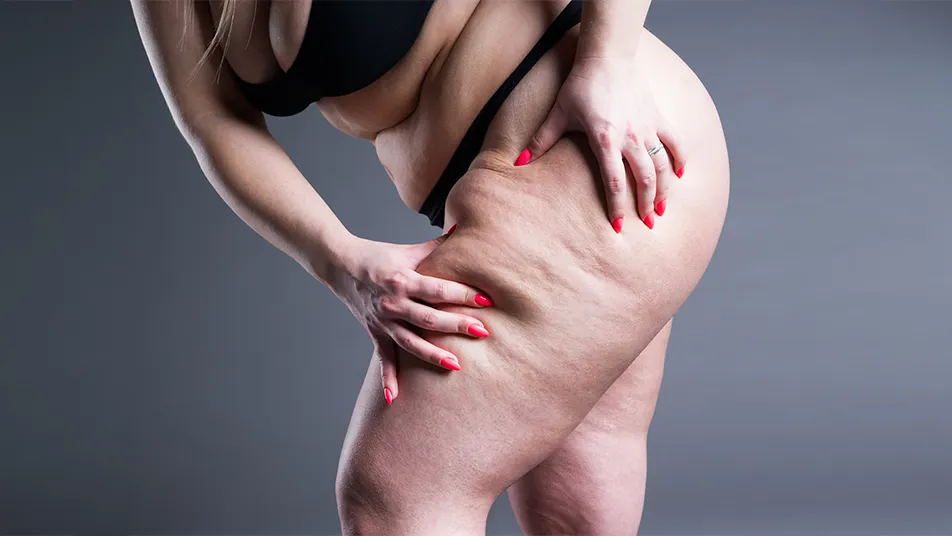
Symptoms of lipedema are similar to that of lymphedema, swelling, tenderness, and pain in the lower body. The fat distribution seems disproportionate, frequently giving the skin a bumpy or lumpy look. In the long run, this can cause emotional issues such as body image issues.
To explore more about liposuction’s effects on skin, check out our article Liposuction and Cellulite: Can It Smooth Dimpled Skin? for detailed insights
Can Liposuction Help With Lipedema
Liposuction has become the standard treatment specifically aimed at reducing the fat deposits that characterize lipedema. For patients suffering from this incurable disease, treatment is more than cosmetic; it’s about treating the disease for the long haul. It’s been well-documented that the procedure significantly helps to alleviate painful symptoms, including tenderness and swelling that typically come with lipedema.
Liposuction is not a cure for the condition, but it can have a profound impact. It relieves pain, increases movement, and improves overall well-being.
Related: Liposuction Considerations for Patients with Fibromyalgia: What to Know
1. How Liposuction Treats Lipedema
The surgical process is the removal of excess, abnormal fat tissue through advanced methods, specifically designed for lipedema patients. Tumescent liposuction as a technique yields remarkable results and is widely renowned. It uses a tumescent local anesthetic solution to greatly reduce bleeding and speed healing time.
In advanced cases with large areas of fat deposits, several sessions can be necessary to get the best possible outcome. Studies have found the procedure is highly effective for achieving significant decreases in BMI and improvement in physical symptoms. Most patients report an improvement in daily functioning and a reduction in symptom frequency after surgery.
2. Benefits of Liposuction for Lipedema
According to the authors, pain and swelling reduction are the most immediate benefits. After surgery, most patients notice a significant difference in their mobility and ability to participate in physical activities. Improved mobility ignites a chain reaction.
It gives people the ability to get back to their pastimes, participate in fitness activities, and meet challenging work-related tasks. The mental health effects are just as impressive. Patients typically report increased self-esteem and a more positive body image, factors that are an invaluable part of emotional health.
A recent large 10-year study showed amazing outcomes. More than 92% of patients surveyed said they achieved a lot of improvement with lipedema-related symptoms and were pleased with the results.
3. Limitations of Liposuction for Lipedema
Even though it’s very effective, liposuction is not a complete cure. Long-term maintenance, such as with lifestyle interventions or compression wear, is frequently required to uphold results. When large volumes of fat are removed, skin laxity is an expected consequence and therefore might need to be addressed with subsequent skin tightening procedures.
The key is the expertise of the surgeon is what will make this surgery a success. It’s only those specifically trained in lipedema-specific techniques that can ensure the safest and most effective outcomes.
It is important for patients to consider their recovery. Swelling will be increased initially, but will diminish over time. You may start noticing full benefits six months to a year after your surgery.
Key Considerations Before Surgery
1. Consult a Specialist
Selecting a qualified surgeon is the most important aspect of successful lipedema treatment. Specialists who are experienced in treating lipedema are familiar with the condition’s distinct complexities, including fat distribution and tissue sensitivity.
At your first consultation, be sure to ask questions regarding the procedure itself, recovery time, and what results you can expect. For instance, ask how they plan to reduce your lipedema-related pain or restore your mobility.
It can be useful to read the surgeon’s credentials and examine before-and-after pictures of other patients on whom the surgeon has operated. These simple steps can ensure you’re confident in their expertise, and help you decide if surgery is the right choice.
2. Understand the Surgical Risks
Even though liposuction is the only effective, long-term treatment for lipedema symptoms, it is crucial to understand the risks involved. These can be infection, hematoma (blood collecting under the skin), or seroma (fluid collection).
Others suffer serious complications from anesthesia. Before your surgery, your physician should discuss these risks with you and have you sign an informed consent form. This helps make sure you are well informed about the procedure, and any potential results.
3. Evaluate Your Overall Health
A thorough pre-surgery health evaluation helps ensure a safe procedure. Be sure to share any and all medical conditions, medications, and supplements with your doctor.
For instance, discontinue blood thinners, vitamin E and alcohol 10 days before. Lifestyle changes, such as staying at or getting to a healthy weight, can further enhance these outcomes.
4. Set Realistic Expectations
Liposuction for lipedema can help restore mobility, reduce pain, and improve appearance. It’s important that we establish achievable expectations.
Though the treatment usually provides significant and visible benefit, it’s not always possible to achieve ideal or complete results. Having an open discussion about realistic results with your surgeon can help set your expectations in line with your specific situation.
5. Choose the Right Surgical Technique
Various types of liposuction, including tumescent liposuction, provide different advantages. Tumescent techniques are generally favored for lipedema because they are safer and allow for quicker recovery.
Patients often get back to everyday life faster than with conventional techniques. Consult with your surgeon about their recommendations regarding which technique is right for you and why it’s the best fit for your treatment needs.
6. Prepare for Post-Surgery Care
Recovery following surgery necessitates great consideration. Surgeons usually advise patients to wear compression garments for at least a few weeks post-op to help control swelling and encourage healing.
Make a packing checklist and be sure to pack the basics, such as pain relief meds and feminine cleansing wipes. Consider stocking up on products with boric acid like Summers Eve, for the night before and morning of your surgery.
Make plans for someone to help you with your early recovery. You may be unable to move much for days, so you will need plenty of assistance.
Recovery Process After Liposuction
Managing Post-Surgery Pain
During Recovery Pain is quite different with liposuction compared to other procedures. Most surgeons will prescribe pain medications so that you can get ahead of any discomfort during this interim time. Mild pain can be well managed with over-the-counter pain relievers.
Beyond that, just practicing mindfulness or deep breathing exercises can help soothe an anxious mind. Light walking, beginning as soon as you’re able, promotes circulation, minimizes swelling and aids in the prevention of complications such as blood clots.
To help reduce swelling and bruising, ice packs may be used intermittently during the first few days of recovery. Before using any remedy that isn’t prescribed by your surgeon, always consult with them to avoid any harm to yourself.
Following Aftercare Instructions
Your surgeon should give you an aftercare plan to help you recover and avoid complications. These can range from wearing compression garments to reduce swelling and promote the healing process. Steering clear of vigorous activities is important, but light activity such as walking is recommended.
Common do’s of the recovery process are hydrating and cleaning the surgical area. Don’ts include not taking baths until you are cleared, and no smoking, which is known to slow down healing. Be sure to stay in close communication with your healthcare provider if you have any concerns.
If you have increased pain or any abnormal discharge, contact us right away.
Monitoring for Complications
Persistent redness, swelling, or fever may indicate an infection or other complication. If something just doesn’t feel right, reach out to your medical team right away.
Create a recovery journal to keep a record of your symptoms, recovery progress and questions to bring to your follow-up appointments.
Expected Timeline for Recovery
Depending on the nature of their work, the majority of patients are back to work within two weeks. Getting back to full activity including exercise is typically around six weeks.
The final results of liposuction may not be fully apparent for as long as a year. This occurs as the swelling resolves and your body adapts to its new form.
So patience, at least in the short term, is a virtue as you wait to enjoy all of the potential benefits.
Expected Outcomes of Liposuction
Reduction in Pain and Swelling
Liposuction usually gives patients dramatic relief from the chronic pain and tenderness that is a major part of lipedema. Most patients notice an improvement in heaviness and aching feeling in their legs almost immediately after the procedure. Unlike other methods, the surgery physically eliminates unwanted fat deposits.
These deposits usually pinch nerves and surrounding tissue, creating pain. Besides lowering pain levels, swelling also starts to subside as time goes on. Reducing fluid accumulation in the treated regions, patients find that routine activities such as walking or standing are significantly easier.
For example, patients talk about being able to stand for extended periods of time without having to sit down all the time. These enhancements are not merely temporary, but can endure for several years when combined with adequate post-surgery care.
Improved Mobility and Quality of Life
So beyond the physical changes, liposuction can dramatically enhance patients’ mobility and overall quality of life. Less bulk in your legs or arms improves your ability to climb stairs and perform other daily activities. You’ll notice that it’s easier to get into your everyday clothes, too.
This increased mobility typically leads to increased walking or biking, contributing to a healthier community overall. The confidence boost that comes from a more flattering body shape is certainly a major benefit.
Patients are frequently more inspired to engage in social gatherings or pastimes they had previously shunned, improving their quality of life substantially.
Long-Term Maintenance Tips
Maintaining your results will require some commitment. Low-impact exercises such as swimming or walking can go a long way to maintaining a healthy body. A healthy lifestyle, starting with a balanced diet, one that’s largely made up of whole foods, is just as important.
Compression therapy, including use of compression garments, help ensure continued swelling management and recovery. Continued follow-up with a healthcare provider allows any early signs of lipedema progression to be managed proactively.
Alternative Treatments for Lipedema
Lifestyle Changes and Exercise
Non-surgical treatments usually begin with diet and exercise. Low-impact activities such as swimming, water aerobics, or cycling are effective at stimulating lymphatic drainage and can be easier on the joints. These strengthening exercises can help minimize stiffness and swelling in the long term.
Whatever the method, a regular workout schedule based on your own capabilities is key. Even simple practices can make big waves when done consistently.
Dietary modifications are the other key component. Although no specific diet will cure lipedema, you can do a lot for your overall health. Eat foods that combat inflammation, such as leafy greens, berries, and whole grains.
Reducing the amount of processed foods and added sugars aids in weight management and inflammation reduction. Combined, these shifts lay the groundwork for real, effective symptom management.
Compression Therapy Benefits
Compression garments are among the most important treatments for lipedema. These garments, whether sleeves or leggings, help promote circulation and better manage swelling. Custom-fitting them is typically suggested for optimal effectiveness since these custom options are tailored to individualized needs and circumferences.
Putting them on every day, particularly when you are active or on your feet for long hours, gets the most out of them. Compression therapy, though, is typically used in combination with other treatments for a more comprehensive approach to lipedema treatment.
Manual Lymphatic Drainage Therapy
MLD is a very light, rhythmic massage focused on encouraging lymph movement. It works by removing fluid buildup causing swelling and discomfort. Either regular sessions by trained therapists or learning at-home techniques can serve as beneficial complements to other treatments.
MLD provides an effective non-invasive treatment option that can result in improved lymphatic function and increased overall comfort when incorporated into a comprehensive plan.
Conclusion
Liposuction provides a reproducible, effective treatment strategy for lipedema. It can significantly improve discomfort, mobility, and overall quality of life. Success lies in careful pre-op planning, setting expectations based in reality, and consulting with the right experts. Recovery requires patience, but most enjoy long term gains to a wide variety of procedures when in the right hands.
Other treatments, such as compression therapy or physical therapy, can be beneficial. One size does not fit all. A customized approach is most effective. Lipedema can be a very individual experience, so discovering the options that work best for you is key.
The difference between a major complication and smooth sailing often comes down to awareness. Have frank discussions with experienced providers. Get clarification on things you do not understand. Learn more and find your path. The right choice leads to the best possible outcomes and the best possible quality of life.
Considering liposuction in Denver? Our clinic specializes in safe, expert treatments designed to meet your unique needs. With years of experience, we guarantee results that will help you feel confident in your body. Find out more about our liposuction services and start your journey today!
Frequently Asked Questions
What is lipedema?
Lipedema is a chronic condition characterized by the disproportionate accumulation of excess fat, particularly in the lower body, impacting areas like the legs, hips, and thighs. This condition, often misdiagnosed as obesity or lymphedema, results in painful, swollen limbs that bruise easily, affecting mostly women and requiring proper treatment options.
Can liposuction treat lipedema?
Yes, liposuction surgery is currently the only treatment that can manage lipedema effectively. This liposuction procedure removes excess painful tissue, improves mobility, and slows the progression of the lipedema stages. It isn’t a cure and should not be a standalone treatment; it needs to be part of a comprehensive treatment plan.
Who is a good candidate for liposuction for lipedema?
A good candidate for lipedema surgery typically has the benefit of overall good health. They are working with a confirmed lipedema diagnosis and often contend with pain or mobility issues. That’s why it’s critical to speak with a board-certified surgeon who has extensive experience in liposuction techniques for lipedema.
What should I consider before liposuction?
You need to weigh the surgeon’s qualifications and the risks associated with liposuction surgery, alongside your overall health. Ensure you have realistic expectations and are dedicated to post-surgery care for optimal liposuction outcomes.
How long is the recovery after liposuction?
Recovery from liposuction surgery can span several weeks. Although most patients return to light activities after 7–10 days, they usually need to wear postoperative compression garments for months, with full recovery taking a year or more.
What are the expected outcomes of liposuction for lipedema?
Liposuction surgery removes abnormal fat, effectively reducing pain, swelling, and the heaviness often felt in the legs. This medical procedure is not merely cosmetic; it enhances physical function, mobility, and overall quality of life. While it’s not a cure for lipedema, the liposuction treatment can significantly alleviate symptoms and prevent further progression of the condition.
Are there alternatives to liposuction for lipedema?
Yes, but alternatives can include compression therapy, manual lymphatic drainage, physical therapy, and a healthy diet. While these treatment options can help control symptoms, they do not address the lipedema fat accumulation. It's essential to discuss all options with your healthcare provider to determine the most appropriate treatment.