Here you can find the latest news and surgical articles.
3 September 2026
Liposuction vs. Noninvasive Fat Reduction for a Tummy That Won’t Go Away After Weight Loss
Key Takeaways
Stubborn belly fat generally lingers because of genetics, hormones, or general body fat predisposition and usually contains subcutaneous fat that is resistant to diet and exercise. Keep this in mind when contemplating lifestyle changes versus procedures.
Liposuction eliminates localized subcutaneous fat to enhance abdominal contour but doesn’t address visceral fat, stretch marks, or substantial loose skin. Pair it with a tummy tuck if skin tightening or muscle repair is required.
Best candidates are close to their goal weight, in good health, and have great skin elasticity. Individuals with uncontrolled medical conditions or unrealistic expectations should look elsewhere.
Various liposuction technologies have trade-offs in skin tightening, recovery, and bruising. Talk about device selection and anticipated recovery with your surgeon.
Nonsurgical treatments like CoolSculpting and SculpSure are effective for minor pockets of fat with less downtime and create more subtle, incremental results in comparison to liposuction.
Suit up for surgery with a comprehensive consult, follow surgery steps like wearing compression garments and keep your weight stable and habits healthy to preserve results.
Liposuction for that won’t go away after weight loss is a laser surgery to remove stubborn belly fat and sculpt your abdomen. It addresses those stubborn fat pockets that won’t budge with diet and exercise and can refine waistline contours.
Candidates normally have a stable weight, good skin tone, and realistic objectives. Recovery times and results differ by technique and patients.
The body of the article details types, risks, recovery, and surgeon selection.
Why Tummy Fat Lingers
Tummy fat can linger post-weight loss for a few connected reasons. Knowing what kind of fat you’re dealing with, how your body hoards fat, and what happened to your abs and skin paints a more vivid image of why your stomach fights you so hard.
Genetics, hormones, and fat distribution
Genetics mostly lay the map for where your body retains fat. We are all different; some of us inherit a tendency to save more fat in the tummy. I’m talking about why that pattern can continue after total weight decreases.
Hormones provide a second twist. Cortisol, the stress hormone, and insulin, which regulates blood sugar, both influence fat storage. Excess or imbalanced levels can compel your body to hold fat in the belly.
Men and women differ too. Men often hold more visceral fat, while women may hold more subcutaneous fat. Individual variation is common. These genetic and hormonal factors account for why two individuals with comparable diets and activity levels can appear different around the midsection.
Subcutaneous versus visceral fat and why subcutaneous is stubborn
Abdominal fat usually mixes two types: subcutaneous fat, just under the skin, and visceral fat, which wraps around internal organs. Visceral fat is deeper and connected to health risks. It sometimes accounts for around 10 percent of total body fat but can be greater for some individuals.
Visceral fat can be tougher to shift via spot work because it is metabolically active and intertwined with hormonal cues. Subcutaneous fat, the pinchable layer, tends to be more stubborn to diet and exercise. That resistance has to do with blood flow differences and fat-cell behavior.
Subcutaneous fat has less blood flow and fewer receptors that respond to fat release signals. Because liposuction can only remove subcutaneous fat, not visceral fat, the deeper risk and some bulge may persist post-operatively.
Pregnancy changes, muscle separation, and loose skin
Pregnancy stretches your abdominal wall and can cause diastasis recti, a separation of your abdominal muscles. The muscles do not always return to their pre-pregnancy position and the separation gap can cause the belly to protrude despite low body fat.
Skin elasticity, too, shifts with pregnancy, age, and weight cycles. Sagging skin can fold over and create an overhang that appears to be stubborn fat. Previous abdominal surgeries contribute scar tissue and alter how fat and skin fall, and they can render certain areas resistant to additional slimming.
Other contributing factors: lifestyle and weight history
Yo-yo weight fluctuations alter fat-cell size and quantity and can make some areas resistant. Low core muscle mass contributes to belly fat sticking around, as muscles are calorie-burning and give your midsection shape.
A terrible diet, no exercise, stress, and sleep promote belly fat. A waistline greater than 102 cm in men or 88 cm in women commonly indicates excess visceral fat and increased risk.
Understanding Liposuction
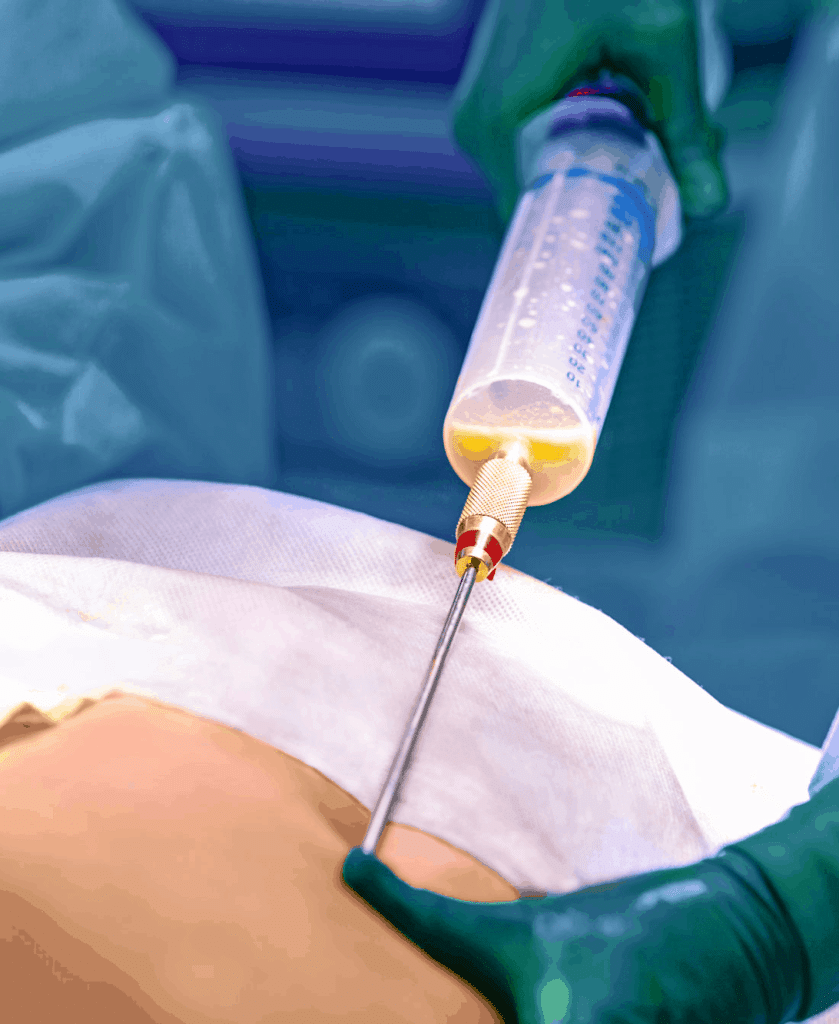
Liposuction is a cosmetic surgery that removes unwanted fat from targeted parts of the body, such as the midsection. It’s a sculpting, not a slimming, procedure. The surgery generally involves making small cuts and inserting a vacuum-like tube called a cannula to remove fat cells.
Surgeons generally inject a solution of saline and two drugs into the targeted region prior to suctioning. This minimizes bleeding and makes fat extraction easier. The majority of liposuction surgeries are performed on an outpatient basis and focus on sculpting body contours, particularly for patients who are at or near their ideal weight.
Feature
Liposuction
Traditional Weight Loss
Goal
Remove localized fat deposits
Reduce overall body weight
Method
Surgical suction of fat cells
Diet, exercise, lifestyle changes
Effect on skin
May improve contour; depends on elasticity
No direct effect on fat pockets
Time to results
Weeks to months (swelling fades)
Varies; gradual over months
Treats visceral fat
No
Can reduce visceral fat with overall weight loss
Typical setting
Outpatient surgical clinic
Home, gym, community programs
1. The Procedure
Anesthesia is administered first, either local with sedation or general. The surgeon makes a few tiny incisions, slides in a cannula and wags it around destroying and suctioning away excess fat from the abdomen and surrounding areas.
Several areas can be contoured at once, such as the abdomen, flanks and love handles. For cases that require skin tightening or muscle repair, some patients pair liposuction with a tummy tuck. Recovery varies; many resume light activities within days and fuller activities in one to two weeks, though strenuous exercise is usually avoided for about two weeks.
Patients usually start light walking within 48 hours to assist recovery and prevent complications such as blood clots.
2. The Technology
They range from traditional suction-assisted liposuction to laser-assisted (Smartlipo) and radiofrequency-assisted systems (BodyTite). Certain devices trigger collagen and skin shrinkage more effectively than others.
Radio frequency, for example, may increase tightening while laser can minimize bruising. High-tech tools, like triple-wavelength lasers, promise better outcomes and quicker recoveries. All still suction out fat. Added tech primarily seeks to tighten skin, minimize pain and reduce downtime.
3. The Candidate
The best candidates have a stable, healthy weight and have areas of fat that won’t shift with diet or exercise. Good skin elasticity and tone contribute to smoother results and less risk of loose skin.
Individuals with uncontrolled medical problems, poor circulation or uncontrolled diabetes are typically poor candidates. Realistic expectations are essential. Liposuction is not a cure for obesity and should be paired with healthy habits.
4. The Limitations
Liposuction doesn’t take away extra skin, correct stretch marks, or repair muscle separation. Those problems could require a different surgery. It does not get rid of visceral fat inside the abdomen; it only targets subcutaneous fat.
Bad skin or poor skin quality will incur lingering laxity or a belly overhang after fat removal. Subsequent weight gain will alter contour, and fat may reappear in untreated areas.
5. The Outcome
Look forward to a tighter waistline and better body contours. Anticipate some immediate swelling and bruising and the possibility of seromas. You may experience some pain, tenderness, or a burning soreness.
Compression garments for several weeks reduce swelling and pain. Final results appear over months as swelling goes away. Shape retention occurs if weight remains stable. Laxity decreases with age.
Surgical Alternatives
Surgical alternatives are typically selected when weight loss has resulted in loose skin or a weakened abdominal muscle structure that liposuction cannot correct on its own. Abdominoplasty, or tummy tuck, extracts excess skin and fat from the lower to mid abdomen and tightens the rectus muscles that loosened post-pregnancy or major weight loss.
The surgical procedure usually renders an incision along the lower abdomen, excision of tissue, and re-draping of the skin. Recovery often takes weeks of restricted activity and a few months for all swelling to dissipate. Scars are permanent but can usually be tucked low enough to hide under underwear or swimwear.
Abdominoplasty is ideal for patients with moderate to large loose skin and diastasis recti, providing more immediate, dramatic contour changes than non-invasive options.
Panniculectomy targets the pannus, the large apron of hanging skin and fat that can develop after extreme weight loss or bariatric surgery. Unlike a cosmetic tummy tuck, panniculectomy focuses on removing excess tissue to relieve functional issues such as hygiene problems, rashes, or back strain.
Muscle repair is not always performed in a panniculectomy, and the procedure can be covered by insurance if functional impairment is documented. Recovery can be similar to a tummy tuck, and complications include delayed wound healing, seroma, and infection, especially in patients with higher body mass index or other medical conditions.
Feature
Liposuction
Tummy Tuck (Abdominoplasty)
Panniculectomy
Main goal
Remove fat
Remove skin + repair muscles
Remove large hanging skin/fat
Best for
Localized stubborn fat
Skin laxity + muscle separation
Functional issues after massive weight loss
Scarring
Small, scattered
Long low horizontal scar
Long horizontal scar
Downtime
Days to 2 weeks
Several weeks
Several weeks
Insurance coverage
Rare
Rare (cosmetic)
Sometimes (functional cases)
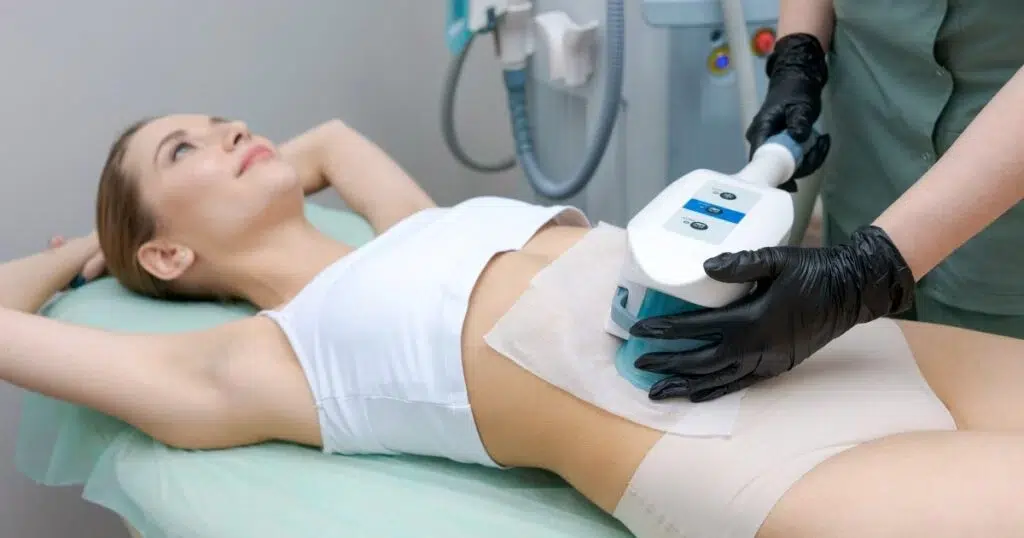
Non-surgical options include fat-freezing (cryolipolysis), low-level laser, radiofrequency, and ultrasound-based lipolysis. These treatments destroy fat cells in targeted areas with minimal downtime and decreased risk for serious complications.
Outcomes are subtle and often necessitate several treatments over weeks to months. Side effects may involve temporary soreness, swelling, numbness, or bruising. Non-invasive options are attractive for those seeking less risk of scarring and a quicker return to normal activities and can be combined with other cosmetic procedures to further sculpt contour.
Combining approaches is common. Liposuction and abdominoplasty can address both excess fat and loose skin, while non-surgical treatments may help contour residual pockets after surgery.
Not everyone is a candidate for the non-invasive approach because if you have excessive loose skin or a large volume of fat, you will still need surgery to get the results you desire.
Nonsurgical Options
Nonsurgical fat reduction provides options for post-weight loss pockets of belly fat. These techniques concentrate on removing or sculpting localized fat or reshaping tissue without the use of general anesthesia or significant incisions. They are best for individuals close to their ideal weight with small, stubborn deposits and not for broad or substantial excess weight.
Popular nonsurgical fat reduction treatments include:
CoolSculpting (cryolipolysis)
SculpSure (laser lipolysis)
Radiofrequency (RF) fat reduction devices
Emsculpt Neo (combined electromagnetic and RF)
Injectable medications for medical fat loss
Invasive laser body contouring (minimally invasive laser-assisted techniques)
How these methods differ from liposuction: nonsurgical options are less invasive, often require no or minimal downtime, and carry lower immediate risk. Liposuction, which employs surgical suction to eliminate bigger fat deposits in a single sitting, provides more dramatic, instant transformation.
Nonsurgical treatments are slow; most need several treatments and produce results over weeks to months. Liposuction can be more precise to sculpt large areas, whereas the nonsurgical tools target small, specific locations.
What to expect and timing: Most nonsurgical modes, including cryolipolysis and many laser or RF systems, produce visible change within six to twelve weeks, with continued improvement up to three months. Usual fat loss in treated areas is up to approximately twenty-five percent per area, so transformation is subtle compared to surgical extraction.
Cryolipolysis is another example; it freezes fat cells at temperatures that harm fat more than surrounding tissues, prompting the body to gradually clear away the cells. RF treatments, on the other hand, heat fat cells and surrounding tissue to encourage cell death and some skin tightening without cutting.
Clinical and practical notes: Injectable medications can aid medical fat loss by changing appetite signals or fat storage and may suit people with metabolic contributors to belly fat. Emsculpt Neo and other devices combine fat reduction with muscle stimulation, which can tone abdomens and enhance muscle definition while reducing fat volume.
Mixing any nonsurgical treatment with consistent exercise and a healthy diet enhances results and makes them last.
Safety and selection: Choose a qualified provider and discuss realistic goals, number of sessions, cost, and potential side effects like temporary numbness, swelling, or unevenness. For higher-volume issues or lax skin, surgical modalities such as liposuction or excision are still superior.
The Consultation Process
The consultation begins with a clear, focused evaluation of body shape, fat distribution, and skin quality by a board-certified plastic surgeon or qualified provider. The clinician will measure and photograph the abdomen, feel tissue thickness, and test skin elasticity by pinching and stretching. This exam shows where fat pockets sit, whether loose skin is present, and if muscle laxity exists from pregnancy or weight change.
A patient with firm skin but localized fat may be a good liposuction candidate, while one with loose, excess skin may need a tummy tuck or combined approach. Come armed with a list of objectives, inquiries, and previous weight-loss attempts to the appointment. Pinpoint specific issues such as love handles, lower abdominal pooch, or uneven bulges and establish achievable goals like subtle contouring versus a more dramatic excision.
Write down previous diets, workouts, medically supervised weight-loss programs, and any bariatric surgery; this matters for expectations and timing. Inquire about recovery periods, scarring, and duration of results. Anticipate a thorough medical screening including past medical history, current medications, allergies, and previous surgeries to fashion the safest possible strategy.
Disclose smoking, clotting problems, heart conditions, diabetes, and blood-thinning supplements. The surgeon might want blood work or an ECG. Previous abdominal surgeries, such as C-sections, can alter anatomy and scar tissue and impact technique selection. Talk of anesthesia and perioperative risk reduction occurs here.
We’ll review treatment options as a team and create your customized plan. This could be traditional liposuction, ultrasound or laser-assisted liposuction, non-invasive options like CoolSculpting or truSculpt, or energy-based skin tightening like BodyTite. A board-certified surgeon explains trade-offs: liposuction removes fat directly and can be combined with a tummy tuck.
CoolSculpting freezes fat but works slower and is better for small pockets. BodyTite offers some skin tightening but less volume removal. Examples: someone with mild excess and good skin might choose truSculpt. Someone with significant fat and loose skin might need liposuction plus abdominoplasty.
Practical details are covered: expected downtime, activity limits, compression garments, and follow-up visits. Patients might have to limit heavy lifting and strenuous exercise for days to weeks. Your surgeon will go over post-op care to help maintain results, including diet, exercise, and lifestyle.
Cost estimates are given, with the ultimate price linked to extent, modality, facility fees, and anesthesia. A detailed consultation determines if combining procedures is ideal and establishes a safe, customized route ahead.
Life After Liposuction
Recovery begins right away and the initial days establish the rhythm for comfort and results. Anticipate pain, tenderness, or soreness that can manifest as a burning ache for a few days. Adhere to the surgeon’s aftercare instructions.
Take pain meds as prescribed, maintain incision site cleanliness, and visit follow-ups for the care team to monitor healing and catch early complications. Wear your compression garments as directed to reduce swelling and help the skin settle.
These garments provide compression for the treated area and can accelerate healing when applied properly. Most surgeons request patients wear them full-time for a few weeks, then part-time after. For instance, a typical plan may include wearing a tight abdominal binder full-time for two to four weeks, then at bedtime for one more month.
Compression aids in minimizing fluid accumulation and movement that could potentially put tension on healing tissue. Start working out and going healthy once you get clearance. Light walking begins immediately to decrease clot risk and increase circulation.
Ease back into light strength training and cardio, typically a few weeks post-procedure, and then ramp up the intensity over several months. Having multiple small meals throughout the day can assist with energy and digestion during your recovery.
Maintain an emphasis on balanced meals containing lean protein, vegetables, whole grains, and adequate hydration to assist your tissues in repair. Monitor weight carefully, because small upticks alter outcomes. If you gain 2 to 3 kg post liposuction, fat cells in untreated areas get a little bigger.
With more significant weight gain, such as 10% of body weight, new fat cells can develop throughout the body, including the liposuctioned areas. For instance, if you were a 59 kg individual who had 3 kg taken off, you should strive to remain at or below 56 kg to minimize the risk of seeing fat come back.
Continued weight management with diet and exercise is important for long-term results. Watch for complications and get care if anything looks funny. Watch for spreading redness, fever, very persistent pain, or evidence of fluid under the skin.
Small fluid pockets, known as seromas, can develop and require drainage. Early intervention of infection or fluid problems minimizes scarring and other complications. Anticipate shape to continue to change with time and have reasonable expectations.
Skin quality, aging, and weight fluctuations can all impact the appearance years post-surgery. Consistent aftercare, truthful living, and reasonable expectations keep results lasting and fulfilling.
Conclusion
Liposuction for stubborn tummy that lingers after weight loss eliminates pockets of fat and can even smooth the belly line. Candidates typically have stable weight, good skin tone, and clear health checks. Surgery provides rapid and more apparent fat loss. Non-surgical methods provide mild to moderate change and minimal downtime. Recovery requires rest, follow-up care, and realistic expectations. A consult with a qualified surgeon reveals which path suits your body and life. Inquire regarding dangers, price, and anticipated outcomes. Consider scars, pain, and time away from work. Select an option that suits your lifestyle and wallet. Schedule a consultation with a board-certified plastic surgeon and get a clear plan.
Frequently Asked Questions
What causes tummy fat to remain after weight loss?
Common causes of this stubborn tummy include your genes, loose skin, pregnancy, and diet and exercise resistant fat cells. These factors render the area resistant to weight loss alone.
Is liposuction safe for removing stubborn belly fat?
Liposuction is typically safe for healthy adults when conducted by a board-certified plastic surgeon. There are risks, so appropriate medical screening and realistic expectations are critical.
Will liposuction tighten loose skin on my abdomen?
Liposuction extracts fat but doesn’t consistently tighten large amounts of loose skin. If there’s loose skin, a tummy tuck may be advised for improved contour and tightness.
How long is recovery after abdominal liposuction?
Most return to light activity within a few days and normal activities in two to four weeks. Final results and full swelling resolution may take months.
Are there non-surgical options that help tummy fat?
Yes. CoolSculpting, radiofrequency, and ultrasound treatments shrink small pockets of fat and can help with skin quality. Effects are milder than surgery and can require several treatments.
Will losing weight after liposuction make the belly fat come back?
Liposuction eliminates fat cells in treated areas. Gaining a lot of weight can stretch leftover fat cells in other places and influence your silhouette. A stable weight preserves results.
How do I choose the right surgeon for belly liposuction?
Find a board certified plastic surgeon with before and after photos, patient reviews, and who is transparent on risks and results. An in-person consult verifies fit and develops trust.