Here you can find the latest news and surgical articles.
26 October 2026
Lymphatic Drainage Massage at Home for Lipedema: Self-Care Techniques, Timing, and Benefits
Key Takeaways
Manual lymphatic drainage helps to move lymph fluid through vessels and nodes to drain swelling and toxins. Apply gentle, directional strokes that stretch the skin without compressing underlying muscles.
Regular at-home routines that begin with deep breathing and clear the neck, trunk, and limbs can increase mobility, soften fibrotic tissue, and reduce inflammation for those with lipedema.
Take very light pressure, and use short repeated strokes toward major lymph nodes (neck, armpits, groin). Avoid deep or forceful massage because this can bruise or cause tissue damage.
Monitor pain, swelling, and session details before and after each massage to track effectiveness and adjust frequency, aiming for roughly three to five sessions per week or as symptoms dictate.
Set a clean, comfortable environment and tools. Maintain clean hands and nails. Conclude each session by returning to the neck and clavicle to facilitate mobilized fluid into central drainage.
If you experience pain, increased swelling or skin changes, stop self-treatment and get a professional evaluation to prevent complications and maintain safe care.
Lipedema and lymphatic drainage massage at home are gentle self-massage techniques designed to relieve swelling and pain from lipedema. They emphasize light, rhythmic strokes that encourage lymphatic flow, decrease fluid retention, and increase skin mobility. Most folks combine massage with compression garments, movement, and hydration. The guide below provides simple steps, safety tips, and when to seek professional care to keep routines effective and safe.
Lymphatic Drainage Mechanics
The lymphatic system is a low-pressure network of thin-walled vessels and nodes that accompany blood vessels and penetrate tissues. It picks up excess tissue fluid, proteins, cellular waste, and immune cells, and transports this lymph to nearby lymph nodes where debris is filtered and immune reactions may be initiated. Movement relies on a combination of forces: intrinsic contractions of lymphatic vessel walls, one-way valves that prevent backflow, nearby skeletal muscle activity, and changes in thoracic pressure during breathing. When any of these drivers are slowed, fluid can accumulate in the interstitial spaces and cause edema or pain.
Manual lymphatic drainage (MLD) is a specialized, manual technique that accesses those inherent forces to direct lymph to working nodes and larger lymph trunks. Light, rhythmic pressure pushes superficial lymph capillaries to open and take in more fluid. The gentle stretch of the skin actually helps propel lymph along its path rather than push further into tissues. In lipedema patients, where fat accumulation and tissue rigidity can inhibit flow, MLD seeks to alleviate water retention, relieve heaviness, and encourage enhanced skin and tissue flexibility. Routine visits can complement compression garments, exercise, and a healthy body weight to enhance comfort and minimize flare-induced swelling.
Main lymph nodes and vessels involved in drainage: 1. Inguinal nodes — in the groin; drain the lower abdomen, buttocks, perineum, and legs; primary target when decongesting lower-limb lymph. Example: gentle strokes from the thigh toward the groin help direct lymph here. 2. Popliteal nodes — behind the knee; manage drainage from the lower leg and foot, often neglected but beneficial for localized swelling in the calf. 3. Superficial and deep femoral — vessels that run up the thigh toward the inguinal nodes; main highways for leg lymph, hence techniques tracing the vessel route clear larger volumes. 4. Axillary nodes — underarm nodes; drain the upper limb and lateral trunk; come into play if lymph is redirected during full body drainage sequences. 5. Lumbar trunks and cisterna chyli — deep collectors in the abdomen that feed into the thoracic duct, important for central clearance and overall lymph return to the bloodstream. 6. Thoracic duct — the chief return route for lymph to venous blood at the neck; the ultimate destination for the vast majority of lower-body lymph.
Effective MLD employs extremely light, skin-stretching strokes that flow in a direction toward the selected nodes. Pressure is shallow to prevent compression of deep capillaries or bruising of delicate tissue changed by lipedema. The method begins by opening proximal drainage points first, such as clearing the inguinal nodes before working the lower leg, so flow has a downstream path. Sessions blend circular pumps, stationary holds, and stretch-glides, keeping watch for pain or increased sensitivity.
Focus on training or coaching before working at home. Use gentle, repeated motions in 5 to 20 minute blocks per limb to bypass overload.
Distinct Tissue Benefits
This is where lymphatic drainage massage can provide distinct tissue benefits. It shifts excess interstitial fluid, relieves nerve pressure, and promotes tissue remodeling. Here are targeted benefits and tips for working on pain, fluid, and softness of tissue at home.
Pain Reduction
Light lymphatic strokes relieve pain by decreasing pressure from oedematous fluid in the skin and subcutis. When lymph flows, local pressure decreases and nerves are less pinched. Tenderness frequently diminishes after multiple treatments.
The increased lymph flow decreases inflammatory signals in the lipedema tissue, lowering sensitivity over time and sometimes making daily movement easier.
Apply light, effleurage strokes along the limb, beginning near the groin or armpit and then moving distally.
Softens finger pads and stays clear of deep pressure that results in bruising.
Employ open-handed scoops for calves and long, flat strokes for thighs.
Stop if skin becomes red or hot. Switch to cooler, gentler strokes.
Apply a light oil or lotion to reduce friction.
Track pain on a simple zero to ten scale before and after each session to observe trends. Include the time of day and activity so you can correlate pain shifts to treatment and daily habits.
Fluid Clearance
Target visible swelling first: ankles, lower legs, inner thighs and areas that feel heavy. Target brief, frequent periods when the liquid is most apparent instead of lengthy, hard to find working.
Follow lymph flow toward major lymph nodes: from the lower leg up to the inguinal nodes, from the arm toward the axillary nodes. Gentle pumping motions in the direction of these nodes assist in evacuating this accumulated fluid.
Consistency precludes the build-up. Daily short sessions of 10 to 20 minutes are generally more effective than infrequent long sessions. If swelling surges following activity or warmth, add an additional brief session that day.
Timeframe
Typical change in swelling
Notes
1–2 weeks
Mild reduction (5–10%)
Early responders; sleep and compression help
4–6 weeks
Moderate reduction (10–25%)
Noticeable decrease in tightness
3+ months
Greater reduction and stability
Best with regular routine and lifestyle adjustments
Tissue Softness
More frequent lymphatic massage can help soften these fibrotic nodules and hardened fat by increasing local circulation and promoting collagen remodeling. Changes are slow and require months of consistent effort to matter.
Add soft stretch motions to relax fascia and allow tissue to slide, not pull. Easy ankle pumps and knee bends along with gentle massage assist the tissue to acclimate without discomfort.
Softer tissue tends to reveal improved skin texture with reduced indentations and increased flexibility in joint regions. These complementary activities, when done gently and appropriately, can help break down adhesions.
Master Home Routine
Start with a brief overview: a consistent, calm routine helps move lymph fluid, reduce discomfort, and support lipedema management. Clean hands, trim nails, and a quiet place count. These are left-brain ordered steps, tools, and specific techniques to implement at home.
1. Deep Breathing
Start each session with diaphragmatic breaths to prime the lymphatic pump. Breathe in through the nose, the belly rises, hold for one count, out the mouth, soft release. This rhythm creates thoracic pressure shifts that push lymph toward central vessels. Repeat for one to two minutes, shoulders relaxed and eyes closed. A basic timer or guided breath app can assist in maintaining the count.
2. Neck Clearance
Unclog the neck first by opening main drainage routes. With the pads of the fingers, stretch the skin away from the collarbone, along the base of the neck and over the clavicle. Concentrate on the trapezius and lateral neck lines. Use little, slow strokes, 5 to 7 repetitions, to create channels for downstream drainage. Use light pressure only and do not press into pain. If you feel strain, ease pressure or pause and re-inhale.
3. Trunk Preparation
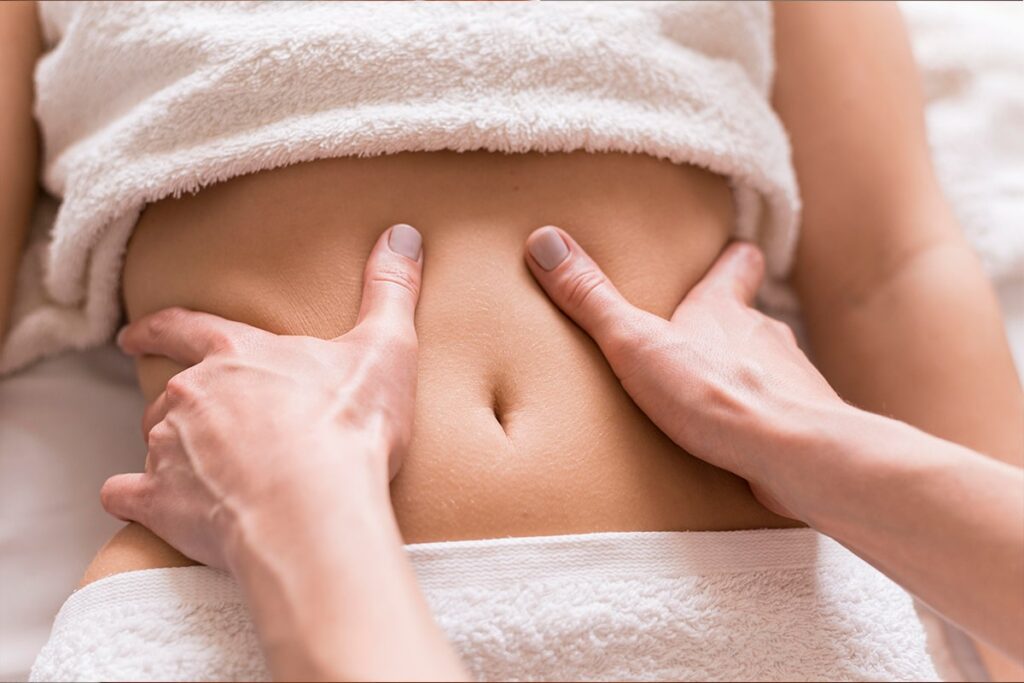
Brush the chest, axillae, and abdomen in the flow towards the heart. Place palms flat and sweep skin in gentle, broad circles toward the sternum and underarms. Feel the key lymphatic point in the abdominal crease where the thigh and trunk meet. Soft strokes through here promote convergence of lymph from the lower body. Work each area in three to five strokes, keeping a calm rhythm and checking skin for redness or sensitivity.
4. Limb Strokes
Massage limbs from distal to drainage points. For arms, work towards the armpit. For legs, work towards the groin. Employ a candy-cane or spiral motion with finger pads to lift and stretch the skin, not to knead muscle. Spray the top and bottom of every limb, giving special attention to swollen or sore areas. Cycle three to six times and press lighter if painful, leaving room to inhale and exhale fully between passes.
5. Finishing Flow
Return to the neck and clavicle to gather mobilized fluid. Do long, sweeping strokes from limbs and trunk toward the heart, coupling each sweep with an exhale. Promote slow breaths and some minutes of relaxation afterwards. Keep a record of length and details, including region treated, soreness, or skin alterations for enhanced self-care.
Essential tools:
Clean hands and trimmed nails
Light, unscented oil or lotion
Soft, flat massage brush (optional)
Small pillow or bolster for limb support
Timer or breath app
Essential Practice Cadence
Lymphatic drainage massage for lipedema is most effective when conducted on a regular, consistent cadence that integrates naturally into daily living. Frequent sessions minimize fluid retention, alleviate pain, and promote sustainable tissue health. Tips on practice frequency, when to schedule sessions, and how to customize frequency to symptoms and comfort.
Recommend performing lymphatic drainage massage 3-5 times per week for optimal management of lipedema symptoms
Shoot for three to five sessions per week to maximize benefit while still allowing time and skin for recovery. Three sessions can keep lymph flowing and minimize daily soreness for patients with light to moderate symptoms. Four to five times per week is helpful when swelling is more stubborn or after downtime, travel, or flares. Each session can last ten to thirty minutes depending on technique and tolerance. Fewer daily sessions tend to work better than one big session because light, repeated stimulation keeps lymph flowing without overstressing tissues. Begin on the lower end and ramp up as you notice progress.
Advise scheduling sessions at consistent times, such as after exercise or before bed, to establish a routine
Select regular times that work for your life and commit to them. Low-impact exercise, such as walking, gentle cycling, or aquatic work, aids lymph drainage. Resetting with manual massage afterward increases the benefit. Before bed is another good window. The body is primed for rest and repair, and a short session can minimize overnight aches and improve sleep. Morning sessions can help decrease stiffness. Regularity creates habit and provides cleaner data when you monitor progress. By associating massage with a complementary habit, such as showering, stretching, or topical care, it becomes more sustainable.
Note that frequency may be adjusted based on symptom severity, swelling, or personal comfort
If swelling spikes, add sessions or lengthen them until you experience relief. If skin is tender, decrease pressure or frequency to avoid irritation. If you’re using compression or active therapies, time them so massage supports those rather than fights them. Work with a clinician if changes are rapid or severe. Changes could be weekly initially, then monthly as the condition stabilizes.
Track sessions and monitor progress: * Keep track of the date, time, and length of each session.
Record pain on a scale from zero to ten and swelling visible before and after.
Record activities that day, such as workout, travel, and diet changes.
Shoot impacted parts once a week, at the same light and in the same position.
Note shifts in clothing fit or movement.
Critical Pressure Realities
Lymphatic drainage for lipedema is about pressure, not motion. Tiny differences in pressure modify whether lymph is in motion or tissues are bruised. Here’s what safe pressure really looks like, why force is dangerous, how to hold your hands, and how technique protects.
Stress the necessity of using very light pressure—just enough to stretch the skin without compressing underlying muscles.
Apply a soft, gliding pressure — enough to just shift the underlying tissue. Press your fingertips or flat palms against the skin and push until you sense the superficial skin layer move over the underlying layer. That itsy-lift is the goal. If you can feel muscle move beneath your fingers, you’re going too deep. For most adults, this is similar to the pressure you apply to test a tomato’s ripeness, not the pressure you apply to knead dough. Work in short strokes of 3 to 5 centimeters along lymph pathways, always towards regional drainage points like the groin for legs. Repeat strokes slowly, 5 to 10 times per area, instead of stronger single strokes.
Warn against applying deep or forceful strokes, which can damage lymphatic vessels and worsen symptoms.
Deep pressure can crush little superficial lymph vessels and the nearby delicate tissue in lipedema. That may lead to pain, fresh fluid accumulation, or broken capillaries that resemble bruises, not percussion or hard kneading or pushing across the grain of tissue. If you are sore during or following the session, cease and decrease pressure next time. Those on blood thinners, with fragile skin, or with an active infection require extra caution and should consult a clinician before initiating self-massage.
Demonstrate the correct grip and hand placement to maintain safe, effective pressure throughout the routine.
Use flat hands, cupped palms, or the pads of your fingers in a loose clutch. Remember to keep your wrists straight and use shoulder movement to drive long strokes so you don’t tense your hands. For the thigh, use a two-hand push toward the groin. One hand follows the other, overlapping by a few centimeters. For the lower leg, begin at the ankle and move up with continuous feather-light strokes. On arms, go from wrist to armpit, again with the same lift. If fatigue makes your touch hard, quit. Leverage five to ten minute sessions, not exhaustive, fatiguing marathons.
Remind users that proper technique is key to avoiding complications like bruising, pain, or increased inflammation.
Monitor skin reaction post every procedure. Pay attention to any new redness, pain, or swelling and decrease pressure or stop massage for a couple of days if these arise. Pair light manual work with simple measures: lie down for a few minutes after treatment, hydrate, and wear suitable compression if prescribed. When in doubt, consult a lymphatic therapist who is experienced in treating lipedema.
Conclusion
Lipedema pain and swelling ease with consistent, gentle lymphatic drainage massage at home. Light strokes down toward the groin and underarms aid fluid movement. Use light pressure with a slow and soft touch. Couple massage with daily movement, compression leggings, and skin care to maintain gains. Monitor these changes in pain, tightness, and how your clothes fit. If bruising, escalating pain, or bizarre swelling occurs, consult a clinician. As individuals with heavier legs, concentrate on the upper thigh and hip initially, then move downward. Small sessions add up: ten minutes twice a day beats one long session. Try a 7-day log to record what aids. Need an easy, step-by-step at-home plan you can print? I can whip one up.
Frequently Asked Questions
What is lymphatic drainage massage and how can it help people with lipedema?
Lymphatic drainage massage is a soft massage technique that encourages fluid to flow toward healthy lymph nodes. For lipedema, it can decrease swelling, relieve pain, and increase skin mobility when combined with medical treatment and compression garments.
Can I safely do lymphatic drainage at home if I have lipedema?
Yes, with instruction. Learn gentle, slow techniques from a certified therapist or trustworthy resources. Stop if you experience pain, increased swelling, redness, or shortness of breath and check with your provider.
How often should I perform lymphatic drainage massage at home?
Begin with three to five sessions per week, ten to twenty minutes per session. Modify according to symptoms and guidance of your physician. Consistency keeps the swelling and discomfort at bay.
What pressure and movements are safe for home lymphatic drainage?
Apply very light, skin-stretching strokes toward the nearest lymph nodes. Keep the pressure limited to less than the weight of a coin. Don’t do deep, vigorous rubbing or kneading on affected areas.
Which areas should I focus on during a home routine for lower-body lipedema?
Begin at central drainage points: neck and groin. Then proceed from trunk to thighs and lower legs, still directing fluid toward nodes. This sequence supports great flow.
Are there risks or conditions that make lymphatic drainage unsafe?
Yes. Active infections, untreated blood clots, heart failure, kidney failure, or deep vein thrombosis are contraindications. Check with your doctor first if you have medical conditions.
How do I know if home lymphatic drainage is working?
Notice less tissue softness, less swelling throughout the day, better mobility, and less pain. Changes can be incremental, so monitor symptoms and report updates to your clinician.