Here you can find the latest news and surgical articles.
5 September 2026
How to Massage and Prevent Fibrosis After Liposuction: At-Home Techniques and When to Seek Help
Key Takeaways
Fibrosis from liposuction responds well to early intervention with regular home massage. Monitor treated areas carefully, visually and by touch, and keep notes on any lumps or tightness.
Take care to use gentle, consistent methods with appropriate preparations and cleanliness, warm compresses, and massage oils. Keep sessions to 10 to 20 minutes to prevent overstimulation.
Mix in massage with lymphatic drainage, the right tools, a daily or every other day schedule, and intensity based on an easy mild, moderate, or severe severity scale.
Back tissue remodeling with holistic care emphasizes protein-packed, anti-inflammatory meals, hydration, gentle movement, and properly fitted compression garments.
Watch out for signs of infection like increased pain, swelling, redness, warmth, pus or worsening bruising. Discontinue massage right away if these develop and seek medical attention.
Be persistent and consistent. Monitor progress with a journal or checklist. Consult a professional for moderate to severe fibrosis or if progress plateaus.
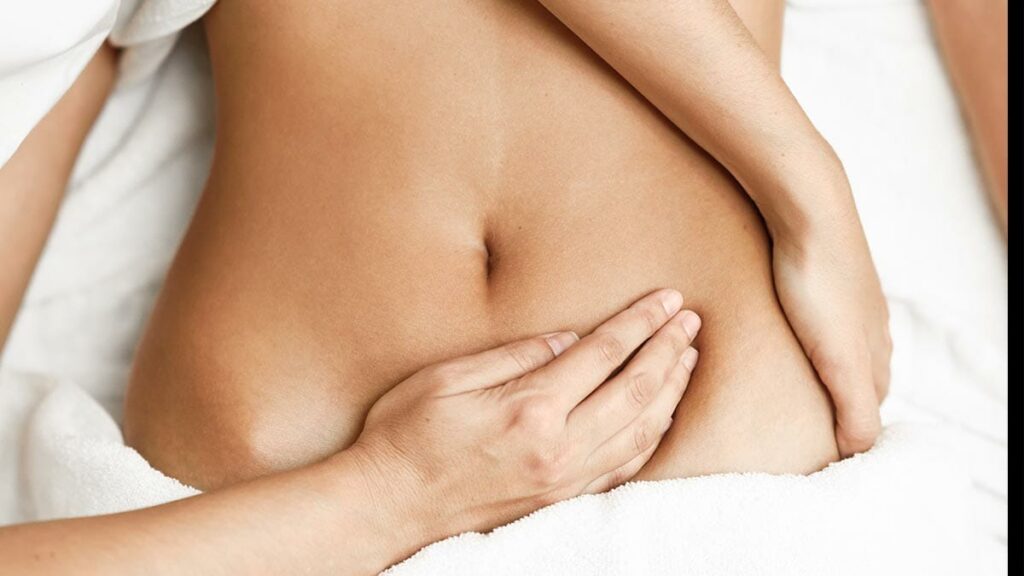
Liposuction fibrosis massage at home consists of a sequence of light, specialized movements to assist in the softening of scar tissue that forms following liposuction.
Using gentle pressure and targeted strokes, these massages help to smooth out lumps, increase skin mobility and promote lymphatic flow. Different techniques are used for different recovery stages and body areas, using simple tools such as silicone cups or your hands.
Our guide below covers safe steps, timing, and when to seek professional care after liposuction fibrosis massage at home.
Understanding Fibrosis
Fibrosis is the development of extra fibrous tissue, a natural healing response to surgical trauma like liposuction. It occurs when collagen and other extracellular matrix materials are deposited in excess, creating dense tissue, nodules, and scar-like bands. We call this fibrosis, a common response following liposuction, cellulite surgery, and similar procedures that can alter skin texture, reduce mobility in the treated area, and delay visible contour refinement.
Early management matters; timely intervention can limit long-term stiffness and improve cosmetic outcome.
The Cause
Surgical trauma and tissue injury during liposuction are the primary triggers for fibrosis. Cutting, suctioning, and mechanical disruption of fat and connective tissue instigate an inflammatory cascade that tells fibroblasts to manufacture collagen. Excessive tissue disruption, such as excessively aggressive fat removal or wide undermining, increases the likelihood of dense scar formation.
It is exacerbated by inappropriate post-op care, such as poor compression use and delayed massage. Genetic factors and individual healing patterns contribute, as some people produce more excessive scar tissue than others. Knowing these causes lets clinicians and patients tailor prevention and treatment.
Gentler techniques, careful wound care, and early, appropriate massage and lymphatic drainage reduce fibrosis risk.
The Feel
Fibrotic tissue is typically identifiable as dense, ropey bands or hard nodules beneath the skin. These spots can be painful and will often feel tense or thickened against neighboring tissue. Typical post-surgical swelling is soft and fluctuates.
If it is persistent and does not soften locally over a few weeks, you might be looking at fibrosis. The skin above fibrosis can demonstrate rippling or uneven contour, and movement of the skin or underlying tissue may be limited. Check for new lumps, persistently hard areas, or skin changes and notify your provider for evaluation.
A physical exam can diagnose fibrosis, and imaging can measure severity if necessary.
The Timeline
Fibrosis usually first presents itself a few weeks following liposuction as the body heals damaged tissue with a fibrotic replacement. It can last months and occasionally linger if untreated. Early intervention with manual or ultrasound-assisted massage can shape remodeling.
Manual techniques often start within days to weeks. Ultrasound massage demonstrates more impact starting from approximately day 56 post-op. Dissolving stubborn fibrosis generally requires dedication and several treatments, typically five to twenty sessions based on intensity.
Experience fibrosis. Learn to monitor tissue hardness and elasticity during your recovery, modulate treatment intensity according to response, and integrate massage, lymphatic drainage, and topical ointments for a comprehensive healing protocol.
Self-Assessment Guide
A brief guide to help you evaluate fibrotic changes at home before starting massage. Use these checks to decide when and how to begin self-massage and to track progress over weeks and months.
Visible dimples, bumps, or uneven skin surface
Lumps are areas that are hard, like rods or lumps.
Left-right asymmetry of the treated area
Persistent redness, bruising, or discoloration beyond expected healing
Localized tenderness or increased sensitivity when touched
Reduced skin mobility; area feels “stuck” to deeper tissue
Scars not fully closed or raised scar tissue
Visual Check
Search for new lumps, swelling, or bumpy areas and gauge both sides for differences. Look for contour abnormalities, skin puckering, or any area that looks depressed or elevated compared to surrounding tissue.
Try using a mirror and the same lighting, and photograph yourself once a week to observe subtle shifts. Discolored marks that remain beyond the normal healing timeframe can indicate tissue damage.
Create a simple checklist with date, photos, and notes: location, appearance, and any associated pain. Visual tracking assists in determining when to introduce techniques such as knuckle work or ultrasound massage and reveals whether conservative care is having an effect.
Touch Test
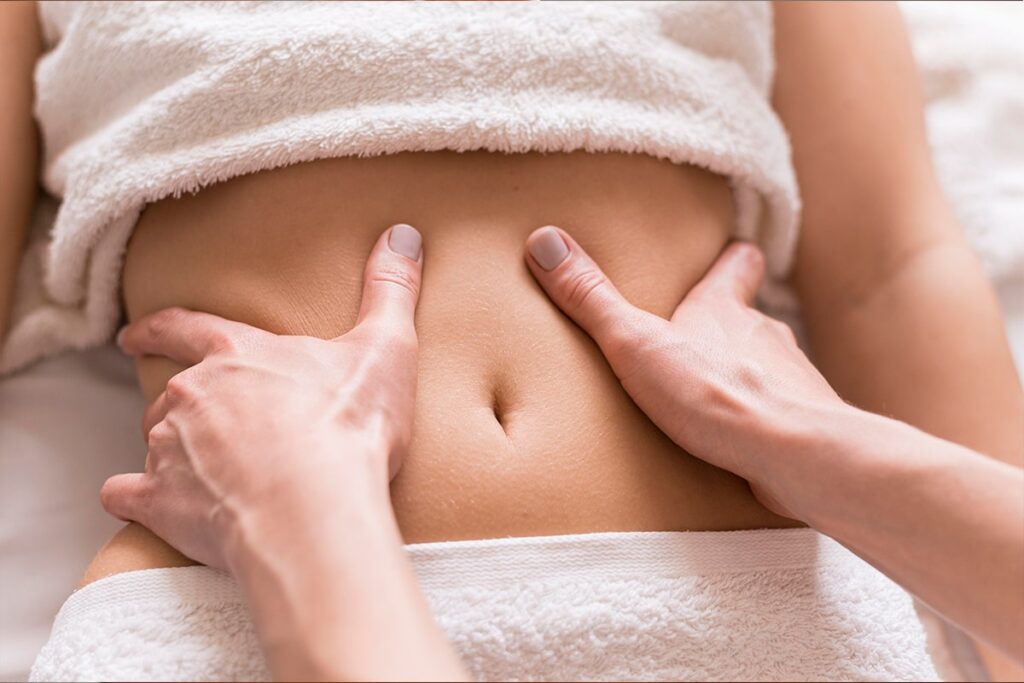
Softly palpate to sense tissue texture and mobility. Use fingertips and light pressure initially, progressing up to long, firm strokes if no pain surfaces.
Feel for hard lumps, thick bands, or tender areas and record size and how fixed to underlying tissue. Places that seem less stretchy or ‘stuck’ typically respond to kneading and cross fiber work.
Document each discovery with brief notes on pressure tolerance, exact location, and if pain radiates to help direct treatment duration and intensity. Use oil pre-test to minimize skin friction and safeguard incisions once they are completely closed.
Severity Scale
Evaluate fibrosis as mild, moderate, or severe in order to adjust massage strength and frequency.
Mild: small, soft nodules; start 2 to 5 minutes per area, two to three times daily with gentle long strokes.
Moderate: larger or firmer lumps; add firm kneading and occasional knuckle pressure, keep sessions short and frequent.
Severe: extensive bands or large hardened areas; escalate care conservatively and consult a clinician. Consider later ultrasound from Day 56 if advised.
Each week you should update the rating and adapt techniques and timing. Facial areas can start at 1 to 2 weeks, other sites 3 to 4 weeks, scar massage 4 to 6 weeks.
Patience, repeated short sessions beat rare intense work.
Home Massage Protocol
At home fibrosis massage aims to break down fibrous tissue and smooth out your skin post-lipo. This protocol backs the body’s own healing and augments professional care. Essentials include preparation, technique, tools, routine, and aftercare. Consistency and form are important because too infrequent or poorly executed massage can actually inflame the area and hinder recovery.
1. Preparation
Wash skin and hands before each session to reduce the risk of infection. Warm the area with a warm towel for a few minutes or light movement to increase tissue pliability and blood flow. Rub a sufficient amount of oil or lotion so the skin is neither too slippery nor too dry.
Coconut oil or a fibrotic cream work well. Prepare a serene, cozy environment with a towel or pillow to cradle the limb and center your mind.
2. Technique
Begin with the 7-step approach: small oil amount, long firm strokes, knead hard lumps, and finish massaging scars with knuckles. Utilizing gentle yet firm strokes and circular motions, attempt to seek out those fibrotic bands and work them without inducing sharp pain.
Vary pressure and directions, particularly with knuckle work, to assist with breaking up adhesions. Integrate lymphatic drainage strokes, which are gentle sweeps toward your lymph nodes, to combat swelling, and alternate hands-on massage with myofascial release techniques for more aggressive work.
Avoid hard slaps that would cause more inflammation.
3. Tools
Assisting tools can be a handheld massager, silicone cups, wooden therapy tools and ultrasound. Select depending on comfort, severity of fibrosis, and size of the area.
Small areas can benefit from knuckle work or a small handheld, while larger zones can be targeted with silicone cups or wood tools. Sanitize tools before and after use to avoid cross-contamination.
For comparison, handheld vibrators give surface relaxation, silicone cups add suction, wood therapy delivers rhythmical pressure and vibration, and ultrasound offers deeper breakdown when used appropriately.
4. Routine
Shoot for daily or every other day but steer clear from very frequent sessions which increase inflammation. Let your body recover between treatments. Limit sessions to 10 to 20 minutes and concentrate on specific areas.
Begin with lighter work, increase intensity slowly as tolerated, and keep track of tissue response. Note if the area feels lumpier or more mobile. Ultrasound massage is a great add-on but should start at around Day 56 post-op per usual guidance.
Ice for 10 to 20 minutes after harder sessions can help reduce inflammation.
5. Aftercare
Soothing lotion or gel post-massage calms skin. Sit on the treated area and avoid heavy exercise right after a session. Look out for excessive soreness, bruising, or skin changes and stop if these occur.
Maintain gentle care and keep skin well hydrated to support remodeling.
A Holistic Approach
A holistic approach addresses the whole person—physical, emotional, and mental—not just the external manifestations of fibrosis. Combined with nutrition, hydration, movement, compression and stress management, at-home fibrosis massage accelerates healing, reduces the chance of hypertrophic scarring and creates body awareness.
Results are slow and demand patience and openness to experimentation and customization.
Well-rounded diet rich in protein, vitamins, and minerals fuels collagen remodeling.
Minimize pro-inflammatory foods like processed sugars and trans fats.
Add antioxidants from fruits, vegetables, and green tea to diminish oxidative burden.
Drink plenty of water. Check your urine color for hydration.
Use herbal teas or mild electrolyte drinks when needed.
Gentle daily movement: walking, stretching, and targeted mobility work.
Avoid high-impact exercise until cleared by a clinician.
Use compression garments with proper fit; avoid excessive pressure.
Combine manual, ultrasound, and self-massage techniques as appropriate.
Monitor progress with photos, tenderness notes, and activity logs.
Medical follow-up- Nutrition
Hydration
Movement
Massage
Garments
Nutrition
Lean protein (fish, poultry, legumes, and dairy) plays a part in repairing and synthesizing collagen. Incorporate vitamin C sources such as citrus and bell peppers to aid collagen production.
Add zinc-packed foods, including nuts, seeds, and whole grains, for cell growth. Trim refined carbs, fried food, and overdoing the alcohol, as all of these can ramp up inflammation and hinder healing.
Sample day: breakfast Greek yogurt with berries and walnuts; lunch grilled salmon with mixed greens and quinoa; snack an apple and almond butter; dinner lentil stew with steamed vegetables.
Hydration
Sip simple water all day long to hydrate supple skin and encourage lymphatic flow. Herbal teas like chamomile or rooibos impart gentle perks without the caffeine.
Consider a low-sugar electrolyte drink after longer activity or in hot climates to replace salts. Use urine color as a simple measure: pale straw to light yellow usually means adequate hydration.
Put phone reminders or use a marked water bottle to keep your intake consistent.
Movement
Some quick tips: Begin with walks and light stretching 48 to 72 hours after surgery, once your surgeon gives the OK. Light yoga or targeted range-of-motion exercises help stave off stiffness and promote lymphatic flow.
Steer clear of running, heavy lifting, or high-impact classes until your provider gives the all-clear. Monitor steps per day or minutes of movement so you maintain a steady burn without going overboard.
Compression
Garment type
Support level
Notes
Light wraps
Low
Good in first days for mild support
Mid-compression garments
Medium
Common for early recovery; balance fit with comfort
High-compression garments
High
Use for first weeks if recommended, but watch circulation
Get the right size, so you don’t have unnecessary pressure harming circulation. Compression diminishes swelling, facilitates skin adaptation to new contours, and smooths texture when combined with massage.
The Unseen Factor
Fibrosis is an underreported, under-diagnosed complication post-liposuction presenting as firmness or nodules beneath the skin. It comes from the body’s normal repair process: fibroblasts lay down bands of connective tissue that can tether fat and skin. Massage is a key, noninvasive intervention for this problem. Manual and lymphatic drainage, and later, ultrasound-assisted therapy can all have their place when perfectly timed and applied.
About handling expectation, stress, and routine stuff as much as black art. Mindset and careful consistency craft the actual results.
Mindset
Be proactive about fibrosis care. View massage as recovery, not a nice-to-have accessory. Set realistic goals. Subtle softening and improved mobility may appear first, with contour refinements following over months.
Be grateful for mini-victories like less tightness or dimpling after two weeks. These are what keep the grind going. Sugarcoat yourself when you hit a plateau. Meanness only sabotages compliance and increases stress hormones that impede healing.
Keep sources of information trustworthy and verify your progress with a clinician, not by guessing.
Patience
Fibrosis and tissue remodeling require time. Some notice differences in just a few weeks, while others require months. Make a fuss about small victories, such as less pulling when you pinch the skin and increased range when you gesture, and record them in a progress journal to remind yourself of consistent, if gradual, improvement.
Instant gratification is not common. Follow-up sessions and ongoing maintenance are what set it apart. Patience protects against overdoing it because too much pressure or aggressive rubbing can inflame tissue and worsen fibrosis.
Consistency
Consistent massage trumps random exertion. Schedule sessions like medication: treat them as non-negotiable appointments. Early lymphatic drainage, sometimes within the first week post-op, can help prevent fibrosis by accelerating fluid clearance.
Manual deep massage and mobilization after surgeon guidance and ultrasound massage can be useful for breaking fibrosis but are typically recommended only after approximately 56 days post-op. Wear compression garments as directed and refrain from high-impact exercise until given the green light.
These both help maintain the benefits of massage. Employ habit trackers, phone reminders, or an old-fashioned calendar to keep you on track. Consistency multiplies the impact of every technique and minimizes the chance for a relapse due to neglected care or frantic effort.
Essential Precautions
Safe at-home fibrosis massage begins with clear rules and an honest read of the healing tissues. The goal is to aid recovery without causing new damage. Below is a compact checklist and detailed guidance to help you plan sessions, read tissue response, and adapt techniques.
Checklist for safe at-home fibrosis massage:
Clean hands and sanitized tools before every session.
Begin with light pressure; progress slowly.
Be on the lookout for softer tissue, fewer lumps and less pain as the symptoms begin to subside.
Apply gentle lymphatic drainage early, best within the first week post-op.
Allow 1–7 days between sessions depending on tissue response.
Steer clear of deep, forceful work and unapproved devices until fully cleared.
Wait until Day 56 to start ultrasound-based massage.
Halt at once for sudden sharp pain, increased swelling, or infection.
What to Do
Fresh hands and disinfected tools every time. Basic hygiene includes soap and warm water for hands, and alcohol wipes for instruments to reduce infection chances.
Begin with light pressure and gently increase only as the tissue permits. A good rule is to cease prior to pain, not when pain commences. Watch for signs like softer tissue, fewer lumps under your fingers, and less tightness. These are all indications that you are getting better.
If these changes happen over weeks, maintain the same light touch. Add lymphatic drainage early. Short, light strokes in the direction of regional lymph nodes can help prevent swelling. Early drainage during the first week tends to restrict fluid accumulation and can decrease fibrosis down the road.
Include rest days between sessions, which, depending on how the area feels, can be anywhere from one day to a full week.
What to Avoid
Punch cards are passe and can be easily lost. Avoid massaging open wounds, infections, or areas that are severely tender. Refrain from using unapproved devices or topical agents that might irritate the skin.
For example, strong essential oils or heated applicators without clinician approval should be avoided. Avoid overdoing it. Daily deep sessions tend to inflame more and can exacerbate fibrosis.
Too much massage can cause bruising and elevated fibroblast activity, which creates more scar tissue. Ultrasound therapy should not be used prior to Day 56 post-op.
When to Stop
Stop massage with the initial onset of stabbing pain, increased or expanding swelling, or abnormal skin changes such as persistent redness or heat. Immediately halt at any indication of infection, such as pus or fever, and call your clinician.
Stop routines if bruising or tenderness extends past normal post-op soreness. More importantly, take a couple of days off to let your tissues recover. Easing back in after a few days is far safer than pushing through trouble.
Conclusion
Liposuction fibrosis massage at home care that’s easy to do but really effective. Liposuction fibrosis massage at home gentle massage, short daily sessions, and simple tools like silicone cups or a soft ball help break up tight tissue and move fluid. Keep tabs with snapshots and a measuring tape. Combine massage with gentle activity, quality rest, and consistent hydration to reduce inflammation and accelerate recovery. Pause and call a professional if pain spikes, redness expands or lumps feel warm. For stubborn bands, visit a therapist who does manual lymph drainage or ultrasound. Tiny consistent actions tend to provide real change over weeks. Give one obvious habit a shot this week — five minutes of gentle massage post warm shower — and see the difference.
Frequently Asked Questions
What is liposuction fibrosis and why does it happen?
Fibrosis is scar tissue that forms post-liposuction. It occurs as part of normal healing when the body repairs tissue and can be impacted by trauma, uneven suction, or delayed lymph drainage.
Can I safely massage fibrosis at home after liposuction?
Yes, with your surgeon’s permission. With a little bit of gentle, structured massage, you can actually soften that fibrotic tissue and improve your contour. Wait until your surgeon clears you, which is generally after your initial healing and drains have been removed.
What is the recommended home massage technique?
Apply light hand pressure with circular motions and strokes in the direction of lymph nodes. Use moderate pressure, proceed carefully, and limit sessions to approximately 10 to 20 minutes once or twice per day unless otherwise indicated.
How long until I see improvement from home massage?
Results differ. Most patients feel softer tissue within four to twelve weeks. Consistency is what counts. Adhere to your protocol and keep track of your changes to report to your clinician.
Are there risks to massaging fibrosis at home?
Yes. Too aggressive massage can cause bruising, inflammation, or displacement of fat. If you notice increased pain, redness, swelling, or drainage, STOP and contact your surgeon.
When should I see a professional therapist instead of self-massaging?
Visit a trained lymphatic or post-surgical therapist if fibrosis is painful, hard, or unresponsive after a couple of weeks. Professional techniques such as manual lymphatic drainage, deep tissue, and ultrasound may be better.
What other steps help reduce fibrosis besides massage?
Supplement massage with compression garments, controlled exercise, hydration, and a balanced diet. Follow up with your surgeon for steroid injections or ultrasound therapy if fibrosis persists.