Here you can find the latest news and surgical articles.
10 June 2024
Microdermabrasion Benefits: Who It’s For & How It Stacks Up
Key Takeaways
Enhanced Skin Texture: Microdermabrasion, often performed by an esthetician or in dermatology clinics, can significantly improve your skin's texture by removing dead skin cells and promoting new cell growth.
Wrinkle Reduction: Regular treatments like dermabrasion can help diminish the appearance of wrinkles and fine lines on the face, offering a more youthful look and addressing signs of aging.
Even Skin Tone: This dermatology procedure, often performed by a board-certified technician using dermabrasion, effectively addresses blemishes and discoloration, leading to a more even skin tone.
Pore Minimization: Microdermabrasion, performed by a technician, helps reduce the size of large pores, resulting in smoother and clearer skin.
Acne Control: It can combat acne and pimples by unclogging pores and reducing oiliness, making it a valuable addition to acne treatment plans, including dermabrasion to address skin discoloration.
Suitable for Many: Ideal for various skin types and conditions, microdermabrasion is a versatile skincare treatment that can be tailored by a technician to individual needs.
Understanding Microdermabrasion
Definition
Microdermabrasion is a minimally invasive skin rejuvenation procedure. It involves dermabrasion, removing the outermost layer of dead or damaged skin cells. This process helps to reveal smoother and brighter skin underneath.
Exfoliation Process
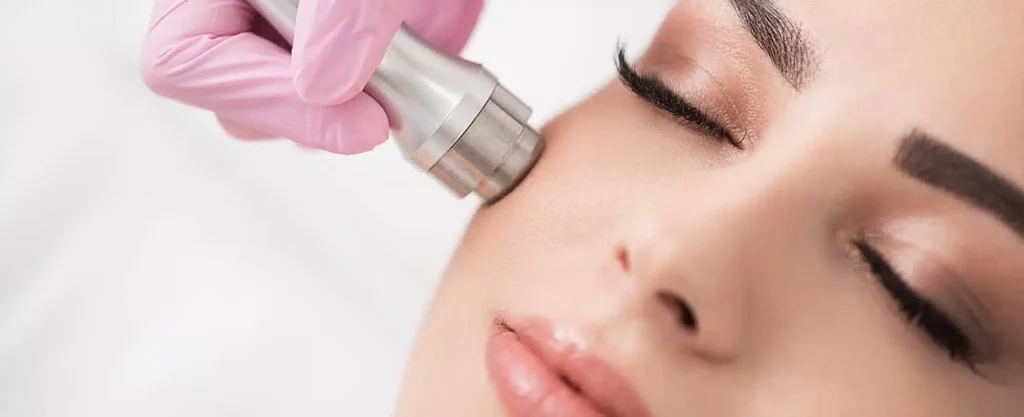
The main role of microdermabrasion is exfoliation. A special device sprays tiny crystals onto the skin's surface. Then, it vacuums away the crystals along with dead skin cells. This process improves the texture and appearance of the skin.
Non-Surgical Option
Microdermabrasion suits individuals seeking non-surgical options for skin improvement. It does not involve any incisions or anesthesia. The procedure is quick and usually takes about 30 minutes to an hour.
Benefits for Skin Texture
One benefit of microdermabrasion is improved skin texture. By removing dead cells, it reduces rough patches on the skin. This makes the skin feel softer and look more even.
Brightening Effect
Another advantage is its brightening effect. Exfoliating dead cells can make the skin appear more radiant. Many people notice a healthy glow after just one session.
Suitability for Various Skin Types
Microdermabrasion works well for various skin types. It is suitable for both oily and dry skins. Individuals with sensitive skin can also benefit from this procedure.
Minimal Downtime
One major plus is minimal downtime after treatment. Most people return to their daily activities immediately after a session. There might be slight redness, but it fades quickly.
Frequent Treatments
Regular treatments yield better results over time. Many dermatologists recommend sessions every two to four weeks initially. Maintenance sessions can follow every few months.
Microdermabrasion Mechanism Explained
Fine Crystals
Microdermabrasion uses fine crystals to exfoliate the skin. Experts agree that these crystals gently remove the outer layer of dead skin cells. This process reveals fresher, healthier skin underneath. The machine sprays tiny crystals onto the skin’s surface.
The procedure is non-invasive and painless. It feels like a mild scratching or sandpaper sensation. The time taken for this step is usually short, often around 30 minutes.
Diamond Tip
e machines use a diamond tip instead of crystals. This method also removes the outer layer of skin. The diamond tip abrades the skin in a controlled manner. It offers precision and can be adjusted based on skin sensitivity.
This technique is ideal for delicate areas such as around the eyes. It ensures even exfoliation and minimizes risks of irritation.
Vacuum Suction
Vacuum suction plays a crucial role in microdermabrasion. It helps remove debris and dead cells from the skin's surface. The suction pulls away loosened particles during treatment.
This feature also stimulates blood flow to the treated area, promoting better oxygenation and nutrient delivery to the skin cells.
Skin Regeneration
Post-treatment, microdermabrasion stimulates skin regeneration. New cell growth replaces old, damaged cells removed during exfoliation. This rapid turnover results in smoother, more youthful-looking skin over time.
Regular sessions can improve overall skin texture and tone. Many people notice visible improvements after just one session.
Collagen Production
Microdermabrasion also boosts collagen production. Collagen is essential for maintaining firm, elastic skin. Increased collagen levels help reduce fine lines and wrinkles.
The treatment triggers a healing response in the body, encouraging collagen synthesis in deeper layers of the skin.
Benefits Overview
Smoother Skin
Microdermabrasion helps achieve smoother skin. The treatment removes the outer layer of dead skin cells. This reveals a fresh, new layer underneath. Many users notice an immediate improvement in their skin texture.
Reduced Fine Lines
One significant benefit is the reduction of fine lines. Regular sessions can help diminish these lines over time. The process stimulates collagen production, which is essential for maintaining youthful skin.
Improved Skin Tone
Microdermabrasion also improves skin tone. It helps fade dark spots and hyperpigmentation. Users often see more even-toned skin after several treatments.
Boost in Confidence
Healthier-looking skin can boost confidence. When people feel good about their appearance, they tend to be more confident in social settings. This psychological benefit is just as important as the physical improvements.
Multiple Treatments Needed
For optimal results, multiple treatments are necessary. A single session provides some benefits but lasting results require consistency. Most providers recommend a series of sessions spaced weeks apart.
Minimal Side Effects
Microdermabrasion has minimal side effects compared to other procedures. Common side effects include slight redness and mild swelling, which usually subside within hours.
Cost-Effective Option
This procedure is relatively cost-effective compared to other skincare treatments. Prices vary based on the provider and location but generally remain affordable for most people seeking better skin health.
Professional Providers
Always seek treatment from qualified professionals. A board-certified provider ensures safety and effectiveness. They tailor the treatment to your specific skin goals and needs.
Diminishing Wrinkles and Fine Lines
Collagen Production
Microdermabrasion promotes the production of new collagen in the skin. Collagen is a protein that keeps skin firm and smooth. As we age, collagen production decreases, leading to wrinkles and fine lines.
The treatment involves exfoliating the outer layer of dead skin cells. This stimulates the body to produce more collagen. Increased collagen helps reduce the appearance of wrinkles over time.
Targeting Superficial Lines
Microdermabrasion is effective for targeting superficial lines on the face. These include fine lines around the eyes and mouth. It works best on these shallow lines rather than deep wrinkles.
By removing dead skin cells, microdermabrasion reveals fresher skin underneath. The smoother surface makes fine lines less noticeable. Deep wrinkles may require other treatments like laser therapy or fillers.
Regular Sessions
Regular sessions are crucial for sustained results in wrinkle reduction. One session can show immediate improvement, but long-term benefits require consistency.
Experts recommend having microdermabrasion every two to four weeks initially. This frequency helps maintain increased collagen production and smoother skin texture.
Over time, you can reduce the frequency to maintain results.
Additional Benefits
Microdermabrasion also helps with other signs of aging besides wrinkles:
Using sunscreen after each session is important to protect sensitive skin from UV damage.
Addressing Blemishes and Discoloration
Fading Age Spots
Microdermabrasion can effectively fade age spots. These spots often appear due to sun exposure over time. The process involves exfoliating the top layer of skin. By doing so, it removes dead skin cells and reveals fresher skin underneath. This helps reduce the appearance of age spots.
Sun Damage Reduction
Sun damage can cause various skin issues like pigmentation and uneven tone. Microdermabrasion addresses these problems by gently abrading the skin's surface. This removal of damaged skin promotes new cell growth. As a result, the skin looks healthier and more even-toned.
Hyperpigmentation Treatment
Hyperpigmentation is another condition that microdermabrasion treats well. It occurs when certain areas of the skin become darker than others. This happens due to excess melanin production. By removing the outer layer, microdermabrasion helps lighten these dark patches.
Evening Skin Tone
Removing the top layer of skin leads to a more even skin tone overall. The procedure uses fine crystals or diamond dust for exfoliation. This mechanical exfoliation smooths out rough textures and irregularities in pigmentation.
Improved Skincare Absorption
Post-treatment, skincare products absorb better into the skin. The removal of dead cells creates a smoother surface for creams and serums to penetrate deeper. This enhances their effectiveness, making your skincare routine more beneficial.
Reducing Large Pores
Unclogging Pores
Microdermabrasion helps unclog pores. The procedure uses tiny crystals to exfoliate the skin. These crystals remove dead skin cells and other debris. This process clears out the pores, making them less noticeable.
Suction is a key part of microdermabrasion. It pulls out impurities from deep within the pores. This makes the skin look smoother and more refined.
Improved Skin Hygiene
Regular microdermabrasion treatments improve skin hygiene. Clean pores reduce the chances of blockages. Blocked pores often lead to acne.
By keeping the pores clean, microdermabrasion helps prevent breakouts. Clearer skin means fewer pimples and blackheads.
Maintaining Smaller Pores
Consistent treatments are essential for maintaining smaller pore size. Over time, regular sessions can help keep pores minimized.
Smaller pores give the skin a more even texture. They also make it easier for skincare products to penetrate and work effectively.
Preventing Acne
Microdermabrasion plays a role in preventing acne by reducing pore blockage. When dead skin cells and oil clog the pores, acne forms.
Regular treatments ensure that these blockages do not occur frequently. This reduces the risk of developing new acne lesions.
Combatting Acne and Pimples
Exfoliation Process
Microdermabrasion involves exfoliating the skin's surface. This process helps remove dead skin cells. Dead skin cells can clog pores, leading to acne outbreaks. By regularly removing these cells, microdermabrasion reduces the chance of clogged pores.
Reducing Severity
Consistent microdermabrasion treatments reduce the severity of acne. The procedure unclogs pores and removes excess oil. This prevents new pimples from forming. Over time, fewer breakouts occur.
Preventing Future Pimples
With ongoing treatments, future pimples can be prevented. Microdermabrasion keeps the skin clear by removing debris and oil buildup. Regular sessions maintain these benefits, keeping acne at bay.
Improvement in Skin Texture
Microdermabrasion also improves skin texture. The removal of dead skin cells reveals smoother skin underneath. This leads to a more even complexion over time.
Reduction in Oiliness
Many people with acne have oily skin. Microdermabrasion helps reduce oiliness by unclogging pores and removing excess sebum. Less oil means fewer chances for acne to develop.
Ideal Candidates for the Procedure
Minor Skin Imperfections
Individuals with minor skin imperfections are often ideal candidates for microdermabrasion. These imperfections include mild acne scars, age spots, and fine lines. The procedure helps to smoothen the skin's surface by removing dead cells. People who have realistic expectations about the results also benefit greatly. They understand that it might take several sessions to see significant changes.
Realistic Expectations
Having realistic expectations is crucial. Microdermabrasion can improve skin texture and tone but won't completely erase deep scars or wrinkles. Ideal candidates know that this treatment is part of a broader skincare routine. They combine it with other treatments and proper skincare products for optimal results.
Avoiding Sensitive Skin
People with very sensitive skin should be cautious about microdermabrasion. This procedure involves exfoliating the top layer of skin, which can cause irritation. Those with conditions like eczema or rosacea should consult a dermatologist first. The technician performing the procedure needs to be aware of these conditions to avoid complications.
Chronic Skin Conditions
Individuals with chronic skin conditions must seek advice from a dermatologist before undergoing microdermabrasion. Conditions such as severe acne, psoriasis, or dermatitis require medical supervision. A dermatologist can determine if this treatment is suitable or suggest alternative options.
Importance of Consultation
Consulting with a skincare professional is essential to determine suitability for microdermabrasion. A professional can assess your skin type and condition accurately. They will discuss your medical history and any ongoing treatments you are receiving.
Comparing Skincare Treatments
Microdermabrasion vs. Chemical Peels
Microdermabrasion and chemical peels both aim to improve skin texture. Microdermabrasion is less invasive. It uses tiny crystals to exfoliate the skin's surface layer.
Chemical peels involve applying a chemical solution to remove deeper layers of skin. This can cause more discomfort and requires longer recovery time. Microdermabrasion has minimal downtime, making it suitable for those with busy schedules.
Invasiveness and Recovery Time
Microdermabrasion is non-invasive. The procedure typically lasts about 30 minutes with no need for anesthesia. Patients may experience slight redness, which subsides quickly.
Chemical peels, on the other hand, can be categorized into superficial, medium, and deep peels. Deeper peels require more recovery time and may result in peeling and swelling.
Laser resurfacing is another alternative but involves more significant downtime due to the intensity of the treatment.
Expected Results
Both microdermabrasion and chemical peels target similar skin conditions like fine lines, acne scars, and uneven pigmentation. However, microdermabrasion offers immediate results with smoother skin texture after just one session.
Chemical peels provide more dramatic results but usually require multiple sessions for optimal outcomes. Laser resurfacing delivers long-lasting effects but comes with higher risks like burns or scarring.
Lower Risk Procedures
Microdermabrasion carries a lower risk compared to other treatments like chemical peels or laser resurfacing. There are fewer side effects such as irritation or infection.
Patients often choose microdermabrasion because it’s gentler on sensitive skin types. Dermatologists frequently recommend it for those who prefer a safer option for their skincare routine.
Cost-Effectiveness
Microdermabrasion is also cost-effective compared to other procedures. Each session ranges from $75 to $200 depending on the esthetician or dermatologist performing it.
Chemical peels can cost between $150 to $600 per session based on the depth of the peel required. Laser resurfacing is even pricier, often exceeding $1,000 per treatment.
For individuals seeking affordable yet effective rejuvenation options, microdermabrasion stands out as a financially viable choice.
Closing Thoughts
Microdermabrasion offers a range of benefits that can transform your skin. From reducing wrinkles and fine lines to addressing blemishes and discoloration, this treatment has proven its worth. It's an effective solution for large pores and acne, making it a versatile option for many skin concerns.
Ready to experience the benefits firsthand? Consult with a skincare professional to see if microdermabrasion is right for you. Your journey to smoother, clearer skin starts now. Don't wait—take action today and unlock your skin's true potential!
Frequently Asked Questions
What is microdermabrasion?
Microdermabrasion is a non-invasive skincare procedure that exfoliates the skin. It removes dead cells, revealing fresher, smoother skin underneath.
How does microdermabrasion work?
It uses a special device with fine crystals or a diamond tip to gently abrade the skin's surface. This stimulates cell turnover and collagen production.
What are the benefits of microdermabrasion?
Microdermabrasion helps diminish wrinkles, reduce large pores, address blemishes and discoloration, and combat acne. It promotes healthier-looking skin.
Does microdermabrasion help with wrinkles?
Yes, it can reduce the appearance of fine lines and wrinkles by promoting new cell growth and collagen production.
Can microdermabrasion treat acne scars?
Yes, it can help minimize acne scars by exfoliating the top layer of skin and encouraging new skin cell growth.
Who is an ideal candidate for microdermabrasion?
Ideal candidates are those with mild to moderate skin issues like fine lines, enlarged pores, or acne scars. It's suitable for most skin types.
How does microdermabrasion compare to other skincare treatments?
Microdermabrasion is less invasive than chemical peels or laser treatments. It's a quick procedure with minimal downtime, making it convenient for regular use.