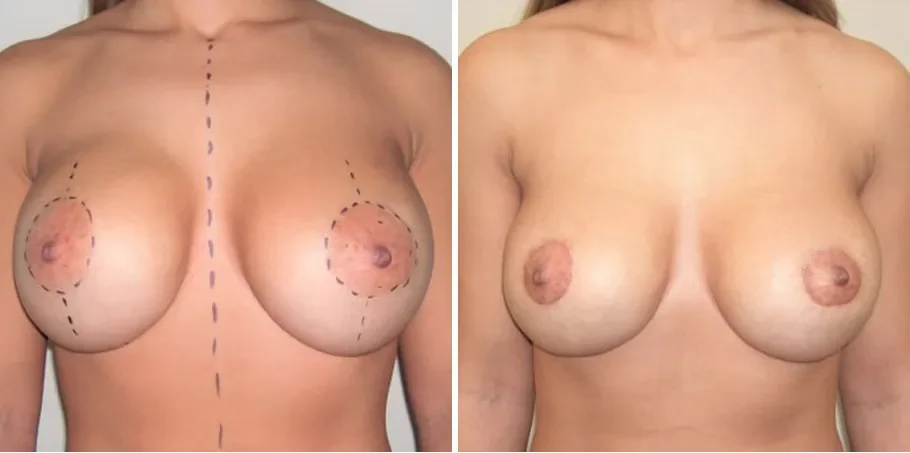
Nipple reduction surgery, a type of cosmetic breast surgery, has gained popularity over the years as more people seek body confidence and sized nipples. This procedure, including breast reduction surgery and cosmetic breast surgery, addresses concerns about large or protruding nipples, which can cause discomfort or self-consciousness. Historically, it was often overlooked, but advancements in cosmetic surgery, including areola reduction and nipple reduction preparation tips, have made it a viable option for many facing nipple absence or seeking a proportionate nipple.
Patients can expect a straightforward process with minimal downtime. Surgeons use techniques that ensure safety and aesthetic appeal. Many individuals, including men, report feeling more comfortable in their own skin post-surgery, such as areola reduction. Understanding the benefits and risks for men is crucial before making a decision. This guide will explore everything you need to know about nipple reduction surgery for men, from preparation to recovery.
Quick Facts about Nipple and Areola Reduction
Duration
Nipple reduction surgery usually takes 1 to 2 hours. Surgeons perform the procedure in a controlled setting. The time can vary based on individual needs.
Anesthesia Options
Patients have options for anesthesia during the nipple reduction procedure. Local anesthesia numbs the area for areola reduction surgery while the patient stays awake. Alternatively, MAC (Monitored Anesthesia Care) provides sedation but keeps patients responsive. Both options ensure comfort throughout the surgery.
Outpatient Procedure
Most patients undergo nipple reduction as an outpatient procedure. This means they can go home on the same day. It allows for quicker recovery in a familiar environment.
Preparation Tips
Preparing for nipple reduction is essential for a smooth experience. Consult with your surgeon about any medications to avoid before surgery. Patients should refrain from blood thinners, such as aspirin or ibuprofen, at least one week prior. Staying hydrated and following pre-operative instructions also helps.
Ideal Nipple Shape
Surgeons aim for an ideal nipple shape that complements breast aesthetics. Each patient has unique breast measurements and preferences. The goal is to achieve proportionate nipples that enhance overall appearance.
Areola Size
Areola size plays a significant role in breast aesthetics. Some individuals desire sized areolas to match their newly formed nipples. Surgeons can adjust areola size during the procedure for symmetry and balance.
Men may also seek nipple reduction through male breast reduction procedures. This can address conditions like gynecomastia, where enlarged breast tissue develops. It helps create a flatter chest contour and improves confidence.
Asymmetrical Areolas
e patients have asymmetrical areolas, which can be corrected during surgery. Surgeons work to create balanced proportions between both sides of the chest. This enhances the natural look of the breasts.
Nipple Inversion
Nipple inversion is another concern addressed in this procedure. Some individuals experience inverted nipples, which can affect self-esteem and comfort. Nipple reduction surgery can help correct this issue.
Important Role of Breast Aesthetics
Breast aesthetics play an important role in personal confidence and body image. Many individuals seek nipple and areola reduction to feel more comfortable in their skin. This procedure can significantly impact how one perceives their body.
Reasons for Choosing Nipple Reduction Surgery
Enlarged Nipples
Many people seek nipple reduction surgery to address enlarged or stretched nipples. Factors like aging, weight changes, genetics, and pregnancy can contribute to this issue. Over time, the skin loses elasticity. This can lead to larger nipples that may become a source of discomfort or self-consciousness.
Enlarged nipples can affect how individuals feel in their clothing. They might experience irritation from bras or tight tops. Some may avoid certain outfits altogether. Surgical options exist to help reduce the size of the nipples. This can improve comfort and boost confidence.
Symmetry and Aesthetics
Nipple reduction surgery also helps enhance breast symmetry and aesthetics. Many individuals desire a more balanced appearance in their breasts. Disproportionate nipples can detract from overall breast shape. This may lead to dissatisfaction with one’s body image.
Plastic surgeons often recommend this procedure as part of breast surgery options. By aligning the size of the nipples with the rest of the breast, patients achieve a more harmonious look. Improved symmetry can make a significant difference in how clothes fit and how individuals present themselves.
Youthful Appearance
Another reason for choosing this surgery is to tighten deflated areolas for a more youthful appearance. Pregnancy and breastfeeding can cause changes in the breast area. Areolas may stretch or appear larger than before. This change can be distressing for some people.
The surgical process targets both the nipple and areola, creating a tighter, lifted look. Patients often report feeling rejuvenated after the procedure. They enjoy wearing swimwear or low-cut tops without feeling insecure about their appearance.
Emotional Impact
Choosing nipple reduction surgery often involves emotional considerations too. Many individuals feel liberated after addressing concerns related to large or asymmetrical nipples. They may have spent years feeling uncomfortable in their skin. After surgery, they frequently report increased self-esteem.
A well-planned consultation with a plastic surgeon is crucial before making a decision. Surgeons assess individual needs and expectations during these meetings. They provide insights into what results can realistically be achieved.
Recovery Process
Post-surgery, patients usually wear a surgical bra for support during recovery. The initial healing period typically lasts about two weeks. During this time, it is essential to follow the surgeon's instructions carefully. Most people return to normal activities within four to six weeks.
In summary, nipple reduction surgery addresses various concerns effectively. It enhances comfort, boosts confidence, and promotes a youthful aesthetic. Those considering this option should consult with qualified plastic surgeons to discuss their goals and expectations.
Conditions Treated by Nipple and Areola Reduction
Enlarged Nipples
Enlarged nipples can cause discomfort and self-consciousness. Many individuals seek nipple correction to address this issue. Enlarged nipples may result from hormonal changes, genetics, or weight fluctuations. This condition can lead to challenges in wearing certain clothing or participating in activities like swimming.
Nipple reduction surgery reduces the size of the nipple and enhances overall breast appearance. Patients often report increased confidence after the procedure. The surgery typically involves removing excess tissue and reshaping the nipple for a more proportionate look.
Hanging Nipples
Hanging nipples, also known as nipple ptosis, occur when the nipple points downward. This condition can develop due to aging, breastfeeding, or significant weight loss. Many people find this change troubling, leading them to consider cosmetic options.
Nipple ptosis correction helps restore a youthful appearance. Surgeons may use techniques similar to those in breast lifts. They remove excess skin and reposition the nipple for better projection. This procedure can also improve symmetry, especially for those with uneven breasts.
Over-Projecting Nipples
Over-projecting nipples can create an unbalanced look on the breast. Some individuals feel uncomfortable with this condition, affecting their self-image. Nipple reduction surgery can help flatten overly prominent nipples, making them less noticeable.
Surgeons perform this procedure by carefully assessing the breast's natural shape. They ensure that the new contour aligns with the patient's aesthetic goals. Many patients experience relief from both physical discomfort and emotional distress after surgery.
Stretched Areolas
Stretched areolas can result from pregnancy, breastfeeding, or rapid weight changes. This situation often leads to dissatisfaction with breast appearance. Individuals may seek reduction surgeries to achieve a more aesthetically pleasing size and shape.
Areola reduction procedures involve removing excess skin around the areola area. Surgeons aim for symmetry and balance with the rest of the breast. Patients often appreciate the enhanced look and feel of their breasts post-surgery.
Asymmetrical Areolas
Breast asymmetry is common among women, including differences in areola size and shape. This condition can be caused by genetics or hormonal changes during puberty or pregnancy. Many women desire breast lift or areola correction surgeries to achieve balance.
Surgeons assess each individual's unique anatomy before performing any procedures. They focus on creating harmony between both sides of the chest. Achieving symmetry can significantly boost a person's confidence.
How Nipple and Areola Reduction is Performed
Procedure Overview
Nipple and areola reduction surgery focuses on reshaping the nipple and reducing the size of the areola. This procedure can enhance both comfort and appearance for those with larger than desired areolas.
Marking the Areola
Surgeons begin by marking the desired size of the areola. This step is crucial for achieving a natural look. The markings help ensure symmetry between both sides. Patients often discuss their preferences during this phase.
Excision of Excess Tissue
Next, surgeons excise excess areola tissue. This process involves removing a ring of skin from the base of the nipple. Careful attention is given to the surrounding areas to maintain sensitivity. The removal of tissue helps create a smaller, more proportional areola.
Closing the Incisions
After the tissue removal, surgeons close the incisions using dissolvable sutures. These sutures will dissolve over time, eliminating the need for removal. This technique minimizes visible scarring and promotes faster healing.
Recovery Process
Patients typically experience some swelling and discomfort after surgery. Pain management options are available to ease recovery. Most individuals can return to normal activities within a week or two.
Long-Term Results
The results of areola reduction surgery can be long-lasting. Many patients report improved self-esteem and body image post-surgery. Regular follow-ups with healthcare providers ensure proper healing and address any concerns.
What to Expect During the Procedure
Procedure Time
The nipple reduction surgery typically lasts about one hour. Surgeons perform it as a simple procedure. Patients usually spend a short time in the clinic.
During this time, the surgeon makes careful incisions. The goal is to reshape the nipple and reduce its size. Minimal tension on the skin is crucial. This helps prevent any recurrent enlargement after surgery.
Anesthesia Used
General anesthesia is standard for this cosmetic procedure. It ensures that patients remain comfortable and pain-free throughout the operation. An anesthesiologist monitors vital signs during the surgery. This adds an extra layer of safety for patients.
Surgeons often explain the process before starting. They discuss what to expect while under anesthesia. This communication helps ease any anxiety.
Outpatient Procedure
Nipple reduction surgery is performed as an outpatient procedure. Patients can return home on the same day after recovery from anesthesia. This allows for a quicker return to normal activities.
Surgeons provide detailed aftercare instructions before discharge. These instructions include how to care for the sutures and monitor healing.
Sutures and Recovery
Dissolvable sutures are commonly used during this procedure. These sutures will naturally break down over time, eliminating the need for removal. Patients appreciate this since it simplifies recovery.
Surgeons advise keeping the area clean and dry to promote healing. Most patients experience some swelling or discomfort initially. This is normal and usually subsides within a few days.
Post-Procedure Care
After surgery, patients should follow specific guidelines for optimal recovery. Avoiding strenuous activities is essential for at least two weeks. This helps ensure proper healing without complications.
Surgeons recommend wearing supportive garments post-surgery. These garments help minimize swelling and provide comfort during recovery.
Regular follow-up appointments are also important. Surgeons will check healing progress and address any concerns that arise.
Emotional Considerations
Patients may feel a mix of emotions post-surgery. Many report feeling more confident after their procedure. Changes in appearance can lead to increased self-esteem.
Support from friends or family can aid in emotional recovery as well.
Recovery Process and Timeline
Downtime
Nipple reduction surgery typically involves a downtime of only two days when performed alone. This short recovery period is appealing to many patients. Most individuals can return to regular activities quickly.
Patients often experience minimal discomfort after the procedure. Pain management usually consists of over-the-counter medications. Some may feel slight swelling or bruising, which is normal.
After two days, many people feel ready to resume light activities. However, strenuous exercise and heavy lifting should be avoided for at least a week. This care helps prevent complications.
Outpatient Procedure
This surgery is often an outpatient procedure. Patients do not need to stay overnight in a hospital. Instead, they can go home shortly after the surgery ends.
Being an outpatient procedure means less stress for patients. They recover in their own environment, which can be more comfortable. Having support from family or friends during this time can help ease the recovery process.
The surgeon will provide specific instructions before leaving the facility. These guidelines are crucial for ensuring a smooth recovery.
Post-Operative Care
Following post-operative care instructions is vital for optimal healing. Surgeons usually recommend keeping the area clean and dry. Patients should avoid soaking in water until fully healed.
Wearing a supportive bra can help minimize movement and support healing tissue. It’s essential to follow any specific recommendations given by the surgeon regarding dressings and activity levels.
Regular follow-up appointments may be necessary to monitor healing progress. Patients should attend these visits as scheduled. They allow surgeons to check for any signs of complications early on.
Signs of infection include increased redness, swelling, or discharge from the incision site. If patients notice these symptoms, they should contact their doctor immediately.
Emotional support can also play a role in recovery. Many individuals feel anxious about changes to their body image post-surgery. Talking with friends or joining support groups can provide reassurance.
Understanding that healing takes time is important. Full results might not be visible until weeks after the procedure. Patience is key during this period.
Results and Outcome Expectations
Natural Results
Skilled plastic surgeons aim for natural-looking results in nipple reduction surgery. They focus on creating a balanced appearance. This approach helps patients feel more confident. Surgical techniques have advanced, allowing for better outcomes. Surgeons use precise methods to ensure minimal scarring.
Patients can expect their nipples and areolas to appear smaller and more proportionate. These changes enhance the overall look of the breasts. Many individuals report feeling happier with their appearance after surgery.
Suitable for All
Nipple reduction surgery is suitable for both men and women. Men may seek this procedure for various reasons, such as gynecomastia or personal preference. Women often pursue it to achieve better breast symmetry or comfort in clothing.
The procedure addresses concerns that affect self-esteem. Both genders benefit from improved aesthetics and confidence. Many patients express relief after making this decision.
Improved Symmetry
One of the main goals of nipple reduction surgery is improved breast symmetry. Asymmetrical breasts can cause discomfort and insecurity. Surgery corrects these issues by resizing the nipples and areolas.
Surgeons evaluate each patient's unique anatomy before the procedure. This assessment ensures that the results align with individual expectations. Patients often notice a significant improvement in balance post-surgery.
Disclaimer on Expectations
While many experience positive outcomes, it’s essential to understand a few disclaimers. Results can vary based on individual healing processes and anatomy. Some patients may require additional procedures for optimal results.
Surgeons provide comprehensive consultations before surgery. They discuss realistic expectations and potential risks involved. This open communication helps patients make informed decisions.
Artistic Approach
Surgeons treat nipple reduction as an art form. Each operation requires a tailored approach based on the patient’s needs. The goal is to create aesthetically pleasing results while maintaining functionality.
Attention to detail is crucial during the procedure. Surgeons strive to achieve a harmonious look that complements the entire breast area. Many patients appreciate this artistic touch in their surgical outcomes.
Common FAQs on Nipple Reduction Surgery
Is It Painful?
Nipple reduction surgery can cause some discomfort. Most patients report a mild to moderate level of pain after the procedure. Surgeons often prescribe pain medication to help manage this.
Pain usually peaks within the first few days and then gradually decreases. Patients may also experience swelling and bruising around the area. These side effects are common and typically resolve in a week or two.
Can I Breastfeed?
Breastfeeding after nipple reduction surgery is possible, but it depends on individual circumstances. The surgery may alter some of the nerves and ducts involved in milk production.
Many women can still breastfeed successfully after the procedure. However, some might face challenges due to changes in nipple sensitivity or milk flow. Discussing breastfeeding plans with a surgeon before the operation is essential for personalized advice.
What Are the Risks?
Like any surgical procedure, nipple reduction carries certain risks. Possible complications include infection, scarring, and changes in sensation. Some patients may experience asymmetry or dissatisfaction with the aesthetic outcome.
In rare cases, severe complications can occur. These may involve prolonged healing or issues with blood supply to the nipple. Understanding these risks helps patients make informed decisions about their surgery.
Surgeons provide detailed information about potential complications during consultations. They emphasize the importance of following pre- and post-operative care instructions to minimize risks.
Key Takeaways
Pain: Expect mild to moderate discomfort.
Breastfeeding: Possible but may vary by individual.
Risks: Includes infection and aesthetic concerns.
Patients should weigh these factors carefully before proceeding with nipple reduction surgery. It's crucial to have open discussions with healthcare providers about expectations and concerns.
Final Remarks
Nipple reduction surgery can significantly enhance your comfort and confidence. Understanding the procedure, recovery, and expected outcomes helps you make informed decisions. This surgery addresses various concerns, leading to improved aesthetics and physical ease.
If you’re considering this option, consult with a qualified specialist to explore your choices. Your journey towards a more comfortable you starts with the right information and support. Don’t hesitate to reach out for personalized guidance tailored to your needs.
Frequently Asked Questions
What is nipple reduction surgery?
Nipple reduction surgery is a cosmetic procedure that decreases the size of enlarged nipples. It enhances breast aesthetics and improves comfort for those experiencing physical discomfort or self-consciousness.
Who is a good candidate for nipple reduction surgery?
Ideal candidates are individuals with enlarged nipples causing discomfort or dissatisfaction. A consultation with a qualified surgeon will determine suitability based on health and personal goals.
Is nipple reduction surgery painful?
Most patients experience minimal discomfort during the procedure. Anesthesia is used to ensure comfort, and any post-operative pain can be managed with prescribed medications.
How long does the surgery take?
Nipple reduction surgery typically lasts one to two hours. The exact duration depends on individual circumstances and the complexity of the procedure.
What is the recovery time for nipple reduction surgery?
Recovery usually takes about one to two weeks. Patients can return to normal activities gradually, but strenuous exercise should be avoided for at least four weeks.
Are there any risks associated with nipple reduction surgery?
As with any surgical procedure, risks include infection, scarring, and changes in nipple sensitivity. Choosing an experienced surgeon minimizes these risks significantly.
When will I see results after the surgery?
Initial results are visible immediately after the procedure, but swelling may obscure final results. Full outcomes typically become apparent within three to six months as healing progresses.