Here you can find the latest news and surgical articles.
7 February 2024
Beyond Size: Achieving Proportional Nipples with Reduction Surgery
Nipple reduction surgery is a cosmetic procedure aimed at altering the size and shape of the nipples to achieve a desired aesthetic or comfort level. This surgical intervention can address concerns related to overly large, protruding, or asymmetrical nipples that may cause physical discomfort or self-consciousness. As with any medical procedure, it's essential for individuals considering nipple reduction surgery to understand the potential risks, recovery process, and realistic outcomes. By consulting with experienced professionals and thoroughly evaluating their options, patients can make informed decisions about pursuing this path towards personal satisfaction and confidence.
Understanding Nipple and Areola Reduction
Size vs. Diameter
Nipple reduction surgery focuses on reducing the length or projection of the nipple. This is different from decreasing the areola's diameter, which involves making the dark area around the nipple smaller. Both procedures aim to enhance chest aesthetics but address distinct issues.
Patients choose nipple reduction for overly long or prominent nipples that may show through clothing. In contrast, areola reduction targets concerns about the wide spread of color or size of this area, often seeking a more proportionate look with the rest of the breast.
Aesthetic Concerns
Many individuals seek nipple or areola reduction due to dissatisfaction with their appearance. They might feel self-conscious in tight-fitting clothes or swimwear because their nipples protrude noticeably.
Reducing the size can lead to a smoother contour under clothing, boosting confidence in various outfits. Similarly, adjusting areola size helps achieve a balanced appearance between both breasts and aligns better with personal beauty standards.
Psychological Benefits
The impact of achieving one's desired chest appearance cannot be understated. For many, it's not just about looking good but feeling comfortable in their skin.
Improved self-esteem
Enhanced body image
Greater comfort during physical activities
These psychological benefits often lead to an overall increase in quality of life post-surgery. Patients report feeling more at ease socially and personally after addressing their physical concerns through these surgical options.
Qualifying for Nipple Reduction Surgery
Health Status
Good physical health is crucial. Candidates must not have major health issues. This ensures a safe surgery and recovery.
Doctors check your overall health first. They look for heart conditions, diabetes, or other serious illnesses. A healthy body heals faster and better.
Realistic Expectations
Understanding the outcome is important. Surgeons discuss what surgery can and cannot do.
Patients should know the expected size and appearance post-surgery. Unrealistic expectations can lead to dissatisfaction with results.
Smoking Habits
Nonsmokers are ideal candidates. Smoking affects healing negatively.
Surgeons advise quitting smoking before surgery. This reduces complications during recovery.
Age and Hormones
Age matters in nipple reduction surgery. Adults over 18 are usually considered suitable candidates.
Hormonal stability is also required. The body should not be undergoing significant changes like puberty or pregnancy.
Procedure Expectations for Nipple Reduction
Surgery Duration
Nipple reduction surgery typically takes about one to two hours. It's usually done under local anesthesia. This means you will be awake but won't feel pain in the surgery area.
The choice between local and general anesthesia depends on your comfort and health needs. Your surgeon will discuss the best option for you before the procedure.
Incision Techniques
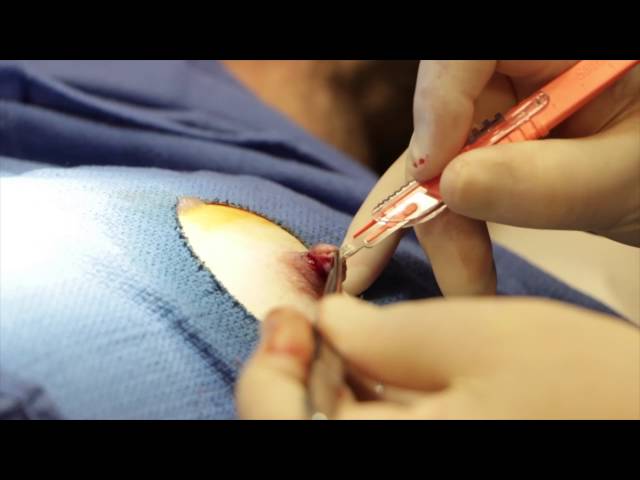
Surgeons use different incision techniques based on your goals and anatomy. The most common method involves making a small cut at the base of the nipple.
This technique minimizes scarring, preserving the natural look of your nipple. You may have tiny scars that fade over time.
Appearance Goals
Setting realistic expectations is key to satisfaction with nipple reduction surgery outcomes. Results vary based on individual anatomy and healing processes.
Most patients see a significant improvement in appearance and comfort. However, perfection is not guaranteed. Discussing your goals with a surgeon helps align expectations with achievable results.
Benefits of Nipple Reduction and Augmentation Synergy
Proportional Results
Nipple reduction can significantly enhance the outcomes of breast augmentation or lifts. This procedure adjusts nipple size, making it proportional to the new breast size. It ensures a more natural and aesthetically pleasing appearance.
For many, achieving symmetry between the breasts and nipples is crucial. A balanced look boosts confidence. Imagine going from feeling self-conscious about disproportionate features to loving your body's harmony.
Comfort in Clothing
Post-surgery, finding comfortable clothing becomes easier. Tight or sheer tops no longer pose an issue of revealing overly prominent nipples.
This change can be liberating for many women who previously had to select outfits carefully. The freedom to wear what you like without worry enhances daily comfort and satisfaction with one's appearance.
Enhanced Confidence
Feeling good about how you look boosts self-esteem dramatically. Nipple reduction, coupled with breast enhancement procedures, often leads to increased body confidence.
Knowing that your body looks proportionate and attractive by your standards changes how you interact with the world. It opens up opportunities for wearing different styles confidently.
Sexual Satisfaction
An often-overlooked benefit is the potential increase in sexual satisfaction stemming from improved body image.
Feeling attractive can enhance intimacy.
Being comfortable with one’s body encourages openness and exploration in intimate settings.
Preparing for Nipple Reduction Surgery
Pre-Operative Tests
Before undergoing nipple reduction surgery, a series of pre-operative tests are essential. These evaluations ensure your readiness for the procedure. Common tests include blood work and, in some cases, mammograms for females. It's crucial to discuss any concerns with your surgeon during this phase.
Doctors use these tests to spot potential issues that could affect the surgery or recovery. Always follow your surgeon’s instructions closely.
Dietary Adjustments
Adjusting your diet and medication intake is vital before nipple reduction. Avoid blood-thinning medications and supplements such as aspirin or vitamin E for at least two weeks prior. This precaution minimizes bleeding risks during surgery.
Eating healthy foods boosts your immune system, aiding in faster recovery. Stay hydrated but remember to fast if instructed before the operation under local anesthesia.
Post-Surgery Logistics
After nipple reduction, arranging transportation is necessary since you'll be under the effects of anesthetic. You won't be able to drive yourself home safely.
It's also wise to have someone assist you at home during the initial recovery days. Tasks might become challenging immediately following surgery due to discomfort or doctor’s orders limiting certain movements.
Ensure comfort by preparing a restful space.
Stock up on easy-to-eat foods and necessary supplies beforehand.
Recovery and Post-Surgery Care Guidelines
Recovery Timeline
After nipple reduction surgery, patients often wonder about the recovery process. Typically, individuals can return to their daily routines within a few days. However, full recovery and the final results might take a few weeks to become apparent.
The surgical correction involves precise procedures such as circular incision or transverse incisions. These techniques ensure minimal scarring and quick healing. Patients should follow their surgeon's advice closely during this period for optimal outcomes.
Wound Care
Proper wound care is crucial to prevent infection after surgery. Surgeons usually provide detailed instructions on how to care for the incisions. This often includes keeping the area clean and dry.
Patients might need to apply antibiotic ointment or take oral antibiotics as prescribed. It's important not to submerge the treated area in water until fully healed.
Managing Discomfort
Discomfort is common following nipple reduction surgery but manageable with proper care.
Prescribed medications help alleviate pain during the initial days post-surgery.
Using cold compresses can reduce swelling and discomfort without direct contact with the surgical site.
Following these guidelines ensures a smoother recovery process from nipple reduction surgery. By adhering strictly to post-operative instructions provided by healthcare professionals, risks are minimized, leading towards successful healing and satisfactory results.
Tips for a Successful Recovery
Follow Instructions
Following all post-operative instructions is crucial. Your surgeon provides these guidelines to ensure a smooth and safe recovery. This includes taking prescribed medications, attending follow-up appointments, and caring for the surgical site properly.
Ignoring these instructions can lead to complications or prolong your healing process. Always ask questions if something is unclear. Remember, adhering to your surgeon's advice is key to achieving the best results.
Gentle Exercises
Incorporating gentle exercises into your recovery plan can promote good circulation. This helps in faster healing without straining the area that underwent nipple reduction surgery.
Examples of such exercises include:
Walking at a slow pace.
Stretching carefully under guidance.
However, it's essential to consult with your surgeon before starting any exercise regimen. They will recommend what’s best based on your specific condition and stage of recovery.
Open Communication
Maintaining open communication with your surgeon during the recovery phase cannot be overstated. If you experience anything unusual or have concerns about your healing progress, reach out immediately.
Your health provider can offer reassurance or necessary interventions early on. This proactive approach ensures potential issues are addressed promptly, safeguarding your health and well-being throughout the recovery period.
Choosing the Right Surgeon for Nipple Reduction
Verify Credentials
Finding the right surgeon is crucial. Start by checking their credentials. Board certification is a must. It shows they meet high standards.
Look into their experience specifically with nipple reduction surgeries. More experience often means better results.
Review Photos
Next, ask to see before-and-after photos of past patients. These photos can give you a clear idea of what to expect.
Seeing real outcomes helps you gauge the surgeon's skill level. You want someone whose work aligns with your goals.
Consult Multiple Surgeons
Don't settle on the first surgeon you meet. Instead, consult with several professionals.
During consultations, assess how comfortable you feel with them. Communication and comfort are key to a successful surgery and recovery.
Discuss your expectations openly during these meetings. The right fit will listen and understand your needs.
Final Remarks
Nipple reduction surgery, while a specific and somewhat niche procedure, holds significant value for individuals seeking to enhance their body confidence and comfort. The journey from understanding the basics of nipple and areola reduction to choosing the right surgeon underscores the importance of informed decision-making and personalized care. Benefits extend beyond aesthetics, offering both physical and psychological improvements. Recovery, though requiring patience and adherence to post-surgery guidelines, leads to gratifying outcomes when approached with diligence and care.
For those considering this transformative step, it is crucial to engage with a certified and experienced plastic surgeon. Such a professional can provide not only the technical expertise required for a successful surgery but also the compassionate guidance needed throughout the process. Let your journey towards improved self-image and confidence begin today by scheduling a consultation with a trusted specialist.
Frequently Asked Questions
Who qualifies for nipple reduction surgery?
Individuals experiencing dissatisfaction with the size or shape of their nipples, not facing significant health issues, and having realistic expectations may qualify for this procedure.
What can I expect during a nipple reduction procedure?
The procedure typically involves local anesthesia, small incisions, and removal or reshaping of excess nipple tissue. It usually lasts about 1-2 hours.
How does nipple reduction benefit alongside augmentation?
Nipple reduction combined with breast augmentation can enhance overall aesthetic appearance by creating a more proportionate breast profile.
How should I prepare for my surgery?
Preparation includes consulting with your surgeon to discuss goals and expectations, avoiding certain medications that promote bleeding, and arranging for post-surgery care and transportation.
What does recovery entail after nipple reduction surgery?
Recovery generally involves managing mild discomfort with prescribed medication, following specific wound care instructions, and avoiding strenuous activities to ensure optimal healing.
Any tips for a successful recovery from nipple reduction?
Ensuring rest, adhering closely to post-operative instructions provided by your surgeon, maintaining hydration levels high are key factors in achieving a successful recovery.
How do I choose the right surgeon for my needs?
Selecting a board-certified plastic surgeon experienced in performing nipple reductions is crucial. Research their credentials, review before-and-after photos of previous patients' surgeries they've performed.