

Here you can find the latest news and surgical articles.
How Long Does Numbness Last After Liposuction and How to Manage It
Key Takeaways
- Numbness after liposuction is typical and often due to superficial nerve disturbance, edema, and inflammation during tissue trauma. The majority of sensation comes back in weeks to months.
- Anticipate the worst numbness in the initial 1 to 3 weeks, continued improvement for months later, and possible slow recovery up to a year, where a small percentage might have permanent alterations.
- If you’re in the post-op stage, support recovery by following your instructions, wearing your properly fitted compression garments, staying hydrated, eating well, avoiding smoking, and using gentle movement to improve circulation.
- Do gentle massage and lymphatic drainage post surgeon clearance, be conscious of swelling, and note any differences in numbness, tingling, or hypersensitivity to measure your progress.
- Guard numb regions against harm and consult a doctor for intense pain, increasing swelling, loss of motion, or numbness that lasts longer than three to six months. These require investigation.
- Be patient and keep your expectations in check, as sensation frequently returns in waves. Tingling, itching, or heightened sensitivity are common indicators that your nerves are healing.
How long does numbness last after liposuction is a frequent inquiry following body contouring surgery. Numbness tends to be the worst immediately following the procedure and frequently diminishes over several weeks to months, as nerves regenerate.
Standard recovery has you feel significant return of sensation by the three-month mark, with improvement continuing up to a year for deeper or larger areas. These in turn differ based on factors like technique, amount of fat extraction, and individual healing.
In the main body, we talk timelines and care.
The Cause
Liposuction numbness is caused by both direct and indirect impacts of the procedure on superficial nerves and tissues. Small incisions in the skin, cannula passages through fat and fat removal all agitate the local nerve system. Swelling, bruising and the hangover of anesthesia contribute additional sensory alteration.
Numbness, tingling and later itching are common and typically part of the normal healing process as the body mends nerve endings and resolves fluid and inflammation.
Nerve Disruption
Small incisions and cannula movement can stretch, compress or temporarily entrap tiny sensory nerves coursing through the subcutaneous fat. These nerves are fragile. Even mild traction can cause localized numbness post-operative.
Recovery time is contingent on how much the nerves were irritated and everyone’s individual healing rate. Mild stretching can recover in weeks, but axonal injury requires months to regrow. Full nerve regrowth can take up to half a year or more.
Regrowth is slow and occurs in stages. The stages include initial reconnection, return of basic touch, and later refinement of sensation. Sensation starts to come back as numb patches contract and tingling, pins and needles set in.
- Patchy areas of numbness near incision sites
- Reduced sensitivity to light touch or temperature
- Pins and needles, or tingling, occur as nerves begin to regenerate.
- Persistent areas that feel dull or “dead” to touch
Fluid Buildup
Fluid retention and edema post-liposuction can press on nerves and contribute to numbness. Post-operative swelling reaches its maximum early and can continue to compress nerves, extending the time before sensation returns.
As the swelling dissipates, which occurs over days to weeks, pressure is relieved and nerves start to function better, so sensation slowly returns. Too much swelling can hinder nerve repair and delay recovery.
Watch the swelling for asymmetry, sudden increase, or increasing pain, as these signs warrant medical evaluation. MLD massage and gentle movement can help alleviate fluid build-up and promote a smoother recovery.
Inflammation
Inflammation from the tissue trauma and fat removal temporarily impairs nerve function by generating a chemical and physical barrier to normal signaling. This inflammation usually reaches its peak around day three post-surgery and frequently exacerbates pain and discomfort at that point.
Mild swelling and bruising, which add to the numbness, are inevitable. Anti-inflammatory measures, including prescribed medications and proper wound care, minimize this effect. Inflammation typically occurs during the first several weeks, and as it subsides, the numbness tends to subside.
Itching typically starts around two weeks as nerves begin to ‘wake up’ and can persist for days to weeks while skin and nerves heal. Numbness typically resolves within weeks, though a few patients encounter tingling or decreased sensation for as long as six months before full recovery.
Recovery Timeline
Recovery Timeline – This covers the usual path numbness takes to clear following liposuction, from post-op shifts through long-term healing and when the majority of patients experience sensation returning. Everyone’s timeline is different with respect to surgical technique, treated area and personal healing rate.
1. The First Weeks
Anticipate heavy swelling, bruising, and profound numbness during the first 1 to 3 weeks post surgery. Inflammation typically hits its peak around day 3, which can cause pain to intensify and numbness to spread. Most soreness subsides within 10 to 14 days, and OTC pain relievers generally alleviate discomfort.
Swelling subsides and bruising peak in the second week, but the area is still often tight and numb. Follow operative care instructions closely: wound care, hygiene, and prescribed medications reduce complication risk and support nerve recovery.
Soft motion and short walks increase circulation and dissipate the yoost, which decreases pressure on small nerves. Steer clear of intense exercise until your surgeon clears you, but do short mobilization work a few times daily. Numbness is generally most pronounced in this early stage, yet some patients report experiencing minor sensory changes within the initial week.
2. The First Months
It’s not unusual for sensation to continuously get better as the swelling goes down and nerves heal. Numbness generally does not fully resolve for four to six weeks, but most patients notice consistent improvements in sensation during this time.
Track progress with a simple list: day-by-day or week-by-week notes on numbness, tingling, sharp sensations, and return of temperature or pressure sense. Example entries might note “week 3: pins-and-needles near incision” or “week 5: light touch returns on outer thigh.
Wear compression garments and implement recovery advice, including sleeping position, scar massage when recommended, and no nicotine, to aid in healing. Certain regions may stay numb or tingly for a few months. Random episodes of numbness can sometimes continue for as long as six months while the nerves regrow and remap.
3. The Long Haul
Be ready for slow sensation return in some areas, particularly after bigger or more aggressive liposuction. If numbness lasts longer than three to six months, continue to observe as this could be delayed nerve healing instead of permanent loss.
Patience and continued self-care matter: protect the area from extreme temperatures, keep skin moisturized, and keep follow-up appointments. You’ll see results within a few weeks, with final contours taking shape over three to six months.
For some, full recovery and complete sensation may take up to a year.
4. Permanent Changes
A small minority of patients can have permanent numb patches from nerve injury. Risk factors are aggressive techniques, very large-volume liposuction, or previous surgeries in the same area.
Permanent numbness is uncommon but can occur following aggressive surgeries or multiple surgeries. Record persisting symptoms, communicate them to your surgeon, and maintain a dated log to monitor their evolution.
Influencing Factors
Numbness after liposuction differs by several interacting variables. Below are the most significant factors affecting the duration of numbness and their relevance.
- Surgical area and extent: Different body zones show different typical timelines. The abdomen typically requires 6 to 8 weeks to feel normal again. Arms and thighs generally require 4 to 6 weeks. Chin and neck areas typically clear up within 3 to 4 weeks. Larger treatment zones or treating a few areas at once increase the likelihood of lasting numbness as more nerves are agitated and swelling persists. Follow each treated location individually to observe asymmetrical healing throughout the body.
- Anesthesia and immediate effects: Local or regional anesthesia produces early numbness that fades as the drugs wear off, usually within hours to a day. Long-lasting numbness past the anesthesia period represents nerve irritation or temporary nerve injury from the cannula or heat-based machinery, not anesthesia alone.
- Surgical technique and trauma: Traditional suction-assisted liposuction can cause more direct nerve disruption than less invasive options. Laser-assisted or “smartlipo” and tumescent techniques seek to minimize bleeding and blunt trauma, so long-term numbness is less likely. Transient changes in sensation can still occur. Sophisticated methods restrict injury and could accelerate nerve healing.
- Individual healing capacity: Age, immune response, skin elasticity, and prior surgeries shape nerve regrowth. Younger, healthier folks with good circulation typically heal more quickly. Pre-existing conditions like diabetes or vascular disease slow nerve recovery and can extend numbness to months.
- Swelling, compression, and activity: Swelling presses on nerves and delays the return of normal sensation. Compression garments as directed decrease swelling and can decrease the amount of time you experience numbness. Overdoing it or disregarding post-op limitations can worsen swelling and set your recovery back.
- Aftercare and adherence: Strictly following post-op instructions, such as wound care, keeping garments on, and avoiding heavy lifting, helps nerves recover. Soft massage and good moisturizing lotions may help maintain tissue mobility and nerve glide, mitigating any lingering numb patches. Bad aftercare increases the danger of lingering numbness or infection.
Treatment comparisons and recovery note: Traditional liposuction generally causes the most nerve trauma. Tumescent liposuction utilizes fluid to separate the tissues and typically reduces nerve damage. Smartlipo and other energy-based methods may eliminate mechanical trauma but introduce thermal exposure, which has its own nerve-risk profile.
Nerve regrows gradually. Some bounce back in weeks or months, with recovery occasionally requiring six months or beyond.
Sensation's Return
After liposuction, nerves and skin begin a stepwise repair that produces a mix of sensations as feeling comes back. Sensation often returns in waves rather than all at once. Tracking changes in feeling—where, when, and how intense sensations are—helps both patients and clinicians judge recovery.
Typical timelines indicate that many people notice new or different feelings in the first week, most numbness fades over weeks to months, and measurable nerve sensitivity often returns within three to six months. Complete return can take six months or longer in some cases.
The Tingles
Anticipate tingling or ‘pins and needles’ as an early indication that sensation nerves are re-growing. This sensation can be sporadic, occurring in one area for a few minutes then migrating or stopping, and its intensity frequently fluctuates over the treated skin.
Tingling typically precedes the return of normal touch. For most, the initial tingles start within days to weeks and subside by two to three months. Light stretching and mild movement, such as slow range-of-motion stretches and short walks, encourage blood flow to the region and can assist nerve regeneration.
Avoid strenuous motion that tugs on your incisions.
Itching
Itching is a normal part of skin healing and nerve regrowth and can be persistent for several weeks. Scratching can reopen scabs or aggravate new tissue, so avoid it if you can. Instead, apply a simple, fragrance-free moisturizer or a silicone-based ointment to calm skin and promote scar softening.
Use creams sparingly and pat, not rub. Itching usually abates as the wound closes and nerves settle, tapering off after two or three months, although there can be occasional flare-ups thereafter as nerves recalibrate.
Hypersensitivity
There might be times of hypersensitivity or pain as nerve endings reattach. Hypersensitivity frequently presents itself in proximity to an incision line, along contusions or where nerve tracks were most impacted.
Soft touch that once felt neutral can feel sharp or strange for a period of time. Keep sensitive areas covered with soft, loose-fitted clothing and steer clear of tight seams or scratchy fabrics. Over weeks to months, this heightened sensitivity usually settles down.
For many patients, nerve sensitivity becomes tolerable again within three to six months, and full return to normal can take longer in some.
Recording sensation with a straightforward log — date, location, description, and triggers — provides immediate feedback and fuels discussions with your surgeon should strange or deteriorating patterns arise.
Managing Numbness
Numbness following liposuction is common and typically normal during recovery. Here are actionable tips and realistic anticipations to assist you in navigating sensation changes, supporting nerve recovery, and minimizing pain in the weeks and months post-op.
Gentle Massage
Start massage only once wounds are completely closed and your surgeon approves. Treating numbness: Gentle, circular massage around the numb spots can help encourage blood flow and nerve repair. Be careful here to use light pressure and make slow, small circles so as to not irritate tissue.
Adding manual lymphatic drainage techniques can reduce swelling and move fluid away from treated zones. This often speeds recovery and can lessen tightness that hides returning sensation. Manage numbness: Use a good lotion when massaging to maintain supple skin and allow tissue to glide. Creams with aloe and other mild ingredients work well and reduce itch.
For instance, once your surgeon has given you the green light, dedicate five to ten minutes twice a day massaging the thighs or arms and recording small shifts in sensation in a recovery journal.
Proper Compression
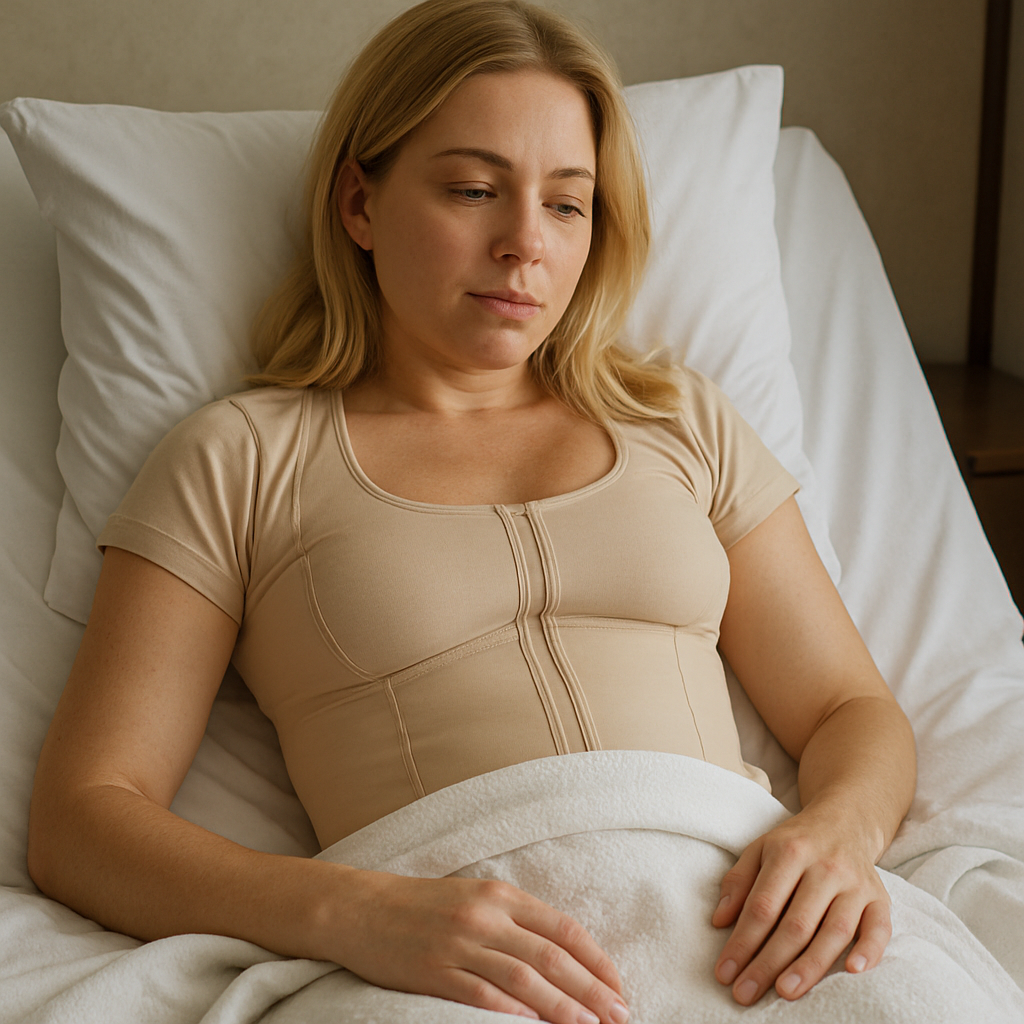
Wear the compression garments to the letter, controlling swelling and protecting healing nerves. Compression for around three to five weeks is typical and usually assists with both numbness and swelling. Make sure your clothes fit properly.
If they are too tight, they can cut off circulation and cause additional numbness. If they are too loose, they provide little support. Take off compression solely for bathing and wound care or as your surgeon's instructions say. Treat numbness smartly.
Replace worn or ill-fitting garments immediately. Elastic that is stretched out won’t hold up tissues and can hinder restoration of sensation.
Healthy Lifestyle
Hydration and good nutrition nourish tissue repair and nerve regrowth. Try to get around 8 to 10 glasses (approximately 2 to 2.5 liters) of water daily to control numbness and itching. Stay away from cigarettes and moderate your alcohol intake, as both can inhibit healing and prolong numbness.
Light exercise, like daily walks, increases circulation and restores nerve health. Start gentle activity as soon as your surgeon allows. Rest and stress management matter. Sleep and low stress support immune and repair processes, so practice simple breathing, short naps, or other rest habits.
Patience
Embrace the numbness; it isn’t permanent. Most people experience diminishing numbness and return to a more normal feeling around 4 to 6 weeks. Arms and thighs tend to come back in 4 to 6 weeks, while the chin or neck may recover in 3 to 4 weeks.
It takes weeks to months for nerves to regenerate, and the numbness can persist for up to six months and on and off even longer in some patients. Journal your progress and set achievable schedules.
If numbness worsens or persists after six months, talk to your surgeon. This could indicate more serious nerve damage.
When to Worry
Numbness following liposuction is common and frequently a component of normal healing. There are indicators you should seek medical attention. Early post-op swelling typically reaches its maximum around day 3, so it’s natural to experience greater pain or tighter-feeling numb regions at that time.
Swelling typically begins to subside after two weeks or so, and itching usually kicks in around then as nerves begin to “awaken.” Numbness or tingling typically persists for weeks and usually resolves within a few weeks, but some individuals experience episodic numbness for as long as six months. Full resolution often requires four to six weeks, and occasionally more. Judge whether your recovery is on track by these timelines.
Be vigilant for indications of potential complications, like persistent numbness, intense pain, or increasing swelling. If numbness doesn’t diminish throughout the first month, or numb areas seem to be expanding instead of receding, mark that down as a red flag.
When unresponsive to prescribed pain meds, severe, sharp, or progressive pain could indicate infection, hematoma, or nerve irritation. Note how symptoms fluctuate from day to day. For example, if your swelling reduces for a couple of weeks and then suddenly intensifies again with more pain, call your surgeon.
Be aware that persistent numbness after a year could indicate permanent nerve damage or need treatment. The majority recover normal sensation within weeks to months, but lingering loss over a year is rare and warrants specialist evaluation.
Record the precise locations involved and any sensory alterations such as pins and needles, burning, or numbness so providers can delineate nerve distribution. For example, a patient with persistent numbness over the lateral thigh at six months should have formal evaluation to exclude chronic nerve injury.
Document unusual symptoms, such as loss of movement or spreading numbness, for further evaluation. Loss of muscle control near treated areas, new weakness, or numbness that spreads beyond the original surgical field may indicate a deeper problem.
Keep a log with dates, symptom descriptions, and any triggers like activity or pressure. Photographs of visible swelling or bruising over time can help clinicians evaluate progression.
Make sure to guard numb areas from injury, burns, or excessive pressure while healing. Since decreased sensation dulls pain alerts, steer clear of hot baths, direct heating pads, sun exposure, and restrictive dressings on numb areas.
Use padding or loose clothes and frequently check the skin for redness, blistering, or cuts. If numbness is severe or getting worse, seek your healthcare provider immediately to rule out any complications and plan next steps.
Conclusion
Liposuction numbness how long does it last A majority experience consistent recovery of sensation and temperature between three to six months. Some regions can remain numb for as long as a year. Elements such as the volume of fat removed, the technique employed and your baseline nerve health inform recovery. If you’re just asking about liposuction numbness, here’s how long it lasts and how to get rid of it. Watch for increasing pain, spreading numb patches or signs of infection and contact a provider if they appear. Anticipate incremental improvements versus dramatic changes. For definitive next steps, schedule a follow-up with your surgeon or a sensory therapist. Have a plan customized and monitor changes every few weeks.
Frequently Asked Questions
How long does numbness after liposuction usually last?
Most patients experience numbness for two to twelve weeks. Certain regions might require three to six months to heal completely. Longer-lasting numbness is rarer.
Why do I feel numb after liposuction?
Numbness results from transient nerve irritation or minor nerve injury during the surgery. It is a normal side effect as the tissues heal.
Are there ways to speed up nerve recovery?
Light massage, physical therapy, quitting smoking, and eating right can all assist. Adhere to your surgeon’s post-op roadmap for optimal outcomes.
When should I expect full sensation to return?
Most recover close to full feeling by 3 to 6 months. Small areas can require up to a year. Every person and every treated area heals differently.
Is permanent numbness common after liposuction?
Permanent numbness is uncommon. Most nerves do come back. The risk rises with large or repeat procedures and some body areas.
What symptoms mean I should contact my surgeon?
Get assistance for expanding numb patches, increasing pain, redness, abnormal discharge, or an infection. Early detection eliminates complications.
Can medications or treatments help persistent numbness?
Certain physicians utilize nerve pain medications, topical creams, or targeted therapies. Consult your surgeon or a neurologist if numbness endures longer than anticipated.
Key Takeaways
- Numbness after liposuction is typical and often due to superficial nerve disturbance, edema, and inflammation during tissue trauma. The majority of sensation comes back in weeks to months.
- Anticipate the worst numbness in the initial 1 to 3 weeks, continued improvement for months later, and possible slow recovery up to a year, where a small percentage might have permanent alterations.
- If you’re in the post-op stage, support recovery by following your instructions, wearing your properly fitted compression garments, staying hydrated, eating well, avoiding smoking, and using gentle movement to improve circulation.
- Do gentle massage and lymphatic drainage post surgeon clearance, be conscious of swelling, and note any differences in numbness, tingling, or hypersensitivity to measure your progress.
- Guard numb regions against harm and consult a doctor for intense pain, increasing swelling, loss of motion, or numbness that lasts longer than three to six months. These require investigation.
- Be patient and keep your expectations in check, as sensation frequently returns in waves. Tingling, itching, or heightened sensitivity are common indicators that your nerves are healing.
How long does numbness last after liposuction is a frequent inquiry following body contouring surgery. Numbness tends to be the worst immediately following the procedure and frequently diminishes over several weeks to months, as nerves regenerate.
Standard recovery has you feel significant return of sensation by the three-month mark, with improvement continuing up to a year for deeper or larger areas. These in turn differ based on factors like technique, amount of fat extraction, and individual healing.
In the main body, we talk timelines and care.
The Cause
Liposuction numbness is caused by both direct and indirect impacts of the procedure on superficial nerves and tissues. Small incisions in the skin, cannula passages through fat and fat removal all agitate the local nerve system. Swelling, bruising and the hangover of anesthesia contribute additional sensory alteration.
Numbness, tingling and later itching are common and typically part of the normal healing process as the body mends nerve endings and resolves fluid and inflammation.
Nerve Disruption
Small incisions and cannula movement can stretch, compress or temporarily entrap tiny sensory nerves coursing through the subcutaneous fat. These nerves are fragile. Even mild traction can cause localized numbness post-operative.
Recovery time is contingent on how much the nerves were irritated and everyone’s individual healing rate. Mild stretching can recover in weeks, but axonal injury requires months to regrow. Full nerve regrowth can take up to half a year or more.
Regrowth is slow and occurs in stages. The stages include initial reconnection, return of basic touch, and later refinement of sensation. Sensation starts to come back as numb patches contract and tingling, pins and needles set in.
- Patchy areas of numbness near incision sites
- Reduced sensitivity to light touch or temperature
- Pins and needles, or tingling, occur as nerves begin to regenerate.
- Persistent areas that feel dull or “dead” to touch
Fluid Buildup
Fluid retention and edema post-liposuction can press on nerves and contribute to numbness. Post-operative swelling reaches its maximum early and can continue to compress nerves, extending the time before sensation returns.
As the swelling dissipates, which occurs over days to weeks, pressure is relieved and nerves start to function better, so sensation slowly returns. Too much swelling can hinder nerve repair and delay recovery.
Watch the swelling for asymmetry, sudden increase, or increasing pain, as these signs warrant medical evaluation. MLD massage and gentle movement can help alleviate fluid build-up and promote a smoother recovery.
Inflammation
Inflammation from the tissue trauma and fat removal temporarily impairs nerve function by generating a chemical and physical barrier to normal signaling. This inflammation usually reaches its peak around day three post-surgery and frequently exacerbates pain and discomfort at that point.
Mild swelling and bruising, which add to the numbness, are inevitable. Anti-inflammatory measures, including prescribed medications and proper wound care, minimize this effect. Inflammation typically occurs during the first several weeks, and as it subsides, the numbness tends to subside.
Itching typically starts around two weeks as nerves begin to ‘wake up’ and can persist for days to weeks while skin and nerves heal. Numbness typically resolves within weeks, though a few patients encounter tingling or decreased sensation for as long as six months before full recovery.
Recovery Timeline
Recovery Timeline – This covers the usual path numbness takes to clear following liposuction, from post-op shifts through long-term healing and when the majority of patients experience sensation returning. Everyone’s timeline is different with respect to surgical technique, treated area and personal healing rate.
1. The First Weeks
Anticipate heavy swelling, bruising, and profound numbness during the first 1 to 3 weeks post surgery. Inflammation typically hits its peak around day 3, which can cause pain to intensify and numbness to spread. Most soreness subsides within 10 to 14 days, and OTC pain relievers generally alleviate discomfort.
Swelling subsides and bruising peak in the second week, but the area is still often tight and numb. Follow operative care instructions closely: wound care, hygiene, and prescribed medications reduce complication risk and support nerve recovery.
Soft motion and short walks increase circulation and dissipate the yoost, which decreases pressure on small nerves. Steer clear of intense exercise until your surgeon clears you, but do short mobilization work a few times daily. Numbness is generally most pronounced in this early stage, yet some patients report experiencing minor sensory changes within the initial week.
2. The First Months
It’s not unusual for sensation to continuously get better as the swelling goes down and nerves heal. Numbness generally does not fully resolve for four to six weeks, but most patients notice consistent improvements in sensation during this time.
Track progress with a simple list: day-by-day or week-by-week notes on numbness, tingling, sharp sensations, and return of temperature or pressure sense. Example entries might note “week 3: pins-and-needles near incision” or “week 5: light touch returns on outer thigh.
Wear compression garments and implement recovery advice, including sleeping position, scar massage when recommended, and no nicotine, to aid in healing. Certain regions may stay numb or tingly for a few months. Random episodes of numbness can sometimes continue for as long as six months while the nerves regrow and remap.
3. The Long Haul
Be ready for slow sensation return in some areas, particularly after bigger or more aggressive liposuction. If numbness lasts longer than three to six months, continue to observe as this could be delayed nerve healing instead of permanent loss.
Patience and continued self-care matter: protect the area from extreme temperatures, keep skin moisturized, and keep follow-up appointments. You’ll see results within a few weeks, with final contours taking shape over three to six months.
For some, full recovery and complete sensation may take up to a year.
4. Permanent Changes
A small minority of patients can have permanent numb patches from nerve injury. Risk factors are aggressive techniques, very large-volume liposuction, or previous surgeries in the same area.
Permanent numbness is uncommon but can occur following aggressive surgeries or multiple surgeries. Record persisting symptoms, communicate them to your surgeon, and maintain a dated log to monitor their evolution.
Influencing Factors
Numbness after liposuction differs by several interacting variables. Below are the most significant factors affecting the duration of numbness and their relevance.
- Surgical area and extent: Different body zones show different typical timelines. The abdomen typically requires 6 to 8 weeks to feel normal again. Arms and thighs generally require 4 to 6 weeks. Chin and neck areas typically clear up within 3 to 4 weeks. Larger treatment zones or treating a few areas at once increase the likelihood of lasting numbness as more nerves are agitated and swelling persists. Follow each treated location individually to observe asymmetrical healing throughout the body.
- Anesthesia and immediate effects: Local or regional anesthesia produces early numbness that fades as the drugs wear off, usually within hours to a day. Long-lasting numbness past the anesthesia period represents nerve irritation or temporary nerve injury from the cannula or heat-based machinery, not anesthesia alone.
- Surgical technique and trauma: Traditional suction-assisted liposuction can cause more direct nerve disruption than less invasive options. Laser-assisted or “smartlipo” and tumescent techniques seek to minimize bleeding and blunt trauma, so long-term numbness is less likely. Transient changes in sensation can still occur. Sophisticated methods restrict injury and could accelerate nerve healing.
- Individual healing capacity: Age, immune response, skin elasticity, and prior surgeries shape nerve regrowth. Younger, healthier folks with good circulation typically heal more quickly. Pre-existing conditions like diabetes or vascular disease slow nerve recovery and can extend numbness to months.
- Swelling, compression, and activity: Swelling presses on nerves and delays the return of normal sensation. Compression garments as directed decrease swelling and can decrease the amount of time you experience numbness. Overdoing it or disregarding post-op limitations can worsen swelling and set your recovery back.
- Aftercare and adherence: Strictly following post-op instructions, such as wound care, keeping garments on, and avoiding heavy lifting, helps nerves recover. Soft massage and good moisturizing lotions may help maintain tissue mobility and nerve glide, mitigating any lingering numb patches. Bad aftercare increases the danger of lingering numbness or infection.
Treatment comparisons and recovery note: Traditional liposuction generally causes the most nerve trauma. Tumescent liposuction utilizes fluid to separate the tissues and typically reduces nerve damage. Smartlipo and other energy-based methods may eliminate mechanical trauma but introduce thermal exposure, which has its own nerve-risk profile.
Nerve regrows gradually. Some bounce back in weeks or months, with recovery occasionally requiring six months or beyond.
Sensation's Return
After liposuction, nerves and skin begin a stepwise repair that produces a mix of sensations as feeling comes back. Sensation often returns in waves rather than all at once. Tracking changes in feeling—where, when, and how intense sensations are—helps both patients and clinicians judge recovery.
Typical timelines indicate that many people notice new or different feelings in the first week, most numbness fades over weeks to months, and measurable nerve sensitivity often returns within three to six months. Complete return can take six months or longer in some cases.
The Tingles
Anticipate tingling or ‘pins and needles’ as an early indication that sensation nerves are re-growing. This sensation can be sporadic, occurring in one area for a few minutes then migrating or stopping, and its intensity frequently fluctuates over the treated skin.
Tingling typically precedes the return of normal touch. For most, the initial tingles start within days to weeks and subside by two to three months. Light stretching and mild movement, such as slow range-of-motion stretches and short walks, encourage blood flow to the region and can assist nerve regeneration.
Avoid strenuous motion that tugs on your incisions.
Itching
Itching is a normal part of skin healing and nerve regrowth and can be persistent for several weeks. Scratching can reopen scabs or aggravate new tissue, so avoid it if you can. Instead, apply a simple, fragrance-free moisturizer or a silicone-based ointment to calm skin and promote scar softening.
Use creams sparingly and pat, not rub. Itching usually abates as the wound closes and nerves settle, tapering off after two or three months, although there can be occasional flare-ups thereafter as nerves recalibrate.
Hypersensitivity
There might be times of hypersensitivity or pain as nerve endings reattach. Hypersensitivity frequently presents itself in proximity to an incision line, along contusions or where nerve tracks were most impacted.
Soft touch that once felt neutral can feel sharp or strange for a period of time. Keep sensitive areas covered with soft, loose-fitted clothing and steer clear of tight seams or scratchy fabrics. Over weeks to months, this heightened sensitivity usually settles down.
For many patients, nerve sensitivity becomes tolerable again within three to six months, and full return to normal can take longer in some.
Recording sensation with a straightforward log — date, location, description, and triggers — provides immediate feedback and fuels discussions with your surgeon should strange or deteriorating patterns arise.
Managing Numbness
Numbness following liposuction is common and typically normal during recovery. Here are actionable tips and realistic anticipations to assist you in navigating sensation changes, supporting nerve recovery, and minimizing pain in the weeks and months post-op.
Gentle Massage
Start massage only once wounds are completely closed and your surgeon approves. Treating numbness: Gentle, circular massage around the numb spots can help encourage blood flow and nerve repair. Be careful here to use light pressure and make slow, small circles so as to not irritate tissue.
Adding manual lymphatic drainage techniques can reduce swelling and move fluid away from treated zones. This often speeds recovery and can lessen tightness that hides returning sensation. Manage numbness: Use a good lotion when massaging to maintain supple skin and allow tissue to glide. Creams with aloe and other mild ingredients work well and reduce itch.
For instance, once your surgeon has given you the green light, dedicate five to ten minutes twice a day massaging the thighs or arms and recording small shifts in sensation in a recovery journal.
Proper Compression
Wear the compression garments to the letter, controlling swelling and protecting healing nerves. Compression for around three to five weeks is typical and usually assists with both numbness and swelling. Make sure your clothes fit properly.
If they are too tight, they can cut off circulation and cause additional numbness. If they are too loose, they provide little support. Take off compression solely for bathing and wound care or as your surgeon's instructions say. Treat numbness smartly.
Replace worn or ill-fitting garments immediately. Elastic that is stretched out won’t hold up tissues and can hinder restoration of sensation.
Healthy Lifestyle
Hydration and good nutrition nourish tissue repair and nerve regrowth. Try to get around 8 to 10 glasses (approximately 2 to 2.5 liters) of water daily to control numbness and itching. Stay away from cigarettes and moderate your alcohol intake, as both can inhibit healing and prolong numbness.
Light exercise, like daily walks, increases circulation and restores nerve health. Start gentle activity as soon as your surgeon allows. Rest and stress management matter. Sleep and low stress support immune and repair processes, so practice simple breathing, short naps, or other rest habits.
Patience
Embrace the numbness; it isn’t permanent. Most people experience diminishing numbness and return to a more normal feeling around 4 to 6 weeks. Arms and thighs tend to come back in 4 to 6 weeks, while the chin or neck may recover in 3 to 4 weeks.
It takes weeks to months for nerves to regenerate, and the numbness can persist for up to six months and on and off even longer in some patients. Journal your progress and set achievable schedules.
If numbness worsens or persists after six months, talk to your surgeon. This could indicate more serious nerve damage.
When to Worry
Numbness following liposuction is common and frequently a component of normal healing. There are indicators you should seek medical attention. Early post-op swelling typically reaches its maximum around day 3, so it’s natural to experience greater pain or tighter-feeling numb regions at that time.
Swelling typically begins to subside after two weeks or so, and itching usually kicks in around then as nerves begin to “awaken.” Numbness or tingling typically persists for weeks and usually resolves within a few weeks, but some individuals experience episodic numbness for as long as six months. Full resolution often requires four to six weeks, and occasionally more. Judge whether your recovery is on track by these timelines.
Be vigilant for indications of potential complications, like persistent numbness, intense pain, or increasing swelling. If numbness doesn’t diminish throughout the first month, or numb areas seem to be expanding instead of receding, mark that down as a red flag.
When unresponsive to prescribed pain meds, severe, sharp, or progressive pain could indicate infection, hematoma, or nerve irritation. Note how symptoms fluctuate from day to day. For example, if your swelling reduces for a couple of weeks and then suddenly intensifies again with more pain, call your surgeon.
Be aware that persistent numbness after a year could indicate permanent nerve damage or need treatment. The majority recover normal sensation within weeks to months, but lingering loss over a year is rare and warrants specialist evaluation.
Record the precise locations involved and any sensory alterations such as pins and needles, burning, or numbness so providers can delineate nerve distribution. For example, a patient with persistent numbness over the lateral thigh at six months should have formal evaluation to exclude chronic nerve injury.
Document unusual symptoms, such as loss of movement or spreading numbness, for further evaluation. Loss of muscle control near treated areas, new weakness, or numbness that spreads beyond the original surgical field may indicate a deeper problem.
Keep a log with dates, symptom descriptions, and any triggers like activity or pressure. Photographs of visible swelling or bruising over time can help clinicians evaluate progression.
Make sure to guard numb areas from injury, burns, or excessive pressure while healing. Since decreased sensation dulls pain alerts, steer clear of hot baths, direct heating pads, sun exposure, and restrictive dressings on numb areas.
Use padding or loose clothes and frequently check the skin for redness, blistering, or cuts. If numbness is severe or getting worse, seek your healthcare provider immediately to rule out any complications and plan next steps.
Conclusion
Liposuction numbness how long does it last A majority experience consistent recovery of sensation and temperature between three to six months. Some regions can remain numb for as long as a year. Elements such as the volume of fat removed, the technique employed and your baseline nerve health inform recovery. If you’re just asking about liposuction numbness, here’s how long it lasts and how to get rid of it. Watch for increasing pain, spreading numb patches or signs of infection and contact a provider if they appear. Anticipate incremental improvements versus dramatic changes. For definitive next steps, schedule a follow-up with your surgeon or a sensory therapist. Have a plan customized and monitor changes every few weeks.
Frequently Asked Questions
How long does numbness after liposuction usually last?
Most patients experience numbness for two to twelve weeks. Certain regions might require three to six months to heal completely. Longer-lasting numbness is rarer.
Why do I feel numb after liposuction?
Numbness results from transient nerve irritation or minor nerve injury during the surgery. It is a normal side effect as the tissues heal.
Are there ways to speed up nerve recovery?
Light massage, physical therapy, quitting smoking, and eating right can all assist. Adhere to your surgeon’s post-op roadmap for optimal outcomes.
When should I expect full sensation to return?
Most recover close to full feeling by 3 to 6 months. Small areas can require up to a year. Every person and every treated area heals differently.
Is permanent numbness common after liposuction?
Permanent numbness is uncommon. Most nerves do come back. The risk rises with large or repeat procedures and some body areas.
What symptoms mean I should contact my surgeon?
Get assistance for expanding numb patches, increasing pain, redness, abnormal discharge, or an infection. Early detection eliminates complications.
Can medications or treatments help persistent numbness?
Certain physicians utilize nerve pain medications, topical creams, or targeted therapies. Consult your surgeon or a neurologist if numbness endures longer than anticipated.