Here you can find the latest news and surgical articles.
12 September 2026
Platelet Exosome miRNA Therapy for Body Sculpting: Mechanisms, Muscle Regeneration, and Safety Comparison
Key Takeaways
Platelet exosomes are tiny vesicles that shuttle proteins and miRNAs to cells and can directly promote tissue repair. They are a promising tool for non-surgical body sculpting and muscle recovery.
Exosomal miRNAs regulate gene expression in target cells, activating pathways that promote muscle growth and repair and suppressing those that contribute to fat accumulation.
Key pathways such as PI3K/Akt and MAPK are modulated by exosome-delivered miRNAs that reduce inflammation, stimulate cell growth, and enhance tissue quality.
Clinical application of platelet exosomes can speed healing, increase muscle tone, and minimize scarring compared to typical methods. Candidates should exclude individuals with infections, some chronic conditions, and blood disorders.
Clinicians can take practical steps such as screening patients with a clear eligibility checklist, following up with inflammatory and functional markers post-treatment, and combining exosome therapy with rehabilitation for optimal outcomes.
Going forward, customization of exosome miRNA profiles, comprehensive safety and efficacy trials, and combining exosome therapy with synergistic regenerative approaches should be priorities for maximizing impact.
Exosome miRNA and gene expression healing body sculpting refers to how tiny vesicles carrying microRNA influence tissue repair and fat remodeling.
These exosomes transmit signals that alter gene expression in recipient cells and influence cell proliferation, inflammation, and extracellular matrix remodeling.
Clinical and lab studies associate such miRNA profiles with enhanced wound healing and targeted fat loss.
Below we briefly review the mechanisms and evidence followed by practical considerations for safe application.
Platelet Exosomes
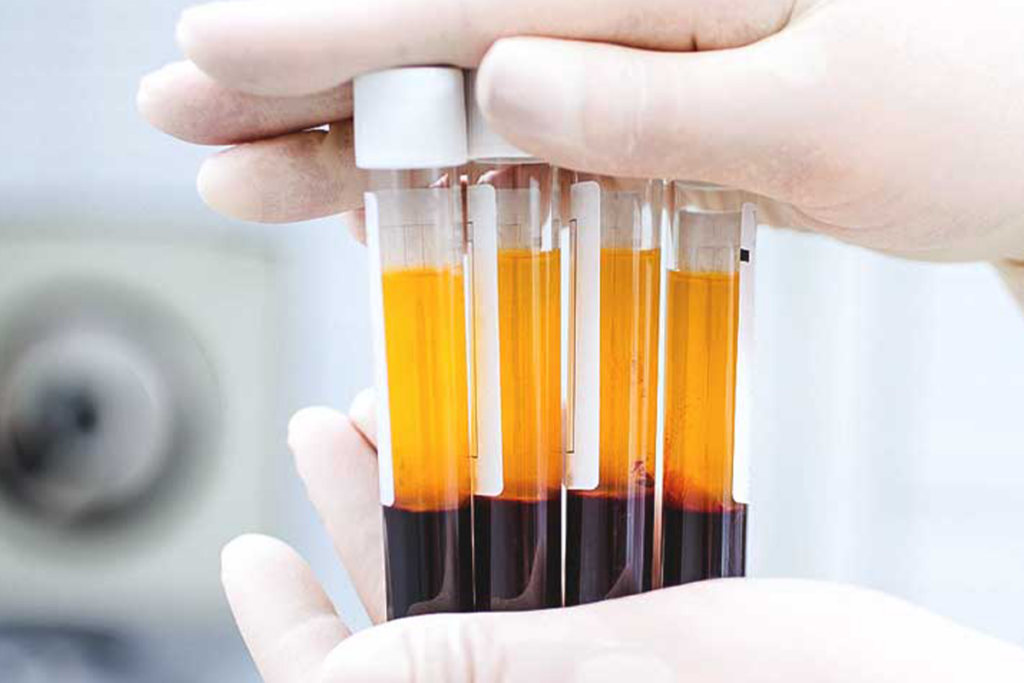
Platelet exosomes are minute extracellular vesicles, ranging from 40 to 150 nanometers in diameter, secreted by platelets and loaded with proteins, lipids, and genetic material like microRNA. They’re one of the ways cells deliver coded messages, carrying payloads that can alter the behavior of recipient cells. These vesicles are separate from the larger platelet particles and can be isolated and characterized using lab techniques such as ultracentrifugation or density gradient centrifugation to obtain a relatively pure preparation for research or clinical applications.
Platelet exosomes play a role in cell-to-cell communication in cell repair and regeneration. When tissue is damaged, platelets are the first to respond by releasing factors that initiate clotting and inflammation. Exosomes propagate that signaling further by injecting regulatory proteins and microRNAs directly into nearby cells. That delivery can change gene expression in recipient cells, change local immune responses, and push cells toward repair mechanisms like new vessel growth or collagen production.
For instance, in muscle injury models, exosome-borne microRNAs have been associated with decreased cell death and more rapid recovery of normal fiber structure. Platelet exosomes can send healing signals directly to injured muscle or fat tissue. In muscle, they could transport microRNAs that down-regulate pro-death pathways and up-regulate factors for growth and mitochondrial function, aiding recovery after strain or surgery.
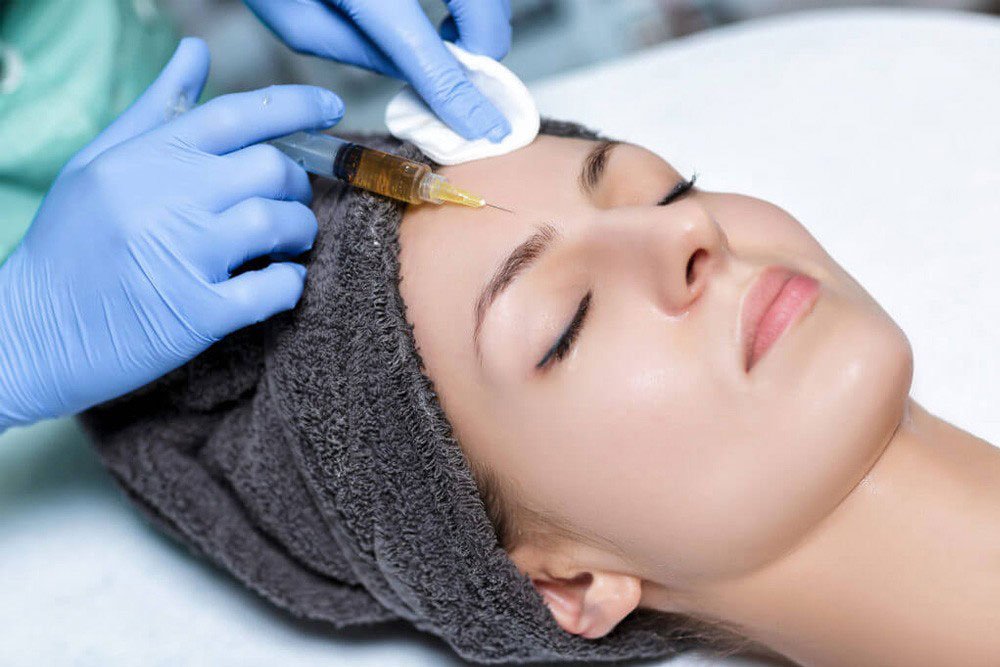
In adipose tissue, for instance, exosomal cargo can regulate adipocyte metabolism and local inflammation, potentially reshaping tissue and improving post-operational contour. Topical and injected forms have different routes. Topical preparations aim at dermal cells and surface healing, while injected or infiltrated preparations target deeper muscle or subcutaneous layers.
New use in regenerative therapies includes body sculpting and muscle recovery, with increasing, but still sparse, clinical evidence. Platelet-derived exosomes have shown skin benefits: topical use for 12 weeks reduced senescent skin cells and cut proinflammatory secretions by about 40%. Imaging after six weeks showed measurable improvements in photodamage and dermal aging markers.
In a nutshell, these results back therapeutic skin rejuvenation and beauty potential. Aesthetic use is recent, and more rigorous studies are required to determine ideal dose, delivery, and long-term safety. Current regenerative and dermatologic investigations are further honing isolation methods, studying mechanisms of microRNA-induced genetic alterations, and evaluating real-world results for muscle repair and body sculpting.
Gene Expression
Gene expression is the way cells read the instructions encoded in your DNA to create proteins that establish cell function and identity. Proteins constructed from gene templates decide whether a cell divides, heals, stores fat, or creates contractile fibers. Different genes being on changes how tissues behave, so gene expression is the key control knob for healing and body sculpting results.
1. Cellular Messengers
Exosomes are cell-derived membrane vesicles that are natural messengers conveying proteins, lipids, and RNAs. They journey to local or remote cells and deposit cargo that alters recipient cell behavior. Delivery is targeted: surface markers guide exosomes to certain cell types, which can make the effect more precise than diffuse growth factors.
Exosomes traverse barriers like the extracellular matrix and, in some cases, endothelium, broadening their scope of action. This crossing ability boosts their potential for therapies that must reach muscle or subcutaneous fat.
2. miRNA Cargo
MiRNAs are small, non-coding RNAs encapsulated within exosomes. They attach to mRNA within recipient cells and halt or dampen the generation of particular proteins, which is a post-transcriptional control node. Some miRNAs enhance muscle cell proliferation and differentiation, such as miR-1 and miR-206, which have been associated with myogenesis.
Others, such as miR-27 and miR-146, play parts in lipid metabolism and inflammation, assisting in lowering fat buildup or long-term inflammatory messaging. Animal examples from enriched miRNA exosome profiles accelerate wound closure and increase myofiber formation.
3. Molecular Pathways
Exosomal miRNAs change pathways that regulate inflammation, cell survival, and growth. Frequently targeted pathways are PI3K/Akt, which stimulates protein synthesis and cell survival, and MAPK cascades that regulate proliferation and stress responses. By increasing Akt signaling in muscle, exosome cargo can promote hypertrophy and repair.
By dampening NF-κB-related inflammatory signaling, they limit tissue damage and fibrosis. Major pathways affected are PI3K/Akt, MAPK/ERK, TGF-β, and NF-κB, each associated with particular healing or remodeling results.
4. Healing Signals
Exosomes bring those same repair signals in concentrated doses to local damaged or stressed tissue, kick-starting local repair. Post-delivery, cells exhibit accelerated repair machinery recruitment and earlier inflammatory to rebuild transitions. They decrease pro-inflammatory cytokines and promote angiogenesis, providing increased oxygen and nutrients to healing tissue.
Clinical and preclinical data show this results in faster functional recovery and more refined tissue architecture.
5. Regenerative Impact
Exosome therapy reinforces the body’s own repair systems, frequently enhancing muscle tone, strength, and surface definition. Patients might experience better new tissue integration with less scar tissue than some surgical procedures. Unlike conventional sculpting, regenerative methods target tissue quality and function, not just contour modification.
Body Sculpting
Body sculpting is the practice of reshaping and enhancing body contours through medical procedures designed to address fat, skin, and toning tissue. It covers surgical body contouring like liposuction and tummy tucks, non-invasive body contouring devices like cryolipolysis and radiofrequency, as well as emerging regenerative techniques that seek to repair or regenerate tissue instead of just eliminating.
Platelet exosome therapy is an innovative regenerative alternative to traditional surgical and non-surgical methods that is truly different in mechanism and recovery. Unlike liposuction, which removes fat, or energy-based devices that warm or cool tissue to induce damage and remodeling, platelet exosome therapy uses nanosized extracellular vesicles (30–150 nm) from platelets or stem cells to transmit molecular signals that direct cellular functions.
These exosomes contain microRNA, proteins, and growth factors that transform the gene expression of recipient cells, stimulate collagen and elastin production, reduce inflammation, and accelerate repair. Recovery is typically shorter as this method works with the body’s own healing cycles instead of making big wounds or thermal damage.
Platelet exosome therapy benefits:
Encourages healing and tissue regeneration in skin, fat, and connective tissue.
Can demonstrate visible results within weeks. Some studies show results up to 40 percent quicker visible results than other treatments.
Delivers longer-lasting results by altering cell signaling and gene expression, not a temporary volumetric change.
Works for multiple applications: skin tightening, scar reduction, hair growth support, and localized body contouring.
Ready to use exosome formulations provide a more consistent dose and minimize inter-treatment variability.
Less downtime and less risk of scarring than surgery.
A comparison table for platelet exosome therapy versus other body sculpting options can help patients weigh options by efficacy, downtime, mechanism, and durability. Columns might include:
Practical steps for clinicians and patients include confirming product provenance and batch testing for ready-to-use exosome formulations. It is also important to use ultrasound or imaging to map treatment zones and pair exosome injections with conservative adjuncts (topical retinoids, targeted exercise) for best contour outcomes.
Setting realistic timelines is crucial. Initial improvement often appears within a few weeks, with continued remodeling over months. It is advisable to track results with pictures and, when available, validated skin or fat thickness measurements.
A Personal Perspective
This section steps back to zoom in on the firsthand observations and patient voices to help readers contextualize science in the real world before zooming into the details of specific experiences.
Insights from Individuals Who Have Experienced Platelet Exosome Body Sculpting
Folks characterize the procedure as accurate and imperceptible. Most describe treatments in which physicians utilized platelet-generated exosomes blended with small amounts of injectable fill or saline, applied to specific regions like the stomach, flanks, or arms.
One patient recounted that the provider mapped zones of treatment, took pictures of the baseline shape, and used a grid for injections. One of the other small, quick, outpatient, local numbing procedures allows patients to return to light activity the same day.
Improved Muscle Tone and Faster Recovery Times
Multiple testimonials connect exosome treatment to more toned-appearing muscle definition within weeks. Users report that following three to four treatments, each two to four weeks apart, zones presented a tighter silhouette and diminished laxity.
Athletes and active adults report being less sore post-workout and experiencing shorter recoveries after muscle strain, thanks to enhanced local tissue repair. One fitness trainer ended up back at full training a week earlier than anticipated after treating a small strain.
These reports are consistent with the notion that exosomes can modulate inflammation and local repair, though individual and regimen-specific responses differ.
Subjective Satisfaction with Natural Feel and Appearance of Results
Patients frequently emphasize that outcomes are not to appear “done.” Testimonials highlight a natural slope and softer transitions instead of sharp or artificial contours.
A 40-something told buddies admired ‘her healthy tone’ without spotting any intervention. Men looking for discreet augmentation liked the non-surgical touch against implants or invasive liposuction.
Multiple users observed that enhancements continue to evolve for two to three months, generating incremental, plausible transformation as opposed to instant, outstanding transformations.
Comfort and Convenience of the Procedure
Comfort, comfort, comfort. Patients report very little discomfort with injections, particularly with topical or local anesthetic. Sessions last 30 to 60 minutes depending on the area treated.
Downtime is typically confined to mild swelling, bruising, or tenderness for 24 to 72 hours. One time-starved executive liked booking three brief appointments spread out over a month rather than a single extended surgery and reported less total interference with business and travel.
Cost, access to trained providers, and need for repeat sessions were practical considerations that influenced satisfaction.
Patient Suitability
The patient is a good candidate for exosome miRNA and gene-expression-based approaches to body sculpting and other regenerative applications. It depends on clinical goals, baseline health, and disease or injury factors. They must weigh the possible benefit for tissue remodeling or neuroprotection against risks from comorbidity, age, and biomarkers that predict response.
Here are specific considerations and a practical eligibility checklist for platelet exosome treatment.
Who is a good candidate? Perfect candidates and uses Healthy adults who want non-invasive muscle toning or fat reduction with realistic expectations are the key demographic for cosmetic body-shaping treatment. Those same exosome platforms fit patients with neurologic needs: people in their sixth decade with early Alzheimer’s symptoms; adults with stable multiple sclerosis between ages 20 and 45 where disease activity is low to moderate; and patients recovering from stroke where preclinical data show M2 microglia-derived exosomes protect against ischemia-reperfusion injury.
SCI depends on injury type and timing. Studies recruit often to SCI cohorts and acknowledge the element that 83.1% of reported SCIs since 2005 indicate differences by aetiology and severity.
Contraindications and risk factors include active infections, systemic sepsis, and local skin infections as contraindications since exosome delivery may exacerbate spread or impair healing. Uncontrolled chronic diseases, such as advanced heart failure, liver failure, or active malignancy, are safety concerns and generally exclusionary. Blood disorders that impede clotting or platelet function render platelet-derived products unsafe.
Age modifies risk and likely benefit. Younger patients with trauma-related spinal cord injury may respond differently than older patients where falls predominate. Limited safety data in pregnancy and breastfeeding recommend exclusion.
Checklist for platelet exosome therapy eligibility includes:
Age and general health: adult, medically stable, no uncontrolled chronic organ failure.
Infection screen: no active systemic or local infection within the past four weeks.
Hematology: Normal clotting profile and platelet count within normal range.
Immunology: no active autoimmune flare or uncontrolled immunosuppression.
Oncologic history: no active cancer or recent major oncologic therapy.
Neurologic indications: specific biomarkers, such as the presence or levels of miR-124, or imaging that support regenerative need.
Injury timing: For spinal cord injury or stroke, the time since injury fits the protocol window used in trials.
Informed consent requires realistic expectations and an understanding of limited long-term data.
Apply this checklist as a working tool. Biomarker testing, such as miR-124 or other miRNA panels, and MSC-exosome profiling can further fine-tune selection. Evidence gaps persist, and more trials will help clarify which populations really benefit.
Future Directions
Studies will head toward accurate tailoring of exosome and miRNA cargos to direct local gene expression for body aesthetics. Teams will chart which miRNAs and protein factors alter adipocyte metabolism, collagen deposition, or angiogenesis in certain tissues. Labs could use patient-derived cells to generate exosomes whose cargo corresponds to a target effect, such as reducing subcutaneous fat or augmenting dermal matrix repair.
Think of personalized exosomes enriched in miR-193b to inhibit fat generation in specific pockets or cloaked vesicles packed with miR-29 to prevent fibrotic scarring following contouring. Delivery strategies will be fine-tuned. Controlled-release hydrogels, microneedle arrays, or ultrasound-guided injections can place defined doses at precise depth and spread, reducing off-target gene shifts.
As mechanistic and safety data grow, clinical adoption should broaden from experimental centers to routine practice. Rigorous phase 1 to 3 trials will need to show consistent outcomes across diverse populations and measure immune responses, biodistribution, and off-target gene modulation.
Example trial endpoints could include standardized volumetric imaging, tissue biopsies for gene-expression panels, and patient-reported functional outcomes at 6, 12, and 24 months. Regulatory frameworks will likely require potency assays linked to specific miRNA signatures and validated release profiles for each product lot. Real-world registries can help track rare adverse events and refine patient selection criteria, for instance, identifying who benefits most from metabolic-targeted exosomes versus extracellular matrix-focused products.
Synergizing exosome/miRNA therapies with other regenerative methods will likely enhance both longevity and cosmetic results. Pairing with adipose-derived stem cell grafting or platelet-rich plasma might offer a supportive cell niche as exosomes modulate gene programs.
Surgical and non-surgical contouring approaches could utilize exosome therapy as an adjunct to enhance healing, minimize fibrosis, and accelerate recovery. For instance, following liposuction, targeted exosome injections could help minimize irregularities by directing fibroblast behavior and angiogenesis. Device-based modalities like radiofrequency or cryolipolysis could be timed with exosome delivery to establish a synergistic window for remodeling.
Follow-up surveillance with imaging, molecular markers, and functional studies for multiple years thereafter may be warranted to identify late changes in tissue composition or systemic effects. As sequencing and single-vesicle analysis advance, clinicians and scientists will be able to track miRNA profiles longitudinally and associate them with outcomes.
Commitment to scalable manufacturing, cold-chain logistics, and widely accepted potency tests will make therapies widely available. Ethical oversight and transparent reporting assist in sustaining public faith as these options transition from lab to clinic.
Conclusion
The exosome mirna gene expression work links cell signals to real tissue change. Platelet exosomes deliver small RNA that alters gene expression. That switch has the power to reduce inflammation, direct adipocyte destiny, and accelerate healing. In body sculpting, those shifts help shape tissue, smooth skin, and assist post-procedural recovery. Patients with clear goals and good health experience optimal outcomes. Early research indicates safer, more targeted applications in the future.
A clear step for clinics: track outcomes, use standard doses, and share what works. For patients: ask for data, expect gradual gains, and weigh risks. Find out more from colleagues, experiments, and trusted clinics. DM me if you want sources or a quick list of studies and clinics to check out.
Frequently Asked Questions
What are platelet exosomes and how do they work?
Platelet exosomes are nano-sized vesicles secreted by platelets. They transport microRNA and proteins that instruct cells to heal tissue, calm inflammation, and modulate the behavior of neighboring cells.
How do exosomal miRNAs affect gene expression?
Exosomal miRNAs enter target cells and bind to mRNA. This can inhibit or adjust certain genes, altering protein synthesis and cellular activity.
Can exosome miRNAs improve outcomes in body sculpting procedures?
Initial research shows they can promote healing, minimize scarring and assist in fat remodeling. The proof is in its infancy, but clinical results are dependent on technique and patient.
Who is a suitable candidate for exosome-assisted body sculpting?
Candidates are typically healthy adults looking for enhanced healing or tissue quality. Appropriateness varies based on medical history, procedure type, and a clinician’s evaluation.
Are exosome treatments safe?
Recent research suggests a good safety profile when derived and used appropriately. Risks vary based on the quality of the product and clinical practice. Talk to a qualified provider.
How soon will I see results from exosome-enhanced healing?
Noticeable inflammation and healing enhancement occur within days to weeks. It can take months for full tissue remodeling and aesthetic results.
What does the future hold for exosomes in regenerative aesthetics?
Research is moving into standardized products, targeted delivery and combined therapies. Anticipate more well-controlled studies and defined clinical guidelines soon.