Here you can find the latest news and surgical articles.
15 September 2026
Growth Factor Concentration in PRP Body Sculpting Science
Key Takeaways
PRP relies on concentrated platelet-derived growth factors to induce tissue repair and remodeling. Make sure clinics provide measured growth factor concentrations for reliable outcomes.
Platelet activation initiates a signaling cascade that enhances fibroblast activity, collagen production, angiogenesis, and cell proliferation. Select activation methods to align with your clinical objectives.
Preparation is important since centrifugation speed, duration, and handling directly impact platelet yield and ultimate growth factor concentration. Use standardized protocols and record parameters.
With clinical benefits ranging from improved skin texture to enhanced fat graft survival and support for non-surgical contouring, consider PRP as part of combination treatments for more robust and longer-lasting results.
Patient selection and safety is based on health, realistic expectations and contraindication screening. Use a checklist to vet candidates and schedule follow-up imaging or photos.
Future innovations will center around customized PRP mixes, hybrid treatments and biomarker-guided therapy. Stay tuned for new science and tailor techniques to each patient.
Growth factor concentration PRP body sculpting science refers to the measured level of healing proteins in platelet-rich plasma used to shape soft tissue. Research associates higher growth factor concentrations with quicker tissue remodeling and more collagen generation over weeks.
Labs rely on centrifuge settings and platelet yield to regulate concentration. Clinical reports observe differing results depending on volume, injection depth, and patient factors.
The body discusses techniques, measurements, and realistic constraints for optimal utilization.
The Science
PRP deploys a concentrated blend of platelets to provide growth factors that help direct tissue repair and rejuvenation. By concentrating platelets to approximately five to ten times baseline blood levels, physicians establish a local reservoir of signaling molecules that alter cell behavior at the site of injection. Results are incremental. New collagen and matrix accumulate over weeks as the body responds.
PRF, a similar technique, catches fibrin as well as growth factors and provides a slower, scaffolded release that can be adapted to fragile regions such as the under-eye area.
Cellular Mechanism
Platelets store growth factors like PDGF, TGF-β, VEGF, and IGF in alpha granules. Upon platelet activation, these granules fuse with the cell membrane and secrete contents into the extracellular space. Local fibroblasts, endothelial cells, and stem-like progenitors perceive these signals via surface receptors and alter gene expression.
The net effect is increased cell migration, proliferation, and matrix synthesis. This triggers a cascade. Chemoattraction brings immune and repair cells. Angiogenic signals grow small vessels. Fibroblasts lay down type I and III collagen. Over time, the new matrix remodels, enhancing tissue thickness and elasticity.
In body sculpting, that process instead targets subdermal layers to hone contours and firm up skin support. PRP improves cell communication by increasing local ligand concentration. Elevated growth factor levels reduce the time cells spend in quiescence and nudge them toward the repair program. That shift is key to why PRP encourages cells to heal naturally as opposed to coercing them into unnatural behavior.
Platelet Activation
Activation releases growth factors in a burst or phased manner depending on the method. Calcium chloride, thrombin, and needling are common triggers. Each method changes when and how much of each factor is released.
Calcium chloride induces clotting and a controlled, prolonged release. Thrombin induces a fast, large volume release and may lack sustained signaling. Mechanical activation, used in PRF, results in slower release and has a fibrin matrix that keeps factors at the site longer.
Activation agent
Release profile
Effect on growth factor yield
Calcium chloride
Moderate, sustained
High sustained levels
Thrombin
Rapid burst
Very high immediate yield
Mechanical/PRF
Slow, prolonged
Moderate but extended release
Choice of activator affects clinical aims. Quick peaks are important for hemostasis, while slower release is necessary for prolonged remodeling.
Tissue Response
Tissues exhibit phased repair once PRP reaches. Early indicators are slight redness, swelling, or bruising which improve in days.
Hemostasis and clot formation
Inflammation and cell recruitment
Proliferation with angiogenesis and collagen deposition
Remodeling and matrix maturation
PRP accelerates these phases by reducing the inflammatory period and enhancing fibroblast production. Over weeks, treated areas develop thicker dermis, increased elasticity, and more even texture.
In thin, fatigued zones like under-eyes, PRP or PRF can diminish hollowness and dark shadowing through enhanced skin quality and volume.
Growth Factor Role
Platelet-derived growth factors play a key role in the repair and remodeling processes that support PRP body sculpting. PRP consists of a cocktail of signaling proteins, most notably platelet-derived growth factor (PDGF), transforming growth factor-β (TGF-β), vascular endothelial growth factor (VEGF), epidermal growth factor (EGF), insulin-like growth factor (IGF), and basic fibroblast growth factor (bFGF).
Each has specific but overlapping roles in cell recruitment, proliferation, matrix production, and vessel growth. These are released when platelets degranulate at an injury site, initiating cascades that direct tissue regeneration.
1. Tissue Repair
PRP accelerates wound healing by initially recruiting immune and reparative cells to the location, then by secreting cytokines and growth factors that initiate the repair program. Fibroblasts are activated to make extracellular matrix proteins and matrix remodeling enzymes sculpt the tissue scaffold.
Supercharged cell signaling results in better coordinated tissue laydown, which typically means less scarring than unassisted healing. Clinically, patients tend to demonstrate shorter recovery times following PRP-augmented procedures, returning to function more quickly and with less extended inflammation.
2. Cell Growth
PRP growth factors are mitogens and differentiation signals. PDGF and IGF induce local cell proliferation. EGF and bFGF act on epithelial and mesenchymal cells.
Stem and progenitor cells in treated sites react by proliferating and migrating to the wound, where they can differentiate into necessary cell types. Enhanced cellular turnover promotes surface renewal and deeper remodeling, which is required for visible sculpting results like firmed skin and smoothed contours.
3. Collagen Synthesis
TGF-β and PDGF stimulate collagen gene expression and fibroblast activity, resulting in increased levels of collagen types I and III. This new collagen enhances skin texture, thickness, and firmness, restoring structural support to soft tissues.
PRP seems to delay collagen degradation through its capacity to modulate inflammatory mediators that may prolong the results. This new build-up of collagen coupled with less degradation plays a role in appearance as well as functional tissue strength.
4. Fat Metabolism
Certain growth factors influence adipocyte behavior. IGF and bFGF can affect preadipocyte differentiation, while cytokine shifts may favor lipolysis in some contexts.
PRP might actually modulate fat cell size and turnover, not fat loss per se, so when combined with mechanical or enzymatic fat-reduction methods, PRP can help support contour refinement. Research is nascent, with results varying based on concentration and preparation, PRP versus PRF, and administration method.
5. Angiogenesis
Angiogenesis is the new blood vessel formation, crucial for continued regeneration. VEGF and bFGF in PRP stimulate capillary sprouting and maturation.
Improved vascularization enhances oxygen and nutrient delivery, thus facilitating cell survival and matrix deposition. Long-term sculpting results depend on this vascular support to hold remodeled tissue in place and integrate the changes into normal physiology.
Preparation Impact
PRP preparation directly influences growth factor concentration and downstream tissue responses. The sections below detail how processing decisions influence platelet yield, growth factor liberation, and clinical outcomes with actionable tips to minimize variability.
[Good summary table comparing methods and concentrations for clinical use.]
Centrifugation
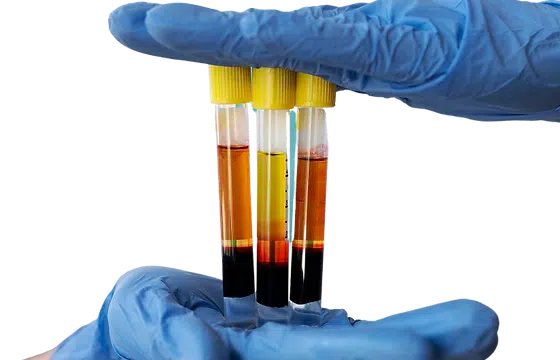
Centrifugation isolates platelets from whole blood by spinning it at high speed, stratifying the cellular components under centrifugal force. Spin speed and time affect how platelets settle in relation to red cells and plasma, with higher g-forces forcing more platelets into the plasma fraction, but higher g-forces destroy platelets.
Low, soft spins maintain platelet integrity but result in low concentration. Extended or higher-speed spins increase platelet concentration but can lead to activation or lysis, resulting in the early release of growth factors. Empirical data show a non-linear link between spin parameters and growth factor levels.
Modest increases in platelet count often produce proportionate growth factor rises. Excessive force can reduce bioactive factor release at the time of injection. Optimize by using a two-step protocol: a soft first spin to separate red cells, then a harder second spin to concentrate platelets.
Maintain temperature and reduce time from draw to processing to conserve function. For example, a 200 g first spin for 10 minutes followed by 400 to 800 g for 10 minutes is a common starting point, adjusted by device and tube type.
Activation Method
Activation causes the platelets to release stored growth factors. Chemical activators such as calcium chloride or thrombin provide a fast, massive bolus release. Mechanical activation via freeze-thaw cycles, vigorous mixing, or collagen/needling generates a slower, sustained release profile.
Chemical activation is for cases that require an instant explosion, such as when a scaffold or graft needs fast factor availability. Mechanical approaches augment processes in which continuous signaling and microinjury from needling facilitate remodeling.
Pros and cons: Chemical methods are predictable but may cause rapid depletion and more post-procedure inflammation. Mechanical methods tend to be gentler, often better tolerated, and synergize with microneedling where the needling itself stimulates collagen.
Choose activation to match the clinical aim: rapid remodeling versus prolonged remodeling with less acute inflammation.
Final Concentration
Best PRP growth factor concentration typically referenced platelet concentrations goals are between 3 times to 8 times baseline. Functional assays trump raw numbers. These medium levels ramp up collagen and tissue repair while still minimizing side effects.
Extremely high concentrations may actually impair healing or increase the risk of complications such as nodules, persistent swelling, vascular occlusion, and even rare severe events like vision loss. A concentration that is too low will be useless.
Guidelines: Validate devices with platelet and growth factor assays. Aim for a reproducible three to five times baseline as a practical target. Monitor clinical response and adjust protocols. Keep it aseptic, minimize t-t-I, and keep track of adverse events for better standardization and safety.
Clinical Applications
PRP sees clinical use throughout medical and aesthetic disciplines to accelerate tissue regeneration and optimize regenerative responses. In body sculpting, clinicians employ PRP to accelerate soft-tissue healing, bolster graft survival and restore skin quality following contouring procedures. Focused clinical applications and where PRP fits in minimally invasive and surgical pathways are below.
Skin Rejuvenation
PRP enhances skin tone, texture, and elasticity through growth factors that promote fibroblast proliferation and collagen deposition, remodeling the dermal matrix and tightening skin. Patients almost always notice diminished fine lines, softened wrinkles, and more uniform pigmentation following a series of PRP treatments, particularly when paired with induction of controlled injury.
The mechanism involves platelet-derived growth factor, transforming growth factor-beta, and vascular endothelial growth factor acting locally to increase collagen type I and type III and angiogenesis. PRP facials and microneedling combos are in demand as the latter generates microchannels that enable growth factors to access and act directly on the dermis, providing quicker visible results with minimal downtime.
Hair Restoration
PRP activates inactive hair follicles via growth factor signaling that induces cell proliferation and lengthens the anagen phase. Clinical benefits consist of increased hair density and shaft thickness after several monthly sessions, with objective gains seen on trichoscopy and patient-reported improvements.
Clinical applications for treatments have minimal downtime and a low risk profile, creating natural results without donor-site morbidity. Compared with traditional hair restoration, like hair transplantation, PRP is less invasive, cheaper, and may be used adjunctively to boost graft survival and accelerate healing following transplant procedures.
However, it typically results in more modest increases in absolute hair count compared to surgical grafting.
Body Contouring
In surgical and non-surgical body contouring, PRP aids fat graft survival and integration through promoting revascularization of grafted tissue and minimizing early apoptosis. Research indicates PRP addition to bone graft materials can markedly boost bone generation at two, four, and eight weeks, and clinical orthopedic applications document improved defect filling.
One study found eighty-five percent satisfactory tibial/patellar defect filling with PRP compared to sixty percent controls. In soft-tissue applications, PRP enhances skin tautness and contour definition post-liposuction, fat transfer, or energy-based therapies.
PRP works well with radiofrequency, laser, and ultrasound devices to increase remodeling as synergy often produces more defined contour lines and less lax skin. Some notes from orthopedic and dental literature: PRP can reduce pain and improve function in younger patients with early joint degeneration, and many ACL reconstructions with PRP demonstrate promising bone formation.
Context-specific results differ, however, with a few sinus graft studies finding no difference when paired with PRP gel, underscoring that results are specific to technique, material, and indication.
Patient Suitability
Patient selection drives safety and outcomes in growth factor–concentrated PRP for body sculpting. A brief clinical evaluation frames whether PRP can meet a patient's goals and avoids exposing ineligible individuals to unnecessary risk. The following subheadings break down who benefits most, who should be excluded, and what realistic results look like.
Ideal Candidates
Ideal patients are healthy adults looking for moderate tissue remodeling rather than dramatic, surgical-level change. Common features are good baseline skin quality, stable weight and localized concerns like mild pockets of fat, skin laxity or scar remodeling.
Age ranges significantly; a lot of success in patients from late 20s through their 60s, but physiologic age is much more important than chronologic age. Candidates were free from active infection and severe systemic disease, not pregnant or lactating and not receiving platelet function inhibiting medication.
Its effectiveness depends on patient suitability—clear aesthetic goals and compliance with post-procedure aftercare enhance results. Observing activity restrictions and returning for repeat PRP injections every 4 to 8 weeks promotes cumulative growth factor benefits.
Early intervention—addressing skin laxity or minor contour irregularities prior to significant volume loss—generally results in more effective and rapid visible transformation. Patients with musculoskeletal indications such as tendonitis or ligament sprains tend to respond well to PRP, demonstrating the therapy’s broader regenerative role.
Contraindications
Bleeding disorders, active infections where treatment is planned, as well as certain systemic infections like uncontrolled HIV, hepatitis, or active cancer in many clinics are absolute and relative contraindications.
Anticoagulants or antiplatelet medication increase bleeding risk and can potentially reduce PRP effectiveness, so adjustment or temporary discontinuation ought to be managed by the treating physician. Autoimmune diseases such as rheumatoid arthritis must be individually evaluated, given that immune activity can influence healing and growth factor responses.
A history of poor wound healing, platelet dysfunction, or keloid and hypertrophic scarring puts patients at increased risk of adverse tissue responses and may contraindicate PRP. Pregnancy and breastfeeding are generally excluded due to limited safety data.
Disregarding these exclusion criteria raises complication rates, including infection, compromised incorporation of repaired tissue, and hypertrophic scarring, so rigorous screening is critical.
Realistic Outcomes
PRP for body sculpting yields slow results. It doesn’t give instant structural transformation. Anticipate subtle contour definition, enhanced skin tone and quality, and scar quality with several treatments a few weeks apart.
Your biology will determine your response. Some patients respond dramatically in three sessions, while others require more or experience only marginal benefit.
Track progress with standardized before and after photographs and objective measures, such as circumference and ultrasound, as well as patient-reported outcome scales. Clear pre-treatment counseling minimizes disappointment and increases follow-up plan adherence.
The Bio-Aesthetic Future
Regenerative aesthetics seeks to activate the skin’s innate repair mechanisms so enhancements persist well beyond a clinic appointment. PRP sits at the heart of this transition, and scientists are going further than simple PRP to higher growth factor concentration, exosome delivery, and biotech-powered customization.
Standard PRP skin appointments last around 60 to 90 minutes, with gains becoming apparent two to three months later and results persisting for six months to over a year for most patients, particularly those in their 30s and 40s, whose tissues are still most receptive.
Combination Therapy
Pair PRP with synergistic devices and injectables to achieve more potent, quicker results. Popular combos include fractional lasers for collagen remodeling, RF for dermal tightening and hyaluronic acid fillers for volume support.
Clinically, reports indicate lasers or RF generate microinjury that supports PRP growth factors and exosomes entering tissue and working more completely. Fillers provide structural lift and PRP enhances overlying skin quality.
Safety and timing matter. For example, schedule ablative laser and PRP either the same day for immediate growth factor support or stagger by two weeks depending on wound depth.
When pairing with fillers, place filler first to establish contour. Then apply PRP topically or microinjected to enhance skin quality. Protocols should encompass consent on combined risks, staged follow-up at 1, 3, and 6 months, and defined post-care to curtail infection and inflammation.
Personalized Protocols
One-size-fits-all does not work for regenerative work. Customize PRP concentration, volume and adjuncts to patient age, skin type, metabolic health and aesthetic goals. Younger patients in their 30s usually require moderate growth factor boosts and maintenance plans.
Older or photo-damaged skin might need higher concentrations as well as multiple treatments. Let simple diagnostics – photos, skin elasticity and bloodwork – guide your decisions.
For instance, a low baseline platelet count may trigger an alternate centrifugation cycle or platelet pooling. Create a flowchart that facilitates patient entry points (goal, age, skin condition) to a suggested PRP protocol, adjunct modalities and follow up timing for predictable results.
Predictive Biomarkers
Biomarkers hold the promise of predicting who responds best to PRP and related growth factor therapies. Candidates range from platelet-derived growth factor levels to inflammatory cytokine profiles to markers of cellular senescence.
Testing these pretreatment can help fine-tune patient selection and manage expectations. In practice, a straightforward panel might reveal elevated inflammatory markers that anticipate slower remodeling and imply pre-treatment anti-inflammatory approaches.
By integrating biomarker testing into regular protocols, clinicians can tailor PRP concentration, supplement with exosome preparations, or suggest lifestyle modifications to optimize outcomes. This data-driven route will render regenerative aesthetics more quantitative and replicable.
Conclusion
The data indicates that growth factor concentrations in PRP associate with tissue repair and fat remodeling. Higher platelet counts generally lead to more growth factors. Prep steps, such as draw method and centrifuge speed and timing, shape concentration. Clinical cases have reported improved contour and skin tone when PRP is combined with fat or injected alone. Good candidates are in stable health with defined goals and realistic expectations. Risks remain low with aseptic technique and appropriate training.
An example: A 40-year-old patient kept steady results after three treatments spaced four weeks apart. Another clinic experienced quicker healing when they utilized a double-spin protocol and maintained processing time under 30 minutes.
Next steps: Glance over lab reports, select a trusted protocol, and visit a trained provider to tailor dose and timing to objectives.
Frequently Asked Questions
What is the ideal growth factor concentration in PRP for body sculpting?
Evidence varies, but clinically effective platelet concentrations often range from three to seven times baseline. Higher concentration can stimulate greater signaling but not necessarily better outcomes. Providers customize concentrations to the treatment site and patient requirements.
How does growth factor concentration affect fat remodeling?
Growth factors in PRP stimulate tissue repair, angiogenesis, and cell signaling. Concentrations that properly support fat cell remodeling and skin tightening are important. If the concentration is too low, it might not be effective. If it is too high, it might cause too much inflammation.
Does PRP preparation method change growth factor levels?
Yes. Centrifugation parameters and kit design impact platelet and growth factor concentration. Double-spin methods generally provide higher platelet counts than single-spin. Technique counts for consistent results.
Are there clinical studies supporting PRP for body sculpting?
Emerging but limited evidence supports PRP as an adjunct for skin quality and local fat effects. The research is limited. We need more large randomized trials for definitive guidance.
Who is a good candidate for PRP body sculpting?
Otherwise, healthy adults with reasonable expectations and mild-to-moderate skin laxity or localized fat pockets can benefit. This procedure is not intended for patients with active infection, blood disorders, or uncontrolled chronic illness. Talk to your clinician.
What safety concerns relate to growth factor concentration in PRP?
PRP is autologous, minimizing immune risk. Primary issues are infection, bruising, and inflammation. High growth factor levels can escalate inflammatory responses. Good preparation and sterile technique minimize risks.
How do clinicians measure and standardize PRP growth factor levels?
Clinicians commonly quantify platelet count as a surrogate for growth factors. Some labs measure specific proteins. Standardization employs validated protocols, quality controls, and documentation to provide consistent concentrations.