Here you can find the latest news and surgical articles.
26 May 2024
Scar Revision Surgery Recovery Time: Essential Tips & Info
Key Takeaways
Follow Post-Op Care Guidelines: Adhere strictly to your surgeon's post-op care instructions regarding your surgical procedure, incisions, and sutures to ensure optimal healing and reduce the risk of complications and side effects.
Healthy Diet Matters: Maintain a balanced diet rich in vitamins and proteins to support tissue repair, accelerate recovery, and enhance exercise performance throughout the day.
Gradual Activity Resumption: Ease back into physical activities gradually, avoiding strenuous exercises until your surgeon gives the green light to protect your incisions and sutures.
Monitor Healing: Regularly check your incision site for signs of infection, unusual changes, side effects, or blood and consult your doctor if you notice anything concerning.
Patience with Results: Understand that final results can take several months to become fully apparent, so be patient and follow up with your healthcare provider as needed for a summary of side effects and any necessary revision.
Consider Alternatives: Explore non-surgical options for scar management if surgery isn't the best fit for you, such as laser treatments, exercise, or topical solutions.
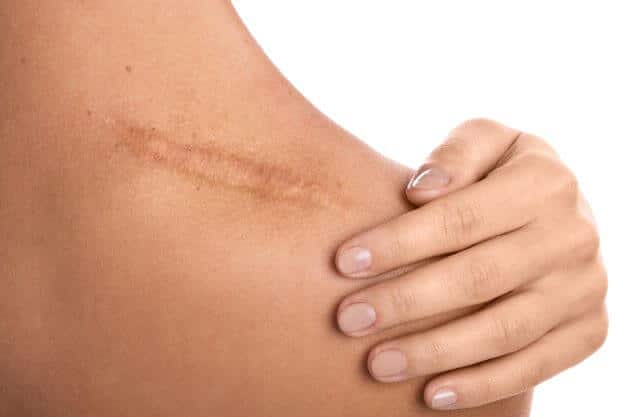
Scar revision surgery aims to improve the appearance of scars. It can make scars less noticeable. Many people seek this surgery for cosmetic reasons. Others need it to restore function or relieve discomfort.
Techniques Used
Laser Therapy
Laser therapy is a common method. It uses focused light for revision to reduce redness and smooth the skin. This technique is effective for small, shallow scars.
Surgical Removal
Surgical removal involves cutting out the scar tissue. The surgeon then stitches the skin back together. This method works well for larger, more prominent scars.
Tissue Expansion
Tissue expansion helps grow extra skin near the scar. A balloon-like device is placed under the skin. Over time, it stretches the skin to cover the scar area.
Factors Influencing Choice
Type of Scar
The type of scar affects which method is best. For example, keloid scars often respond well to laser therapy. Hypertrophic scars might need surgical removal.
Size of Scar
Larger scars usually require more invasive methods like surgical removal or tissue expansion. Smaller scars can often be treated with laser therapy.
Location of Scar
The location also plays a role in choosing a method. Scars on highly visible areas like the face may need more precise techniques. Scars on less visible areas might not require as detailed work.
Initial Recovery Steps
Rest and Healing
Rest is crucial after scar revision surgery. Patients should prioritize rest to reduce inflammation. This promotes faster healing. Avoid strenuous activities. These can stress the incision site.
Elevate the treated area if possible. This helps minimize swelling. Use pillows for support.
Post-Operative Dressing
Follow your surgeon's dressing instructions closely. Keep the sutured area dry for at least 24 hours. Moisture can lead to infection.
Change dressings as advised by your doctor. Clean hands before touching the wound. Use sterile materials only.
Avoiding Harmful Activities
Smoking delays healing significantly. Nicotine constricts blood vessels, reducing blood flow to the wound site. Quitting smoking, even temporarily, aids recovery.
Refrain from activities that stress the incision site. Heavy lifting and vigorous exercises should be avoided. These actions can cause complications or reopen the wound.
Monitor for Complications
Watch for signs of infection, such as redness or unusual discharge. Contact your doctor if you notice these symptoms.
Take prescribed medications as directed. Pain relief and antibiotics are often necessary during initial recovery.
Post-Op Care Guidelines
Cleaning Incision
Gently clean the incision if crusting occurs. Use hydrogen peroxide for this purpose. Apply it with a cotton swab. This helps remove any crusts without harming the wound. Avoid using harsh chemicals.
Do not scrub the area. Pat it dry with a clean towel. Ensure your hands are clean before touching the wound. These steps help prevent infection.
Sun Exposure
Avoid sun exposure on the scar. UV rays can darken scars and delay healing. If you need to go outside, cover the scar with clothing or a bandage.
Use sunscreen once your doctor allows it. Choose one with high SPF protection. Reapply as needed when outdoors.
Silicone-Based Gels
After complete healing, use silicone-based gels on scars. They improve appearance and texture of scars. Apply these gels as directed by your physician.
Silicone sheets are also effective. Wear them over the scar for several hours daily. Both gels and sheets help flatten raised scars and reduce redness.
Physician Approval
Do not put anything on the incision without physician approval. Using unapproved products can cause infections and complications.
Follow your doctor's instructions closely. They know what is best for your specific case.
Signs of Infection
Watch for signs of infection:
Redness
Swelling
Pus or discharge
Increased pain
Contact your doctor immediately if you notice any of these signs. Early treatment prevents further issues.
Diet and Nutrition After Surgery
Follow Instructions
Adhering to dietary instructions from your physician is crucial. These guidelines help minimize swelling and bruising. Doctors often recommend specific foods that aid in the healing process. Ignoring these instructions can slow recovery.
e common recommendations include avoiding salty foods. Salt can increase swelling. Consuming soft foods might also be advised. Soft foods are easier to digest and gentle on your body.
Stay Hydrated
Staying hydrated is essential for recovery. Aim to drink 8-10 glasses of water each day. Water helps flush out toxins from your body. It also keeps your skin hydrated, which promotes faster healing.
Dehydration can lead to complications. You may feel more fatigued or experience dry skin around the surgical area. Keeping a water bottle handy can remind you to drink regularly.
Vitamins and Minerals
Incorporating foods rich in vitamins and minerals is vital for wound healing. Vitamin C, found in citrus fruits, helps repair tissues and boosts immunity. Zinc, present in nuts and seeds, plays a key role in cell growth.
Leafy greens like spinach provide iron and other nutrients important for blood health. Protein-rich foods such as lean meats and legumes support tissue repair.
Avoid Harmful Foods
Certain foods can hinder the healing process. Avoid processed foods high in sugar and fat. These can cause inflammation, delaying recovery.
Alcohol should also be avoided during the initial recovery phase. Alcohol dehydrates the body and interferes with medications you may be taking post-surgery.
Sample Meal Plan
Here’s a sample meal plan:
Breakfast: Oatmeal with berries
Lunch: Grilled chicken salad with leafy greens
Snack: Carrot sticks with hummus
Dinner: Baked salmon with quinoa
Hydration: 8-10 glasses of water throughout the day
This plan includes a balance of proteins, vitamins, and minerals necessary for healing.
Activity Recommendations
Vehicle Operation
Patients should wait to operate vehicles until 24 hours after stopping pain medication. This ensures safety. Pain medication can impair judgment and reaction time. Driving too soon can lead to accidents. Always consult your doctor if unsure.
Returning to Work
Most patients can return to work within a week. Light duties are recommended initially. Avoid heavy lifting or strenuous tasks. Office jobs may resume sooner, often in 3-5 days. Listen to your body and follow medical advice.
Resuming Exercise
Exercise should be resumed gradually. Light activities like walking can start after a few days. Strenuous exercises must wait at least two weeks. Activities like running or weightlifting strain the incision site. Straining the incision delays healing and increases risk of complications.
Mobility Changes
Post-surgery mobility changes are common. Swelling and discomfort may limit movement initially. Gentle stretching helps maintain flexibility. Avoid anything that causes pain or discomfort. Full mobility usually returns within 4-6 weeks.
Daily Activities
Regular daily activities can often resume within a few days post-surgery. Showering is typically safe after 48 hours, but avoid soaking the incision in water for at least a week. Household chores should be light and non-strenuous at first.
Consultation Importance
Follow-up consultations are crucial for recovery monitoring. Doctors provide personalized instructions based on progress. Any unusual symptoms should be reported immediately. Regular check-ups ensure timely intervention if issues arise.
Monitoring Healing and Progress
Early Symptoms
Patients may experience swelling, discoloration, and mild bleeding in the first few weeks after scar revision surgery. These symptoms are normal and part of the healing process. Swelling usually peaks within the first 48 hours and gradually decreases over the next two weeks. Discoloration, such as bruising, often appears around the incision site. This should fade within a week or two.
Mild bleeding might occur initially but should stop within a few days. If bleeding persists or increases, contact your doctor immediately.
Infection Signs
It's crucial to monitor the incision site for signs of infection. Redness, warmth, increased pain, or pus can indicate an infection. Fever is another symptom to watch for. If any of these signs appear, seek medical attention promptly.
Keep the incision clean and dry to prevent infections. Follow your doctor’s instructions on how to care for the wound.
Scar Maturation
The healing process involves several stages. Initially, scars may look red or raised. Over time, they will flatten and fade. This process can take up to a year. Patience is essential during this period.
Scars go through three main phases:
Inflammatory Phase: Lasts up to two weeks.
Proliferative Phase: Can last several months.
Remodeling Phase: May take up to a year.
During these phases, collagen forms and remodels within the scar tissue.
Pain Management
Pain is common after surgery but should decrease over time. Over-the-counter medications like ibuprofen or acetaminophen can help manage discomfort. Your doctor may also prescribe stronger pain relief if needed.
Avoid strenuous activities that could strain the incision site. Following activity recommendations from your healthcare provider will aid in reducing pain levels.
Follow-Up Appointments
Regular follow-up appointments with your doctor are vital for monitoring progress. These visits allow your healthcare provider to assess how well you’re healing and address any concerns you might have.
Your doctor will check for proper alignment of scar tissue and ensure there are no complications like infections or abnormal scarring patterns.
Emotional Well-being
Healing isn't just physical; it’s emotional too. Patients might feel anxious about their appearance during recovery. Support from family and friends can be beneficial during this time.
Consider joining support groups where you can share experiences with others who have undergone similar procedures.
Long-Term Results and Expectations
Final Results
Patients should set realistic expectations for scar revision surgery. The final results may take up to a year to fully develop. While the appearance of scars improves, they cannot be completely removed. The goal is to make the scar less noticeable.
Optimal Results
Following care instructions is crucial for optimal results. Proper wound care and avoiding sun exposure help in healing. Over time, scars can change and improve with the right care.
Side Effects
e side effects may occur after surgery. These include redness, swelling, or itching. Most side effects are temporary and resolve within weeks or months.
Follow-Up Appointments
Follow-up appointments are essential for monitoring long-term success. Doctors assess the healing process and address any concerns. Regular check-ups ensure that patients achieve the best possible outcome.
Appearance Changes
Scars may continue to change over time. They can become flatter and lighter in color as they mature. Consistent follow-up helps track these changes effectively.
Emergency Situations and Handling
Signs of Infection
Post-surgery, it is crucial to monitor the surgery site for signs of infection. Increased pain, redness, or pus can indicate complications. Any swelling beyond the initial recovery period should raise concern. Fever may also accompany these symptoms. If any of these signs appear, immediate action is necessary.
Severe Symptoms
In severe cases, bleeding from the surgery site can occur. This requires urgent care. Persistent discomfort that does not improve with prescribed medications needs attention too. Contacting your surgeon is essential if you experience severe symptoms.
Steps to Take
Contact your surgeon: Reach out to your healthcare provider at the first sign of trouble.
Seek emergency care: If unable to reach your surgeon, go to the nearest emergency room.
Keep records handy: Have your medical history and surgery details available when seeking help.
Importance of Emergency Contacts
Having emergency contact information for your healthcare provider readily available is vital. This ensures quick access during critical moments. Store this information in an easily accessible place.
Preventive Care
Proper post-surgery care helps prevent emergencies. Keep the area clean and follow all aftercare instructions provided by your surgeon. Avoid strenuous activities that might strain the surgery site.
Alternatives to Surgery
Topical Treatments
Topical treatments are non-invasive options for managing scars. These include creams, gels, and silicone sheets. Silicone sheets can help flatten raised scars over time. Creams with ingredients like vitamin E or onion extract may reduce redness and improve texture.
These treatments are easy to use at home. They are often less expensive than surgery. However, they work best on newer or smaller scars. Results can vary depending on the scar's size and depth.
Injections
Injections can also help improve the appearance of scars. Steroid injections reduce inflammation and flatten raised scars. Collagen injections fill in depressed scars, making them less noticeable.
Injections are quick procedures done in a doctor's office. They usually require multiple sessions for the best results. The effects of collagen injections are temporary and need regular upkeep.
Laser Therapy
Laser therapy is another alternative to surgical procedures for scar revision. This method uses focused light beams to remove layers of skin around the scar tissue. It stimulates new skin growth and improves skin texture.
Laser therapy is effective for various types of scars, including acne scars and surgical incisions. It offers quicker recovery times compared to traditional surgery. However, it can be costly and may require several sessions for optimal results.
Dermabrasion
Dermabrasion involves using a rotating instrument to sand down the outer layers of skin. This technique smooths out uneven skin surfaces caused by scarring.
This procedure is performed by dermatologists or plastic surgeons. It can significantly improve deep scars but requires local anesthesia due to its intensity. Recovery time varies but generally takes about two weeks.
Benefits vs Limitations
Non-surgical alternatives offer several benefits over surgical procedures:
Less invasive
Lower cost
Shorter recovery time
Minimal risk of complications
However, these methods also have limitations:
May not be effective for severe or old scars
Often require multiple treatments
Results may take longer to appear
Consultation with a specialist will help determine the most suitable option based on individual needs.
Consultation Importance
It is crucial to consult with a dermatologist or plastic surgeon before deciding on any treatment plan. Specialists evaluate the scar's characteristics, such as size, depth, and location.
Final Remarks
Scar revision surgery recovery is a journey that demands patience and diligence. By understanding the procedure, following post-op care guidelines, and making mindful lifestyle choices, you can optimize your healing process. Keep a close eye on your progress and consult your surgeon if any issues arise.
Your commitment to following these steps will greatly influence your long-term results. Stay proactive in your care, and don't hesitate to explore alternatives if needed. If you found this guide helpful, share it with others who might benefit from it. For more expert advice and updates, subscribe to our newsletter!
Frequently Asked Questions
What is the typical recovery time for scar revision surgery?
Recovery usually takes 1-2 weeks for initial healing. Full results may take several months.
What are the first steps after scar revision surgery?
Rest, keep the area clean, and follow your surgeon’s instructions closely.
How should I care for my incision site post-surgery?
Clean gently, apply prescribed ointments, and avoid sun exposure.
What foods should I eat to aid recovery?
Eat protein-rich foods, fruits, and vegetables. Stay hydrated.
When can I resume normal activities after surgery?
Light activities can start in a few days. Avoid strenuous exercise for at least 4-6 weeks.
How do I monitor my healing progress?
Check for redness, swelling, or unusual discharge. Follow-up with your surgeon as scheduled.
Are there non-surgical alternatives to scar revision surgery?
Yes, options include laser therapy, chemical peels, and silicone gel sheets. Consult your doctor.