Here you can find the latest news and surgical articles.
19 March 2024
Scar Revision: Ultimate Guide to Effective Treatment Options
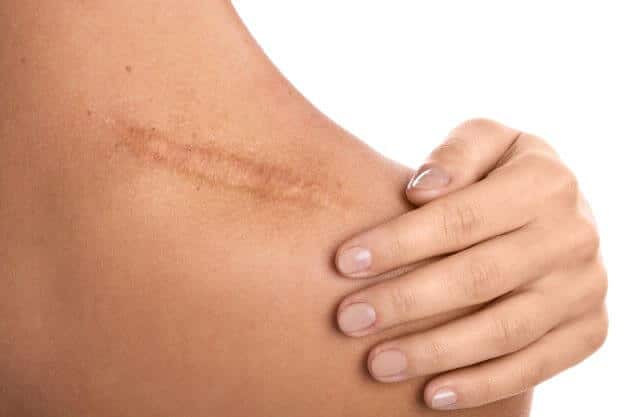
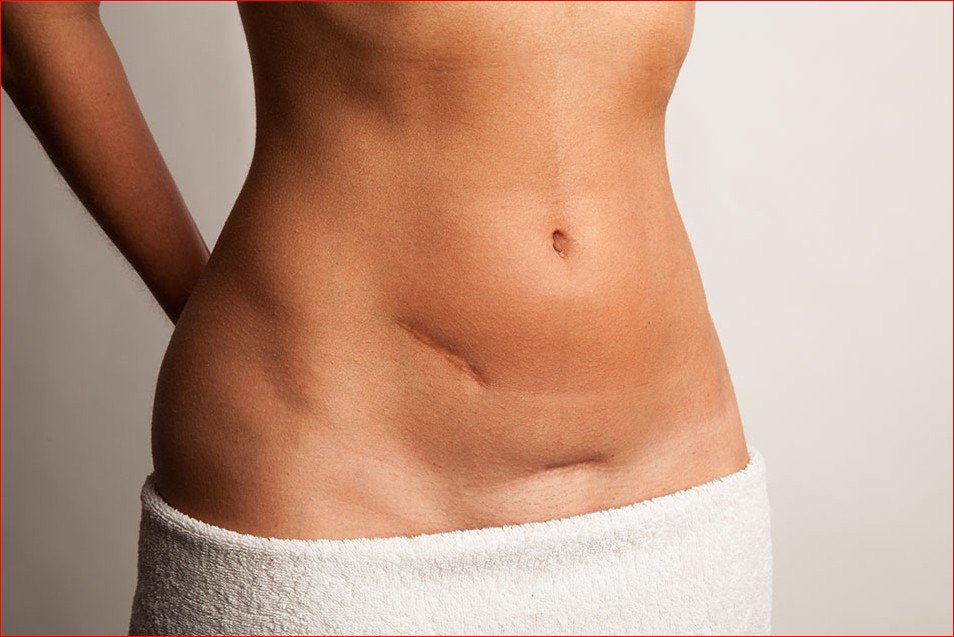
Ever wondered how you can make those stubborn scars fade away with healthy skin techniques, skin grafting, stitches, and topical treatments? Scar revision might be the answer you're searching for. This process isn't just about aesthetics; it's a journey towards reclaiming your skin and, by extension, a piece of yourself through stitches, topical treatments, and principles that may guide you. With advancements in dermatological treatments, including skin grafting and eds research published by Elsevier, scar revision has become more accessible and effective, offering hope to those who thought they'd have to live with their scars forever on their healthy skin. Whether it's from an accident, surgery, or acne, understanding how scar revision works could be the first step towards seeing your skin—and yourself—in a new light.
Understanding Scar Formation
Scar Origins
Scars are the body's way of repairing skin after an injury. The process begins when the skin is broken.
The body may form new collagen fibers to mend the damage, resulting in a scar, elsevier to skin grafting or chap. This tissue looks different from the surrounding area. It's part of our natural healing mechanism.
Tissue Damage
Different injuries cause various types of scars. The nature of the scar, as noted in Elsevier by Eds, depends on the wound's depth, size, and whether skin grafting or chap was involved.
Minor cuts might leave faint marks. Severe injuries can create more pronounced scars. Each type tells a story, as noted in eds and chap, of how deeply the skin was affected, which may be found in Elsevier.
Factors Influencing Scars
Several elements affect how scars develop. They include wound size, depth, and location.
Wounds on joints or areas that move often may form thicker scars. Deep or large wounds typically result in more noticeable scars. The face and hands tend to heal better due to rich blood supply.
Scar Revision Explained
Procedure Overview
Scar revision is a specialized procedure targeted at enhancing the appearance of scars. It involves various techniques, from minimally invasive treatments to more complex surgeries. The primary aim is to make the scar less noticeable and improve the skin's texture.
Scar revision may significantly reduce the visibility of scars, helping individuals regain confidence in their appearance," eds. Chap in Elsevier. It's an option for those who feel self-conscious about their scars or if the scar impairs function.
Goals and Expectations
Reducing scar visibility and restoring function are central goals of scar revision. Each treatment plan is tailored to meet the specific needs and expectations of the patient. The process not only focuses on cosmetic improvement but also on improving any discomfort or restrictions caused by the scar tissue.
Patients should have realistic expectations about the outcomes. Complete scar removal is rarely possible, but significant improvements in appearance and functionality are achievable.
Initial Consultation
The initial consultation is a critical step in the scar revision process. During this meeting, a specialist evaluates the scar's characteristics, such as size, depth, location, and eds. Additionally, they consider the chap and consult elsevier for further information. They will discuss potential treatment options, considering factors like healing time and desired results.
This conversation ensures that patients understand what to expect from the procedure. It also allows them to express their concerns and desires regarding their scars' appearance.
Types of Scars Overview
Keloid Scars
Keloids are thick, raised scars that grow beyond the wound's original boundaries. They often appear after injuries like cuts or burns but can also form following surgical incisions or piercings. These scars result from an overly aggressive healing process and are more common in people with darker skin tones.
Keloids can be itchy or painful and may require specialized treatments due to their persistent nature.
Hypertrophic Scars
Hypertrophic scars are similar to keloids in their raised appearance but stay within the injury site's limits. They typically arise from wounds that experience tension during the healing process, such as those on joints or areas where movement is frequent.
These types of scars may diminish over time without treatment but can benefit from interventions, eds chap Elsevier, aimed at speeding up this process.
Contracture Scars
Contracture scars occur after the skin has been burned. They cause the skin to tighten, which can impede movement around the affected area. This type of scar can go deeper, affecting muscles and nerves beneath the skin surface.
The formation of contracture scars highlights how different injuries lead to distinct scar types, necessitating tailored approaches for effective management.
Treatments for Keloid Scars
Steroid Injections
Steroid injections stand as a primary option. They reduce the size of keloids over time. Patients might need multiple sessions for optimal results.
Doctors often recommend starting treatment early. This prevents the keloid from growing larger and becoming more difficult to treat.
Laser Therapy
Laser therapy offers a non-invasive approach. It smoothens and lessens the scar's appearance. The process involves several treatments for full effect.
This method is particularly effective on newer scars. It highlights the importance of early intervention.
Surgical Removal
Surgical removal is an option for stubborn keloids. Surgeons carefully remove the scar tissue, aiming to minimize recurrence.
Post-surgery care is crucial. It includes applying pressure dressings or silicone sheets to discourage keloid formation.
Keloids can recur even after treatment. Thus, combining treatments with ongoing care is essential to manage this risk.
Managing Hypertrophic Scars
Silicone Sheets
Silicone sheets offer a non-invasive method to manage hypertrophic scars. They work by hydrating the scar, which helps in softening and flattening it over time.
Patients apply these sheets directly on the scarred area. They must wear them for several hours each day. Many see noticeable improvements within months. This method is effective for both new and old scars, making it a versatile option.
Pressure Therapy
Pressure therapy is another non-surgical approach. It's especially useful for large areas of hypertrophic scarring.
This method involves wearing tight garments over the affected area. It helps in reducing scar thickness by applying constant pressure. This encourages healthy tissue formation while minimizing the scar's appearance.
Corticosteroid Injections
Corticosteroid injections play a crucial role in managing hypertrophic scars. These injections help in reducing scar thickness and alleviating itchiness.
Doctors inject corticosteroids directly into the scar tissue. Patients usually need multiple sessions for optimal results. The treatment is known for its effectiveness in making scars less noticeable.
Surgical Removal
In severe cases, surgical removal of hypertrophic scars may be necessary. This option is considered when other treatments don't yield desired results.
Surgeons remove the scarred tissue carefully to prevent further damage to healthy skin. Immediate post-operative care is crucial to ensure proper healing and minimize the chances of recurrence.
Addressing Scar Contractures
Physical Therapy
Physical therapy plays a crucial role in managing scar contractures. These scars, due to their tightening effect on the skin, can severely limit movement.
Therapists often recommend stretching exercises. They help improve flexibility and range of motion. This is especially important in the early stages of contracture development.
Surgical Options
For severe cases where physical therapy isn't enough, surgery becomes necessary. Skin grafts and flap surgery are common procedures to address these issues.
Skin grafts involve taking skin from another part of the body to cover the contracted area. Flap surgery, on the other hand, uses tissue from a nearby location to ensure blood flow remains intact.
Both options aim to restore functionality and reduce the physical limitations caused by contractures.
Comprehensive Scar Treatment Methods
Combination Therapies
Combination therapies often yield better results in scar revision. For instance, laser treatments can improve the surface and texture of a scar. When used alongside steroid injections, they reduce the scar's appearance more effectively.
These approaches target different aspects of scarring. Lasers focus on the top layers, enhancing texture. Steroids help with inflammation and chap. Together, they address both the look and feel of scars.
Personalized Plans
Every scar is unique. Its location, size, and how it affects movement matter. Thus, treatment must be personalized.
Professionals assess these factors before suggesting a plan. They consider the body's principles of healing and function. This ensures that treatment not only improves appearance but also maintains or enhances movement where necessary.
Emerging Technologies
New techniques are changing scar revision. Fat grafting and regenerative medicine offer hope for difficult cases.
Fat grafting involves moving fat from one area to another on the body. This can help with scars that have lost tissue volume. Regenerative medicine uses advanced principles to encourage the body to heal itself more effectively.
These methods can be particularly useful after addressing scar contractures. They improve both function and appearance in ways traditional methods cannot.
Before undergoing scar revision, a thorough medical evaluation is necessary. This step ensures your safety and the success of the procedure. The surgeon will assess your health status, focusing on any conditions that could affect healing. They may request blood tests to check for issues that could complicate surgery or recovery.
Patients often undergo skin conditioning treatments before surgery. These treatments prepare the skin, making it more receptive to revision techniques like skin grafting.
Realistic Expectations
Discussing potential outcomes with your surgeon is crucial. They will provide insights based on their experience and data from sources like Eds Elsevier and studies by experts like Fowler and Shah PD. This conversation helps set realistic expectations about what scar revision can achieve. It's important to understand both the possibilities and the limitations.
Risks and side effects are part of this discussion. Knowing about them beforehand allows you to make an informed decision. It also prepares you mentally for the recovery process.
Post-operative Care
After surgery, following the surgeon’s instructions for wound care is essential for optimal healing. This includes managing the donor site, if skin grafting was part of your procedure, and ensuring proper care of stitches to avoid infection.
Regular follow-up visits allow your surgeon to monitor healing and address any concerns promptly. They can also adjust post-operative care as needed, ensuring the best possible outcome.
Summary
Navigating the world of scar revision requires understanding the various types of scars and the treatments available. Whether dealing with keloid, hypertrophic scars, or scar contractures, knowing your options empowers you to take control of your healing journey. Comprehensive treatment methods, including surgery preparation, play a crucial role in achieving the best possible outcomes. Your path to improved skin and confidence starts with informed decisions about your care.
Don't let scars hold you back. Explore scar revision techniques that can help restore your skin's appearance and boost your self-esteem. Remember, each journey is unique; seeking professional advice ensures personalized treatment plans tailored to your specific needs. Ready to take the next step? Reach out to a specialist today and begin your journey towards healing and recovery.
Frequently Asked Questions
What is scar revision?
Scar revision is a procedure aimed at improving the appearance of scars, making them less noticeable and more consistent with the surrounding skin.
How do scars form?
Scars form as part of the natural healing process after an injury, resulting from the overproduction or underproduction of collagen at the wound site.
What are the different types of scars?
There are several types of scars, including keloid, hypertrophic, and contracture scars, each with unique characteristics and treatment approaches.
Can keloid scars be treated effectively?
Yes, treatments for keloid scars include corticosteroid injections, laser therapy, and surgical removal to reduce their size and improve skin texture.
How can I manage hypertrophic scars?
Managing hypertrophic scars may involve silicone sheets, pressure therapy, steroid injections, or laser treatments to flatten and fade the scar over time.
What should I know about addressing scar contractures?
Addressing scar contractures often requires physical therapy and possibly surgery to release the tightened skin and improve movement and appearance.
How should I prepare for scar revision surgery?
Preparing for scar revision surgery typically involves following your surgeon's instructions on medication adjustments, smoking cessation, and avoiding certain foods or drinks to ensure optimal healing.