Here you can find the latest news and surgical articles.
18 November 2026
Showering Instructions Before Liposuction: What to Know and Do
Key Takeaways
Bring all of your showering supplies and take off your jewelry before you shower for easy, sterile prep and reduced infection risk.
A mild, fragrance-free antibacterial cleanser should be applied with clean hands and gently washed around planned incision sites to minimize skin bacteria without inciting irritation.
Rinse thoroughly with lukewarm water. Pat skin dry with a clean towel, no rubbing, no lotions, deodorants or perfume before surgery.
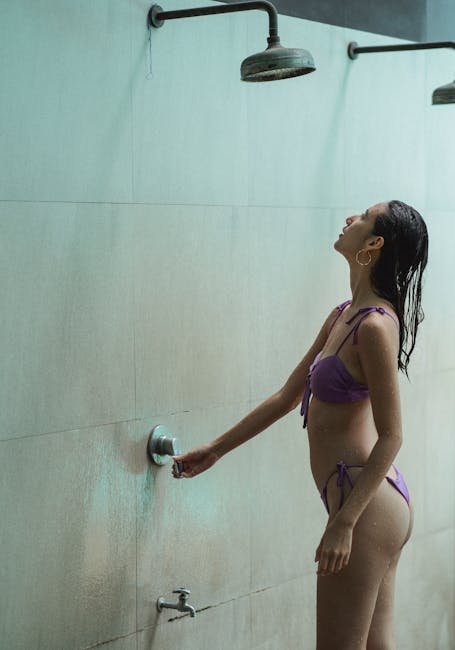
No hot water to cause vasodilation that can increase bleeding, swelling, and bruising. Use lukewarm water and refrain from strong water streams on surgical areas.
After surgery, follow your surgeon’s timeline. Use sponge baths initially, progress to brief lukewarm showers once cleared, and delay full soaks or hot tubs until wounds are fully healed.
Maintain cleanliness in your recovery space. Regularly switch out towels and sponges. Be vigilant for infection symptoms. Quickly reach out to your surgeon if you notice redness, discharge, or abnormal swelling.
Showering instructions before liposuction are what patients do to reduce infection risk and aid surgery. Directions typically are to shower with an antiseptic soap the night before and the morning of surgery, not use any lotions or creams and arrive to the clinic wearing loose, clean clothes. Your surgeon will provide specific timing and product recommendations based on your procedure and skin type. The body prepares with prep steps and typical surgeon advice.
Preparation Protocol
Before the shower steps, understand the purpose: reduce skin bacteria, avoid substances that raise bleeding or slow healing, and leave the skin bare for surgery. It is essential to verify your medications and fasting strategy with your physician, as well as organize rides and post-op help. Nicotine cessation at least 2 weeks prior to surgery is crucial for optimal healing. Follow blood thinners as directed and avoid alcohol for a few days to support your body's ability to heal effectively!
1. Clean Cleanser
Select a gentle, unscented antibacterial cleanser to support healing after the liposuction procedure. Seek out a preoperative kit or one without additional fragrance, colorants, and microbeads. Squeeze the cleanser into your clean hands to reduce surface bacteria transference. Rub the lather into the entire body, paying special attention around the intended incision sites. If your physician has prescribed an antiseptic wash, use it precisely as instructed and observe any timing guidelines for showering before arrival at the facility.
2. Scrub Body
Utilize soft, circular movements when you wash, focusing on folds of the skin, including areas like under the breasts and groin, where oils and sweat accumulate. Avoid scrubbing hard or using loofahs that can lead to complications, such as microtears. Ensure that surface dirt, makeup, deodorant, and oils are cleaned away, especially around the entry points of the liposuction procedure. If any irritation arises, cease and inform your physician prior to the operation.
3. Rinse Thoroughly
Rinse all soap and cleanser off with lukewarm water until there’s no slickness left. To support healing, direct water flow away from your face and future incision sites to reduce splashing and irritation. Make sure to check behind ears, under folds, and between toes to be sure no residue lingers. After the liposuction procedure, wash your hair in the same shower so it’s clean upon arrival and use cool to lukewarm water to prevent vasodilation.
4. Dry Cleanly
Pat dry with a clean, fresh towel (no rubbing) to support healing after your liposuction procedure. Ensure the skin is completely dry before dressing or wearing compression garments, as this helps reduce inflammation and wards off bacteria, laying the groundwork for any adhesive or dressing you may apply later.
5. Skip Topicals
Avoid using lotions, creams, or perfumes after showering to minimize infection and ensure proper healing. During the early postoperative period, it's crucial to follow your physician's advice regarding medications and hydration; aim for 8 glasses of water daily to support your body’s ability to heal and reduce inflammation.
Clinical Rationale
Preoperative skin antisepsis reduces the bacterial burden at the intended incision sites and promotes predictable surgical results. Appropriate showering prior to the liposuction procedure diminishes surface microbes, minimizes the risk of contamination during incision, and enhances the milieu for wound healing. These steps support healing by providing a cleaner field, which can reduce procedure time and intraoperative antiseptic use.
Infection Risk
Bacteria living on the skin can sneak into tiny cuts and cause local infection that can extend into deeper tissue. To reduce the risk of infection through the incision sites, eliminating oils, sweat, and surface flora with an antiseptic scrub prior to surgery is crucial. This practice helps minimize the number of organisms that might be forced inward during suctioning. Postoperative care is essential, as congenital infection can arise when wounds are exposed to contaminated water, making it vital to keep incisions dry and avoid taking a bath or swimming until fully healed. Poor hygiene significantly increases the likelihood of complications such as delayed wound closure and abscess formation, which may require antibiotic treatment. Patients should also monitor their recovery closely, watching for signs of infection and maintaining a symptom diary for their physician.
Smoking and nicotine exposure further elevate the risk of complications by compromising circulation and tissue oxygenation. Quitting nicotine at least two weeks before the surgery enhances the body's ability to heal and reduces the risk of infection. Additionally, patients are advised to minimize alcohol consumption in the days leading up to the procedure, as this helps maintain clotting and liver function within normal ranges, promoting a safer recovery process after the liposuction procedure.
Vasodilation Hazard
The heat of hot showers or baths can lead to complications such as increased blood flow, which poses risks during the early postoperative period following a liposuction procedure. Blood vessels widen and skin blood flow increases, raising the risk of bleeding during and after surgery. To support healing, it is crucial to stay away from hot water to keep swelling and bruising to a minimum, especially in the first two weeks after surgery. Both swelling and bruising tend to persist for 10 to 14 days and can be intensified by vasodilation. Patients are advised to shower with lukewarm water before and after surgery and avoid steam rooms or hot tubs until cleared by their physician. Pain and inflammation peak in the first three days, so resting for at least a week helps minimize strain on healing tissues and decreases risks that could compromise repair.
Recovery Timeline
Postoperative showering is staged to safeguard incisions, reduce infection risk, and promote healing after the liposuction procedure. Pain, inflammation, and bruising peak in the first three days and are moderate through the first three weeks, so water exposure should be gradual. It takes a minimum of 48 hours for incisions to close, and most plastic surgeons do not allow showers until they have confirmed closure and no drainage. Return to work is usually at two weeks, full exercise at six weeks, and final lipo results cosmetic settling occurs between six months and one year. Here are some realistic timelines and advice for typical baths.
Sponge Baths
Sponge baths are the safest option following surgery, especially in the early postoperative period when pain and swelling are at their worst.
Use fresh sponges or soft washcloths and lukewarm water to prevent temperature shock.
Concentrate on non-operated regions first and then lightly pat around incision edges without rubbing.
Don’t get your incision sites wet. Do not soak or scrub them.
Replace towels and sponges after each use, and wash in hot water to minimize the risk of bacteria.
Apply with a sponge using mild, fragrance-free soap. DO NOT pour over the wound.
If dressings are present, sponge along sides and care for the dressing as per surgeon instructions.
Quick Showers
Short, tepid showers are permitted as soon as the physician verifies that the incisions have closed and there is no active drainage, typically occurring 48 to 72 hours post-surgery. This varies based on individual recovery during the early postoperative period.
Checklist for safe showering: * Surgeon OK to confirm incisions closed and no drainage.
Wear compression garments for as long as directed, then take them off for showering.
Limit shower time to under 5 to 10 minutes and use lukewarm water.
Don’t direct the shower spray at incision lines; use a gentle flow or cup water.
Use light soap, lather with hand or mitt, and rinse gently with no hard scrubbing.
Pat dry with a clean towel and immediately reapply prescribed dressings or garments.
Gently pat dry; don’t rub, which can reopen fragile skin or dislodge scabs.
Watch areas post-shower for any increased redness or swelling or any new discharge.
Full Soaks
Refrain from immersion until wounds are completely healed. Immersion makes you more susceptible to infection and maceration.
Postpone baths, swimming, or full submersion for no less than three weeks after surgery. Numerous surgeons suggest waiting until scabs shed and skin integrity is renewed. Hot tubs, saunas, and hot stone spas pose increased infection and swelling risks and should be avoided for a minimum of one month. Prior to resuming long soaks, inspect for redness, warmth, swelling, or discharge. Any of these require medical evaluation. Even after three weeks, progress should be gradual. Start with short, shallow baths when cleared, rather than prolonged hot soaks.
Activity
Minimum Waiting Period
Sponge baths
Immediately, while incisions fresh
Quick showers
After 48–72 hours and surgeon clearance
Full baths/immersion
At least 3 weeks; wait until scabs fall off
Hot tubs/saunas
At least 1 month
Surgeon Perspectives
Surgeons consider preoperative showering to be an important measure in reducing infection risk and promoting healing after the liposuction procedure. If you’re going to strict hygiene protocols, that’s the thing. They have patients wash their face and hair with an antibacterial body wash that has benzalkonium in it before coming in. Most surgeons supplement this with a chlorhexidine full body wash 24 to 48 hours before the procedure to reduce skin flora at the incision sites. These are easy measures that reduce contamination risk during liposuction, ultimately supporting the body’s ability to heal.
Surgeons customize bathing and prep instructions to the extent of the proposed liposuction and the patient’s condition. A minor, localized procedure might require just one chlorhexidine wash the evening prior. Extensive liposuction across multiple areas or patients with diabetes or weakened immunity usually get stricter rules, including repeated washes, skin checks, and closer timing to the operation. When incisions will be near hairlines or the groin, surgeons provide instructions on how to wash those areas and sometimes will ask for hair to be trimmed beforehand to maintain a clean field.
Incision size, location, and expected healing speed dictate the post-op shower regimen. The majority of surgeons advise avoiding showers for a minimum of 48 hours post-surgery as wounds begin to seal. Where cuts are small and well sealed, a surgeon may allow a cautious, quick shower earlier, with gentle water pressure and steering clear of wounds. For higher risk sites or slow healers, surgeons stress no soaking in a tub, hot tub, or pool for a minimum of two weeks. They further advise patients to take quick showers to avoid becoming overheated and to pat dry rather than rub, especially during the early postoperative period.
Surgeons connect compliance with improved aesthetic results and reduced complications. Adhering to pre-op directives, such as quitting smoking two weeks before, abstaining from blood-thinning medication as directed, and avoiding alcohol, decreases bleeding risk and promotes proper healing. The morning of surgery, guidance typically involves bringing ID and necessary forms, avoiding jewelry or makeup, and having a designated adult for the ride home and immediate care. Surgeons recommend restricting activity and taking it easy for a minimum of 1 week post-op and being on the lookout for infections like fever, increased pain, or abnormal drainage, which can lead to complications.
Practical examples help patients comply. Schedule chlorhexidine showers morning and night for two days. Pack lightweight, front-opening clothing for the trip home. Set up a rest area with supplies within arm’s reach. Transparent, individualized guidance from the surgical staff helps make preparation and recovery more predictable and safer, ensuring optimal lipo results and a smooth healing process.
Postoperative Environment
Have a clean, sanitary home to return to, as this promotes wound healing from the liposuction procedure. Clear the clutter and dusty items from communal spaces, and wash down hard surfaces with a gentle disinfectant daily. To minimize exposure to germs, avoid visitors in the first week. Additionally, keep pets away from bedding and the recovery space, as fur and dander can harbor bacteria that increase the chance of wound irritation. Frequent hand washing is crucial for anyone assisting with dressings or meals during this time.
Ensure that you have immediate access to fresh towels, clean sheets, and wound care supplies. Keep sterile gauze, band-aids, alcohol wipes, and any prescribed dressings within arm’s reach of your bed or chair where you’ll be recuperating. After allowed washes, dry with clean, fresh towels; do not share bath towels for at least two weeks. Rotate bedding every few days and use breathable sheets to minimize moisture buildup. Have a mini trash can for bloody dressings and a box of trash bags for hygienic disposal.
Stay away from smoke, alcohol, and exertion in the early recovery phase. Smoking increases the risk of infection and inhibits blood flow to healing tissues. Alcohol disrupts hydration and can negatively interact with pain medications. Avoid heavy lifting, aerobic exercise, or anything that raises your heart rate for at least 1 to 2 weeks, or longer depending on your physician's recommendations. Light walking is encouraged to reduce the risk of clotting and promote circulation, but if you feel light-headed—common during the first week after anesthesia—sit down and rest.
Hydrate and consume a balanced diet rich in protein, greens, and healthy fats to support healing. Opt for lean proteins such as fish, poultry, legumes, and eggs to provide amino acids essential for collagen repair. Incorporate leafy greens, brightly colored vegetables, and fruits for immune-boosting vitamins and minerals. Healthy fats, like those found in avocados, olive oil, and nuts, aid in cell membrane repair. Drink plenty of water throughout the day, aiming for at least 8 glasses, as small sips can help reduce light-headedness and nausea.
Adhere to detailed washing instructions. Most patients should steer clear of heavily fragranced or active-ingredient body washes for the first 2 to 3 weeks to reduce irritation. Sponge or partial washes are usually permitted from day 1, avoiding the operative field. Most incisions close sufficiently to withstand brief water immersion at 48 hours, but always adhere to your surgeon’s timeline. Wash with chlorhexidine 4 percent antiseptic wash before and after surgery. You should anticipate bruising and swelling for a minimum of 10 to 14 days and expect a few days to a few weeks before feeling comfortable and resuming normal activity.
Common Pitfalls
Showering after liposuction appears straightforward, but minor mistakes can lead to serious delays. These are the top patient screw ups, why, where, and how.
An all-too-easy mistake is to not follow post-op instructions to the letter, which increases the risk of infection and delayed healing. Surgeons prescribe showering protocols—when, how, and what soaps to use—for a reason. Disregard them and water can seep to incision sites prematurely, or you can grind dressings loose. If a wound gets wet too soon, bacteria enter and healing stalls. Adhere to the precise schedule and instructions your surgeon provides. If you’re not sure, give the clinic a call before you take your shower.
Don’t soak or submerge wounds prematurely. Baths, hot tubs, swimming pools, and prolonged soaks expose you to more bacteria and may loosen sutures or glue. These locations hold water against the skin and prolong wetness. Wait until your surgeon clears you for full submersion. Take quick showers with lukewarm water and dry off with a fresh towel.
Avoid hot water, saunas, and baths prematurely. Heat dilates blood vessels which can exacerbate swelling and increase bleeding risk. Heat intensifies the pain in some individuals. Use cool to lukewarm showers, not hot, until swelling and bruising settle and your surgeon signs off on higher temperatures.
Steer clear of heavily fragranced or active-ingredient body washes for those first 2 to 3 weeks. Fragrance, exfoliants, salicylic acid, or benzoyl peroxide can aggravate healing skin and sabotage scars. Use a gentle, fragrance-free soap or the cleanser your provider suggests. Rinse well and do not scrub incisions.
Not factoring in the physical and emotional recovery process. Your recovery might be slower than you expect, and your daily activities might require assistance. Set up a network for errands, kid care, and emotional check-ins. No assistance may lead to strain, bad sleep, and dire results.
Bad communication with the surgeon causes unhappiness. Talk about realistic outcomes, constraints, and timelines prior to surgery. Request pictures of average results and obtain specific written post-op guidelines. Adhere to suggestions such as utilizing compression and relaxing. Failing to do so can delay your healing and impact your outcome.
Be wary of complications such as redness, excessive swelling, increasing pain, fever, or discharge. Act quickly and call your surgeon or seek care if these emerge. Mental health issues, anxiety, or depression while recovering are prevalent and should be treated with a provider.
Common pitfalls and how to avoid them: * Overlooking post-op rules leads to adhering to written surgeon instructions precisely.
Premature soaking means no baths or pools until cleared.
Hot water/saunas require opting for lukewarm showers.
Fragranced/active soaps call for mild, unscented cleansers for 2 to 3 weeks.
No support structure indicates lining up assistance ahead of time.
Bad communication results in setting expectations and post-op steps with the surgeon.
Jumping compression/limits involves wearing clothes and avoiding strain.
Mental health neglected means getting treatment for anxiety or depression.
Conclusion
Please shower the day prior to your liposuction with soap and water. Cleanse the treatment site mildly. Dress in clean clothes post-shower. On surgery day, abide by your surgeon’s command of whether or not to shower. Please use a mild, unscented soap and no creams or oils on your skin. For home, lay out loose fitting clothes, any surgical garments, and clean towels. In the clinic, staff will inspect your skin and direct any final actions. Clean skin reduces the chance of infection and aids dressings to adhere. Small habits make a big difference: trim long nails, skip makeup, and remove jewelry. If you’re unsure, call your surgeon. Schedule a prompt check-up if your skin presents rash, sores, or redness prior to surgery.
Frequently Asked Questions
Do I need to shower before liposuction, and why?
Showering eliminates surface bacteria and oil, decreasing the risk for infection and supporting the healing process during the liposuction procedure.
When should I take my preoperative shower?
Shower the night before and once again the morning of surgery unless your clinic instructs otherwise, as proper hygiene supports healing and reduces the risk of infection through the incision sites.
What soap should I use for the pre-op shower?
Be sure to use an antibacterial or chlorhexidine wash if your clinic suggests it. Additionally, following the liposuction procedure, it's important to minimize skin bacteria by using a mild, fragrance-free antibacterial soap.
Should I shave the surgical area before liposuction?
No. Please DO NOT SHAVE. The surgical team will shave as necessary. Shaving can cause minor nicks, leading to complications and increasing the risk of infection through the incision sites.
Can I use moisturizers, deodorant, or makeup before surgery?
On surgery day, it's essential to skip moisturizers, deodorant, makeup, and perfumes, as these can interfere with the liposuction procedure's sterile prep and monitoring devices.
What about wounds or skin conditions in the treatment area?
Inform your physician about any rashes, boils, or wounds, as these can lead to complications and may necessitate delaying the liposuction procedure until the area is healed.
How strict are the showering rules for recovery after liposuction?
Adhere to your physician's post-op showering guidelines strictly, as taking a bath too early may lead to complications and affect your body's ability to heal.