Here you can find the latest news and surgical articles.
22 October 2026
Surgical vs Non-Surgical Body Contouring: Effectiveness, Recovery, and How to Choose
Key Takeaways
Surgical contouring cuts away or rearranges fat and skin through incisions and anesthesia, providing more dramatic, typically permanent reshaping when weight is stable. Keep this in mind if you require significant alteration or have redundant skin.
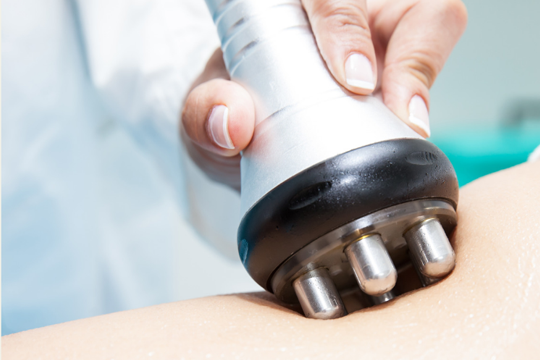
Nonsurgical contouring uses devices such as cryolipolysis, lasers, ultrasound, or radiofrequency to destroy small fat pockets and slowly tighten skin with minimal downtime and multiple treatments.
Recovery and risk vary greatly, so balance longer surgical downtime, wound care, and greater complication risk against the faster resumption of activity and typically milder side effects of nonsurgical alternatives.
Candidate suitability is based on anatomy and goals, so prioritize skin quality, fat amount, overall health, and realistic expectations when selecting surgery, nonsurgical, or a hybrid approach.
Costs differ with surgery having larger upfront costs and nonsurgical treatments potentially needing repeat visits. Weigh overall anticipated costs, facility and anesthesia fees, and provider experience before choosing.
Talk options over with a good clinician who will evaluate anatomy, medical contraindications, and goals and then suggest evidence-based personalized treatment and any follow-up or maintenance steps.
Surgical versus nonsurgical contouring means contouring through surgery or noninvasive procedures. Surgical contouring employs incisions and tissue removal for permanent transformation, whereas nonsurgical methods utilize injections, energy-based devices, or threads to diminish fat or tighten skin with minimal to no recovery period. The decision is based on aims, wellness, convalescence, and price. Below we break down results, risks, and typical candidates to help you make an informed decision.
Core Differences
Surgical and nonsurgical contouring vary in intent, procedure, and real-world consequences. Surgical procedures like liposuction, abdominoplasty, and facelift use incisions, anesthesia, and direct excision or repositioning of fat, skin, and sometimes muscle. Nonsurgical techniques such as cryolipolysis (CoolSculpting), controlled laser lipolysis (SculpSure), focused ultrasound, and radiofrequency skin tightening employ external energy to harm fat cells without incising the skin. Surgical care generally occurs in an operating room with a surgical team and anesthesia, while nonsurgical treatments are performed in outpatient clinics and use local measures with minimal preparation.
1. Mechanism
Surgical contouring literally excises or rearranges tissue. Surgeons employ cannulas, scalpels, sutures and sometimes internal drains to manipulate volume and shape. That direct modification enables concurrent tightening of both deeper tissues and skin redraping, which is why a tummy tuck can remove loose skin and tighten abdominal muscles.
Nonsurgical lipolysis dissolves fat cells with heat, cold, sound, or radio waves. Cryolipolysis freezes fat cells to induce slow apoptosis. Core Differences Laser and ultrasound heat tissue to injure fat cells, which the body removes over weeks. Most nonsurgical methods primarily target subcutaneous fat. They do not mend or shift muscle or loose skin.
Surgical work requires a sterile surgical environment and anesthesia options ranging from local with sedation to general anesthesia. Nonsurgical treatments typically need nothing more than a clinic room and quick pre-treatment checks.
2. Results
Surgical effects are more immediate and frequently dramatic once swelling subsides. One liposuction or tuck can recontour an area and extract huge amounts of fat or saggy skin.
Nonsurgical results emerge over weeks to months and typically require 2 to 6 sessions to achieve maximum impact. Each session can trim fat in a targeted area by around 20%. Ideal candidates have nice skin elasticity and small fat pockets.
Surgical approach suits those requiring a dramatic shift or skin removal. Non-surgical suits those seeking subtle, slow shaping.
3. Downtime
Surgery brings longer recovery: days to weeks out of normal action, with swelling, bruising, pain, compression garments, wound care, and follow-up visits. A few require drains and a few post-op checks.
Non-surgical treatments come with very little downtime. The vast majority of patients are back to normal within a day. Side effects are fewer and follow-up is minimal.
4. Longevity
Fat removed surgically is removed longterm if weight remains stable, so results can be permanent. Non-surgical results can last months to years, though frequent maintenance treatments are required and they are susceptible to weight change.
5. Cost
Surgery costs more up front, often $2,000 to $20,000 or more depending on the procedure and facility. Nonsurgical sessions run around $600 to $4,000 apiece. Multiple sessions increase total spend. Insurance seldom covers aesthetic contouring.
Patient Suitability
Patient suitability can determine whether surgical or nonsurgical contouring will achieve goals with reasonable risk. We start by evaluating your medical history, current health, anatomy, and realistic expectations. Suitability has to take into consideration things like weight stability, skin quality, implants, and lifestyle. A checklist like this makes it clear to both the clinician and patient which path is appropriate.
Anatomy
Personal anatomy determines how well each technique will work. Skin quality, including elasticity and thickness, affects how well skin retracts after fat removal. Poor elasticity often means surgery is needed to remove excess skin. Fat distribution matters. Broad, diffuse fat responds less well to localized nonsurgical methods that target pinchable pockets. Muscle tone and core integrity matter too. Abdominal separation, known as diastasis recti, and a lot of deflated tissue dropping need to be repaired surgically for any significant change.
Surgery gets at deeper anatomical issues. Think abdominoplasty to address excess skin and muscle separation, or lower body lift to bring tissues back up into position following massive weight loss. These surgeries contour not only soft tissue but the underlying support structures as well, so they’re best for individuals with significant-volume fat and lax skin.
Patient suitability Nonsurgical treatments are constrained by anatomy. Techniques such as cryolipolysis or injectable fat-dissolving agents are best suited for targeting small, localized areas of fat that you can literally pinch. They depend on good skin tone to not sag after fat loss. If you have significant laxity or a significant amount of loose tissue, nonsurgical approaches will leave you with excess skin and contour deformities.
Checklist of anatomical factors:
Skin elasticity: good / fair / poor
Fat type: pinchable focal vs diffuse
Muscle integrity: intact vs separated
Prior scars or implants: present/absent
Degree of tissue descent: minimal/moderate/marked
Expectations
Surgical contouring provides more dramatic and immediate shape change but brings with it scars, increased downtime, and greater risk. Usual results are evident post-healing and may be enduring with weight stability. Recovery examples include that abdominoplasty may require four to six weeks before return to moderate activity. Bruising and swelling can last months.
Nonsurgical treatments offer subtle, progressive enhancements over weeks to months with many requiring repeat treatments. They suit near-goal weight patients wanting modest losses. Cryolipolysis can reduce treated fat by twenty to twenty-five percent per session. Radiofrequency tightens skin but cannot eliminate major folds. Drawbacks are that it is less predictable and the effect size is modest.
Both require stable weight, good nutrition, and consistent exercise to maintain results. Contraindications for nonsurgical options consist of pregnancy, lactation, active infection, uncontrolled chronic disease, severe skin laxity, cold-sensitivity disorders, such as Raynaud’s, and implanted electronic or metal devices. A comprehensive history, medication list, and allergy panel are crucial. Bullet out likely results and boundaries for consent and alignment.
Clinical Risks
Surgical and nonsurgical contouring feature unique risk profiles dictated by invasiveness, anesthesia, and technique. Surgical options typically have higher immediate procedural risks and longer recovery. Nonsurgical methods tend to create less intense, briefer impacts but are not devoid of infrequent, grave consequences. Pre-treatment screening of medical history, medications, allergies, smoking, skin condition, recent tanning, pacemakers, and cold urticaria is necessary to minimize damage.
Complications
Surgical risks are hematoma, seroma, wound infection, poor wound healing, visible scarring, asymmetry, and the possibility of revision surgery. Hematoma can send you back to the OR to evacuate the clot. Seroma can require repeated drainage or drain placement. Scarring and contour irregularities occasionally only become apparent during healing and may need secondary procedures to address.
Nonsurgical complications are typically mild and transient. These include redness, swelling, bruising, tingling, numbness, and mild soreness that resolves in days to weeks. Paradoxical adipose hyperplasia after cryolipolysis, thermal burns after energy-based devices, persistent nodules, and prolonged numbness are rare complications. These unusual sequelae demand rapid diagnosis and expert treatment, with paradoxical adipose hyperplasia frequently necessitating surgery.
Shoddy technique or unqualified providers increase the complication risks for both kinds. For surgery, substandard aseptic technique, inappropriate flap management, or insufficient hemostasis enhance infection and hemorrhage. For non-surgical treatments, incorrect energy levels or probe positioning can lead to burns or poor fat reduction. Severity and rates differ depending on the procedure and the expertise of the operator. FDA-cleared noninvasive devices have a low incidence of serious events compared with operative risks, and operator training remains critical.
Complication Type
Surgical (rate & severity)
Nonsurgical (rate & severity)
Hematoma/Seroma
Moderate rate; may need OR/aspiration
Rare
Infection
Low-to-moderate; can be serious
Very rare
Scarring
Common; often permanent
Minimal
Asymmetry
Moderate; often needs revision
Low-to-moderate; may be subtle
Numbness
Common; often temporary
Common; usually resolves
Burns/Paradoxical Growth
Rare
Very rare but reported
Contraindications
Uncontrolled diabetes, bleeding problems, severe obesity, active infection and unstable cardiovascular disease typically preclude safe surgery. Severe malnutrition or poor wound-healing history increase operative risk and may cause surgeons to refuse treatment.
For nonsurgical treatments, pregnancy, breastfeeding, certain skin conditions (active dermatitis, open wounds), implanted electronic devices or metal in the treatment zone, Raynaud’s or cold sensitivity, and recent tanning may be contraindications. Pacemakers and cold urticaria need to be flagged at screening.
Bad skin elasticity, expectations, or a body-mass distribution that needs to be excised, not defatted, can eliminate candidates from nonsurgical paths. Absolute contraindications include active infection, pregnancy, and implanted incompatible devices. Relative contraindications include controlled chronic illness, prior scars in the field, and severe skin laxity.
Absolute surgical contraindications include uncontrolled medical disease, active infection, and severe coagulopathy.
Absolute nonsurgical contraindications include pregnancy, incompatible implanted devices, and active skin infection.
Relative nonsurgical contraindications include recent tanning, mild cold sensitivity, and anticoagulant therapy.
Hybrid Strategies
Hybrid strategies merge surgical and nonsurgical to achieve what neither can do alone. When targeted fat removal is combined with techniques to tighten skin, regenerate collagen, or contour refine, clinicians can customize protocols to location on the body, quality of tissue, and patient expectations.
Pairing liposuction with energy-based skin tightening is a popular hybrid. Liposuction eliminates bulk fat, then RF or laser-directed lipolysis is administered to the site to contract the dermal and subdermal tissue and encourage neocollagenesis. This double whammy approach assists in the area where skin laxity would otherwise dull the aesthetic benefit of liposuction. For example, for the face, surgeons might do some facial sculpting followed by dermal filler to replace volume or smooth lines. Structure and surface are done in tandem.
Other blends are cryolipolysis followed by RF or ultrasound. Cryolipolysis attacks adipocytes with cold to thin fat, and RF or focused ultrasound addresses tissue tightening and deeper collagen remodeling. Research indicates hybrid protocols can enhance results. Others demonstrate about a 20 to 30 percent decrease in fat thickness per cycle when modalities are hybridized compared to solo usage. RF and ultrasound could be a synergistic combination that enhances fat cell apoptosis while inducing new collagen and elastin production.
Hybrid strategies come in most handy when one modality would be insufficient. For submental fullness, you can either go with liposuction for targeted fat removal combined with injectable deoxycholic acid to break down minor pockets, or a hybrid of cryolipolysis and RF to reduce fat and tighten the skin. For the abdomen after modest weight loss, liposuction with adjunctive laser lipolysis can help smooth out irregularities and get skin to retract more reliably than liposuction alone.
Practical workflow usually involves staging: an operative session followed by office-based energy treatments, or alternating noninvasive sessions over weeks. Standard treatments are two to four treatments for noninvasive components, spaced as per device protocols. Anticipate transient side effects such as redness, swelling, and bruising. Transient discomfort is more prevalent when devices and injections are paired. Meticulous patient selection and defined goal-setting are crucial, as hybrid approaches can increase price and healing time compared to individual interventions.
Hybrid work addresses limitations of either method alone. Energy devices provide tightening and subtle toning in areas where nonsurgical approaches alone contour poorly, and surgery removes fat volume that devices can’t effectively treat. A customized hybrid strategy provides a fuller contour outcome for those patients desiring proportionate transformations rather than one-dimensional solutions.
Persistent Myths
Body contouring spans from surgical liposuction and tummy tucks to nonsurgical cryolipolysis, radiofrequency, and injectable fat-dissolvers. Specific truths guide readers toward options that align with their objectives, schedules, and appetite for risk.
Surgical means just weight loss. Surgical body contouring is a weight-loss tool as well, right? Not at all. Procedures like liposuction, abdominoplasty, or body lifts remove fat and excess skin to reshape and tighten tissues once weight is stabilized. Surgeons usually advise getting to a healthy, stable weight initially. For individuals losing significant weight after bariatric surgery, body contouring addresses loose skin and shape that diet and exercise can’t. As much as it pains me, for a near target weight person who just wants a flatter stomach, liposuction or a mini-tuck may reshape the area better than additional dieting.
Nonsurgical fat-reduction remains hot, but it’s not a one-for-one trade with liposuction at larger volumes. Fat-freezing or heat-based devices melt fat, which diminishes small fat bulges, usually 20 to 30 percent per treated area, in weeks to months. For high-volume removal or dramatic reshaping, surgical removal is still more predictable and immediate. A patient wanting a major change in abdomen contour will likely need surgery; someone targeting a stubborn 2 to 3 centimeter bulge in the flank might do well with a nonsurgical session.
Nonsurgical is safe and for everybody. Nonsurgical alternatives are frequently promoted as minimal risk, yet they have side effects and limitations. Risks and side effects encompass burns, patchy fat loss, nerve irritation, persistent swelling, and paradoxical adipose hyperplasia, which is an uncommon growth after cooling. Not every physique or medical history qualifies. Consultation and reasonable expectations are a must. Several sessions might be required and it takes weeks to months to see results.
Common myths and facts
Myth: Results are immediate. Fact: Visible change often appears after several weeks, up to months, as inflammation subsides and tissues remodel.
Myth: One session is enough. Fact: Many treatments require repeat sessions and periodic maintenance.
Myth: Results are permanent. Fact: Fat cell removal can be long-lasting, but aging and weight changes can alter contour over the years.
Myth: Only for people with big weight loss. Fact: Good candidates include anyone near ideal weight seeking shape refinement.
Myth: Only for women. Fact: Men seek contouring for chest, abdomen, and flanks.
Myth: A replacement for healthy living. Fact: Contouring complements diet and exercise. It does not substitute for them.
Myth: All contouring is painful. Fact: Many nonsurgical treatments cause little pain. Surgical procedures involve predictable recovery.
Clinical Perspective
Choosing surgical versus nonsurgical contouring starts with a direct goal articulation and a meticulous anatomy check. Surgeons consider sought permanence, extent of transformation and tolerance for downtime. For patients desiring small to moderate reshaping, such as smoothing dents or adding modest volume or trimming localized fat, clinicians will typically counsel nonsurgical options initially. For those who desire substantial, enduring change, including high volume, structural support, or neck and jaw lifting, surgical options like implants, liposuction or facelifts are typically recommended.
Veteran plastic surgeons emphasize customized scheduling. Determine skin quality, fat distribution, muscle tone, prior surgeries and medical history. Imaging and measurements can help set realistic expectations. For instance, a patient with good skin elasticity and minimal fat pockets might achieve a 5 to 25 percent fat reduction per session using noninvasive devices, while a patient with lax skin would require excisional surgery to prevent sagging after fat loss. A treatment plan often blends approaches: targeted liposuction plus skin tightening or fillers to refine borders.
Clinical Perspective About practice trends with steady growth in minimally invasive Clinical Perspective. Incorporated into demand for less recovery and fewer clinic days, interest in device-based fat reduction, energy-assisted skin tightening, and filler-based contouring. Biostimulatory fillers, such as poly-L-lactic acid and calcium hydroxylapatite, occupy the middle ground between short-lasting hyaluronic acid and permanent implants. They provide volume and collagen stimulation over months and are great for patients who want subtle, natural-looking change without surgery. Non-surgical fillers are less expensive on a per-session basis but require repeat treatments every 9 to 14 months and can begin to approach or outpace a one-time surgical augmentation in cumulative value over five to ten years.
Clinical and dermatological literature supports far-infrared (FIR) therapy as an adjunct. It may improve microcirculation, boost collagen and elastin activity, and help manage cellulite and tissue congestion. FIR is not an isolated solution for significant contour defects, yet it can aid recuperation and skin health post-treatment. The device’s efficacy differs from platform to platform, with practitioners utilizing the company’s peer-reviewed trial data to determine the optimal treatment settings and protocols. Fat reduction results are based on technology, treated area, and sessions.
Practical counseling addresses risks, downtime, and maintenance. Non-surgical avenues imply less acute danger and more rapid resumption of labor, necessitating repeated appointments and can produce marginal outcomes. Surgical options have greater immediate risk and downtime but offer permanence. Facelifts tend to last 7 to 10 or more years, and implants are permanent. Shared decision-making, cost projection, and staged plans assist patients in weighing short-term convenience against long-term goals.
Conclusion
We see that surgical versus nonsurgical contouring both have distinct parts to play. Surgery provides bigger, more permanent shape transformation and is optimal for patients with excess skin or significant fat volume. Nonsurgical care provides mild to moderate transformation, less recovery, and lower immediate risk. Hybrid routes combine the two to target hard-to-shift areas and reduce downtime.
Decide based on objectives, wellness, price and appetite for risk. Inquire about scarring, recovery days and follow-up visits. Verify provider training, before and after photos and patient reviews for your specific issue. If you’re unsure, choose a small, reversible step first. Chat with a licensed clinician who can outline a clear course and establish realistic expectations.
Book a consult to receive a customized plan and next steps.
Frequently Asked Questions
What is the main difference between surgical and nonsurgical contouring?
Surgical contouring reshapes anatomy through fat extraction and tissue tightening utilizing surgeries. Surgical versus nonsurgical contouring Surgery provides more significant, permanent alterations. Nonsurgical is less invasive with quicker recuperation.
Who is a better candidate for surgical contouring?
Ideal candidates are those who require substantial shape alteration or who have lax skin. They are otherwise healthy, have reasonable expectations, and can afford to have some downtime. Once a surgeon deems you a good candidate,
Who benefits most from nonsurgical contouring?
Nonsurgical contouring is ideal for patients with mild to moderate concerns who want limited downtime or may have medical risks for surgery. They are best for small pockets of fat, early skin sag, or in between touchups.
What are the common risks for each approach?
Surgical risks encompass infection, bleeding, scarring, and anesthesia complications. On the nonsurgical side, risks include swelling, bruising, temporary numbness, or uneven results. Risk severity and recovery time sharply contrast.
Can I combine surgical and nonsurgical treatments?
Yes. Hybrid approaches will often combine surgery with nonsurgical techniques to further sculpt the outcome, address lingering unevenness, or facilitate healing. A skilled clinician will formulate a customized plan.
How long do results last for each method?
Surgical outcomes tend to be long-term if weight and lifestyle remain stable. Nonsurgical results differ and sometimes require repeat sessions every month to a couple of years. Longevity is technique and patient dependent.
How do I choose a qualified provider?
Opt for board-certified experts with experience, before-and-afters, and reviews. Inquire about training, complication rates, and follow-up care. Consult for realistic results.