Here you can find the latest news and surgical articles.
11 November 2026
Am I a Candidate for Upper Arm Liposuction: Who Qualifies and Why
Key Takeaways
Perfect candidates have localized upper arm fat, good skin elasticity, and a stable weight to get the best liposuction results. Consider an arm lift if you have a lot of sagging or excess skin.
Evaluate skin elasticity and true laxity cautiously since poor elasticity or true skin laxity typically necessitates skin removal rather than fat removal.
Ensure you are at a stable weight and are otherwise healthy, not smoking and free of chronic illnesses to minimize complications and promote healing.
Evaluate fat distribution and underlying muscle volume to set realistic expectations for post-procedure contour and possible limits of improvement.
Know typical surgical risks, recovery benchmarks, scarring likelihood and the potential for revision or alternatives like arm lift surgery or noninvasive options.
Choose a board-certified plastic surgeon with experience, browse before-and-after pictures, and consult a checklist during your consultation to ensure you’re making a smart choice.
Upper arm liposuction candidacy refers to whether a person is a suitable candidate for fat removal from the upper arms. Candidacy depends on skin quality, fat distribution, health, and realistic objectives. The best candidates have localized fat pockets, good skin tone, and are at a stable weight. Medical issues, smoking, or poor skin elasticity can alter options. The bulk details evaluation stages, experiments, and substitute therapies for various profiles.
Procedure Overview
Upper arm liposuction is a cosmetic procedure that specifically targets fat deposits in the upper arms. The primary goal of this procedure is to achieve a more defined, sculpted arm line without increasing muscle mass. This procedure focuses on localized fat pockets that resist reduction through diet or exercise. In contrast, arm lift surgery is designed for those looking to remove excess skin and fat, often involving more aggressive tightening techniques to enhance the overall appearance of their upper arms.
The procedure begins with the surgeon marking the treatment area with the patient standing to outline points of fat deposit and symmetry. Local or general anesthesia is administered as scheduled. Tumescent fluid is injected into the marked areas to loosen fat cells, minimize blood loss, and act as a local anesthetic. This solution makes fat extraction simpler and more secure when the surgeon inserts a tiny cannula and moves it in a controlled to-and-fro motion to suction fat.
The majority of patients are discharged on the day of their procedure. Swelling and mild soreness are typical post procedure. A compression garment is fitted right after to support the new contour and decrease swelling. Patients should wear the garment as the surgeon instructs, usually for a few weeks, assisting the skin to adjust to its new diminished volume. Stitches, if applicable, either dissolve on their own or are removed one to two weeks later based on technique.
Recovery is structured in phases. Light arm exercises are typically allowed after a few days to alleviate stiffness and promote circulation. Patients can usually resume regular activities within one to two weeks. However, heavy lifting, vigorous exercise, or any intense arm work should be avoided for at least four weeks or until the surgeon gives clearance. This careful approach minimizes the risk of complications, such as bleeding, prolonged swelling, or contour irregularities.
As healing progresses, patients will notice continued resolution of swelling and an increase in contour definition. The final results of the surgery become apparent as swelling subsides, typically between three to six months post-operation. During this time, the arms gradually settle into their new shape, and slight asymmetries may even out. Patients with good skin elasticity tend to experience superior tightening after the fat is removed, while those with a significant amount of lax skin may be better suited as ideal candidates for arm lift surgery to achieve optimal results.
For instance, a patient with localized inner-arm fat despite regular strength training may be a suitable candidate for liposuction alone. Conversely, someone who has experienced massive weight loss and has loose, hanging skin might require a combination of liposuction and skin excision. Clear communication with your certified plastic surgeon to determine your goals, realistic outcomes, and expected downtime is crucial in making an informed decision about undergoing arm lift surgery or liposuction.
Ideal Candidate Profile
Upper arm liposuction is very best for individuals whose issue is localized fat, as opposed to excess skin and fat. Ideal candidates typically have good skin elasticity, are near their ideal weight, and are in good overall health. A certified plastic surgeon can determine the extent of the issue before suggesting arm lift surgery.
1. Skin Elasticity
Tight, flexible skin allows the arm to contract evenly after fat extraction, resulting in a natural shape, which is especially important for candidates considering arm lift surgery. Bad elasticity increases the chances of residual sagging or crepey looking skin once volume is lost, making it crucial for ideal candidates to assess their skin's quality. Test elasticity by pinching and releasing the skin to observe how quickly it recoils, and record the results as you do for photos at rest and with the arm raised. Younger adults, typically in their 20s and 30s, tend to demonstrate improved recoil and can often depend on liposuction alone. Older adults may still be optimal candidates for arm lift surgery if skin quality is good; otherwise, budget for combined procedures.
2. Fat Distribution
Liposuction works best when excess fat is localized to the posterior or inner upper arm. For those considering arm lift surgery, if fat pockets are separated, sculpting becomes simple and reliable. However, when fat is spread out or blends into other areas more fluidly, like the torso or upper arm running into the forearm or back, patients may need to explore wider treatment options or staged procedures. Those with primarily loose skin and minimal subcutaneous fat often find themselves as ideal candidates for arm lift surgery, as this procedure effectively addresses the appearance of their upper arms by removing excess skin and fat. Proper documentation of fat patterns with markings and photography aids in making an informed decision.
3. Weight Stability
Candidates for arm lift surgery should ideally be within 30% of their ideal weight and stable for at least six months. Maintaining a steady weight is crucial for achieving long-lasting results of the surgery. Significant fluctuations in weight, especially after major weight loss, can lead to loose, excess skin and increase the risk of complications. Patients should document recent weight changes and their weight history over the past year to ensure they are informed candidates for arm lift surgery.
4. Overall Health
Being in good general health reduces surgical risk and promotes healing, making it essential for ideal candidates considering arm lift surgery. Individuals with uncontrolled chronic diseases, such as significant heart or lung issues, should be excluded. Additionally, smoking inhibits wound healing; thus, candidates must have quit several weeks before and after surgery to ensure the best results. It's crucial to have realistic expectations and a willingness to adopt lifestyle changes that support the enduring results of the surgery.
Candidacy Assessment Pitfalls
A clear, thorough assessment before arm lift surgery is crucial to avoiding poor outcomes and unmet expectations. Ideal candidates for arm lift surgery often have a significant amount of excess skin and fat due to aging or weight loss. Understanding these factors can help ensure the results of the surgery meet the desired appearance of their upper arms.
True Laxity
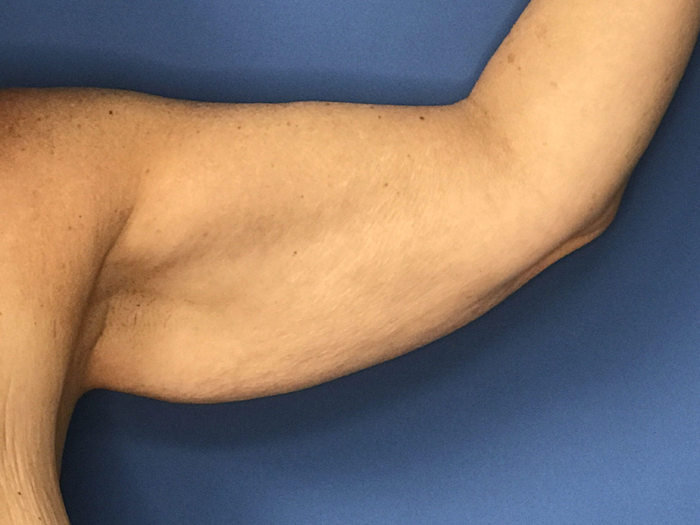
True skin laxity is defined as actual skin and connective tissue looseness that fails to contract sufficiently after fat removal. It’s important not to confuse this with pseudo-laxity, where bulk from subcutaneous fat makes the arm appear loose, but the skin retains good elasticity. The pinch test can help clarify this distinction. If skin folds remain full and thick when pinched, fat is the main issue. However, if the fold is thin and the skin hangs, true laxity is likely, which may require arm lift surgery to address.
Patients who have experienced a significant amount of weight loss or are of advanced age often show profound laxity due to lost collagen support. Factors like sun damage and genetics also play a role in the appearance of their upper arms. To determine if you are an ideal candidate for arm lift surgery, weigh the amount of sagging while the arm is in both a relaxed and mildly abducted position. Documenting these distances with photographs and tape measurements can help support scheduling and patient discussions.
A poor evaluation that confuses true laxity with liposuction alone can lead to loose, wrinkled skin and dissatisfied patients. It's crucial to clearly describe the distinction in simple terms to establish reasonable expectations, and discuss the risks of complications, healing duration, and compromises involved when removing excess skin is necessary.
Muscle Volume
The underlying muscle volume provides the structural baseline for upper arm contour once fat is removed during arm lift surgery. A strong triceps can fill the outer arm and create a lean, sleek contour when defatted. Low tone or small muscle bulk can restrict visible enhancement even with fat removal. It's crucial for a certified plastic surgeon to determine the ideal candidates for this procedure by evaluating muscle and discussing potential outcomes.
Evaluating muscle involves observing the arm at rest and during contraction while also considering the patient's exercise history. Documentation should include photos of relaxed and flexed arms and notes on habitual activity or resistance training. For patients with low muscle volume, discussing options such as a combined plan with targeted exercise before surgery can help them make an informed decision. Surgeons should include muscle assessment in the preoperative exam to avoid overpromising results.
Low-tone muscle could be a reason to undergo arm lift surgery or encourage preoperative strength training to enhance post-op contours. Documenting muscle findings clearly in the chart ensures that the consent process reflects the probable results of the surgery.
Common Assessment Error
Consequence
Confusing pseudo-laxity for true laxity
Liposuction alone leaves excess sagging skin
Ignoring unstable weight
Post-op changes as weight shifts, needing revision
Skipping muscle assessment
Overestimated contour improvement after fat removal
Neglecting sun damage/genetics
Underprediction of poor skin recoil and wound issues
Essential Considerations
Upper arm lipo takes away the upper arm’s localized fat but does not address loose skin tightening. Ideal candidates for arm lift surgery should consider health, skin quality, and weight stability. The next subsections address risks, recovery, and the overall quality of life to help you make an informed decision about undergoing arm lift surgery.
Surgical Risks
Typical complications are infection, bleeding, anesthesia reactions, nerve irritation, fluid accumulation and contour irregularities. Bad health, uncontrolled medical issues and smoking increase complication rates and delay healing. Reveal medications and supplements that impact bleeding.
Infection
Bleeding or hematoma
Anesthesia reactions
Contour irregularities or asymmetry
Seroma (fluid collection)
Nerve numbness or temporary sensory change
Watch incision sites for spreading redness, fever, escalating pain, odd drainage, or abrupt swelling. Reach out to the surgical team as soon as you notice these signs. Routine follow-up visits assist in identifying problems early and minimizing long-term complications.
Recovery Timeline
Anticipate initial swelling and bruising to hit their apex during week 1 and subside within 2 to 6 weeks after undergoing arm lift surgery. Most patients can engage in mild activity by 3 to 5 days and return to normal work at about a week if not strenuous. Light exercise can be resumed around 3 to 4 weeks, while full, unrestricted exercise and heavy lifting often resume at 4 to 6 weeks depending upon individual healing and clearance from the certified plastic surgeon.
Wearing compression garments as instructed will minimize swelling and assist in settling the skin after arm lift surgery. It’s important to avoid hot baths, saunas, or rigorous upper-body work for a few weeks to ensure the best results of the surgery. Easy arm exercises and brief walks can help avert rigidity and reduce the risk of complications. Follow wound-care steps: keep incisions clean, change dressings as shown, and attend scheduled checks.
Sample timeline: Day 0 to 7: rest, compression, short walks. Week 2 to 3: reduced bruising, increase light activity. Weeks 4 to 6: more exercise, fading swelling. 3 to 6 months: final contour appears, improving the overall quality of life for those with excess skin and fat on their upper arms.
Scarring Potential
Surgeons make tiny incisions, generally 2 to 4 mm, so scars are negligible but unavoidable. Personal healing, skin type, and surgical method impact scar color and texture. For those considering an arm lift surgery, silicone-based sheets or gels, gentle cleansing, sun protection, and short massage can all help scars soften and fade. There should be no sun exposure to new scars for at least 6 to 12 months.
While arm lift scars are much larger than liposuction scars, this procedure is particularly beneficial for ideal candidates who have a significant amount of excess skin and fat. An arm lift effectively treats loose skin and may be necessary for patients with poor skin elasticity. In some cases, an arm lift may need to be performed alongside liposuction for optimal contour.
Prices for arm lift surgery vary regionally and depend on the surgeon's fees, facility fees, anesthesia, garments, and follow-ups. It's essential for candidates to consult a certified plastic surgeon to determine their suitability and to make an informed decision about the extent of the procedure. Additional procedures like skin tightening can add to the overall cost and recovery time, especially for those seeking long-term weight stability and lifestyle maintenance.
Alternative Procedures
Alternative procedures are options for individuals who don’t require or desire a full arm lift surgery. These options range from surgical contouring with reduced skin excision to non-surgical fat-reduction and skin-tightening procedures. The choice depends on the extent of loose skin and fat, the quality of your skin, your overall health, and your tolerance for downtime. For those looking to improve the appearance of their upper arms, it's crucial to assess these factors carefully.
Arm lift surgery is best suited for individuals who are ideal candidates, specifically those with a significant amount of excess skin and fat that liposuction alone cannot contour effectively. This procedure directly removes loose skin, typically leaving a longer scar and requiring a longer recovery period. While arm lipectomy is more invasive, it is particularly effective for those with a lot of volume to remove or skin that has lost elasticity. This surgery is aimed at addressing diet and exercise-resistant fat, and it often boasts a shorter recovery than a formal lift. After undergoing arm lift surgery, anticipate swelling, bruising, and discomfort, along with activity restrictions for a few weeks, during which a compression garment will help reduce swelling and settle the tissues.
Non-surgical options include cryolipolysis (CoolSculpting), radiofrequency (RF) skin tightening, and ultrasound-based fat damage. CoolSculpting effectively targets volume loss when skin quality is not the primary concern. However, multiple sessions may be necessary, and results will be visible over weeks to months. RF and ultrasound treatments stimulate collagen, which can tighten mildly lax skin but are less effective for moderate to severe sagging. While non-surgical methods have minimal downtime, they typically create subtler repair effects than surgery, making them ideal for those not ready for a more invasive procedure.
When comparing benefits and limitations, surgical arm lift surgery provides the most dramatic reshaping and immediate removal of redundant skin. However, it involves longer recovery, visible scarring, and higher risk of complications. Arm liposuction offers excellent contouring with minimal downtime, effective for localized fat pockets, but does not address significant skin sagging. Non-surgical options represent the lowest risk and downtime, making them suitable for mild cases or as a precursor to surgery, but they often require multiple treatments and yield modest transformations.
Procedure
Indications
Recovery
Typical Results
Arm lift (brachioplasty)
Significant loose skin + fat
2–6 weeks limited activity; scars visible
Large, immediate skin removal; long-lasting
Arm liposuction
Localized fat, good skin tone
1–3 weeks limited activity; compression 2–6 weeks
Better contour; months for final result
CoolSculpting
Mild to moderate fat bulges
Minimal downtime; multiple sessions possible
Gradual fat loss over weeks; modest change
RF / Ultrasound tightening
Mild skin laxity
Minimal downtime; repeat treatments
Incremental skin firming over months
Surgeon Selection
Selecting a surgeon is the most important decision when considering arm lift surgery or upper arm liposuction. It is crucial to search for a board certified plastic surgeon who specializes in arm procedures, as this expertise minimizes the risk of complications and enhances the results of the surgery. Certification indicates that the surgeon has undergone rigorous training and adheres to established standards. Focusing on surgeons who have performed numerous arm cases can lead to more predictable outcomes, especially for candidates dealing with excess skin and fat after significant weight loss.
Insist on board certification and relevant experience
Board certification in plastic surgery should be a minimum requirement for anyone considering arm lift surgery. Inquire about where the surgeon trained and if they routinely perform procedures like arm liposuction and brachioplasty. A certified plastic surgeon can help determine if you are an ideal candidate for arm lift surgery by assessing the extent of excess skin and fat on your upper arms. Request specifics on how many cases they have performed in the past year, particularly for patients with skin laxity.
Evaluate before-and-after photos for similar cases
Check closely the surgeon’s portfolio, especially focusing on candidates for arm lift surgery who share your body type, skin tone, and the extent of sagging. It's essential to seek a certified plastic surgeon to determine the ideal candidates for this procedure. Request cases that include BMI range, pre-op photos, and post-op timing of 3 months, 6 months, and 1 year to establish reasonable expectations about the results of the surgery and scar length.
Confirm risk management, scarring approach, and expectations
When selecting a surgeon for arm lift surgery, it's crucial to understand how they decide between liposuction, excision, or a combination based on factors like skin laxity, excess skin and fat, and health history. Ideal candidates for arm lift surgery typically have stable weight and specific BMI limitations. Ensure you inquire about their plan for scar placement and care, as well as how they track complications to provide the best results of the surgery. This information will help you make an informed decision.
Checklist for the consultation
Bring a checklist to ensure informed decisions regarding arm lift surgery: 1) verification of board certification and hospital privileges; 2) number and types of arm cases performed; 3) view of before-and-after photos for similar anatomy; 4) anesthesia options, including awake liposuction; 5) candidacy criteria like BMI and weight stability; 6) scar placement and management plan; 7) discussion of risks and complications, including how they may increase the risk of complications; 8) post-op care, timeline, and realistic outcomes; 9) whether non-surgical alternatives are offered; 10) total fees and what they cover. Use it to benchmark surgeons impartially and select one who treats you like a complete individual and provides customized solutions.
Conclusion
Upper arm liposuction is one of the easiest ways to get visibly rapid fat loss for those with good skin tone and no significant weight fluctuations. It is ideal for individuals with localized fat pockets, not expansive lax skin. Anticipate a quick surgery, local or light general anesthesia, and a few weeks of swelling and bruising. The real results show up after three months. Consider the quality of skin, scarring, and recovery considerations. For looser skin, combine with an arm lift or choose non-surgical fat reduction if downtime is a concern. Select a board-certified plastic surgeon who shares before-and-afters, discusses risks, and describes realistic goals.
If you want a personalized perspective on candidacy, upload photos or your medical information and receive an individualized evaluation.
Frequently Asked Questions
What makes someone a good candidate for upper arm liposuction?
Ideal candidates for arm lift surgery are adults in good health with isolated pockets of fat and good skin tone. They should have a steady weight and achievable expectations, ensuring a lower risk of complications during surgery.
Can loose skin be treated with arm liposuction alone?
No. While liposuction removes fat, it does not address the issue of tightening loose skin. If skin laxity is present, a certified plastic surgeon may recommend a combination of liposuction with arm lift surgery to effectively remove excess skin and fat.
How is candidacy for upper arm liposuction evaluated?
A certified plastic surgeon evaluates medical history and conducts a physical exam of fat and skin quality to determine if a patient is a candidate for arm lift surgery.
Are there common mistakes when assessing candidacy?
Yes. Overestimating skin tightening, forgetting about weight instability, and bypassing a medical review are common mistakes that can affect the results of arm lift surgery, leading to disappointed expectations.
What alternatives exist if I am not a candidate?
Non-surgical treatment options include cryolipolysis (fat freezing) and radiofrequency skin tightening, while surgery, such as arm lift surgery, may be ideal for candidates with excess skin and fat on their upper arms.
How does surgeon selection affect candidacy and outcomes?
Select a board-certified plastic surgeon to determine if you are an ideal candidate for arm lift surgery, as expertise in patient selection is crucial for safety and the results of the surgery.
Will insurance cover upper arm liposuction?
Usually not. Arm lift surgery, like liposuction, is cosmetic and typically not covered unless medically necessary for a documented condition. Check with both your insurer and a certified plastic surgeon to determine your options.