Here you can find the latest news and surgical articles.
12 August 2026
Why Diets Fail in Lipedema: Causes, Symptoms & Effective Treatments
Key Takeaways
Lipedema is a chronic fat tissue disorder that causes disproportionate, often painful fat in the lower body. It is not due to overeating or lack of exercise. Diagnosis and management necessitate acknowledging its distinction from common obesity and lymphedema.
Traditional dieting and calorie cutting typically don’t work for lipedema because the fat is actually metabolically different, hormonally driven, and often resistant to lipolysis.
Effective management looks past the scale and instead focuses on function, pain reduction, lymphatic health, and mental well-being through tools such as compression, manual lymphatic drainage, anti-inflammatory nutrition, and gentle exercise.
Surgical options like specialized lipedema liposuction can reduce diseased fat and improve mobility. They are not a cure and require experienced surgeons along with post-surgical compression and rehab.
The emotional and social impacts are huge. Building a multidisciplinary care team and joining support communities enhances coping, access to specialized care, and long-ranging results.
So some practical actions to take right now are find a lipedema specialist and get diagnosed, wear medical-grade compression daily, adopt an anti-inflammatory diet and low-impact exercise habits, monitor your symptoms for shifts, and join a support community for advice and empowerment.
Lipedema is a chronic fat disorder for which no diet ever worked for thousands of women with swollen, painful legs and hips. It induces pathological fat accumulation in the lower body that is immune to calorie reduction and workouts because the problem is structural and hormonal, not simply metabolic. Common symptoms are symmetrical leg enlargement, easy bruising, and tenderness, which doctors shrug off or confuse for typical fat. Early on in adolescence or post-hormonal shift, the majority of individuals experience decades of dieting attempts and overwhelming frustration. Below, we discuss medical causes, common misdiagnoses, practical treatment options, and how to work with clinicians for clearer care and realistic goals.
Understanding Lipedema
Lipedema is a long-term disease of fat that leads to uneven fat accumulation, frequently in the lower body. It causes the formation of hard, painful fat deposits around the legs, thighs, hips, buttocks, and occasionally arms, without affecting the hands and feet. It is a progressive condition that frequently resists traditional weight-loss measures, which is why so many discover that diet and exercise alone fail to reduce the areas affected.
The Condition
Lipedema is a chronic disorder characterized by abnormal subcutaneous adipose tissue proliferation that affects nearly 11% of women worldwide. This tissue overgrowth is not excess fat from caloric surplus but rather represents a unique pathological fatty tissue hypertrophy. The condition often results in pain, easy bruising, and sensitivity to the areas.
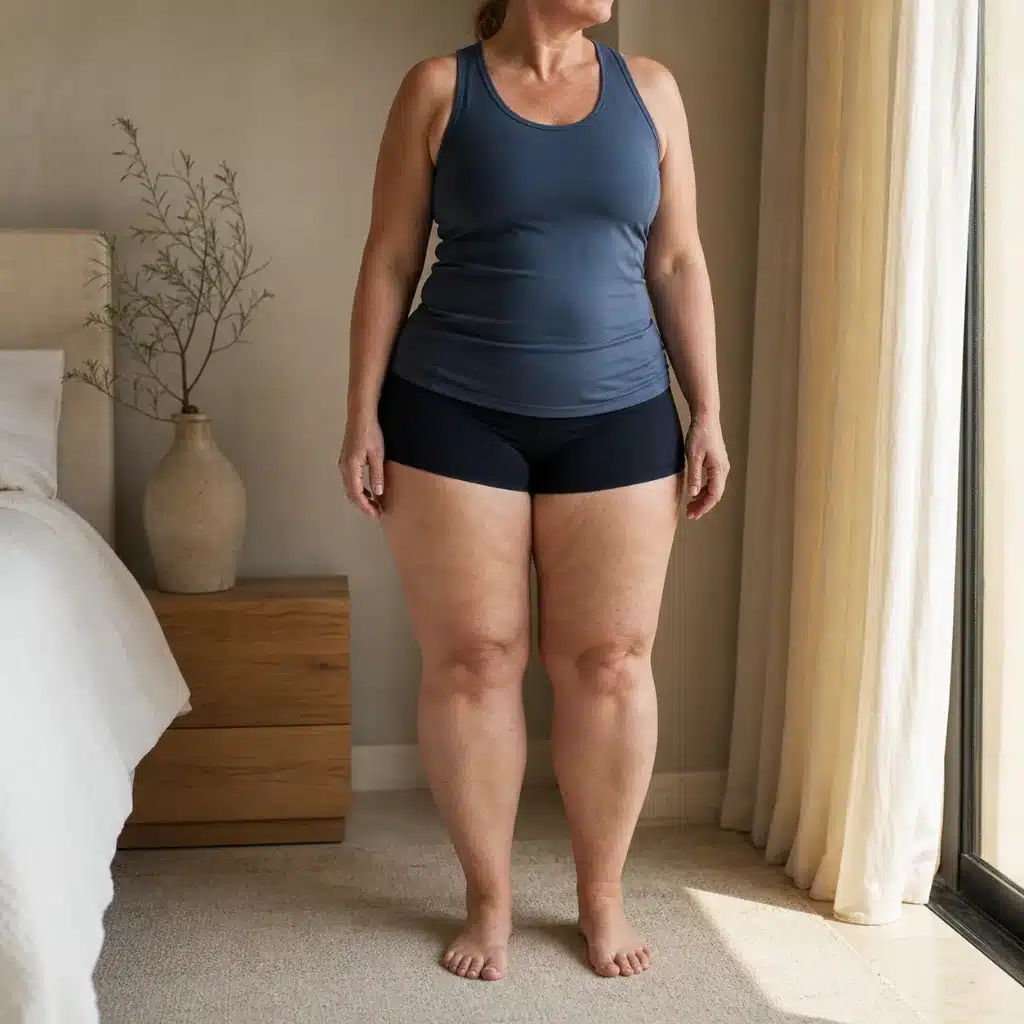
This fat accumulation is most noticeable in the legs and thighs and can extend to the arms, leaving the trunk fairly smaller and causing apparent disproportion. Because the feet and hands are typically spared, a ‘cuff’ at the ankle or wrist can develop, and this is a clinical hint. Lipedema is not due to overeating or inactivity. Genetic predisposition and hormones, typically emerging during puberty, pregnancy, or menopause, are key to development.
Diagnosis is clinical; there are no definitive blood tests or imaging studies. They see numerous providers before finally being diagnosed, sometimes after 10 years of searching for a diagnosis. Proper recognition is important because treatment and prognosis differ from typical obesity and from lymphedema.
The Symptoms
Tender, painful fat deposits are found in the legs, thighs, hips, buttocks, and occasionally in the arms.
Easy bruising of affected areas.
Symmetric fat accumulation; feet and hands spared.
Reversible edema and chronic swelling are separate from weight gain.
“Fatty cuff” at the ankles or wrists.
Reduced mobility and functional limits in advanced cases.
Emotional distress and body-image struggles make mental health care vital.
Many patients note some pain relief with weight loss, but limb fat frequently persists. Progress is associated in part with increasing abdominal fat as measured by waist-to-height ratio, which predicts progression.
The Stages
Stage I: Soft, even skin with slight swelling and minimal nodularity.
Stage II: Uneven skin surface with visible nodules and increased fat lobules.
Stage III: Large deforming fat masses, significant skin changes and pain.
Stage IV: Lipolymphedema—combined lipedema and lymphedema with marked functional loss.
Table: Stage characteristics include extent of fat accumulation, skin texture, nodularity, and functional impact. Early stages look like smooth skin and mild swelling. Advanced stages display hardened nodules and overt impairment.
Why Diets Fail
Lipedema is not weight that will fall off with calorie reductions. Hard, restrictive diets and brute force calorie reduction almost never result in significant lipedema fat loss. Before the H3s, note that the tissue is biologically different, hormones and lymph flow shape where fat sits, and chronic inflammation changes how that tissue behaves. Those are the reasons diets fail and why repeated efforts result in weight cycling and soul-crushing frustration.
1. A Different Fat
Lipedema fat acts like sick fat. Cells exhibit defective lipolysis and abnormal adipocyte differentiation, therefore they don’t let go of stored fat easily. Deposits are out of proportion — legs, hips, arms — and tend to linger even when body weight decreases. The metabolic profile in these regions is distinct from general obesity: altered enzyme activity, different blood flow, and microvascular changes. Even if you do thin at the waist or face, lipedema tissue fights to not break down. Years of dieting can alter baseline metabolism, exacerbate the issue, and add to a gravitation toward extremes in eating that powers loss-and-regain cycles.
2. Hormonal Triggers
Onset or worsening often links to hormonal shifts: puberty, pregnancy, and menopause. Estrogen and other hormones affect fat distribution and the development of new fat cells in lipedema-vulnerable regions. Hormonal imbalances act to secretly drive the expansion of specific adipocyte populations, generating intractable fat deposits. Hormone therapy alone rarely strips the tissue because the root adipocyte behavior and local context persist.
3. Lymphatic Dysfunction
Lymphatic impairment contributes fluid and obstructs normal tissue clearing, generating edemalipogeneration. Regional lymphostasis increases local pressure and exacerbates symptoms of fat storage disorder. Advanced cases can overlap with secondary lymphedema. Manual lymphatic drainage and lymphatic load reduction clinically matter. They don’t cure lipedema, but they relieve symptoms and support other treatments.
4. Inflammatory Cycles
Chronic inflammation in the tissue causes pain, swelling, and invasion of immune cells. Macrophages and cytokines exacerbate metabolic and vascular function locally. Inflammation fuels the tissue changes and diet resistance. Conquering inflammation with medical care and rational lifestyle changes helps, not punishing dieting.
5. Metabolic Reality
Why diets fail: Many with lipedema have normal metabolic markers despite elevated BMIs. Risk profiles for diabetes differ from standard obesity. Damaged local fat metabolism restricts traditional weight-loss results. Controlling your total weight, particularly belly fat, still assists. Balanced, compassionate care can often beat crash diets.
Beyond The Scale
Lipedema is about more than just a number on the scale. It’s a disproportionate fat accumulation on both sides of the lower body that can impair mobility, complicate clothing and shoe selection, and defy traditional diet and exercise. These next subsections dissect what counts beyond the scale and why a more expansive framework is essential.
Emotional Toll
Lots of women with lipedema suffer from persistent anxiety and depression linked to chronic pain and body-image stress. Chronic pain can drain your vitality and weigh down everyday activities, spawning a feedback loop where activity declines and depression rises. Isolation sets in when doctors or friends tell you weight loss is the answer after years of being told to “just lose weight” despite a history of fat distribution that does not correspond to normal gain. Be vocal about these impacts. Candid discussions with family, friends, or therapists can decrease stigma and make day-to-day living more manageable.
Redefining Health
Change your focus from weight to body function, comfort and self-acceptance. Measure and track mobility, pain scores and energy levels in addition to BMI. Note that BMI and body weight have clear limits for lipedema: the stubborn tissue often does not shrink with calorie restriction, and BMI ignores fat distribution. Keep an eye on WHtR as progression is tied to abdominal fat accumulation, and controlling central fat can impact the severity of symptoms. Celebrate non-scale wins: less swelling, easier shoe fit, reduced limb tenderness, or improved lymphatic flow. Establish realistic, personalized goals. Losing belly fat might relieve pain even if arm or leg diameter decreases slowly.
Checklist — vital aspects beyond body weight:
Pain level and pain-free function
Mobility and activity tolerance
Waist-to-height ratio (WHtR) monitoring
Lymphatic health and swelling measurements
Clothing and footwear comfort
Mental health status and support access
Realistic, individualized goals beyond BMI
Finding Support
Join lipedema-centric groups to link with folks who understand the battle of boots that never fit right or relentless lower-body swelling. In addition to alleviating isolation, the shared experience offers valuable advice from whom to purchase compression garments to surgeons and therapists who “get” the condition. Seek professionals versed in lipedema: lymphedema specialists, physiotherapists, dietitians who focus on abdominal fat control, and mental health clinicians. Assemble a cross-functional team so care spans symptom management, functional improvements, and emotional support.
Effective Management
Smart lipedema management is about specific, actionable advice, not generic weight loss. Lipedema is fat gone rogue, resistant to normal diets, so programs need to be a medical, physical, and nutritional hybrid. Measurement should consist of WHtR in addition to body weight in order to capture disproportionately distributed fat. Ongoing monitoring and iterative adjustments are central. Track symptoms, function, and measurements to guide care.
Compression Therapy
Medical-grade compression garments decrease tissue edema and lower pain by applying external pressure to the legs and arms. Compression aids lymphatic drainage and manages chronic swelling that can slow the outward advancement of fat in these areas. Daily, well-fitting garments are important because poorly fitting compression can either be ineffective or lead to skin problems. Wearing them all day and replacing them when elasticity falls provides optimal long-term results and should become part of regular maintenance.
Manual Drainage
Manual lymphatic drainage (MLD) is a gentle, targeted massage that decreases fluid accumulation and enhances lymphatic flow in lipedema-affected areas. MLD targets localized lymphostasis and can decrease tenderness and hardness. For best results, therapies should be performed by trained lymphedema therapists who customize technique to lipedema distributions. Integrating MLD with compression therapy and skin care provides symptom relief beyond either therapy alone.
Anti-Inflammatory Nutrition
An anti-inflammatory diet can keep pain and tissue stress in check. Concentrate on healthy fats like omega-3s, lean proteins, and a lighter carb load. Some find a ketogenic style useful, but the emphasis is on whole foods, as few processed ingredients as possible, and no trans fats. Eating well and controlling your weight not only keeps you healthy in general, but it minimizes disease progression specifically abdominal fat which impacts severity. Manage with a food and symptoms diary to identify associations between consumption and flare-ups and medical nutrition therapy when metabolic or inflammatory markers require more targeted modification.
Gentle Movement
Walking at a steady pace
Swimming or water aerobics
Cycling on flat terrain
Low-impact strength training with bands
Yoga and gentle pilates
Consistent low impact exercise maintains lean mass and joint health without over-stressing painful legs. Develop a routine of joint-friendly activities and maintain them. Consistency trumps intensity. Most lipedema sufferers experience a decrease in pain after fat loss and muscle retention. Don’t anticipate fat deposits to disappear after surgery or severe dieting.
Surgical Interventions
There are surgical options for advanced lipedema when conservative measures fall short. Procedures target excising diseased, treatment-resistant fat to ease pain, halt progression, and enhance mobility. Surgery is not a panacea. Meticulous patient selection and surgeon expertise dictate candidacy and anticipated benefits.
Liposuction
Lipedema liposuction selectively treats pathological fat deposits while striving to preserve lymphatic vessels. Tumescent liposuction and other assisted techniques use fluid and low‑trauma suction to liberate fat cells with less damage to adjacent tissue. This is different from typical cosmetic liposuction that cares more about contour than disease control. Lipedema surgery is charted around tenderness, bruising patterns, and the classic sparing of hands and feet. Each surgery begins with a consultation to map involved limbs and establish a sequential treatment plan. Assisted techniques reduce tissue damage and maintain lymphatic function. Postoperative care includes fitted compression garments and a rehab plan, with early light activity typically safe within one to two weeks. Higher‑impact exercise is reintroduced gradually over the following month. A 25‑patient study and other reports demonstrate significant symptom relief and decrease in limb volume after liposuction in numerous instances.
Medical Necessity
For others, surgery is required to avoid deteriorating disability and chronic pain. To convince insurers, you usually need proof of functional impairment and medical documentation of disease severity. Advocacy groups and foundations provide documentation templates, patient resources, and peer support that can assist with appeals. Preoperative workup records fat distribution, pain scores, and previous conservative care. This helps substantiate claims of medical necessity. Surgical lymphadenectomy is rarely recommended and is a last resort for severe lymphatic breakdown. Even with previous liposuction, some patients require continued clinical management. In a case series of five such patients, clinical therapy was at times able to avoid surgery, although many still benefited from a multi-modal approach.
Realistic Outcomes
Liposuction can minimize fat deposits and help you move better. It won’t cure your predisposition for lipedema. Certain symptoms, including easy bruising and microvascular changes, might linger post-surgery. Continued care with compression, physiotherapy, and lifestyle measures is key to maintaining gains. Documented before-and-after changes:
Measure
Before
After
Limb volume
Elevated
Reduced
Pain score
High
Lower
Mobility
Limited
Improved
Lipedema vs. Obesity
Lipedema and obesity exhibit visual similarities, but differ in etiology, distribution, and management. Lipedema is a progressive genetic disorder that causes abnormal fat to accumulate mostly in the legs, thighs, and buttocks, usually symmetrically. Obesity is excess general body fat from a chronic energy surplus. That fundamental distinction accounts for why weight loss diets tend to do nothing to shift the irregular, painful deposits associated with lipedema.
Lipedema fat is disproportionate. Lipedema patients typically have relatively normal upper bodies while their lower bodies become heavier and resistant to loss. This produces a column-like or pear-shaped lower half with characteristic cuffing at the ankles and disproportionate thighs. Obesity generally produces a more uniform gain of fat on the trunk, arms, and limbs. For example, someone with obesity might lose belly fat on a calorie deficit, while a person with lipedema may see only small changes in leg volume despite the same weight loss.
The tissue itself acts differently. Lipedema fat is linked to adipocyte hypertrophy, edema, and lymphatic insufficiency. Cells can be tender and easily bruised. The metabolic signals and local inflammation are not the same as in typical obesity. Therefore, standard weight-loss mechanisms do little to those deposits. With obesity, fat cells simply get bigger and can deflate with dieting and exercise. That can normalize metabolism markers like insulin sensitivity and lipid profiles.
Treatment has to be specific. Lipedema treatment typically includes compression, manual lymphatic drainage and physical therapy, as well as liposuction designed specifically for lipedema. These are designed to minimize pain, increase mobility and preserve lymphatic function. Obesity treatment centers on caloric management, exercise, and reducing metabolic risk factors, with bariatric surgery available for severe obesity. When lipedema and obesity coexist, as studies show up to a 30% overlap, clinicians should tackle both individually instead of assuming diet will solve leg swelling.
It is often misdiagnosed. A lot of patients feel brushed-off when told to ‘simply lose weight’. Early, accurate diagnosis boosts quality of life by directing proper treatment and circumventing a futile, demoralizing cycle of dieting.
Conclusion
Lipedema is basically a stubborn fat disorder. It inhibits weight loss from diet or simple exercise. Fat cells expand, fluid collects and pain tends to linger. This is why hardcore diets deliver little or temporary victories. Real progress comes from a cocktail of small steps: medical treatment, quality compression, targeted movement, and anti-inflammatory nutrition. Think manual lymph drainage and a specialist for surgical options if swelling and pain block daily life. Track pain, clothes fit, and limb measurements, not just the scale. Consult clinicians who understand lipedema. Seek out a team that treats the body and the whole person. Discover, plan care, and set goals that fit your life. Take the next step and schedule a consultation with a lipedema-aware provider.
Frequently Asked Questions
What is lipedema and how does it differ from regular fat?
Lipedema is a long-term condition characterized by symmetrical fat accumulation, discomfort, and bruising, primarily in the legs and arms. It is not regular fat, but instead a condition involving issues with abnormal fat tissue and fluid handling, not just excess calories and lifestyle choices.
Why didn’t any diet work for my lipedema?
Lipedema fat is driven by tissue dysfunction and hormones, not just calorie balance, which is why no diet ever worked. Conventional weight-loss approaches target visceral or typical subcutaneous fat to a greater extent than lipedema fat. Traditional diets yielded minimal results.
Can exercise help with lipedema?
Yes. Exercise is beneficial for you as it enhances circulation, muscle tone, and mobility. It can ease pain and decelerate advancement. Exercise, by itself, rarely drastically decreases lipedema fat volume.
What non-surgical treatments are effective?
Conservative care—compression garments, manual lymphatic drainage, anti-inflammatory nutrition, and targeted exercise—diminishes pain and swelling and increases function. These methods frequently perform most effectively when mixed and managed by experts.
When should I consider surgery for lipedema?
Think about surgery when conservative measures don’t manage pain, movement, or quality of life. Tumescent liposuction by skilled surgeons can reduce lipedema fat and relieve symptoms.
Is lipedema the same as obesity or lymphedema?
No. Lipedema is a separate condition with painful, symmetrical fat deposits. It is not obesity, which is excess body fat, or lymphedema, which is lymph fluid buildup, although they can exist at the same time.
How do I find a qualified specialist for diagnosis and treatment?
Look for clinicians experienced in lipedema, including vascular specialists, lymphologists, or plastic surgeons with relevant training. Seek second opinions, patient referrals, and clinics that use objective assessments and follow evidence-based protocols.