
Category: Blog

Best Donor Sites for BBL Fat Harvest: Options, Selection Factors, and Recovery Implications
Key Takeaways Who is a candidate and what are donor site options for BBL? Typical sites are the abdomen, flanks, inner thighs, and lower back. Selection is based on accessible fat, scar positioning, and patient objectives. Each site has different harvest volumes and healing timelines, and risk varies by location. In the following sections, we […]
Read More
4 August 2026

Fat Transfer Breast Reconstruction: Natural Option, Safety, and Who’s Eligible
Key Takeaways Fat transfer breast reconstruction natural option is a procedure that utilizes the patient’s own fat to rebuild breast volume post-mastectomy or lumpectomy. It takes the fat from your body, refines it, and then deposits it into the breast to give it a better shape and more symmetry. There is less foreign material, a […]
Read More
3 August 2026

Body Sculpting and Human Flourishing: A Philosophical Framework
Key Takeaways Body sculpting and human flourishing philosophical framework is a concept linking physical body practices with well-being and ethical life aims. It positions body sculpting within a wider meaningful pursuit of human flourishing. The concept emphasizes quantifiable results such as body sculpting, agility, and psychological well-being. It further explores values, consent, and equity in […]
Read More
2 August 2026

Body Sculpting and Orthorexia: Risks, Assessment & Treatment Guide
Key Takeaways Body sculpting and orthorexia risk awareness guide explains links between aesthetic goals and disordered eating. The guide covers popular body sculpting methods, warning signs of strict food rules and mental health red flags. It emphasizes practical steps for safer options like reasonable nutrition, informed experts, and reasonable timelines. Readers get obvious red flags […]
Read More
1 August 2026

Body Sculpting Considerations in Eating Disorder Recovery
Key Takeaways Body sculpting and ED recovery consideration is what folks need to consider when contemplating cosmetic body alterations in or post-recovery. It discusses timing, mental health stability, support of clinicians, and realistic goals. Care teams frequently advise postponing any such elective procedures until stable coping and nutrition are established. Clear communication with your therapists […]
Read More
31 July 2026

BBL Revision: Reasons, Risks, and Recovery Guide
Key Takeaways BBL revision surgery reasons are the factors that lead patients to seek additional buttock reshaping after an initial Brazilian butt lift. The most common reasons for BBL revision surgery are asymmetry, volume loss, fat necrosis, scarring, and dissatisfaction with shape or projection. Medical reasons like infection or contour irregularity drive revisions. Surgeons evaluate […]
Read More
30 July 2026

How to Maintain Your Body Sculpting Results Long-Term with Grit and Proper Aftercare
Key Takeaways It’s body sculpting and grit long term results maintenance, the steps people take to maintain body contouring results over months and years. It bridges habit changes, goal-specific workouts, balanced nutrition and regular provider check-ins. Results are a function of the procedure, your consistency and realistic expectations. Long-term results maintenance might include monthly check-ins, […]
Read More
29 July 2026

The Emerging Role and Promise of Circular RNAs in Fat Tissue Metabolism and Browning
Key Takeaways Circular RNA and fat tissue science emerging research explores the impact of circRNAs on adipogenesis, metabolism, and inflammatory processes. Emerging research connects certain circRNAs to white and brown adipose tissue growth and maintenance. The findings are supported by cell models, animal work, and early human tissue analysis that measures gene expression and metabolic […]
Read More
28 July 2026
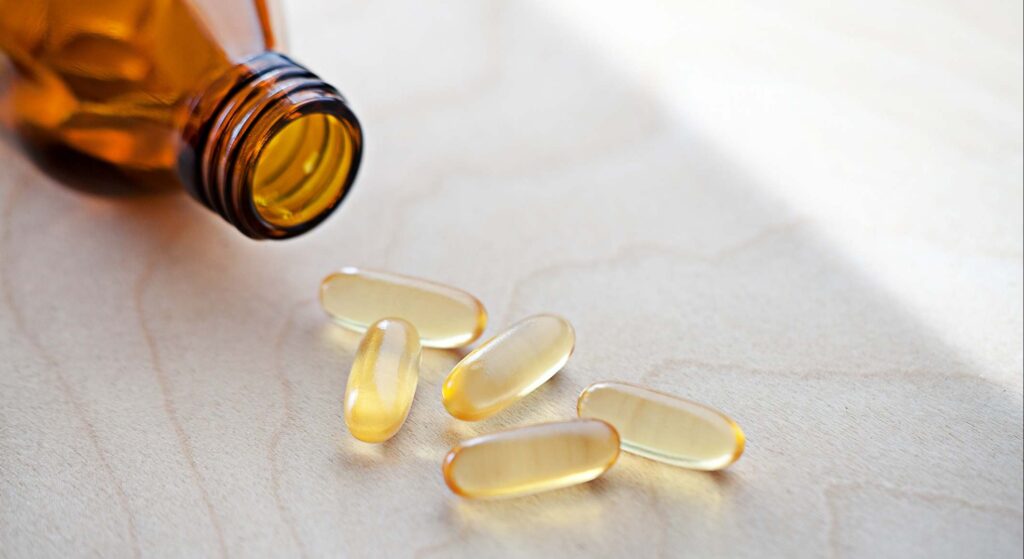
Fat-Soluble Vitamins and Liposuction Recovery Guide | Nutrition, Release & Absorption
Key Takeaways Fat Soluble Vitamin Release After Liposuction Guide details how vitamins A, D, E, and K can mobilize from fat storage into circulation post fat removal. Release levels vary based on the amount of fat removed, patient metabolism, and timing of surgery. Monitoring blood levels helps detect excess or deficiency. Medical teams might test […]
Read More
27 July 2026

The Fasting Mimicking Diet: Preparation Guide for Body Sculpting
Key Takeaways Think of it as a fasting mimicking diet before body sculpting prep, a low-calorie, low-protein meal plan that allows your body to benefit from fasting but keeps your muscle intact. It aids in reducing inflammation, supports fat loss, and optimizes metabolic markers in the days leading up to procedures or training. Clinicians frequently […]
Read More
26 July 2026