

Tag: Tummy Tuck

Driving After Liposuction: When Can You Safely Resume Driving?
Key Takeaways Driving after liposuction is the act of operating a vehicle following a body contouring procedure to remove fat. Recovery time depends on the treatment area and anesthesia. Pain management, mobility, and seatbelt safety determine when it is safe to drive. Most clinicians recommend avoiding driving for 24 to 72 hours after general anesthesia […]
Read More
30 September 2026

Back Liposuction With BBL: How Lipo 360 and Brazilian Butt Lift Work Together
Key Takeaways Back liposuction with BBL is a combined procedure that removes excess fat from the back and reuses it to add volume to the buttocks. This technique sculpts the torso contours while augmenting the buttocks with the patient’s own tissue. Average patients desire a sharper waist and more proportionate hips. The recovery is measured […]
Read More
29 September 2026

What Causes Axillary (Armpit) Fat, and How Is It Removed?
Key Takeaways Axillary fat removal what causes it explains why we develop extra fat in the underarm region. A significant portion of local fat is hereditary, a result of being overweight, hormonal changes and shifting fat storage due to age. Tight clothing, lymphatic variation and previous surgeries can contribute to fullness. Procedures span from precision […]
Read More
26 September 2026

High BMI Liposuction Safety: What to Know About Candidacy, Procedure, and Recovery
Key Takeaways High BMI liposuction safety what to know explains if liposuction is safe for individuals with a high body mass index. Research indicates that an elevated BMI increases complications including infection, thrombosis, and asymmetry. Surgeons typically advise medical screening, staged procedures, and close follow-up to reduce complications. Patient selection, achievable goals, and resources of […]
Read More
24 September 2026
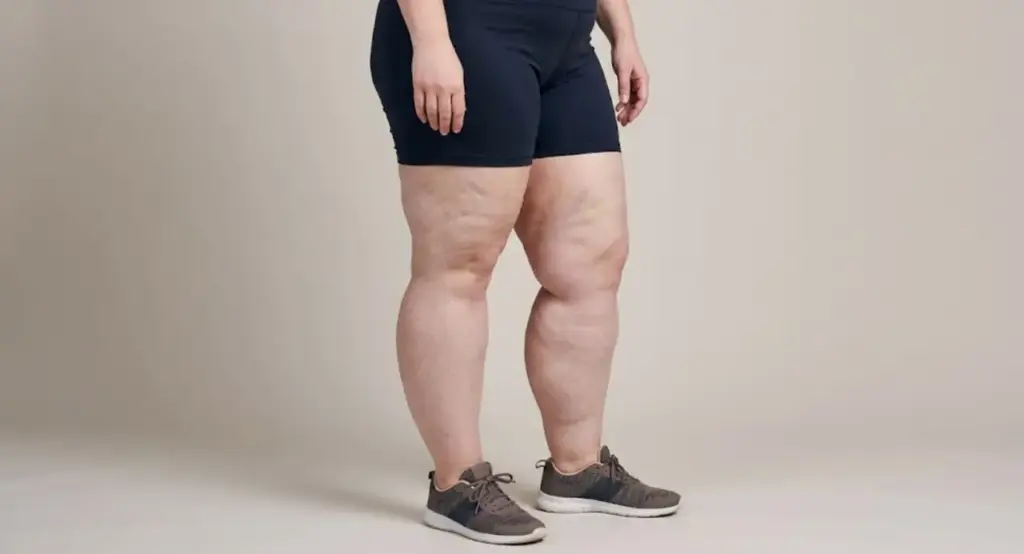
Lipedema Cuffing at the Ankles: What It Means, Symptoms, and Treatment Options
Key Takeaways Lipedema cuffing at ankles refers to the accumulation of excess fat and tissue around the lower leg, specifically where the ankle connects to the foot. It results in a cuffing of swelling that can be spongy, painful, and resistant to diet or exercise. The cuff tends to make shoes and socks fit differently […]
Read More
22 September 2026

Fat Transfer Survival: Biology, Techniques, and Patient Factors Explained
Key Takeaways Fat transfer fat cell survival science explained is the study of how transplanted fat cells live and integrate after grafting. From graft prep and restoring blood supply to cell survival percentages and the impact of technique, donor site, and patient health, this field encompasses various critical factors. Studies indicate survival ranges, often 30 […]
Read More
21 September 2026

Why Some Areas of Fat Resist Diet and Exercise
Key Takeaways Fat biology explains why some areas resist diet. It details how fat cells, hormones, and blood flow determine where the body stores and loses fat. Rogens, estrogens, and local enzyme activity influence lipolysis rates in different regions. Low blood flow or high lipoprotein lipase areas store fat longer. Knowledge of these factors aids […]
Read More
19 September 2026

How Altitude Affects Liposuction Healing and Recovery in High Elevation Areas
Key Takeaways How altitude impacts liposuction healing As discussed on this page, the lower oxygen levels and altered blood pressure at high elevations can slow liposuction tissue healing and increase clotting risk. High elevation patients may have increased swelling, prolonged bruising, and modified pain management. Care plans frequently tweak hydration, activity restrictions, and timing of […]
Read More
17 September 2026
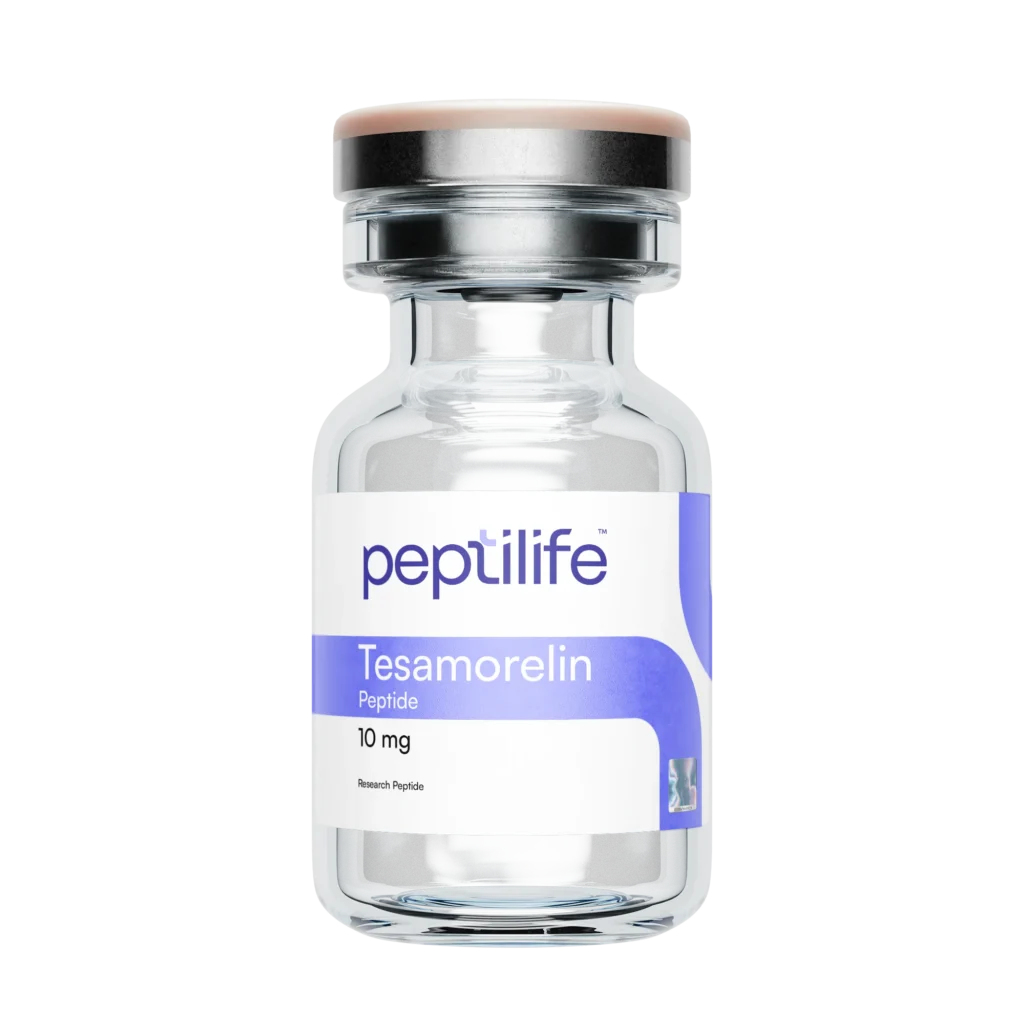
Tesamorelin and Visceral Fat Reduction: Mechanism, Candidates, and Medically Approved Treatment Plan
Key Takeaways Tesamorelin peptide visceral fat reduction is a medical treatment that lowers deep belly fat by stimulating growth hormone release. It is prescribed for adults with excess visceral adipose tissue, often measured by abdominal CT or waist circumference. Clinical trials show average reductions in visceral fat over three months with daily injections and monitored […]
Read More
16 September 2026

Liposuction for Estrogen-Dominant Fat Deposits: Hormonal Effects and Alternative Strategies
Key Takeaways Liposuction for estrogen dominance fat deposits is a procedure that extracts localized fat associated with hormonal imbalance. Specifically, it is for estrogen-dominance fat deposits on the hips, thighs, and lower abdomen. Candidates usually have stable weight but stubborn, hormone-driven deposits that defy diet and exercise. Evaluation includes hormone testing, medical history, and realistic […]
Read More
14 September 2026