Here you can find the latest news and surgical articles.
6 September 2024
Botox vs Dysport vs Xeomin: What You Need to Know?
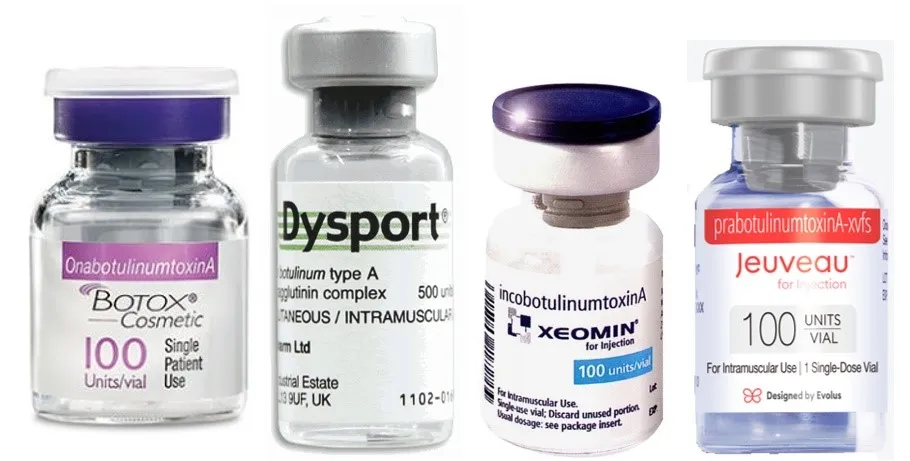
Dysport, Botox, and Xeomin are popular choices for wrinkle reduction. Each has unique features that set them apart. Dysport spreads more easily in the skin, making it great for large areas. Botox is well-known for its effectiveness and reliability. Xeomin stands out because it lacks additives, which some prefer for a more natural option.
Choosing between them can be tricky. Factors like duration of effects, cost, and personal preferences play a big role. Understanding these differences helps you make an informed decision. Whether you're after smooth skin or a subtle lift, knowing how each treatment works is key to achieving your goals.
Understanding Neuromodulators
What Are They?
Neuromodulators are substances that change nerve activity. They affect how nerves communicate with muscles. This can lead to changes in muscle movement and function. By altering this communication, neuromodulators can produce various effects in the body.
Types of Neuromodulators
Botox, Dysport, and Xeomin are all types of neuromodulators. They come from the same source: botulinum toxin type A. Each product has unique properties, but they all work similarly. They block signals from the nerves to the muscles. This blockage temporarily paralyzes the muscles.
Cosmetic Uses
These neuromodulators primarily serve cosmetic purposes. People use them to reduce the appearance of wrinkles and fine lines. The most common areas treated include the forehead, between the eyebrows, and around the eyes.
Mechanism of Action
When injected, these neurotoxins prevent the release of acetylcholine. Acetylcholine is a chemical that allows muscles to contract. Without it, the targeted muscles cannot move as much. This leads to a smoother appearance on the skin's surface.
Treatment Differences
While Botox, Dysport, and Xeomin work similarly, they have some differences. For instance, Dysport spreads more easily than Botox. This can make it better for larger areas. On the other hand, Xeomin does not contain any additives. This might reduce the risk of developing resistance over time.
Duration of Effects
The effects of these treatments last for about three to six months. After that period, muscle activity returns gradually. Many choose to repeat treatments to maintain their results.
Safety Considerations
All three products are generally considered safe when administered by qualified professionals. Side effects may include swelling or bruising at the injection site. Rarely, some people experience headaches or drooping eyelids.
Popularity Trends
The popularity of these neuromodulators has increased significantly over recent years. More people seek non-surgical options for facial rejuvenation. According to the American Society of Plastic Surgeons, millions of procedures occur annually in the U.S.
What is Botox
Overview
Botox is the most well-known brand of botulinum toxin type A. It comes from the bacterium Clostridium botulinum. This toxin can cause a serious illness called botulism. However, in small doses, it has medical and cosmetic uses.
FDA Approval
In 2002, the FDA approved Botox for treating various facial wrinkles. These include crow's feet and frown lines. The approval marked a significant moment in cosmetic procedures. It led to increased popularity among people seeking smoother skin.
Market Presence
Botox has been on the market for over two decades. Its long-standing presence makes it a trusted choice for many. Millions of people have received Botox injections worldwide. They seek to reduce the appearance of fine lines and wrinkles.
How It Works
Botox works by blocking nerve signals in the muscles. This action prevents muscle contractions that cause wrinkles. When injected into specific areas, it leads to a temporary reduction in muscle movement. The effects typically last three to six months.
Treatment Areas
Common treatment areas for Botox include:
Forehead lines
Crow's feet
Frown lines
Neck bands
Patients often report satisfaction with their results. Many appreciate the natural look that Botox provides when administered correctly.
Safety Considerations
While Botox is generally safe, patients should be aware of potential side effects. Common side effects include bruising, swelling, and headaches. Serious complications are rare but can occur if not done by a qualified professional.
Alternatives to Botox
Several alternatives exist to Botox injections. Dysport and Xeomin are other brands of botulinum toxin type A. Each has its unique formulation and may offer different results. Patients should discuss options with their healthcare providers.
Results Timeline
The results from Botox injections typically appear within a few days. Full effects are usually seen within two weeks. Patients can enjoy smoother skin for several months before needing a follow-up treatment.
Long-Term Use
Many individuals choose to use Botox regularly over time. Some studies suggest that long-term use may lead to fewer wrinkles in the future. This occurs as repeated treatments can train muscles to relax more effectively.
What is Dysport
Dysport serves as an alternative to Botox with a unique formulation. It contains abobotulinumtoxinA, which is similar but distinct from the botulinum toxin found in Botox. This difference in formulation influences how each product works in the body.
Dysport spreads more easily than Botox. This characteristic makes it ideal for treating larger areas of the face or body. For instance, many people choose Dysport for their forehead or to smooth out frown lines. Its ability to diffuse helps achieve a more natural look across wider regions.
The onset time for Dysport is quicker compared to Botox. Users often notice results within two to three days after treatment. In contrast, Botox may take up to a week for full effects. This faster action can be appealing for those seeking immediate improvements.
Treatment Areas
Dysport is commonly used in various areas of the face. It effectively targets forehead wrinkles and crow’s feet around the eyes. Some practitioners also use it on the neck and other regions where fine lines appear.
Patients appreciate that Dysport can treat broader areas without leaving behind an unnatural appearance. The diffusion allows for smoother transitions between treated and untreated skin.
Duration of Effects
The effects of Dysport typically last about three to four months. After this period, muscle activity gradually returns. Many users find that they need repeat treatments to maintain their desired look.
e studies suggest that patients may develop a tolerance over time, requiring less frequent treatments. This can lead to a more manageable schedule for those who want to keep their appearance fresh.
Side Effects
Like all medical treatments, Dysport comes with potential side effects. Common reactions include mild swelling, bruising, or redness at the injection site. These effects usually resolve quickly.
Serious side effects are rare but can occur. Patients should discuss their medical history with their provider before starting treatment. Understanding individual risks is essential for safe use.
What is Xeomin
Definition
Xeomin is a "pure" form of botulinum toxin type A. It contains no accessory proteins. This purity sets it apart from other similar products like Botox and Dysport. The absence of these proteins may reduce the risk of allergic reactions or resistance over time.
Benefits
Patients often choose Xeomin for its unique properties. The lack of accessory proteins means fewer chances of developing antibodies against the treatment. As a result, this can lead to longer-lasting effects for some individuals.
Dosage
The unit measurement for Xeomin is similar to that of Botox. Both are measured in units of botulinum toxin type A. However, Xeomin tends to have a slightly faster onset of action. Users may notice results within a few days after treatment.
Treatment Duration
Xeomin's effects typically last around three to six months. Patients often schedule follow-up treatments to maintain their results. This duration is comparable to Botox but can vary from person to person.
Safety Profile
The safety profile of Xeomin is notable. Clinical studies show it has a low incidence of side effects. Common side effects include mild pain at the injection site and temporary weakness in nearby muscles. Serious allergic reactions are rare.
Usage History
Xeomin has been used for medical purposes since 2005. It received FDA approval for treating various conditions, including chronic migraines and excessive sweating. Its cosmetic use has also gained popularity over the years.
Cost Comparison
Cost can be a significant factor when choosing between these treatments. Xeomin may be priced similarly to Botox, depending on the provider and location. Patients should consider both effectiveness and cost when making their decision.
Patient Experience
Many patients report satisfaction with Xeomin's results. They appreciate the natural-looking outcomes without the "frozen" appearance sometimes associated with other treatments. Individual experiences vary, but overall feedback remains positive.
Dysport spreads more easily than both Botox and Xeomin. This characteristic allows it to cover a larger area when injected. Patients who need broader treatment areas may prefer Dysport for its wider diffusion. Botox is known for its precise application, making it ideal for smaller, targeted areas. Xeomin also maintains a focused approach similar to Botox but with slightly less spreadability than Dysport.
Onset Times
Onset times vary among these three cosmetic injectables. Dysport typically shows results the fastest, often within 2 to 5 days after injection. This quick action appeals to many patients seeking immediate improvements. Xeomin follows closely behind, usually taking about 3 to 4 days for noticeable effects. Botox generally takes longer, with results appearing around 5 to 7 days post-injection. Understanding these differences helps patients choose according to their timing needs.
Accessory Proteins
The presence of accessory proteins plays a significant role in how these injectables work. Xeomin stands out as it lacks these proteins, which can reduce the risk of developing resistance over time. This means that patients receiving Xeomin may have more consistent results with ongoing treatments. In contrast, both Botox and Dysport contain accessory proteins, which can sometimes lead to reduced effectiveness if used repeatedly over time.
Treatment Areas
Each injectable has specific treatment areas where they perform best. Botox is often used for crow's feet and forehead lines. Dysport is effective for frown lines between the eyebrows due to its ability to diffuse into surrounding tissues. Xeomin works well on similar lines but offers a unique advantage due to its lack of accessory proteins.
Duration of Effects
The duration of effects varies among the injectables as well. Botox typically lasts about 3 to 4 months. Dysport can last slightly longer, up to 5 months in some cases. Xeomin also provides effects lasting around 3 to 4 months but may vary based on individual factors like metabolism and the area treated.
Patient Considerations
Patients must consider personal factors when choosing between these options. Skin type, desired results, and previous experiences with cosmetic injections matter greatly. Consulting with a qualified practitioner helps determine the best choice tailored to individual needs.
Uses and Treatments
Common Areas
Patients often seek injectable treatments to address specific treatment areas. The most common areas include forehead lines, crow’s feet, and frown lines. These regions show signs of aging due to muscle activity over time. Forehead lines can develop from raising eyebrows frequently. Crow’s feet form around the eyes when smiling or squinting. Frown lines appear between the eyebrows when expressing concern or frustration.
These treatments offer a non-surgical option for patients wanting to reduce these visible signs of aging. Many prefer these cosmetic procedures because they are quick and require minimal downtime.
Off-Label Uses
Beyond cosmetic applications, these injectables have off-label uses. One effective treatment is for excessive sweating, known as hyperhidrosis. Patients receive injections in the underarms, hands, or feet. This can significantly improve comfort and confidence in social situations.
Another off-label use is for migraines. Studies show that Botox can help reduce the frequency of migraine attacks. Patients typically report fewer headaches after receiving injections in specific areas of the head and neck.
Combination Therapies
Combining injectables with dermal fillers enhances facial rejuvenation results. While Dysport, Botox, and Xeomin relax muscles, fillers restore volume lost with age. This combination allows for a more comprehensive approach to facial aesthetics.
Patients may choose this method to achieve a smoother appearance overall. Injecting fillers into areas like cheeks or lips complements the effects of muscle relaxants. This multi-faceted approach meets various patient needs and goals.
Treatment Options
Each injectable has its unique properties that cater to different patient preferences and needs. Dysport spreads more easily than Botox, making it suitable for larger areas. Xeomin is known for its lack of additives, which may appeal to those concerned about potential allergies.
Patients should discuss their options with a qualified provider to determine the best fit for their situation. A thorough consultation helps identify desired outcomes and any concerns regarding specific treatments.
Effective Treatments
These injectables are considered effective treatments for many individuals seeking a refreshed look without surgery. The results typically last three to six months, depending on the product used and individual factors.
Regular follow-up appointments allow patients to maintain their desired appearance over time. Understanding the differences between Dysport, Botox, and Xeomin helps patients make informed decisions about their cosmetic journey.
Side Effects and Safety
Common Effects
Patients often experience bruising, swelling, and redness at the injection site. These side effects are usually mild and temporary. They typically resolve within a few days. Some individuals may also notice slight discomfort after the injection. Ice packs can help reduce swelling and pain.
Allergic reactions can occur but are rare. Symptoms may include itching or rash. It's crucial to inform the healthcare provider about any known allergies before treatment. Skin sensitivities vary from person to person. Understanding personal skin health helps in managing expectations.
Serious Risks
Rarely, serious risks can arise from these treatments. Muscle weakness is one potential concern. This may happen if the product spreads beyond the intended area. Difficulty swallowing is another rare side effect. Patients should seek immediate medical attention if they experience this symptom.
Other serious issues may include respiratory problems. These require prompt evaluation by a healthcare professional. Awareness of these risks is essential for informed decision-making.
Professional Choice
Choosing a qualified professional is vital for safety. A trained injector understands the anatomy and proper technique. This knowledge reduces the risk of complications. Patients should verify credentials and experience before undergoing treatment.
Discussing concerns with the provider can help ease anxiety. The provider can explain the procedure and address specific fears. Being well-informed leads to better outcomes.
Additives and Onset
Certain products contain additives that can affect safety profiles. For example, some formulations may include an accessory protein that could trigger reactions in sensitive individuals. Understanding these components allows patients to make informed choices.
Onset of effects varies among Dysport, Botox, and Xeomin. Typically, results appear within a few days after injection. However, individual responses can differ based on various factors, including metabolism and dosage.
Effectiveness
Effectiveness depends on the specific condition being treated. Each product has unique properties that influence results. For instance, Xeomin does not contain additives, which may be beneficial for those with sensitivities.
Patients should discuss their goals with their provider to determine the best option. Customized treatment plans yield better satisfaction rates.
Choosing the Right Option
Treatment Areas
Consider your desired treatment area when selecting among Dysport, Botox, and Xeomin. Each product works well for different facial areas. Dysport is often preferred for larger areas like the forehead. Botox is effective for crow's feet and frown lines. Xeomin can also treat these areas but may be chosen for its unique formulation.
Consulting with a healthcare provider helps in understanding which product suits your needs best. They can recommend the right option based on your specific facial features and goals.
Onset Time
Onset time varies between the three products. Dysport typically shows results within 2 to 5 days. Many users appreciate this quicker response. Botox usually takes about 3 to 7 days to show effects. Xeomin falls in a similar range, with results appearing around 3 to 4 days.
Understanding these differences helps in planning treatments effectively. If you want faster results, Dysport might be the preferred choice.
Individual Response
Each person's reaction to these products can differ significantly. Some may find that Dysport works better for them, while others prefer Botox or Xeomin. The effectiveness of these options can depend on various factors, including skin type and muscle strength.
It's essential to have an open discussion with your provider about past experiences with these products. Sharing any previous reactions will help tailor the treatment plan to your needs.
Cost Considerations
Cost is another factor to weigh when choosing a product. Prices vary based on location and provider expertise. Typically, Botox tends to be more expensive than Dysport or Xeomin per unit. However, overall treatment costs can depend on how many units are required for effective results.
Budgeting for these treatments involves considering both immediate costs and long-term maintenance. Discuss payment options with your provider to find a plan that works for you.
Desired Results
Think about the results you hope to achieve with your treatment. Dysport may provide a softer look due to its diffusion properties. Botox offers a more targeted approach, leading to precise wrinkle reduction. Xeomin has a similar effect but is known for being free of additives.
Clarifying your expectations during consultations can lead to better outcomes. Providers can adjust dosages and techniques based on what you envision.
Consultation for Best Choice
Schedule Consultation
Scheduling a consultation is crucial. A board-certified dermatologist or plastic surgeon can provide expert guidance. They understand the nuances of each treatment. This helps in making an informed choice between Dysport, Botox, and Xeomin.
During the consultation, patients should feel comfortable asking questions. It’s important to discuss any concerns or fears. The right professional will create a welcoming environment. They will take the time to explain the procedures clearly.
Discuss Medical History
Discussing your medical history is vital during the meeting. Conditions like allergies or previous treatments can affect choices. Sharing this information helps the provider tailor recommendations. Patients should also mention any medications they are taking.
Understanding past reactions to similar treatments is essential too. This helps avoid complications later on. A thorough discussion ensures safety and effectiveness in treatment plans.
Set Aesthetic Goals
Setting clear aesthetic goals is another key part of the consultation process. Patients should think about what they want to achieve. Do you want to reduce wrinkles? Or perhaps enhance facial contours? Clearly stating goals helps guide the conversation.
A skilled practitioner will listen closely to these objectives. They will offer options based on individual needs. This personalized approach increases satisfaction with results.
Understand Differences
Understanding the differences between Dysport, Botox, and Xeomin is critical for informed decision-making. Each product has unique properties and effects.
Botox: Known for its long-lasting results, typically around 3-4 months.
Dysport: Works faster than Botox but may not last as long.
Xeomin: Lacks additives found in other products, which may be beneficial for some patients.
Discussing these distinctions with your provider can clarify which option suits you best.
Time Considerations
Time also plays a role in choosing the right treatment. Some patients may prefer quicker results, while others might prioritize longevity. Understanding how each product affects timeframes is essential.
Your dermatologist can help you weigh these factors effectively. They will provide insights based on your lifestyle and preferences.
Final Thoughts
Final Remarks
Choosing between Dysport, Botox, and Xeomin can feel overwhelming. Each option has unique benefits tailored to your needs. Understanding their differences helps you make an informed decision. Safety and efficacy are paramount, so always consult with a qualified professional before proceeding.
Your journey to a youthful appearance starts with the right choice. Take the time to explore your options and discuss them with your provider. They can guide you toward the best treatment for your goals. Don't wait—embrace the opportunity for a fresh look today!
Frequently Asked Questions
What is the main difference between Dysport and Botox?
Dysport and Botox are both neuromodulators that reduce wrinkles. The primary difference lies in their formulation and diffusion rates. Dysport spreads more easily, making it suitable for larger areas, while Botox is more concentrated for precise treatment.
How long do the effects of Dysport last compared to Botox?
Dysport typically lasts 3 to 5 months, while Botox may last about 4 to 6 months. Individual results can vary based on factors like metabolism and treatment area.
Is Xeomin safer than Botox and Dysport?
All three treatments are FDA-approved and considered safe when administered by a qualified professional. However, Xeomin is unique as it contains no additives, which may reduce the risk of developing resistance over time.
Can I switch between these neuromodulators?
Yes, you can switch between Dysport, Botox, and Xeomin. Many patients find that alternating treatments can enhance results or address specific concerns better. Consult with your provider for personalized recommendations.
Are there any common side effects of these treatments?
Common side effects include temporary bruising, swelling, or redness at the injection site. More serious side effects are rare but should be discussed with your healthcare provider before treatment.
How do I choose the right neuromodulator for me?
Choosing the right option depends on your goals, treatment area, and medical history. A consultation with a certified practitioner will help determine which product best suits your needs.
How can I prepare for my consultation about these treatments?
Prepare by noting your aesthetic goals, medical history, and any medications you're taking. This information helps your provider recommend the best neuromodulator tailored to your needs.