IPL therapy is a non-invasive treatment for various skin conditions, often used in laser dermatology and photorejuvenation treatments. It stands for Intense Pulsed Light therapy. Dermatologists use it to address different skin concerns like hyperpigmentation, redness, and broken capillaries through photorejuvenation treatments. The procedure does not require surgery or incisions.
Light energy targets the deeper layers of the skin. It helps in reducing irregularities without damaging the surface. This makes IPL an appealing option for many people.
How IPL Works
IPL uses light energy to treat skin problems. The device emits multiple wavelengths of light. These wavelengths penetrate the skin to target melanin, dark pigmentation, and hemoglobin, addressing pigmented lesions and brown spots, as noted by Clear Lake Dermatology.
For hyperpigmentation, IPL breaks down excess melanin. This helps fade dark spots and even out skin tone, according to Clear Lake Dermatology. For redness, brown spots, and capillaries, it coagulates blood vessels, reducing their appearance and promoting a youthful skin tone.
Versatility of IPL
IPL treatment is versatile. It addresses more than just pigmentation issues. It can also treat:
Redness
Broken capillaries
Sun damage
Fine lines
This versatility makes it a popular choice for comprehensive skin rejuvenation at Clear Lake Dermatology.
Procedure Details
An IPL treatment session at Clear Lake Dermatology usually lasts 20 to 30 minutes, promoting a youthful skin tone. A cooling gel is applied to the treatment area. The practitioner then uses a handheld device to deliver light pulses.
Patients may feel mild discomfort, similar to a rubber band snap. There is minimal downtime after the procedure. Most people resume their normal activities the same day.
Effectiveness and Results
Multiple sessions are often required for optimal results. Typically, three to six treatments spaced four weeks apart are recommended.
Results vary depending on the condition being treated. Hyperpigmentation often shows improvement after a few sessions. Redness and broken capillaries may take longer to fade completely.
Safety and Side Effects
IPL therapy is generally safe when performed by a trained professional. Common side effects include:
Redness
Swelling
Mild blistering
These effects usually subside within a few hours to days. Serious complications are rare but can occur if not done correctly.
Types of Pigmentation IPL Can Treat
Brown Spots
IPL therapy is effective for treating brown spots. These spots often result from sun damage. Sun exposure causes melanin production to increase. This leads to dark pigmentation on the skin. IPL targets these pigmented lesions. The light energy breaks down the pigment into smaller particles. The body then absorbs and removes these particles naturally.
Sun Damage
Sun damage is a common cause of skin discoloration. Prolonged exposure to UV rays can lead to various dermatological conditions. Hyperpigmentation, freckles, and age spots are some examples. IPL helps in reducing these discolorations. The treatment stimulates collagen production. This improves the overall skin texture and tone.
Melasma
Melasma is another condition that benefits from IPL therapy. It appears as brown or gray-brown patches on the face. Hormonal changes often trigger this condition. Pregnancy and birth control pills are common triggers. IPL can help lighten these patches over time. Multiple sessions may be needed for optimal results.
Superficial vs. Deeper Pigment Issues
IPL therapy is more effective for superficial pigmentation issues. Conditions like freckles and age spots respond well to this treatment. Deeper pigment issues, such as certain types of melasma, may require additional treatments. Combining IPL with other therapies can enhance effectiveness.
Facial Redness
IPL also addresses facial redness alongside hyperpigmentation. Conditions like rosacea cause redness and visible blood vessels on the face. The light energy targets hemoglobin in the blood vessels. This reduces redness and improves skin appearance.
Neck and Chest Redness
Redness is not limited to the face alone. The neck and chest areas can also experience similar issues. IPL therapy can treat these regions effectively. It reduces redness and uneven pigmentation, resulting in a more uniform skin tone.
Skin Spots
Different skin spots can benefit from IPL therapy. These include liver spots, sunspots, and post-inflammatory hyperpigmentation (PIH). PIH occurs after an injury or inflammation to the skin, such as acne or eczema. IPL helps fade these spots by targeting excess melanin.
Pigmentation Changes
Pigmentation changes occur due to various factors, including aging and hormonal shifts. Skin conditions like seborrheic keratosis lead to raised, dark lesions on the skin. While not dangerous, they can be cosmetically concerning. IPL can reduce their appearance significantly.
How IPL Targets Hyperpigmentation and Redness
Melanin Breakdown
IPL therapy targets melanin in the skin.Melanin is the pigment responsible for skin color.During treatment, intense pulsed light penetrates the skin. The light is absorbed by the excess pigment. This absorption causes the pigment to break down.
The broken-down pigment rises to the surface of the skin. Over time, these pigmented areas darken. Then, they flake off naturally. This leads to a clearer complexion.
Post-Treatment Darkening
After IPL treatment, targeted areas may appear darker. This is normal and temporary. The darkened spots indicate that the pigment is breaking down. Within a week or two, these spots will flake off.
This process reveals healthier, more even-toned skin underneath. It's important to avoid sun exposure during this period. Using broad spectrum sunscreen helps protect the treated areas.
Dual Action on Pigmentation and Redness
IPL not only treats pigmentation but also reduces redness. It targets blood vessels under the skin's surface. This helps with conditions like rosacea and facial redness.
The light energy breaks down both brown pigment and red blood cells. This dual action provides a comprehensive solution for significant discoloration and vascular issues.
Skin Cell Renewal
IPL promotes skin cell renewal. The treatment stimulates collagen production. Collagen is essential for maintaining youthful skin tone and texture.
Increased collagen levels improve overall skin health. This results in smoother, firmer skin over time.
Effective for Various Conditions
IPL is effective for treating brown spots, mild sun damage, and melasma. It can address multiple pigment issues in one session. Consistent treatments yield better results.
Patients often notice improvements after just one session. However, multiple sessions are usually required for optimal results.
Process of IPL Treatment
Initial Consultation
The first step is the initial consultation. Patients meet with a dermatologist or trained technician. They discuss skin concerns and goals. The specialist examines the skin to determine suitability for IPL therapy.
Preparation
Before the treatment, patients should avoid sun exposure. This helps reduce the risk of complications. On the day of the session, the skin is cleansed thoroughly. A cooling gel is applied to the treatment area.
Eye Protection
During the procedure, IPL eye shields are crucial. These shields protect the patient's eyes from the intense light pulses. Both the patient and technician wear protective eyewear.
The Procedure
The actual IPL treatment begins with the device emitting light pulses onto the skin. Each pulse targets pigmented areas. Patients may feel a slight sting, similar to a rubber band snap. Typically, no anesthetics are used due to mild discomfort.
Post-Treatment Care
After the session, patients receive instructions for post-treatment care. This often includes:
Applying soothing creams
Avoiding direct sunlight
Using sunscreen daily
Follow-Up Sessions
Most patients require multiple treatments for optimal results. Subsequent IPL treatments are scheduled every few weeks. The number of sessions varies based on individual needs.
Maintenance Treatments
For long-lasting effects, single maintenance IPL treatment sessions might be necessary. These help maintain skin appearance and prevent recurrence of hyperpigmentation.
Importance of Multiple Sessions
Series of Treatments
IPL therapy for hyperpigmentation requires a series of treatments. Many people need multiple sessions to see significant results. One session can reduce some spots, but it is not enough for lasting change.
3-4 Week Intervals
Each session should be spaced out by 3-4 weeks. This interval allows the skin to heal properly. It also helps the skin respond better to each treatment. The downtime between sessions is minimal, allowing normal activities to continue.
Cumulative Effect
The cumulative effect of multiple IPL treatments is crucial. Each session targets different layers of the skin. Over time, this approach reduces pigmentation and improves overall skin tone. The gradual process ensures that the treatment is effective without causing intense damage.
Targeting Areas
Different areas of the body may need different numbers of treatments. For example, facial hyperpigmentation might require more sessions than other parts like hands or arms. Each area responds differently to IPL therapy.
During IPL sessions, people might feel a mild sensation similar to a rubber band snapping against the skin. This feeling is generally brief and tolerable. After each treatment, there might be slight redness or swelling, which usually subsides within a few days.
Cost Consideration
Undergoing multiple IPL sessions can be costly. However, spreading out the treatments over several months or even a year can make it more manageable. Some clinics offer packages that reduce the overall cost per session.
Post-Treatment Expectations
Immediate Effects
Patients may notice immediate darkening of the treated areas. This is normal and expected. The darkened spots will flake off within 7-14 days. It is part of the healing process.
Mild Sensation
e might feel a mild "sunburn" sensation post-treatment. This discomfort usually lasts a few hours to a day. Applying cool compresses can help ease this feeling.
Most people recover quickly from IPL therapy. The skin typically heals within a week or two. During this time, avoid picking at or scratching the treated areas.
Sun Exposure
Avoid sun exposure before and after treatments. Sun can increase the risk of complications and affect results. Use sunscreen with high SPF to protect your skin.
Common Side Effects
Common side effects include redness, swelling, and minor bruising. These side effects are temporary and should subside within a few days. If they persist, consult your doctor.
Long-Term Care
Long-term care is crucial for maintaining results. Regular use of sunscreen protects against future hyperpigmentation. Follow any specific instructions given by your dermatologist.
Potential Complications
While rare, there are potential complications. These include blisters, scarring, or changes in skin color. Notify your doctor if you experience any unusual symptoms.
Future Treatments
e may need multiple sessions for optimal results. Discuss with your dermatologist about the number of treatments required. Each session should be spaced out appropriately for best outcomes.
Evidence Supporting IPL Effectiveness
Data and Studies
Studies show that IPL is effective in treating hyperpigmentation. A 2012 study published in the Journal of Cosmetic and Laser Therapy found that IPL treatments reduced melanin content by 50% after five sessions. Another study in Dermatologic Surgery (2013) reported significant improvement in skin tone and texture.
Before-and-After Photos
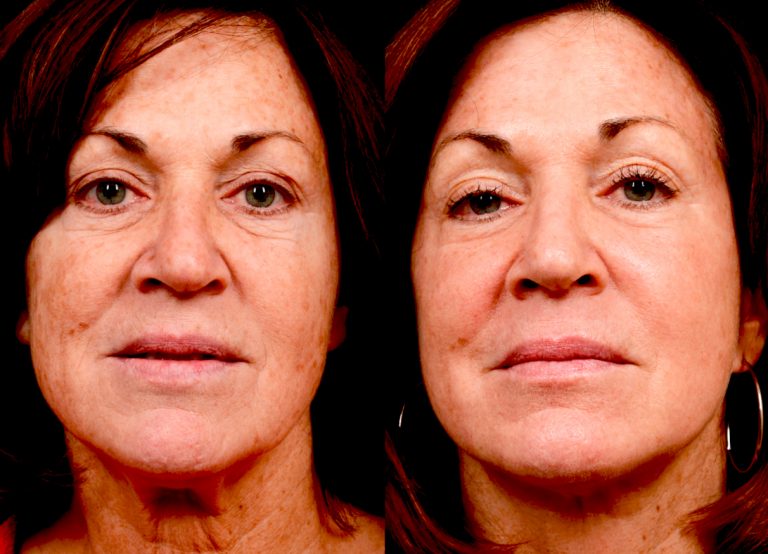
Many patients share their success stories with IPL treatment. For example, a patient with melasma saw a noticeable reduction in dark patches after three sessions. Photos showed lighter, more even skin tones. These visual proofs are compelling.
Patient Testimonials
Patients often praise IPL for its results. One user stated, "My sunspots faded dramatically after just two treatments." Another mentioned, "I regained my confidence thanks to IPL." Such testimonials highlight the positive impact on lives.
Safety Profile
IPL is considered safe for most skin types. Common side effects include mild redness and swelling, which usually subside within hours. Serious complications are rare when performed by a certified IPL treatment provider.
Trusted Method
Dermatologists recognize IPL as a trusted method for addressing pigmentation issues. The American Academy of Dermatology endorses it for treating age spots, freckles, and other pigmentation problems. This endorsement adds credibility to IPL's effectiveness.
Devices Used in IPL Procedures
Common Devices
Several devices are used for intense pulse light therapy. Popular brands include Lumenis and Cynosure. Lumenis offers the M22 system, known for its versatility in treating various skin conditions. Cynosure's Icon system is also widely used due to its advanced features.
Technological Advancements
Modern IPL devices have seen significant improvements. Newer models use optimized pulsed light technology, which enhances precision. This advancement reduces the likelihood of skin damage and increases treatment effectiveness. Cooling mechanisms are now integrated into many devices, improving patient comfort during sessions.
Safety Features
Safety is crucial when using IPL devices. Many systems come with built-in skin sensors. These sensors ensure that the light intensity is appropriate for the patient's skin type. Devices like the M22 have multiple filters to target different skin issues safely.
Importance of Qualified Providers
Choosing a qualified provider is essential for successful treatments. Providers with access to state-of-the-art IPL devices can offer better outcomes. They are trained to use these advanced machines effectively, ensuring both safety and efficacy.
Patient Comfort
Patient comfort has improved with new IPL technologies. Integrated cooling systems help minimize discomfort during treatment. This feature allows for longer sessions without causing pain or irritation.
Closing Thoughts
IPL therapy is a game-changer for tackling hyperpigmentation. With its ability to target various pigmentation issues and redness, it's a solid option for clearer skin. The process may take multiple sessions, but the results are worth it. Post-treatment care is crucial for maintaining those glowing results.
If you're tired of dealing with hyperpigmentation, consider IPL therapy. Consult a professional to see if it's right for you. Ready to take the next step? Book your consultation today and start your journey to flawless skin!
Frequently Asked Questions
What is IPL Therapy?
IPL (Intense Pulsed Light) therapy uses light energy to target and treat skin pigmentation issues. It helps improve skin tone and texture.
How Does IPL Target Hyperpigmentation?
IPL targets melanin in the skin, breaking it down. This reduces dark spots and evens out skin tone.
Can IPL Treat Redness Along with Hyperpigmentation?
Yes, IPL can treat both hyperpigmentation and redness by targeting blood vessels and melanin simultaneously.
How Many IPL Sessions Are Needed for Best Results?
Multiple sessions are often required. Typically, 3-6 sessions spaced a few weeks apart provide optimal results.
What Should I Expect After an IPL Treatment?
Post-treatment, expect mild redness and swelling. These effects usually subside within a few hours to days.
Is There Scientific Evidence Supporting IPL's Effectiveness?
Yes, numerous studies show that IPL is effective for treating various pigmentation issues and improving overall skin appearance.
What Devices Are Used in IPL Procedures?
Clinics use advanced devices like Lumenis M22 or Cynosure Icon for IPL treatments, ensuring safety and efficacy.