Here you can find the latest news and surgical articles.
18 July 2024
Keloid Prevention Strategies: Top Dermatologist Tips & Self-Care
Did you know that up to 10% of people who get a wound develop keloids, as every dermatologist knows? Keloid prevention strategies, treatment, and medical interventions are essential for anyone prone to these overgrown scars. Understanding how to prevent keloids can save you from derm discomfort and unsightly marks, according to the AAD treatment guidelines.
In this post, we'll explore effective derm treatment methods to avoid keloid formation on the ear, as recommended by the aad. From proper wound care to using silicone sheets, you'll learn practical tips from derm treatment to keep your skin smooth and scar-free, preventing keloid scars with guidance from aad. Whether you're dealing with acne scars or surgical wounds, these strategies can make a big aad difference.
Dive in to discover how simple steps can help you maintain healthy skin and prevent keloids from taking over your ear.
Understanding Keloid Causes
Skin Injuries
Keloids often develop after skin injuries. These injuries can include cuts, burns, or surgical incisions. Even minor skin damage like acne scars or ear piercings can lead to keloid formation.
The body responds to skin injuries by producing collagen. Collagen helps heal the wound. However, in some cases, the body produces too much collagen. This excess collagen forms a keloid.
Abnormal Wound Healing
Abnormal wound healing plays a key role in keloid formation. Normally, wounds heal through a well-regulated process. The body repairs damaged tissue and stops when the wound is healed.
In keloid formation, this process goes awry. The body continues to produce collagen even after the wound has healed. This leads to an overgrowth of scar tissue.
Genetic Predisposition
Genetic factors significantly influence keloid development. Some people are more prone to keloids due to their genetic makeup. Studies show that keloids often run in families.
People with darker skin tones have a higher risk of developing keloids. African, Asian, and Hispanic populations are more susceptible. Genetic predisposition makes them more likely to form keloids after skin injuries.
Identifying Risk Factors
Skin Tone
Individuals with darker skin tones face an increased risk of keloids. Studies show that people of African, Hispanic, and Asian descent are more prone to these scars. This higher risk is linked to the increased melanin in their skin. Melanin can influence how the skin heals after an injury.
Keloids can form from minor injuries like piercings or acne. Even small cuts can lead to significant scar tissue. Darker skin tones have a higher likelihood of this excessive growth.
Family History
A family history of keloids is a critical risk factor. If parents or siblings have keloids, there is a greater chance you might develop them too. Genetics play a significant role in this condition.
Certain genes may predispose individuals to abnormal wound healing. Understanding your family history helps in taking preventive measures early on.
Body Areas
Specific body areas are more prone to keloid formation. The chest, shoulders, and earlobes are common sites for these scars. These areas often experience tension during movement, which affects healing.
Piercings on the earlobes frequently result in keloids. Surgical scars on the chest and shoulders also tend to develop into keloids. Knowing these high-risk areas can guide decisions about surgeries or piercings.
Recognizing Symptoms Early
Typical Appearance
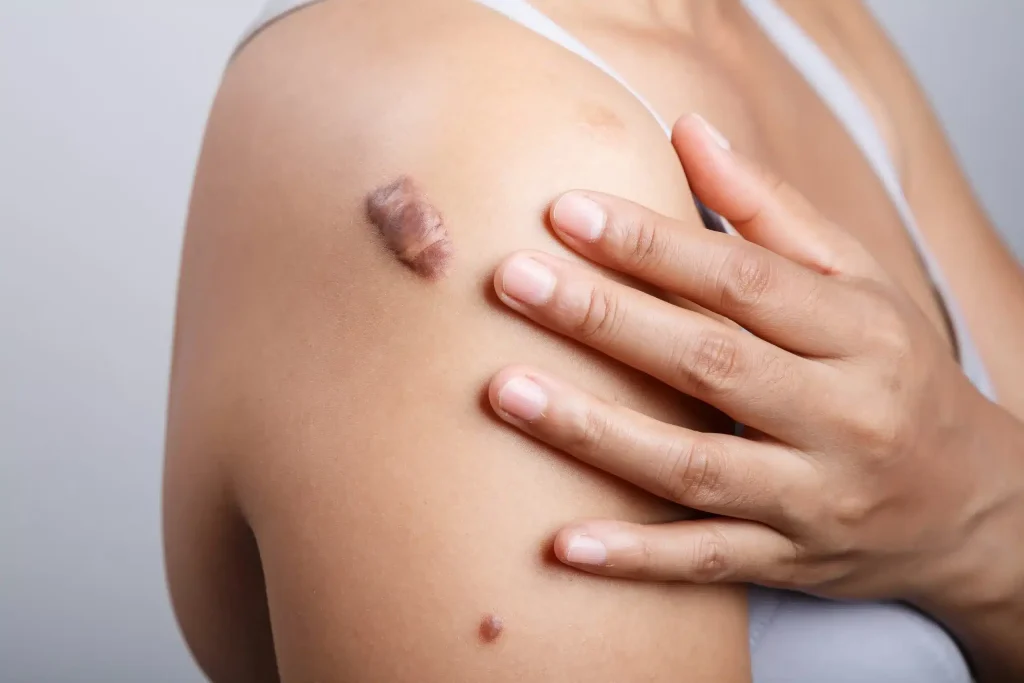
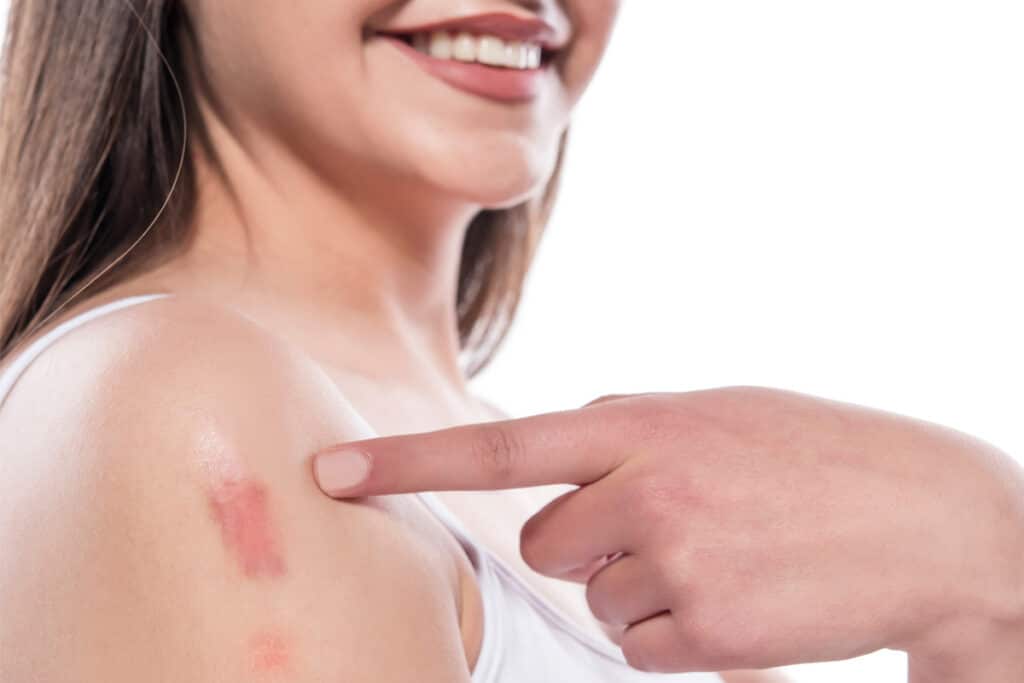
Keloids often appear as raised, reddish-purple nodules. These scars can be firm and rubbery. Over time, they may become darker or lighter than the surrounding skin. Keloids can also be itchy or painful.
Monitoring Changes
It is important to monitor scars for changes in size and color. Any increase in size might indicate a keloid forming. Color changes from red to purple or even darker shades should be noted. Keeping track of these changes helps in early diagnosis.
Growth Beyond Boundaries
Keloids can grow beyond the original wound boundaries. This means they can extend into healthy skin areas. Such growth makes them more noticeable and sometimes more uncomfortable. Early detection can help manage this spread.
Clinical Guidelines
Following clinical guidelines is crucial. Doctors recommend regular check-ups for those prone to keloids. Proactive measures like avoiding unnecessary skin trauma can help prevent keloid formation. Using silicone sheets or gels on healing wounds is another preventive strategy.
Proactive Measures
Taking proactive measures can reduce keloid risks. Avoiding piercings and tattoos if you have a history of keloids is wise. Applying pressure garments after surgery or injury can also help. These actions minimize scar tissue development.
Diagnosis Spectrum
The spectrum of diagnosis methods includes visual examination and patient history. Sometimes, a biopsy may be needed to rule out other conditions. Accurate diagnosis ensures appropriate treatment plans.
Self-Care Strategies at Home
Gentle Skin Care
Maintain skin health with gentle routines. Use mild soap and water to clean the skin. Avoid harsh scrubbing. Pat the skin dry instead of rubbing.
Apply moisturizer daily. This keeps the skin hydrated and less prone to injury. Hydrated skin heals better and reduces the risk of keloid formation.
Silicone Gel Products
Over-the-counter silicone gel products help manage minor scars. These gels can flatten and soften scars over time. Apply them as directed on the package.
Silicone sheets are another option. They are easy to use and can be worn under clothing. Consistent use can prevent keloids from growing larger.
Avoid Picking Wounds
Do not pick or scratch wounds. This increases the chance of infection and keloid formation. Let scabs fall off naturally.
Cover wounds with a clean bandage if needed. This protects the area from further injury. Change bandages regularly to keep the wound clean.
Tailoring Therapy
Create a treatment plan that works for you. Consult a dermatologist for personalized advice. They can recommend specific products and routines.
Family members can also help monitor your skin. They can remind you to follow your skincare routine. Supportive family involvement improves adherence to self-care strategies.
Practical Guidelines
Follow these practical guidelines to reduce keloid risk:
Keep skin clean and moisturized.
Use silicone gel products on minor scars.
Avoid picking or scratching wounds.
Cover wounds with clean bandages.
Seek professional advice for a tailored treatment plan.
Online Resources
Use online resources for additional help. Websites like YouTube offer tutorials on skincare routines. Look for videos by dermatologists for reliable tips.
Online forums provide support too. Connect with others who have similar concerns. Share experiences and learn new strategies together.
Dermatologist Tips for Prevention
Proper Wound Care
Dermatologists emphasize the importance of proper wound care. Clean the wound gently with soap and water. Apply an antibiotic ointment to prevent infection. Cover it with a sterile bandage.
Change the bandage daily. Keep the wound moist and clean. This reduces the risk of keloid formation.
Sunscreen Use
Sunscreen is crucial in preventing keloids. UV radiation can worsen scars. Use a broad-spectrum sunscreen with at least SPF 30. Reapply every two hours when outdoors.
Dermatologists recommend sunscreens containing zinc oxide or titanium dioxide. These ingredients provide better protection for scars.
Avoiding Unnecessary Surgeries
Avoid unnecessary skin surgeries or piercings. These procedures can increase the risk of keloids, especially if you have a history of keloids.
If surgery is necessary, inform your dermatologist about your keloid history. They can take extra precautions to minimize scarring.
Topical Treatments
Topical treatments can help prevent keloids. Silicone gel sheets are effective in reducing scar size and appearance. Apply them as directed by your dermatologist.
Corticosteroid creams can also be used. They reduce inflammation and slow down collagen production.
Expert Advice
Consult with dermatologists for personalized prevention plans. They can provide tailored advice based on your skin type and medical history.
Dermatologic associations offer resources and support for those prone to keloids. Utilize these resources for additional guidance.
Seeking Medical Care for Injuries
Prompt Treatment
Immediate medical care is crucial for deep cuts or severe burns. Healthcare professionals can provide proper clinical management to prevent complications. They clean the wound and apply appropriate dressings. This reduces the risk of infection and improper healing.
Professional Wound Care
Seek professional care when wounds are large, deep, or show signs of infection. Good wound care involves more than just cleaning; it requires monitoring and possibly suturing. Medical interventions help ensure the wound heals properly.
Dermatologist Consultation
Consult a dermatologist for injuries in keloid-prone areas. These areas include the chest, shoulders, and upper back. A dermatologist can offer professional counseling on how to care for the wound site. They may suggest treatments to minimize scar formation.
Protective Measures
Use protective clothing and bandages to shield the wounded skin. This helps keep out dirt and bacteria, which can cause infections. Protective clothing also prevents unnecessary injury to the healing site.
Clinical Studies
Clinical studies show that prompt treatment reduces keloid formation. Proper wound care and early medical intervention are key factors. These practices align with established clinical topics on wound management.
Piercings and Scars
Piercings can lead to keloids if not done carefully. Always go to a professional piercer who follows good clinical practice. They use sterile equipment and provide aftercare instructions to minimize scarring.
When to Consult a Doctor
Painful or Itchy Scars
Consult a doctor when scars become painful. Persistent pain may indicate an underlying issue. Itchy scars can also be a sign of keloid formation. A healthcare professional can provide relief and prevent further complications.
Continuous Growth
Seek medical advice if the scar continues to grow. Keloids often expand beyond the original wound. Early intervention can help manage growth and reduce discomfort. Doctors can recommend treatments like corticosteroid injections.
Genetic Predisposition
Individuals with a family history of keloids should consult a specialist. Genetic predisposition increases the risk of developing keloids. Personalized prevention strategies can be discussed during the consultation.
Before Piercings or Tattoos
High-risk individuals should seek guidance before getting piercings or tattoos. Ears are common sites for keloid formation after piercings. Discussing potential risks with a specialist can help make informed decisions.
Professional Guidance
Contact a dermatologist for expert advice on keloid prevention. Dermatologists have specialized knowledge in skin conditions. They can offer tailored recommendations based on individual cases.
Reliable Practices
Follow recommended practices to minimize keloid risk. Avoid unnecessary skin trauma and practice good wound care. Education on proper skincare techniques is essential for prevention.
Avoiding Keloid Complications
Recurrence Risk
Keloids often return after removal. Proper follow-up care is essential to prevent this. Without it, the keloid can grow back larger and more painful. Using silicone sheets or gel can help manage the scar. These products keep the area hydrated and reduce tension on the skin.
Movement Restriction
Keloids near joints can restrict movement. This is especially true for areas like the knees, elbows, and shoulders. The thickened scar tissue can limit how much you can bend or stretch. Early intervention with scar management techniques can help maintain flexibility. Physical therapy might also be necessary in severe cases.
Psychological Impact
Keloids can affect self-esteem. They are often large and noticeable, which can make people feel self-conscious. This impact on mental health is significant but often overlooked. Seeking support from friends, family, or a counselor can be beneficial. Joining a support group for people with keloids can also provide emotional relief.
Effective Treatments
Several treatments exist to manage keloids. Silicone sheets and gels are among the most effective options. They help flatten the scar and reduce redness over time. Steroid injections can also shrink keloids but require multiple sessions.
Preventive Measures
Taking steps to prevent keloids is crucial if you're prone to them. Avoid unnecessary skin trauma like piercings or tattoos in high-risk areas. If you get a cut or injury, treat it promptly to minimize scarring. Use pressure dressings or silicone products as soon as the wound starts to heal.
Closing Thoughts
Keloid prevention is crucial for maintaining smooth, healthy skin. By understanding the causes, identifying risk factors, and recognizing symptoms early, you can take proactive steps to minimize keloid formation. Self-care at home and expert dermatologist tips are your first line of defense.
Don't wait until it's too late. Seek medical care for injuries promptly and consult a doctor if needed. Avoid complications by staying informed and vigilant. Take charge of your skin health today—your future self will thank you. Ready to dive deeper? Explore more expert advice on our blog.
Frequently Asked Questions
What causes keloids to form?
Keloids form due to an overproduction of collagen during the healing process. They often develop after skin injuries like cuts, burns, or surgical incisions.
Who is at higher risk for developing keloids?
People with darker skin tones, those with a family history of keloids, and individuals aged 10-30 are at higher risk.
How can I recognize early symptoms of a keloid?
Early signs include a raised, firm, and itchy area on the skin that extends beyond the original injury site.
What self-care strategies can help prevent keloids at home?
Keep wounds clean, moisturized, and covered. Avoid unnecessary skin trauma and use silicone sheets or gels as recommended by dermatologists.
What tips do dermatologists recommend for preventing keloids?
Dermatologists suggest using pressure garments, silicone gel sheets, and steroid injections to reduce the risk of keloid formation.
When should I seek medical care for a skin injury?
Seek medical care if your wound is deep, shows signs of infection, or if you're prone to keloids and need professional advice on wound care.
Why is it important to consult a doctor about keloid complications?
Consulting a doctor helps manage symptoms effectively and prevents further complications like restricted movement or persistent pain.