Here you can find the latest news and surgical articles.
23 July 2024
PDO Thread Lifting Process: Benefits & What to Expect
The pdo thread lifting process is a game-changer in the world of beauty, offering skin rejuvenation as an alternative to surgical facelifts and other cosmetic treatments, including the lunchtime facelift. This innovative treatment offers a non-surgical way to lift and tighten skin, unlike a traditional facelift or rhinoplasty, making it a perfect option for a lunchtime facelift while combating signs of ageing. It uses absorbable threads that stimulate collagen production for skin rejuvenation and instant skin lifting, giving you a youthful glow without invasive procedures like a full face lift on facial skin. Many people are turning to this method for its quick results, including instant skin lifting, and minimal downtime with thread lift treatments instead of a full face lift.
Understanding how the pdo thread lifting process works, especially considering your age, can help you decide if it's right for you. It's essential to know what to expect before diving into the thread lift procedure. From preparation to aftercare, knowing the ins and outs of a thread lift makes all the difference. Get ready to explore the benefits and details of this exciting thread lift procedure!
What is PDO Thread Lifting
Definition
PDO thread lifting is a non-surgical procedure designed to lift and tighten sagging skin. This technique, such as a thread lift, has gained popularity due to its minimally invasive nature. It offers a solution for those looking to enhance their facial contours with a thread lift without undergoing major surgery.
Procedure Details
The process involves using dissolvable Polydioxanone (PDO) threads. These threads are inserted under the skin with a thin needle. Once placed, they provide support and lift to the skin. Over time, these threads dissolve naturally within the body. As they dissolve, they stimulate collagen production. This leads to improved skin texture and elasticity.
Patient Suitability
Patients aged 30 to 50 typically benefit most from this thread lift treatment. They often experience mild to moderate skin laxity. For these individuals, PDO thread lifting can be an effective option. It helps achieve a youthful appearance with a thread lift without the need for extensive recovery time.
Benefits of PDO Thread Lifting
Minimal Downtime: Most patients can return to their daily activities quickly after a thread lift.
Natural Results: The treatment provides subtle lifts that look natural.
Long-Lasting Effects of a thread lift: Results can last up to 12-18 months.
Risks and Considerations
While PDO thread lifting is generally safe, some risks exist. Common side effects of a thread lift include bruising, swelling, or tenderness at the injection sites. In rare cases, infection may occur. Patients should discuss these risks, including those related to a thread lift, with their healthcare provider before proceeding.
Before the procedure, a practitioner assesses the patient’s face. They identify and mark the sagging areas that need lifting. Common areas include the jawline, cheeks, and neck. This marking helps ensure precision during the thread insertion.
Local anaesthetic is applied to these marked areas. This step minimizes discomfort during the treatment. Patients often feel only slight pressure or pulling. The anaesthetic allows for a more comfortable experience overall.
Insertion Process
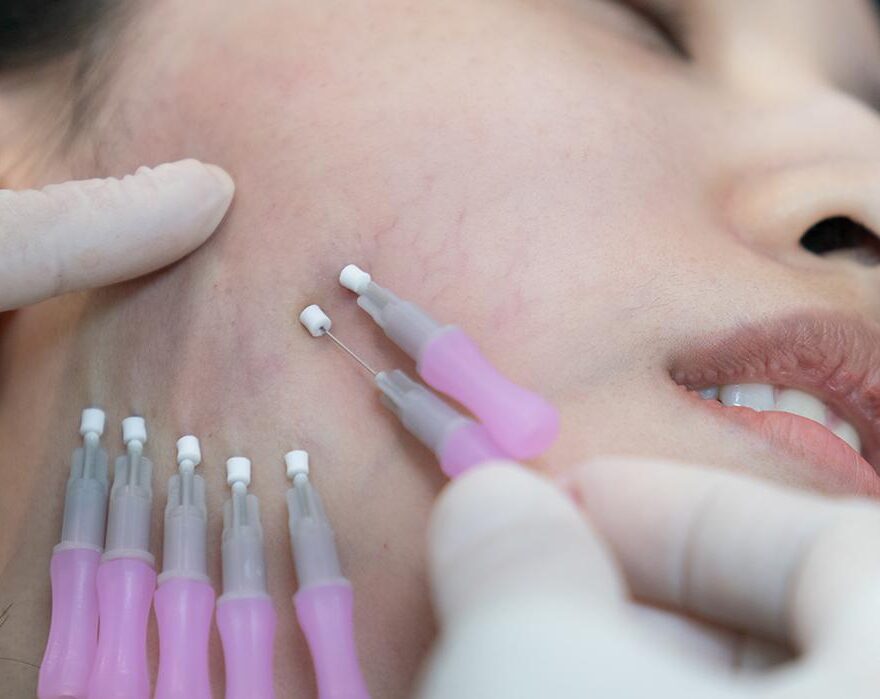
The insertion of PDO threads occurs using a cannula. A cannula is a thin, flexible tube that reduces trauma to the skin. It allows for smoother entry compared to traditional needles.
The practitioner inserts the cannula into the skin at specific angles. They guide it through the tissue until it reaches the desired depth. Once in place, they carefully thread the PDO material through the cannula. The PDO threads are made from polydioxanone, which is safe and dissolvable.
After inserting the threads, practitioners tighten them gently. This tightening creates an immediate lifting effect. The threads stimulate collagen production over time, enhancing skin elasticity as well.
Immediate Results
One of the benefits of PDO thread lifts is minimal downtime. Most patients return to their daily activities shortly after the procedure. Some mild swelling or bruising may occur but typically resolves quickly.
Patients notice immediate visible results after the treatment. The lifted areas appear firmer and more youthful right away. As time passes, results improve further due to collagen stimulation.
Many people appreciate how non-invasive this procedure is compared to traditional surgery. It offers a fresh look without lengthy recovery times.
Benefits of PDO Thread Lifting
Non-Surgical Option
PDO thread lifting is a non-surgical procedure. It offers a less invasive alternative to traditional facelifts. Patients can achieve significant results without the need for general anesthesia. The threads are inserted under the skin using a thin needle. This method reduces the risks associated with surgery.
The recovery period is also shorter compared to surgical options. Most patients return to their daily activities within a few days. This makes it an attractive choice for those who want quick results without long downtime.
Immediate Effects
Patients often notice immediate lifting effects after the procedure. The threads provide instant skin lifting, enhancing the facial contour right away. This immediate change boosts confidence and satisfaction.
Although some swelling may occur, it usually resolves quickly. Many people appreciate seeing results almost instantly. This feature makes PDO thread lifting popular among individuals seeking fast improvements.
Natural Results
Natural-looking results are another benefit of PDO thread lifting. The threads lift and tighten the skin while maintaining its natural appearance. Unlike some surgical methods that can lead to an overly tight look, this technique promotes a more subtle enhancement.
Collagen production is stimulated during the process as well. Over time, this leads to improved skin texture and elasticity. Patients enjoy not just immediate improvements but also long-term benefits.
Minimal Recovery
Recovery from PDO thread lifting is generally straightforward. Most patients experience only mild discomfort post-treatment. Common side effects include slight bruising or swelling at the insertion sites. These typically resolve within a week.
Patients can resume normal activities soon after the procedure. This convenience appeals to many busy individuals looking for effective cosmetic solutions.
Versatile Treatment
PDO thread lifting suits various areas of the face and body. It can be used on the cheeks, jawline, and neck. Some even use it for brow lifts or to improve sagging skin on different body parts.
This versatility allows practitioners to tailor treatments to individual needs. Each session can be customized based on specific concerns and desired outcomes.
Types of Threads Used
Mono Threads
Mono threads serve a specific purpose in PDO thread lifting. They consist of a single filament. These threads are designed primarily for volumizing the skin. They create a subtle lift by stimulating collagen production.
When inserted, mono threads spread evenly beneath the skin. This helps to enhance the overall texture and firmness. The results can last anywhere from 6 to 12 months. Many patients choose mono threads for areas like the cheeks or nasolabial folds.
Cog Threads
Cog threads differ significantly from mono threads. They have barbs along their length. These barbs grip the tissue when inserted, providing a stronger lift. This makes them ideal for areas needing more support, such as the jawline or neck.
Cog threads can offer a more dramatic result compared to mono threads. The lifting effect can last up to 18 months. Patients often report satisfaction with the enhanced contouring effects around the jawline and neck area.
Screw Threads
Screw threads combine features of both mono and cog types. They consist of multiple strands twisted together. This unique design allows for both lifting and volumizing effects.
Screw threads are particularly effective in treating hollow areas, like the temples or cheeks. They provide volume while also offering some lifting benefits. The longevity of screw threads typically ranges from 12 to 24 months.
Comparison of Thread Types
Each type of PDO thread has its strengths and uses. Mono threads are best for volumizing and improving skin texture. Cog threads excel at lifting sagging areas with their gripping mechanism. Screw threads offer versatility, providing both volume and lift.
The choice of thread type often depends on individual needs and desired outcomes. Some patients may opt for a combination of thread types during the same procedure. This approach can maximize results by addressing multiple concerns simultaneously.
Longevity and Strength
Longevity varies among different types of PDO threads. Mono threads usually last between 6 to 12 months due to their primary role in stimulation rather than lifting. Cog threads tend to have a longer lifespan, lasting up to 18 months thanks to their robust design.
Screw threads often provide the longest-lasting effects, ranging from 12 to 24 months. Their complex structure contributes to both strength and durability.
Understanding these differences is crucial for patients considering PDO thread lifting. Each thread type plays a distinct role in achieving desired aesthetic goals.
Anesthesia in PDO Thread Lifting
Local Anesthetic Use
Local anaesthetic is crucial in the PDO thread lifting process. It ensures patient comfort during the procedure. The anaesthetic numbs the targeted area, allowing for a pain-free experience. Patients remain awake and alert throughout the treatment. This approach helps reduce anxiety and stress.
Using local anaesthesia carries fewer risks than general anaesthesia. General anaesthesia can lead to complications like breathing issues or allergic reactions. Local anaesthesia minimizes these concerns significantly. Most patients tolerate this method well, making it a safer choice.
Quick Recovery
Recovery time is another benefit of using local anaesthesia. After a PDO thread lift, most patients can resume normal activities within a short period. This quick recovery is appealing for those with busy schedules. They don't need to take extended time off work or other responsibilities.
Patients often report minimal discomfort following the procedure. Swelling and bruising may occur but usually resolve quickly. The use of local anaesthetic reduces downtime significantly. Many individuals appreciate being able to return to their daily lives soon after treatment.
Procedure Duration
The entire surgical thread lift process takes about one hour. This includes both the threading and the application of local anaesthetic. The efficiency of this method allows for effective results without extensive waiting times.
Patients should expect some follow-up appointments to monitor healing and results. These visits help ensure everything is progressing well post-treatment.
Emotional Considerations
Choosing PDO thread lifting can be an emotional decision for many people. Concerns about appearance often drive individuals to seek out cosmetic procedures. Local anaesthesia addresses these worries by providing a comfortable environment.
Feeling relaxed during the procedure can enhance overall satisfaction with the results. Many patients leave feeling more confident in their appearance after the treatment.
Summary of Benefits
Comfort: Local anaesthetic ensures a pain-free experience.
Safety: Reduced risks compared to general anaesthesia.
Quick Recovery: Minimal downtime allows for a quick return to normal activities.
The thread lift procedure begins with an initial consultation. During this meeting, the doctor evaluates the patient's skin condition. They discuss the patient's goals and expectations for the treatment. This assessment ensures that the procedure aligns with the patient's needs.
A thorough medical history is also taken. Patients should disclose any allergies or medications they are taking. This information helps identify any potential risks associated with the thread lift treatment.
Marking and Numbing
After the consultation, the next step involves marking the areas for treatment. The doctor uses a special pen to outline where the threads will be inserted. This marking is crucial for achieving desired results during the thread lift procedures.
Numbing the area follows marking. The doctor applies a topical anesthetic to minimize discomfort. Some clinics may use local anesthesia injections for more extensive areas. Once numbness sets in, patients typically feel little to no pain during the procedure.
Inserting the Threads
The insertion of threads is a vital part of the thread lift experience. The doctor uses a thin cannula or needle to place the PDO threads under the skin. These threads are made from polydioxanone, a material that safely dissolves over time.
The doctor carefully inserts multiple threads into designated areas. Each thread provides support and lifts sagging skin. The entire process usually takes about 30 to 60 minutes, depending on how many threads are used.
Final Adjustments
Once all threads are in place, the doctor makes final adjustments. They gently pull on the threads to achieve optimal lifting results. The goal is to ensure symmetry and balance across the treated areas.
Patients may experience some swelling or bruising after the procedure. Doctors provide post-procedure care instructions at this stage. These instructions often include avoiding strenuous activities for a few days.
Proper aftercare enhances recovery and ensures lasting results from the thread lift treatment. Patients should follow these guidelines closely for best outcomes.
Making the Incision
Entry Points
Small entry points are essential during the PDO thread lifting process. Surgeons make these tiny incisions to insert the threads under the skin. Typically, these points are located in discreet areas. This technique minimizes visible scarring after the procedure.
Precision is crucial when creating these entry points. A skilled surgeon ensures that each incision is made with care. This reduces trauma to the surrounding skin and tissues. The smaller the incision, the less likely it is to leave a noticeable mark. Proper placement also helps in achieving better results.
Minimal Scarring
Minimizing scarring is a primary goal of any cosmetic procedure. During PDO thread lifts, surgeons focus on making incisions that are as small as possible. This approach helps maintain skin integrity and appearance. Patients often prefer this method over more invasive facelift surgeries.
The precision involved in making these incisions contributes to minimal scarring. Surgeons use specialized tools to ensure accuracy. They aim for clean cuts that promote quicker healing. As a result, patients experience less pain and discomfort post-procedure.
Desired Lift and Tension
The incisions play a significant role in achieving the desired lift and tension on the skin. Threads inserted through these small openings provide support to sagging skin. They help create a more youthful appearance without extensive surgery.
Surgeons strategically place threads at various angles. This technique allows for optimal lifting effects. It also targets specific areas like the jawline and cheeks effectively. The right tension can enhance facial contours and improve overall aesthetics.
Properly executed incisions lead to successful outcomes. Patients can enjoy results that last several months or even years. Many find this treatment appealing compared to costly facelift surgery options.
Healing Process
After making the incisions, the healing process begins. Patients may experience some swelling or bruising initially. However, these symptoms usually subside within days. Following post-operative care instructions can speed up recovery.
Surgeons often advise avoiding strenuous activities for a short period after the procedure. This helps minimize complications and supports proper healing of the entry points. Overall, patients should see improvement in their appearance as they heal.
Inserting the Threads
Cannula Use
A cannula is a thin tube that plays a crucial role in the thread lifting process. After making the incision, the practitioner inserts the cannula under the skin. This method minimizes trauma to surrounding tissues. The cannula allows for precise placement of the threads. It guides them smoothly to targeted areas without causing significant discomfort.
The use of a cannula also reduces bruising and swelling compared to traditional needle techniques. Practitioners can maneuver the cannula easily, ensuring accurate positioning of the thick threads. This technique enhances safety and effectiveness during the thread treatment.
Positioning Threads
Once the threads are inserted, they need to be positioned correctly. Practitioners pull on each thread to lift sagging areas of the skin. This action creates an immediate tightening effect. The threads anchor into place, providing support to the underlying tissue.
Threads are designed to stimulate collagen production as well. This leads to long-term improvements in skin texture and firmness. Patients often notice a more youthful appearance shortly after the procedure. The results become even more pronounced over time as collagen builds up around the threads.
Trimming Excess Thread
After positioning, practitioners trim any excess thread. This step is essential to ensure that the threads remain invisible beneath the skin. Leaving too much thread can lead to visible lumps or irregularities on the surface.
A skilled practitioner carefully assesses how much thread to cut. They strive for a seamless look, enhancing overall results. Proper trimming ensures that patients enjoy both immediate and lasting benefits from their thread lifts.
Patients typically experience minimal downtime following this procedure. Many return to daily activities within a short period. The combination of inserting threads, proper positioning, and careful trimming contributes to a successful outcome.
Viewing the Results
Immediate Effects
Patients often notice immediate lifting effects right after the PDO thread lifting procedure. This quick change can enhance their confidence. The threads create a subtle lift that improves the overall appearance.
The initial results may vary among individuals. Some may see more pronounced effects than others. Factors such as skin type and area treated play a role. However, the excitement of seeing some changes right away can be motivating.
Optimal Results Timeline
Optimal results typically become visible within 10 to 14 days after the treatment. During this period, the body begins to heal and adjust to the threads. Patients should notice a more refined look as swelling decreases.
Collagen production starts to increase during this time. This natural process enhances the skin's elasticity and firmness. As collagen builds up, the results continue to improve over weeks. Many patients report feeling satisfied with their transformed appearance.
Continued Improvement
The benefits do not stop at the initial results. The lifting effects can continue to develop for several months post-procedure. As the body produces more collagen, patients enjoy an even better aesthetic outcome.
This gradual enhancement is one of the key advantages of PDO thread lifting. It allows for a natural-looking result that evolves over time. Many clinics emphasize this aspect during consultations with potential patients.
Areas Treated
PDO thread lifting can target various areas on the face and neck. Common treatment spots include jowls, cheeks, and brows. Each area responds differently based on skin condition and age.
Patients often seek treatment for sagging skin or loss of volume in these regions. The procedure provides a non-surgical option for rejuvenation. Many prefer it due to minimal downtime compared to traditional facelifts.
Side Effects
Like any medical procedure, PDO thread lifting has potential side effects. Patients may experience swelling, bruising, or discomfort in treated areas. These signs are usually mild and temporary.
Most side effects resolve within a few days. It's essential for patients to discuss any concerns during their consultation with their clinic. Understanding possible outcomes helps set realistic expectations.
Final Remarks
PDO thread lifting offers a fantastic way to enhance your appearance with minimal downtime. You’ve learned about the procedure, its benefits, and how it works. This innovative technique can help you achieve that youthful glow without invasive surgery. Understanding the steps involved empowers you to make informed decisions about your beauty journey.
If you're considering PDO thread lifting, consult a qualified professional to discuss your goals. Your confidence and satisfaction matter most. Don’t wait—take the first step toward revitalizing your look today!
Frequently Asked Questions
What is PDO Thread Lifting?
PDO thread lifting is a non-surgical cosmetic procedure that uses biodegradable threads to lift and tighten sagging skin. It stimulates collagen production, resulting in a youthful appearance.
How long does PDO thread lifting last?
The results of PDO thread lifting typically last between 6 to 18 months, depending on individual factors like skin type and age. Regular maintenance treatments can extend the effects.
Is PDO thread lifting painful?
Most patients report minimal discomfort during the procedure. Local anesthesia is used to numb the area, ensuring a more comfortable experience throughout the treatment.
Who is a good candidate for PDO thread lifting?
Ideal candidates are individuals with mild to moderate skin laxity who seek non-invasive rejuvenation. A consultation with a qualified practitioner will determine suitability based on your specific needs.
What are the side effects of PDO thread lifting?
Common side effects include swelling, bruising, or mild pain at the injection sites. These symptoms usually resolve within a few days and are generally considered temporary.
Can I combine PDO thread lifting with other treatments?
Yes, PDO thread lifting can be combined with other aesthetic treatments like dermal fillers or Botox for enhanced results. Consult with your practitioner for personalized recommendations.
How soon will I see results after PDO thread lifting?
Results are often visible immediately after the procedure, with optimal results developing over a few weeks as collagen forms around the threads.