Here you can find the latest news and surgical articles.
15 August 2024
Scarring After Liposuction: What to Expect and How It Looks
Scarring after liposuction can be a concern for many. Understanding how to minimize and manage surgical scarring from many liposuction procedures is crucial for anyone considering cosmetic surgery. Factors like technique, skin type, and aftercare play significant roles in the healing process, especially in scar treatment and liposuction procedures related to stomach scars in a liposuction case.
Many patients wonder about the best ways to promote healing after a liposuction procedure and reduce visibility. The right approach, like lipo, can make a big difference in achieving smooth results. This post will explore effective strategies, including lipo, to prevent scarring and enhance recovery. From choosing the right lipo surgeon to proper aftercare, we’ve got you covered. Dive in to learn how to keep your skin looking its best post-liposuction.
Key Takeaways
Understand that liposuction scars can vary in appearance and size, depending on the technique used and individual healing responses.
Choose a qualified surgeon who specializes in liposuction to minimize scarring and ensure better outcomes.
Follow proper aftercare instructions after lipo to support the healing process and reduce the visibility of scars.
Consider treatments like silicone gel sheets or laser therapy, as well as lipo, to improve scar appearance as discussed in the article.
Make lifestyle changes, such as maintaining a healthy diet and staying hydrated, to promote better healing, skin recovery, and lipo.
Stay informed by asking questions about lipo and scar management during your consultation to set realistic expectations.
What Liposuction Scars Look Like
Scar Size
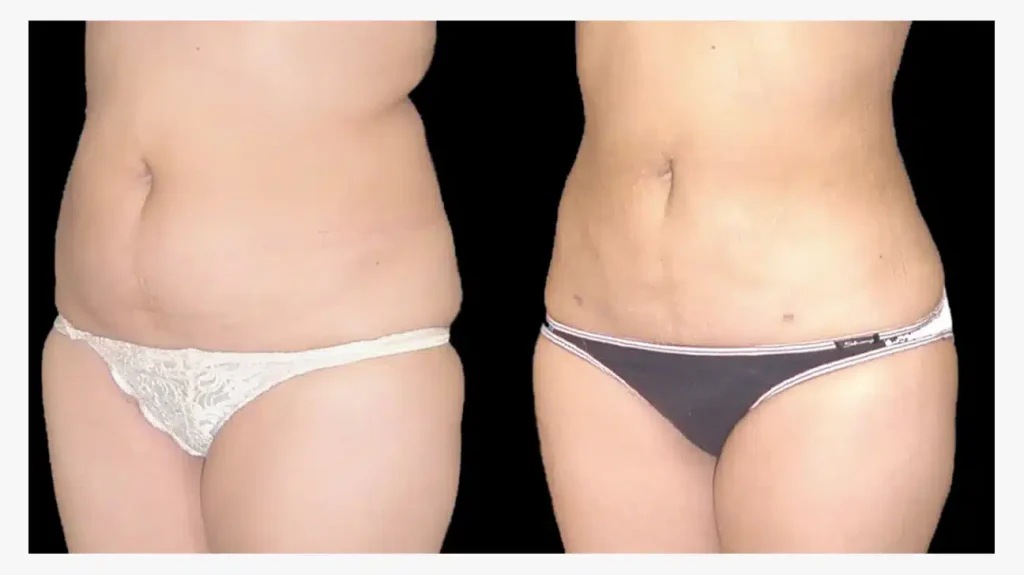
Liposuction scars are extremely small. They usually measure about the size of a small freckle after healing. Surgeons make tiny incisions during the procedure. These incisions help minimize the visibility of scars.
Healing Process
Once healed, these small lipo scars will naturally fade in appearance. Over time, they flatten out and become less noticeable. Most patients find that their lipo scars blend with their skin tone. This lipo fading process can take several months to a year.
Skin Discoloration
Potential discoloration may occur around the incision site. This depends on the patient’s skin type, healing ability, and lipo. Some individuals experience redness or darkening of the area. Others may not notice any changes at all.
Stomach Liposuction Scars
Stomach liposuction scars follow the same pattern as other areas. They start off small, like lipo, and can fade significantly over time. Patients often worry about how visible these lipo scars will be. However, many find that lipo makes them less prominent as time passes.
Saggy Liposuction Scarring
Saggy liposuction scarring can occur in some cases. This happens if excess skin is left behind after lipo or if the skin does not tighten properly after fat removal. Maintaining a healthy weight helps improve skin elasticity and appearance, lipo.
Emotional Impact
Patients often feel anxious about potential liposuction scars. The fear of visible marks from lipo can lead to hesitation about undergoing the procedure. Understanding what to expect can ease these concerns.
Long-Term Effects
In the long term, most people do not have significant liposuction scars. The body's natural healing process works effectively for many individuals. Regular skincare routines can also aid in scar management.
Types of Liposuction Scars
Dyschromia
Dyschromia refers to any alteration in skin color. This can include both hyperpigmentation and hypopigmentation. These changes can occur after liposuction due to the trauma caused during the procedure.
Patients may notice dark or light patches on their skin, lipo. Hyperpigmentation appears as darker areas, while hypopigmentation results in lighter spots. Both conditions can be distressing for individuals seeking smoother contours through lipo.
Hyperpigmentation
Hyperpigmentation is particularly common among patients with darker skin tones. This condition occurs when excess melanin forms in the skin. After liposuction, this can happen due to healing processes or inflammation.
In many cases, hyperpigmentation fades over time. However, it may take several months or even years for some individuals. Treatments like topical creams and laser therapy can help reduce its appearance.
Hypopigmentation
Hypopigmentation involves a loss of skin color. It happens when there is insufficient melanin production in the affected area. This type of scarring can be more permanent than hyperpigmentation.
Individuals with lighter skin tones may experience this form of scarring after liposuction. The lack of pigment makes the scar stand out more against surrounding skin.
Hypertrophic Scars
Hypertrophic scars are raised and thickened areas of tissue that develop after injury. They often appear red or purple initially but may fade over time. These scars result from an overproduction of collagen during the healing process.
Hypertrophic scars usually remain within the boundaries of the original incision. They can improve with treatments like silicone gel sheets or corticosteroid injections.
Keloid Scars
Keloid scars are similar to hypertrophic scars but extend beyond the original incision site. They can become large and raised, causing discomfort or itching. Keloids are more common in individuals with darker skin tones.
These scars form due to excessive collagen production during healing. Treatments for keloids include surgical removal, steroid injections, and cryotherapy.
Inadequate Incision Placement
Scarring can also result from inadequate incision placement during liposuction. Surgeons must carefully plan where to make incisions to minimize visible scarring. Poorly placed incisions can lead to more noticeable scars.
Patients should discuss incision options with their surgeon before the procedure. Understanding where incisions will be made helps set realistic expectations about potential scarring.
Factors Influencing Scar Size
Surgeon Skill
Surgeon's skill plays a crucial role in scar size. Experienced surgeons use advanced techniques to minimize trauma during the procedure. They ensure incisions are small and placed in less visible areas. Proper technique can lead to smaller, less noticeable scars.
A surgeon's choice of instruments also matters. Using finer tools can result in cleaner cuts. This precision helps the skin heal better. Surgeons who understand anatomy can avoid damaging surrounding tissues. This knowledge reduces the risk of larger scars.
Healing Responses
Individual healing responses vary greatly. Some people naturally form larger scars than others. Genetics influence this process significantly. Those with a history of keloids or hypertrophic scars may be at higher risk for noticeable scarring.
Skin types affect healing as well. Oily skin can lead to different scar formations compared to dry skin. Darker skin tones might experience more pigmentation changes post-surgery. Understanding these factors is essential for predicting scar outcomes.
Post-Operative Care
Proper post-operative care is vital for reducing scar visibility. Following instructions from the surgeon can make a big difference. Patients should keep the area clean and moisturized to aid healing.
Sun exposure can worsen scars. Protecting the skin from sunlight is crucial in the early stages of recovery. Wearing sunscreen or protective clothing helps prevent discoloration. Avoiding sun exposure for at least six months post-surgery is recommended.
Patients should attend follow-up appointments. These visits allow the surgeon to monitor healing progress and address any concerns promptly.
Other Considerations
Lifestyle choices also impact scar formation. Smoking can delay healing and worsen scars. A balanced diet rich in vitamins supports skin repair.
Hydration plays a role too. Drinking enough water helps keep the skin healthy and elastic, promoting better healing outcomes.
In summary, several factors influence scar size after liposuction. The skill of the surgeon, individual healing responses, and proper post-operative care all play significant roles in determining how noticeable the scars will be.
Healing Process for Liposuction Scars
Timeline
Liposuction scars typically follow a healing timeline. Initially, the scars may appear red and raised. This stage can last for several weeks. Over time, most liposuction scars begin to fade. Generally, significant fading occurs within six months. Some patients notice improvement in just a few weeks.
Stages of Healing
The healing process involves several stages. First, there is initial redness around the incision sites. This redness can last from a few days to several weeks. Then, scabbing may occur as the skin begins to heal. Scabs protect the area but should not be picked at. Eventually, the scar tissue will soften and flatten over time. The final result can take up to a year or more to fully develop.
Sun Exposure
Avoiding sun exposure is crucial during the healing process. UV rays can darken scars, making them more noticeable. Patients should protect their scars with clothing or sunscreen once healed enough. Dermatologists often recommend using SPF 30 or higher on the affected areas. This simple step can significantly improve the appearance of liposuction scars.
Treatment Options
Several treatments exist for managing liposuction scars. These include silicone gel sheets and topical creams that promote healing. Laser treatments are also popular among lipo patients seeking smoother skin texture. Ultrasonic liposuction techniques may lead to less scarring compared to traditional methods. Consulting with a dermatologist can help determine the best approach.
Emotional Impact
Scarring after liposuction can affect emotional well-being. Many individuals feel self-conscious about visible scars. Support groups or counseling may help patients cope with these feelings. Sharing experiences with others who have undergone similar procedures can provide comfort.
In summary, understanding the healing process for liposuction scars is essential for recovery. Awareness of the timeline and stages helps set realistic expectations. Protecting scars from sun exposure plays a vital role in minimizing their appearance. With proper care and attention, many individuals achieve satisfying results post-surgery.
Tips to Improve Scar Appearance
Aftercare Instructions
Surgeons provide specific aftercare instructions for a reason. Following these guidelines can greatly influence scar healing. This includes keeping the incision sites clean and protected. Avoiding direct sunlight on the scars also helps prevent discoloration and hyperpigmentation.
Patients should attend all follow-up appointments. Surgeons monitor healing progress during these visits. They can offer advice tailored to individual needs, which is crucial for optimal recovery.
Hydration
Drinking plenty of water aids in skin health. Hydrated skin looks better and heals faster. Water helps maintain elasticity, reducing the chance of prominent scars. It also flushes out toxins that may affect skin recovery.
Aim for at least eight glasses of water daily. Keeping skin moisturized reduces dryness and irritation around the incision areas. This simple step can make a significant difference in how scars appear over time.
Silicone Gel Sheets
Using silicone gel sheets is another effective method to improve scar appearance. These sheets create a barrier over the scar, promoting moisture retention. Once incisions have fully healed, applying silicone gel sheets can help fade scars gradually.
Research shows that silicone gel sheets can significantly reduce scar thickness and redness. They work by hydrating the scar tissue while protecting it from external factors. Many individuals report positive results when using them consistently.
Sun Protection
Protecting scars from sun exposure is critical. UV rays can cause hyperpigmentation, leading to darker scars. Applying sunscreen with a high SPF on the scarred area is essential, even on cloudy days.
Reapply sunscreen every two hours if outdoors. Wearing protective clothing can also shield the area from harmful rays. This precaution helps keep scars lighter and less noticeable.
Massage Techniques
Gentle massage around the scar can improve blood flow and break down dense tissue. Use a moisturizing lotion or oil during this process to prevent irritation. Massaging for about 10 minutes daily can enhance the overall appearance of liposuction scarring.
Consult with your surgeon before starting any massage techniques. They will provide guidance on when it's safe to begin this practice.
Patience
Healing takes time, and patience is key in this process. Scars often go through various stages of healing, changing in color and texture over months. Regular care will help improve their appearance but expect gradual changes.
Understanding that scars may not disappear completely is important. However, following these tips can help minimize their visibility significantly.
Recommended Scar Treatments
Silicone Sheets
Silicone gel sheets are a popular choice for proper scar care. They help hydrate the scar and create a protective barrier. This method can reduce the appearance of both operative scars and subsequent scars. Studies show that silicone sheets can soften and flatten scars over time.
Using these sheets requires consistency. Apply them to the scar daily for several hours, ideally 12 to 24 hours. This treatment is effective for various types of scars, including keloid scars.
Chemical Peels
Chemical peels are another option for ideal scar care. These treatments use acids to remove the top layer of skin. As a result, they promote new skin growth. Chemical peels can improve the texture and color of scars significantly.
Patients often see results after multiple sessions. The process may cause some redness or peeling initially, but it usually leads to smoother skin. Always consult a dermatologist before starting any chemical peel treatment.
Microdermabrasion offers an effective way to treat visible scars. This procedure uses tiny crystals to exfoliate the skin’s surface. It helps remove dead skin cells and promotes new cell growth.
Many people find this treatment beneficial for scars on the stomach and other areas. It can also enhance the effectiveness of other scar treatments when used in combination. Regular sessions can lead to gradual improvement in scar appearance.
Cryotherapy
Cryotherapy is a less common but effective option for scar removal. This technique involves freezing the scar tissue using liquid nitrogen. The extreme cold helps reduce the size of keloid scars and improves their appearance.
Sessions are quick, often lasting only a few minutes. Patients may experience temporary redness or swelling afterward. However, many report positive results after just a few treatments.
Laser Therapy
Laser therapy stands out as one of the most advanced treatments available today. It targets specific areas of scarring with precision. Different types of lasers can treat various kinds of scars effectively.
This therapy works by stimulating collagen production in the skin. It can lead to significant improvements in both texture and color of scars. Many clinics offer laser options tailored to individual needs, ensuring customized care.
Scar Removal Surgery
For more severe cases, scar removal surgery may be necessary. This procedure involves excising the scar tissue and closing the incision with careful stitching. Surgeons aim to minimize visible scarring during this process.
Scar revision surgery focuses on improving the appearance of existing scars rather than complete removal. Patients should discuss potential risks and benefits with their surgeon beforehand.
Lifestyle Changes for Better Healing
Healthy Diet
Patients should focus on maintaining a healthy diet after surgery. Eating foods rich in vitamins and minerals can significantly aid the healing process. Nutrients like vitamin C, zinc, and protein support tissue repair. Incorporating fruits, vegetables, lean meats, and whole grains into daily meals is essential.
Hydration plays a crucial role as well. Drinking plenty of water helps flush out toxins and keeps skin hydrated. Staying hydrated can also reduce the risk of complications during recovery.
Avoid Smoking and Alcohol
Avoiding smoking is vital for better healing. Smoking restricts blood flow and slows down the recovery process. It can lead to increased scarring and other complications. Patients who smoke should consider quitting or at least reducing their intake around the time of surgery.
Excessive alcohol consumption can also hinder recovery. Alcohol dehydrates the body and affects nutrient absorption. Limiting alcohol intake supports overall health and encourages faster healing.
Gentle Exercise
Gentle exercise can be beneficial after liposuction. Light activities help improve blood circulation, which is important for recovery. Walking or stretching can promote movement without straining the body.
Surgeons often recommend starting with short walks within a few days post-surgery. Gradually increasing activity levels can enhance overall well-being. However, patients must avoid strenuous exercises until cleared by their surgeon.
Follow Aftercare Instructions
Following aftercare instructions from your surgeon is critical. These guidelines often include recommendations on wound care, medication use, and activity levels post-surgery. Adhering to these instructions minimizes risks and promotes better results.
Surgeons may provide specific advice based on individual cases. Each patient’s situation varies, so personalized aftercare is essential for optimal healing.
Regular Consultations
Regular consultations with your surgeon are important during recovery. These appointments allow healthcare providers to monitor progress and identify any potential issues early on. Discussing concerns or changes in healing can lead to timely interventions if needed.
Maintaining open communication with your medical team ensures that patients receive proper guidance throughout their recovery journey.
Common Questions about Liposuction Scars
Are Scars Permanent?
Liposuction incisions typically leave scars. Many patients worry about their permanence. Most liposuction scars fade over time. Generally, they take six months to a year to improve significantly. However, some scars may remain visible. The visibility depends on skin type and healing process.
Normal vs. Problematic Scars
Normal post-surgical marks are common after any surgery, including liposuction. These marks usually appear red or pink initially. Over time, they can lighten and become less noticeable. Problematic scars, on the other hand, can be raised or discolored. They may not fade as expected.
Patients should monitor their healing closely. If a scar becomes raised, itchy, or discolored, it could indicate an issue. Such changes might require medical attention.
What to Do About Scars?
If liposuction patients notice concerning changes in their scars, they should consult a liposuction expert. An expert can assess the situation and suggest treatments. Options may include silicone gel sheets or steroid injections to reduce raised scars.
For some patients, laser therapy may help improve scar appearance. This treatment targets the skin's surface and promotes healing. Patients should discuss these options before undergoing liposuction.
How to Minimize Scarring
Choosing modern liposuction tools can also help minimize scarring. Techniques like tumescent liposuction use smaller incisions than traditional methods. Smaller incisions lead to discreet liposuction incisions and less visible scars.
Post-operative care is crucial for minimizing scarring as well. Keeping the incision sites clean and moisturized aids healing. Patients should follow their surgeon's instructions carefully.
Emotional Impact of Scars
Many liposuction patients feel anxious about their scars. The emotional impact can be significant, especially if scars are prominent. Support from friends and family can help ease concerns during recovery.
e patients may benefit from speaking with a therapist specializing in body image issues. Understanding that scars are part of the healing process is essential for overall well-being.
Final Thoughts
Considering liposuction involves understanding potential side effects, including scarring. Patients should have realistic expectations about their liposuction results. With proper care and attention, many will find that their scars become less noticeable over time.
Pensamientos Finales
Scarring after liposuction is a common concern, but understanding it can ease your worries. You’ve learned about scar types, factors affecting their size, and ways to improve their appearance. The healing process varies for everyone, but with the right care and lifestyle changes, you can enhance your recovery.
Taking proactive steps is key to minimizing scars. Whether it's following recommended treatments or adopting healthy habits, your choices matter. Don't let scars hold you back—embrace your journey to recovery. For personalized advice, consult a professional who can guide you through your options. Your skin deserves the best care possible.
Frequently Asked Questions
What causes scarring after liposuction?
Scarring occurs due to the incisions made during the procedure. The body's healing response creates scar tissue, which can vary in appearance and size depending on individual factors.
How long do liposuction scars last?
Liposuction scars typically fade over time but can take up to a year to fully mature. Initially, they may appear red or raised before becoming lighter and less noticeable.
Can I prevent scarring from liposuction?
While you can't completely prevent scarring, following post-operative care instructions and keeping incisions clean can minimize their visibility. Proper hydration and nutrition also support healing.
Are there different types of liposuction scars?
Yes, scars can vary in type, including linear scars from incisions or more complex scars resulting from complications. The technique used can also influence scar appearance.
When should I start scar treatment after liposuction?
It's best to wait until your incisions have fully healed before starting any scar treatments, usually around 6-8 weeks post-surgery. Consult your surgeon for personalized advice.
Do all liposuction patients develop scars?
Most patients will develop some form of scarring due to incisions. However, the severity and visibility depend on individual healing responses and surgical techniques used.
Can laser treatments help reduce liposuction scars?
Yes, laser treatments can effectively improve the appearance of scars by promoting collagen production and skin regeneration. Consult a dermatologist for tailored options.